



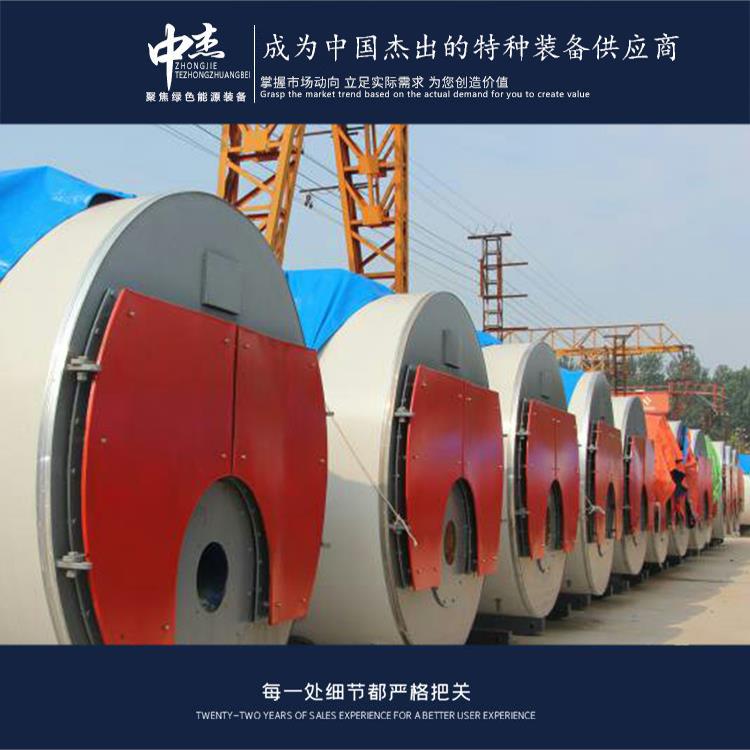
Shandong Zhongjie Special Equipment (formerly Heze Boiler Factory Co., Ltd.) holds an A-grade boiler manufacturing license, an A2-grade pressure vessel manufacturing license, an A2-grade pressure vessel design license, a B-grade boiler installation license, and GB2/GB3-grade pressure pipeline installation licenses, as well as a mechanical and electrical equipment installation contracting qualification. It is a member of the China Boiler and Water Treatment Association, the China Chemical Equipment Association, and the理事 unit of the Shandong Equipment Manufacturing Association. The company has also passed certifications for the ISO9001 Quality Management System, ISO14001 Environmental Management System, OHSAS18001 Occupational Health and Safety Management System, and the American ASME/U2 certification.
To ensure the safe operation of industrial boilers, attention should be given to the following aspects:
- Adhere to laws and regulations: Understand and comply with relevant laws, regulations, and standards, including those governing boiler safety management and standards for boiler use and maintenance. Ensure compliance with legal requirements throughout the operation process.
- Establish a sound management system: Develop a comprehensive industrial boiler safety management system, define responsibilities and authorities, and standardize operational procedures and safety measures. Formulate operational guidelines and emergency response plans to ensure orderly execution of safety operations.
- Training and education: Provide training and education for personnel involved in the safe operation of industrial boilers to enhance their safety awareness and skill levels. This includes training for boiler operators, maintenance staff, and managers, among others.
- Regular inspections and maintenance: Conduct regular inspections and maintenance of industrial boilers to ensure proper equipment operation and safety performance. This includes checking and maintaining key components such as the combustion system, water level control, safety valves, and pressure gauges.
- Safety equipment and facilities: Equip necessary safety equipment and facilities, such as safety valves, pressure gauges, water level indicators, and burners, ensuring their proper operation and effectiveness.
- Regular inspections and assessments: Conduct regular inspections and assessments of industrial boilers to ensure compliance with safety requirements. This includes regular pressure tests, water quality inspections, and combustion efficiency evaluations.
- Safety records and documentation management: Establish a comprehensive system for safety records and documentation management, recording the operation status, maintenance records, and accident reports of industrial boilers. Update and preserve relevant safety information promptly.
- Regular drills and emergency response training: Organize regular safety drills and emergency response training to enhance the ability to respond to emergencies and improve the efficiency of emergency handling.
These are some basic points for ensuring the safe operation of industrial boilers. Specific operations should be carried out according to actual conditions and relevant requirements.
When operating a gas boiler, there are three crucial points to keep in mind:
1. Safe Operation: Gas boilers are thermal energy equipment, and safety must be a priority. First, ensure that operators have the necessary skills and knowledge, understanding the boiler's working principle and operation procedures. Second, strictly prohibit storing flammable materials around the boiler and maintain good ventilation. Additionally, regularly inspect and maintain safety devices like relief valves and pressure gauges to ensure they function properly.
2. Proper Gas Supply Adjustment: The combustion of a gas boiler requires an appropriate amount of gas supply. During operation, adjust the gas supply according to actual needs to ensure stable combustion. Also, regularly check the sealing of gas pipes and valves to prevent gas leaks.
3. Regular Maintenance and Cleaning: Regular maintenance and cleaning are essential for keeping gas boilers running smoothly and extending their lifespan. Regularly inspect all parts of the boiler, clean the burner, flue, and heat exchanger to remove accumulated dust and debris, ensuring efficient heat transfer and combustion. Moreover, regularly replace filters and clean water treatment equipment to ensure clean water, preventing scale and corrosion.
It's important to note that these three points are just basic operational tips, and specific operation and maintenance requirements may vary depending on the model and specifications of the gas boiler. Therefore, it's advisable to refer to the boiler's operation manual or consult with experts before operating a gas boiler to ensure correct and safe operation.
A thermal oil heater is a device that uses thermal oil as a heat medium to transfer heat energy generated by combustion or electric heating to the equipment or process requiring heating. The working principle of a thermal oil heater involves heating the thermal oil to a certain temperature and then circulating it through a pump to the heating equipment or process, transferring the heat energy to the heated object. The thermal oil exchanges heat with the heated object in a heat exchanger, causing the object to warm up while the oil cools down, returning to the furnace for reheating in a continuous cycle. The heat transfer process in a thermal oil heater primarily relies on the thermal conductivity of the oil. With high thermal conductivity, the oil can rapidly transfer heat energy to the heated object, achieving efficient heating. Additionally, thermal oil has high thermal stability, allowing it to operate stably at high temperatures without decomposition or oxidation.
A thermal oil heater typically consists of the furnace body, combustion system, flue gas system, heat exchanger, circulation pump, and control system. The furnace body is the main part of the thermal oil heater, designed to house the thermal oil and the combustion system. The combustion system is responsible for burning fuel to produce heat and heat the thermal oil. The flue gas system is used to exhaust the flue gases produced by combustion. The heat exchanger is the equipment where the thermal oil exchanges heat with the heated object. The circulation pump is tasked with circulating the thermal oil back to the furnace for reheating. The control system monitors and controls the operational status of the thermal oil heater to ensure safe and stable operation.
Thermal oil heaters offer advantages such as high temperature control accuracy, fast heating speed, low energy consumption, and simple operation. They are widely used in industrial fields like chemicals, textiles, food processing, papermaking, as well as in specialized heating processes.
When selecting a steam boiler, several key factors should be taken into account:
- Steam Demand: First, determine the steam requirements of the factory or project, including steam pressure, flow rate, and quality. Choose the appropriate boiler model and specification based on actual needs to ensure it meets process and production requirements.
- Boiler Type: Steam boilers come in various types, such as fire-tube boilers, water-tube boilers, and gas-fired boilers. Select the suitable boiler type based on the factory's specific conditions and needs. Also, consider the fuel type, such as coal, gas, or biomass, to choose a fuel type that aligns with the factory's energy supply and environmental protection requirements.
- Boiler Efficiency: The efficiency of the boiler directly affects energy utilization and operating costs. Understand the boiler's thermal and combustion efficiency and choose a steam boiler with high efficiency to reduce energy consumption and operating costs.
- Quality and Reputation: Choose suppliers with a good reputation to ensure the quality and reliability of the steam boiler. Refer to customer reviews, industry certifications, and ratings to understand the supplier's reputation and product quality.
- Technical Support and After-Sales Service: Select a supplier that can provide comprehensive technical support and after-sales service. Ensure the supplier can offer installation guidance, training, maintenance, and troubleshooting support to ensure the normal operation and maintenance of the steam boiler.
- Cost and Budget: Finally, based on budget and economic considerations, choose a steam boiler that meets budgetary requirements. Consider the purchase cost, operating cost, and maintenance cost to select a steam boiler with a high cost-performance ratio.
It is important to note that the above factors are just some of the key considerations when purchasing a steam boiler. The specific choice should be determined based on the actual conditions and needs of the factory. It is recommended to communicate and compare with multiple suppliers to gather more information and advice for an informed decision.
Zhongjie Special Equipment upholds the grand vision of "realizing employees' dreams, creating customer value, and striving for the prosperity and strength of our motherland," devotes itself wholeheartedly to the development of green energy equipment, and dedicates high-value products and services to society!
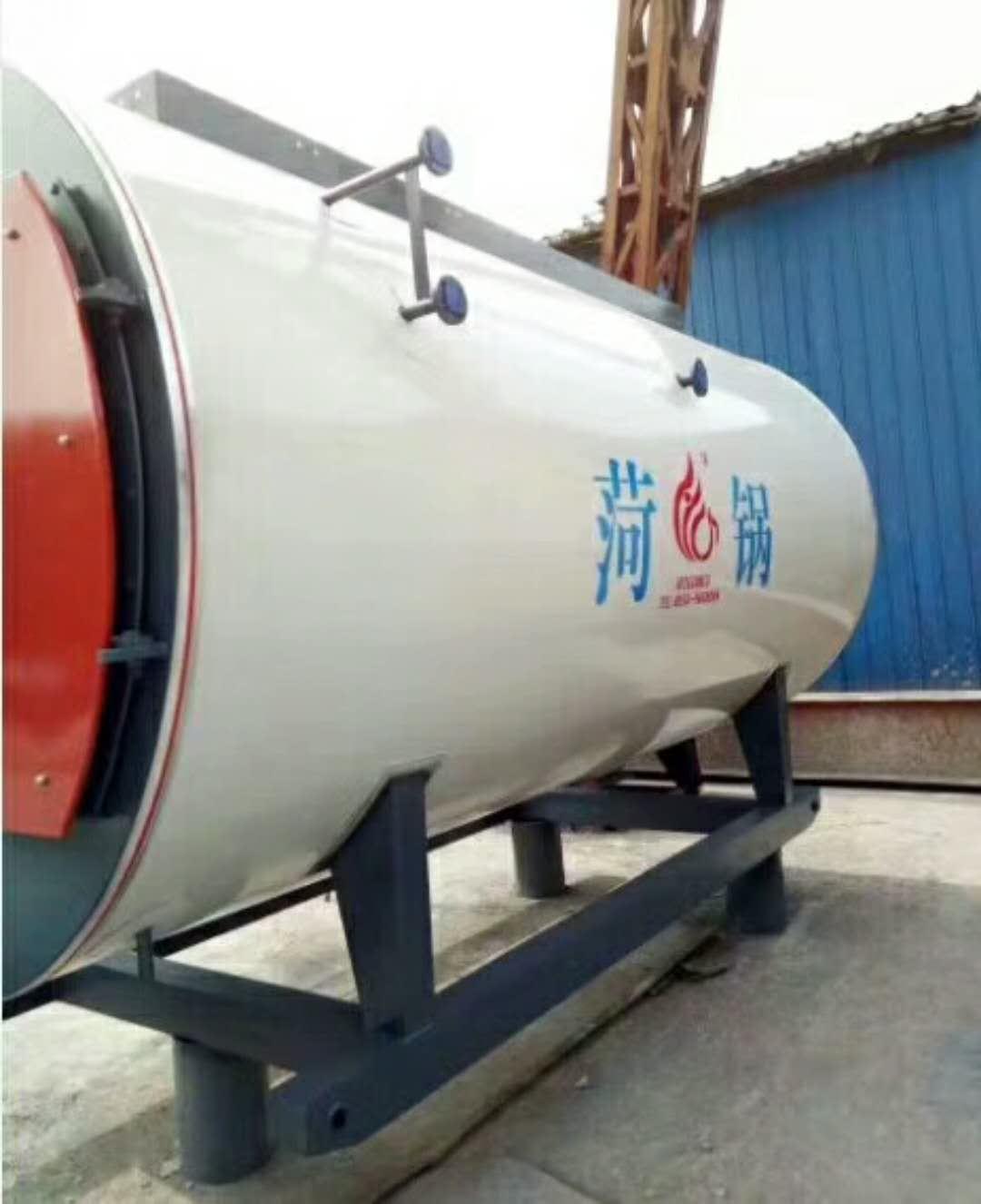
Zhangjiakou 8-ton gas boiler
