


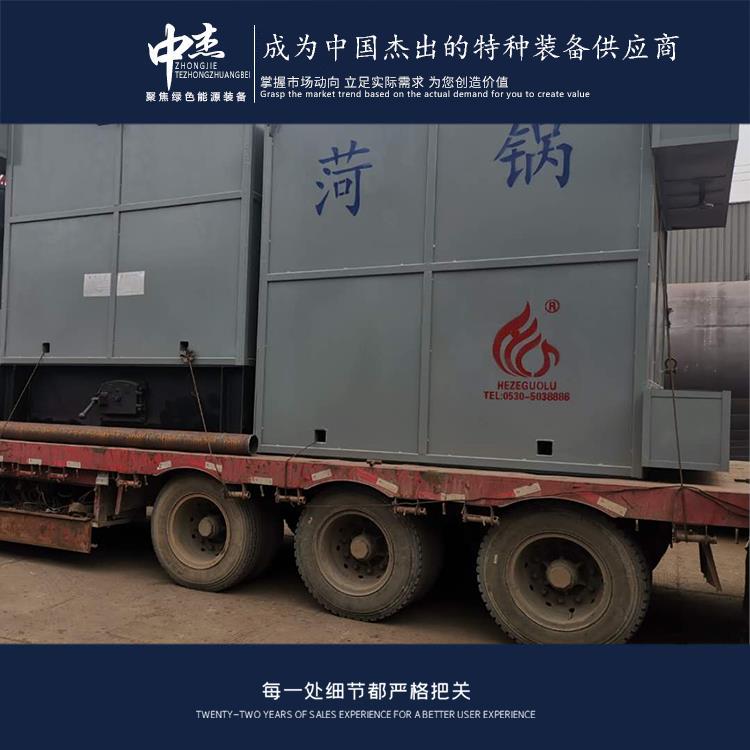

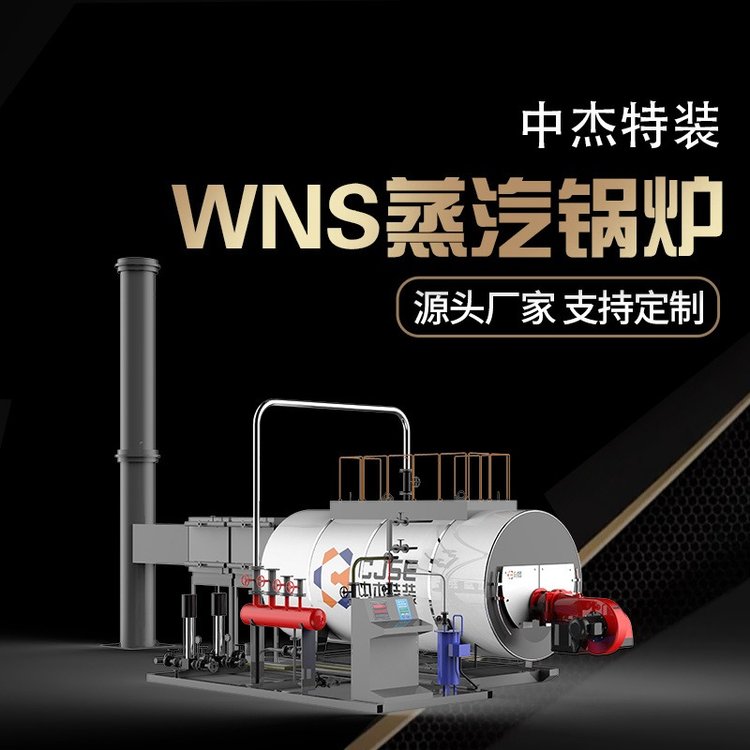
Shandong Zhongjie Special Equipment Co., Ltd. (formerly Heze Boiler Factory Co., Ltd.) holds an A-grade boiler manufacturing license, an A2-grade pressure vessel manufacturing license, an A2-grade pressure vessel design license, a B-grade boiler installation license, GB2 and GC2 class pressure pipeline installation licenses, and a mechanical and electrical equipment installation contracting qualification. It is a member of the China Boilers and Water Treatment Association, the China Chemical Equipment Association, and the理事 member of the Shandong Equipment Manufacturing Association. The company has also passed certifications for the ISO9001 Quality Management System, ISO14001 Environmental Management System, OHSAS18001 Occupational Health and Safety Management System, and the ASME/U2 certification.
Industrial Boiler Heat Oxidation Deaeration is a commonly used deaeration method, characterized by:
- Deaeration: Heat oxidation deaeration releases dissolved oxygen from boiler water by heating it, utilizing the heat to drive the oxygen out of the water. As the water temperature increases during the process, the solubility of oxygen decreases, allowing for effective oxygen removal from the water.
- No Chemicals Required: Unlike other deaeration methods, heat oxidation deaeration does not require the use of chemicals, thereby avoiding environmental pollution and equipment corrosion caused by chemicals. It also reduces operational costs and complexity.
- Automated Control: Heat oxidation deaeration can be achieved through an automated control system, which adjusts the water temperature and flow rate based on the boiler's operating conditions and water quality to achieve optimal deaeration results.
- Wide Application Range: Heat oxidation deaeration is suitable for various types of industrial boilers, including coal-fired, gas-fired, and oil-fired boilers. Whether for small or large boilers, heat oxidation deaeration can be used for deaeration treatment.
- Enhances Boiler Efficiency: Removing dissolved oxygen from the water can reduce corrosion and oxidation reactions within the boiler, extending its lifespan. Additionally, reducing the presence of oxygen can also improve the boiler's thermal efficiency and lower energy consumption.
- Note: While heat oxidation deaeration effectively removes oxygen from the water, it may not address other water quality issues such as hardness and alkalinity. Therefore, in practical applications, it is necessary to consider the water quality characteristics and boiler requirements to select an appropriate deaeration method.
Common issues and troubleshooting methods for gas boiler burners are as follows:
1. No flame or unstable flame: Check if the gas supply is normal and ensure the gas valve is open. Clean the burner nozzle to ensure the passage is clear. Inspect the ignition electrode for cleanliness, carbon buildup, or dirt. Adjust the gas-to-air ratio to ensure proper mixing.
2. Incomplete combustion or black smoke: Check if the gas supply is sufficient and adjust the gas pressure. Clean the burner nozzle and combustion chamber to ensure the passage is clear. Adjust the gas-to-air ratio to ensure proper mixing. Check for carbon buildup or dirt in the burner and clean or replace damaged parts.
3. Difficulty or failure to ignite: Inspect the ignition electrode for cleanliness, carbon buildup, or dirt. Adjust the position and gap of the ignition electrode to ensure normal spark generation. Check if the ignition transformer or controller is functioning properly, repair or replace damaged parts.
4. Abnormal noise from the burner: Check if the gas supply is normal and ensure the gas valve is open. Inspect the burner and combustion chamber for loose parts, tighten or replace damaged parts. Clean the burner and combustion chamber to ensure no carbon buildup or dirt.
If the above methods do not resolve the issue, it is recommended to contact a gas boiler maintenance professional for inspection and maintenance. Also, to ensure safety, follow the relevant safety operation procedures when using a gas boiler.
The gas steam boiler's annual gas consumption for one ton capacity depends on various factors, including the efficiency of the boiler, load conditions, and operating hours. Generally, it can be estimated using the following formula: Gas Consumption (m) = Boiler Efficiency × Rated Thermal Power × Operating Hours. Here, the boiler efficiency refers to the heat energy utilization efficiency of the boiler, usually expressed as a percentage; the rated thermal power is the boiler's rated thermal output, typically in kilowatts (kW); and operating hours are the boiler's operating time, usually measured in hours. It's important to note that the boiler's efficiency and rated thermal power can be determined based on the specific model and parameters of the boiler, while the operating hours need to be estimated based on actual usage. Therefore, to accurately calculate the annual gas consumption of a one-ton gas steam boiler, it is recommended to refer to the technical specifications and operating records of the boiler, or consult the boiler manufacturer or engineer.
To ensure safe operations of industrial boilers, attention should be given to the following aspects:
- Comply with laws and regulations: Understand and adhere to relevant laws, regulations, and standards, including those governing boiler safety management and standards for boiler use and maintenance, to ensure compliance throughout the operation process.
- Establish a comprehensive management system: Develop a robust industrial boiler safety management system, clarify responsibilities and authorities, and standardize operational procedures and safety measures. Create operational guidelines and emergency response plans to ensure orderly and safe operations.
- Training and education: Train and educate personnel involved in industrial boiler safety operations to enhance their safety awareness and skill levels. This includes training for operators, maintenance staff, and managers, all of whom should receive appropriate training.
- Regular inspections and maintenance: Conduct regular inspections and maintenance of industrial boilers to ensure proper functioning and safety performance. This includes checking and maintaining critical components such as the combustion system, water level control, safety valves, and pressure gauges.
- Safety equipment and accessories: Equip necessary safety equipment and accessories, such as safety valves, pressure gauges, water level indicators, and burners, ensuring their proper operation and effectiveness.
- Regular inspections and assessments: Regularly inspect and assess industrial boilers to ensure they meet safety requirements. This includes periodic pressure tests, water quality inspections, and combustion efficiency evaluations.
- Safety records and档案 management: Establish a comprehensive system for safety records and document management, recording operational status, maintenance logs, and accident records of industrial boilers. Ensure timely updates and preservation of relevant safety documentation.
- Regular drills and emergency response plans: Conduct regular safety drills and emergency response training to improve the ability to respond to emergencies and enhance the efficiency of emergency handling.
The above are basic points for ensuring safe operations of industrial boilers; specific operations should be carried out based on actual conditions and relevant requirements.
Zhongjie Special Equipment upholds the grand vision of "realizing employees' dreams, creating value for customers, and striving for the prosperity and strength of our motherland," and is dedicated to the development of the green energy equipment industry. We offer society high-quality products and services at competitive prices!
Jinchang Gas Boiler Manufacturer
