


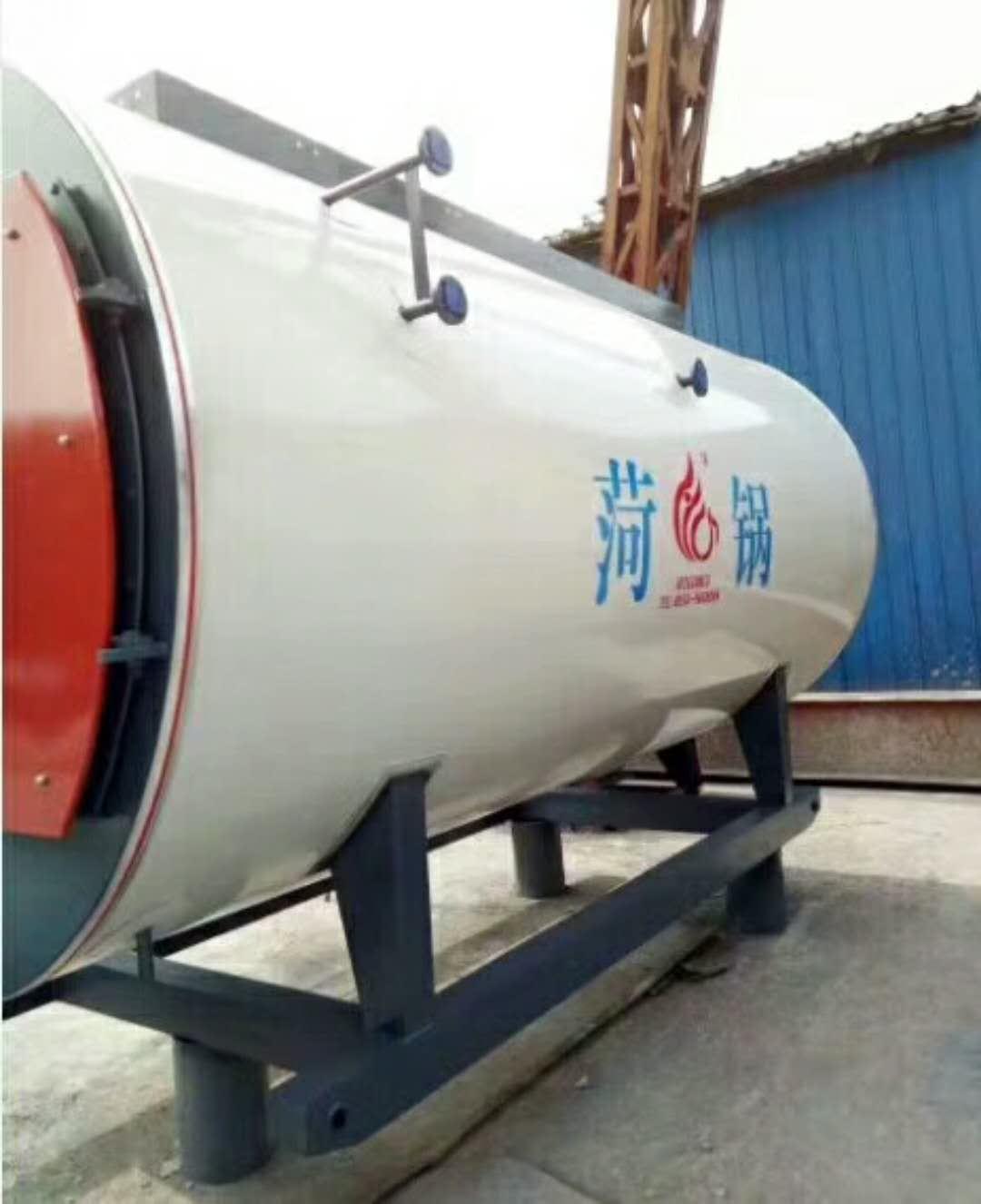


Shandong Zhongjie Special Equipment Co., Ltd. specializes in: fuel (gas) boilers, organic heat carrier boilers, biomass boilers, waste heat recovery boilers, and other boiler products; vacuum insulation cryogenic pressure vessels such as LNG tanks, oxygen/nitrogen/argon tanks, CO2 tanks; pressure vessel products including denitrification engineering equipment, heat storage and energy storage equipment, and complete chemical equipment; central air conditioning and HVAC equipment such as ground (water) source heat pumps, air source units, water-cooled screw units, and air-cooled modular units. Planned products include large-scale energy centers, LNG transport vehicles, LNG tank containers, and other green energy equipment.
When conducting routine inspections of CO2 storage tanks, follow these steps:
- Visual Inspection: Check for any visible damage, corrosion, or oil leakage on the tank's exterior. Pay attention to any abnormalities in the tank shell, valves, and pipe connections.
- Valve and Pipe Inspection: Verify that the tank's inlet and outlet valves and pipe connections are functioning properly, with no leaks or loose fittings. Ensure valves operate smoothly and reliably.
- Pressure Relief Device Inspection: Check that the tank's pressure relief devices (such as safety valves) are operating correctly. Confirm that the set pressure of the relief devices meets requirements.
- Level Measurement System Inspection: Assess the accuracy and reliability of the level measurement system. Calibrate the level sensors to ensure accurate level readings.
- Pressure and Temperature Inspection: Check that the tank's pressure and temperature sensors are functioning properly. Verify the accuracy of pressure and temperature measurements.
- Safety Equipment Inspection: Examine the tank's safety equipment, such as safety valves, pressure sensors, and temperature sensors, to ensure they are working correctly. Confirm that their set parameters meet requirements.
- Fire Protection Equipment Inspection: Ensure that fire protection equipment around the tank is in good condition and check that fire extinguishers, sprinkler systems, etc., are functioning properly.
- Liquid and Gas Quality Inspection: Confirm that the quality of CO2 liquid and gas in the tank meets specifications, with no impurities or contaminants.
- Documentation and Reporting: Record the date of inspection, contents of the inspection, identified issues, and actions taken. Submit inspection reports to relevant departments or management as needed.
These are general steps for routine CO2 storage tank inspections. Specific procedures should be adapted to the tank's characteristics and requirements. When conducting inspections, follow relevant safety operating procedures and have trained personnel perform the operations.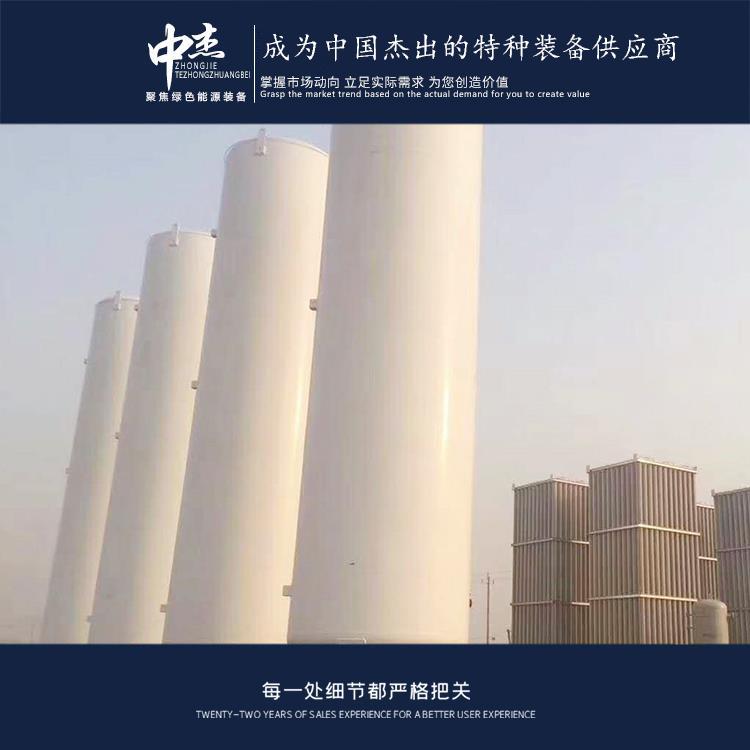
A Carbon Dioxide Storage Tank Pressure Maintenance System is a system designed to maintain the internal pressure of a carbon dioxide storage tank. As carbon dioxide is in a gaseous state at room temperature, it needs to be compressed into a liquid state for storage to increase density. The primary function of the pressure maintenance system is to monitor and regulate the internal pressure of the tank, ensuring that the carbon dioxide remains within a safe and stable pressure range. The system typically consists of the following components:
- Pressure Sensors: Installed inside the tank, they monitor the pressure in real-time and transmit pressure signals to the control system.
- Control System: Receives signals from the pressure sensors and controls them based on a pre-set pressure range. When the pressure inside the tank exceeds or falls below the set range, the control system triggers the appropriate control measures.
- Pressure Regulating Valve: Adjusts the pressure inside the tank according to the control system's instructions. When pressure is too high, the valve opens to release some gas to lower the pressure. When pressure is too low, the valve closes to prevent further gas release, thereby increasing the pressure.
- Pressure Reserve Unit: Usually a pressure vessel used to store additional gas for extra pressure support when needed. When the pressure inside the tank drops, the reserve unit releases gas to maintain the tank's pressure.
Through the coordinated work of these components, the Carbon Dioxide Storage Tank Pressure Maintenance System ensures that the pressure inside the tank remains within a safe and stable range. This is crucial for the normal operation and safety of the tank.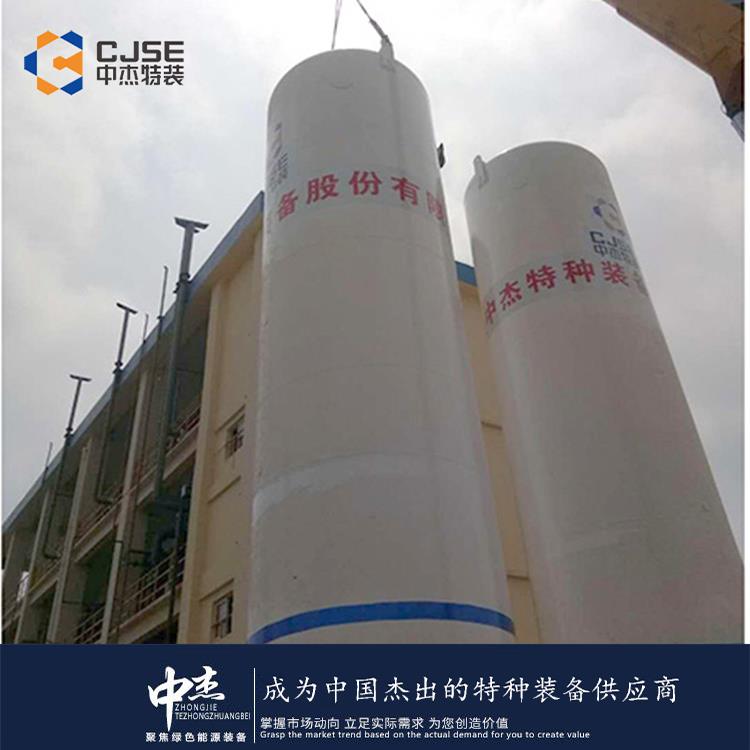
Carbon dioxide storage tanks possess the following characteristics:
- High-pressure vessels: Carbon dioxide storage tanks are typically designed as high-pressure vessels, capable of withstanding high pressure. This is because carbon dioxide requires a high pressure at room temperature to maintain its liquid state.
- High oxidizing properties: Carbon dioxide has a high oxidizing nature, capable of supporting combustion. Therefore, when using and storing carbon dioxide, precautions must be taken to prevent contact to avoid the risk of fire and explosion.
- Low-temperature storage: Carbon dioxide exists as a gas at room temperature but can be compressed into a liquid at lower temperatures. Thus, carbon dioxide storage tanks usually need to have excellent insulation properties to maintain the low-temperature liquid state of the stored carbon dioxide.
- High density: Liquid carbon dioxide has a high density, allowing for the storage of large volumes of carbon dioxide in a relatively small volume. This makes carbon dioxide storage tanks useful in scenarios requiring substantial carbon dioxide supply.
- Safety valves and pressure control: To ensure the internal pressure of the tank remains within a safe range, carbon dioxide storage tanks are commonly equipped with safety valves and pressure control devices. These devices monitor and control the internal pressure of the tank to prevent excessive pressure from causing tank rupture.
- Corrosiveness: Carbon dioxide has some corrosive properties, especially in high humidity environments. Therefore, the materials and corrosion prevention measures of the tank need to consider the corrosiveness of carbon dioxide to ensure the tank's durability and safety.
These characteristics make carbon dioxide storage tanks widely applicable in many industries, such as the food and beverage industry, fire suppression, gas industry, etc. When using carbon dioxide storage tanks, it is necessary to follow relevant safety operation procedures and standards to ensure operational safety.
When planning carbon dioxide storage tanks, consider the following requirements:
- Safety Distance: Tanks should maintain adequate safety distances from surrounding buildings, equipment, and personnel to prevent injuries and losses in case of accidents. Specific safety distance requirements can be defined according to local regulations and standards.
- Tank Capacity: Determine the tank's capacity based on actual needs and usage. The choice of capacity should consider factors such as CO2 usage, storage duration, and supply requirements.
- Tank Layout: The layout should facilitate operation and maintenance while meeting safety and environmental protection requirements. Sufficient spacing between tanks should be ensured for ease of operation and maintenance.
- Tank Material: Select appropriate materials for tank construction to ensure corrosion and pressure resistance. Common materials include carbon steel and stainless steel.
- Safety Equipment: Tanks should be equipped with necessary safety equipment, such as safety valves, pressure and temperature sensors, to ensure safe operation.
- Leak Protection: Measures should be taken to prevent CO2 leaks, such as sealed valves and leak detection systems. Corresponding leak handling procedures and emergency plans should also be in place.
- Environmental Impact Assessment: Conduct an environmental impact assessment when planning tanks to evaluate their impact on the surrounding environment and take appropriate measures for environmental protection.
- Regulations and Standards: Adhere to local regulations and standards when planning tanks, including building codes, safety specifications, and environmental protection requirements.
- Note: The planning of carbon dioxide storage tanks should be carried out by engineers or relevant agencies to ensure compliance with safety and environmental protection requirements. Consulting local authorities for advice and guidance is also necessary.
Zhongjie Special Equipment adheres to the grand vision of "realizing employees' dreams, creating value for customers, and striving for the prosperity and strength of our motherland," and is dedicated to the development of the green energy equipment industry. We commit to society with high-quality products and services at competitive prices!
Cangzhou 100 Cubic CO2 Storage Tank - Over 20 Years of Experience for Added Peace of Mind
