


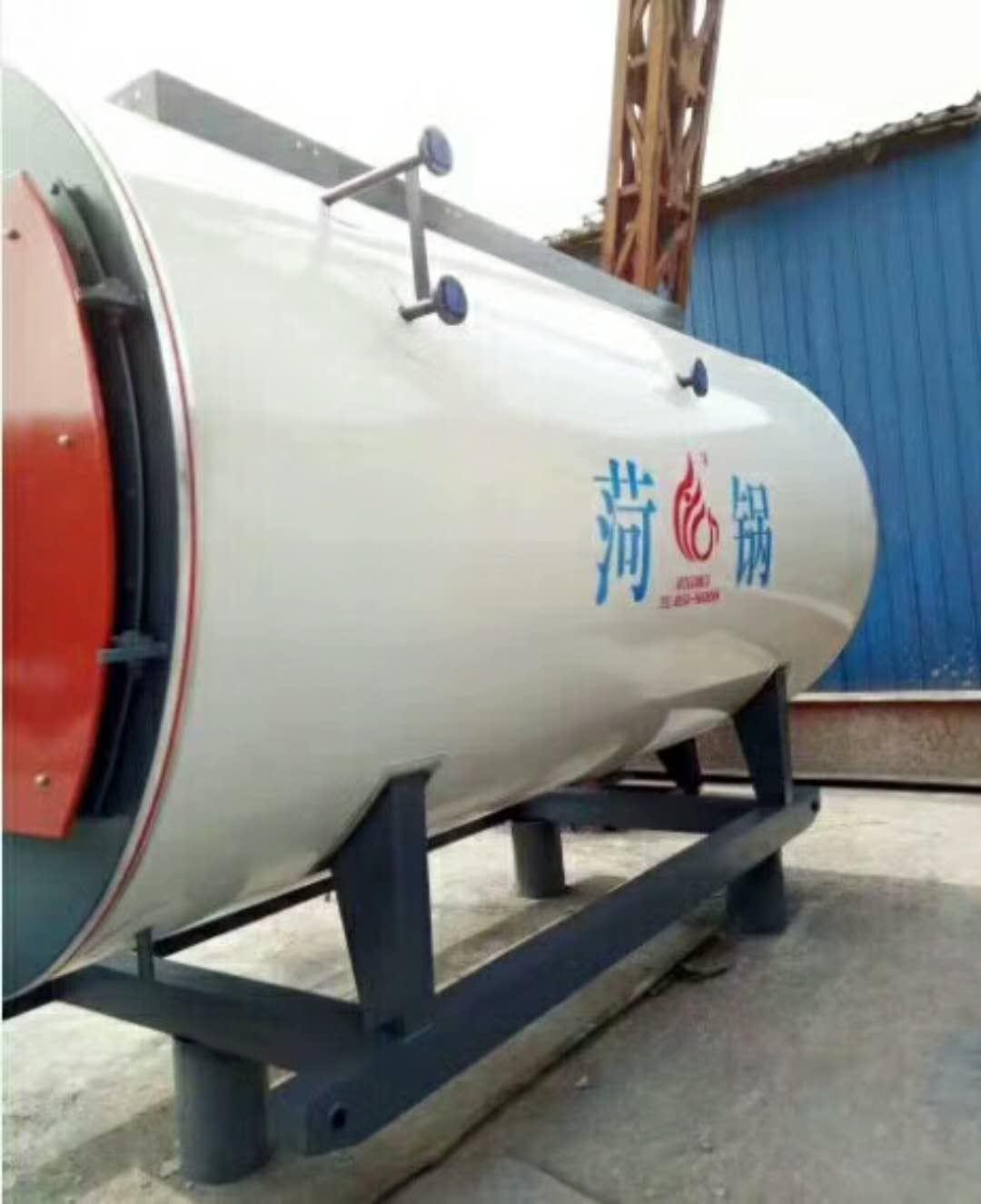

Shandong Zhongjie Special Equipment (formerly Heze Boiler Factory Co., Ltd.) holds an A-grade boiler manufacturing license, an A2-grade pressure vessel manufacturing license, an A2-grade pressure vessel design license, a B-grade boiler installation license, and GB2/Class GC2 pressure pipeline installation licenses, as well as a qualification for electromechanical equipment installation contracting. It is a member of the China Boiler and Water Treatment Association, the China Chemical Equipment Association, and the director unit of the Shandong Equipment Manufacturing Association. The company has also passed the ISO9001 Quality Management System, ISO14001 Environmental Management System, OHSAS18001 Occupational Health and Safety Management System certifications, and the American ASME/U2 certification.
Carbon dioxide storage tanks' standard specifications can vary depending on different design and application requirements. Here are some common standard parameters:
- Tank Capacity: The capacity of carbon dioxide storage tanks is typically expressed in kiloliters (L) or cubic meters (m). Common capacity ranges vary from a few thousand to tens of thousands of liters.
- Working Pressure: The working pressure of carbon dioxide storage tanks is usually around 20 to 25 MPa (megapascals) at normal temperatures, with specific pressure determined by application needs and design standards.
- Design Temperature: The design temperature of carbon dioxide storage tanks is usually within the low-temperature range, generally between -40°C to -60°C, to accommodate the liquefaction and storage requirements of carbon dioxide.
- Material: Carbon dioxide storage tanks are commonly made of high-strength steel or alloy materials to withstand stress and loads under high pressure and low-temperature environments.
- Insulation Layer: The tank interior is equipped with an insulation layer to reduce heat transfer and liquid evaporation. The insulation layer is typically a multi-layer structure, including thermal insulation materials and an external protective layer.
- Safety Valve and Pressure Relief Devices: The tank is equipped with a safety valve and pressure relief devices to control internal tank pressure and prevent overpressure and explosion.
- Level Monitoring and Control: The tank is fitted with level monitoring equipment to monitor the liquid level inside the tank. Timely monitoring and control of the level ensure the liquid stored within the tank is within a safe range.
- Note that specific standard parameters for carbon dioxide storage tanks may vary due to different design standards, application requirements, and manufacturers. When selecting and using carbon dioxide storage tanks, it is important to consider these factors.
In recent years, the surge in the development of low-temperature liquid storage tanks can be attributed to the following factors:
1. Increased energy demand: As the economy grows and the population expands, the demand for energy continues to rise. Low-temperature liquid storage tanks are primarily used for storing liquefied natural gas (LNG), liquid oxygen (LOX), liquid nitrogen (LIN), and other low-temperature liquid energy sources to meet the growing energy needs.
2. Greenhouse gas emission reduction: These tanks can store and transport liquid carbon dioxide (CO2) for carbon capture and storage (CCS) technologies, reducing greenhouse gas emissions. With growing concern for environmental protection and climate change, the demand for low-temperature liquid storage tanks in the CCS field has also increased.
3. Industrial development needs: The application of low-temperature liquid storage tanks in the industrial sector is also on the rise. For instance, in industries like chemicals, pharmaceuticals, food and beverages, there is a need to store and transport low-temperature liquid raw materials or products, such as liquid nitrogen, liquid oxygen, and liquid ethylene. As these industries develop, so does the demand for low-temperature liquid storage tanks.
4. Technological advancement and innovation: In recent years, there have been continuous advancements and innovations in the design, manufacturing, and transportation of low-temperature liquid storage tanks. The application of new materials, optimization of tank structures, and improvements in safety control systems have made these tanks safer and more reliable, further propelling their peak development.
In summary, factors such as increased energy demand, greenhouse gas emission reduction, industrial development needs, and technological advancement and innovation have collectively driven the peak development of low-temperature liquid storage tanks in recent years. As related industries develop and technology progresses,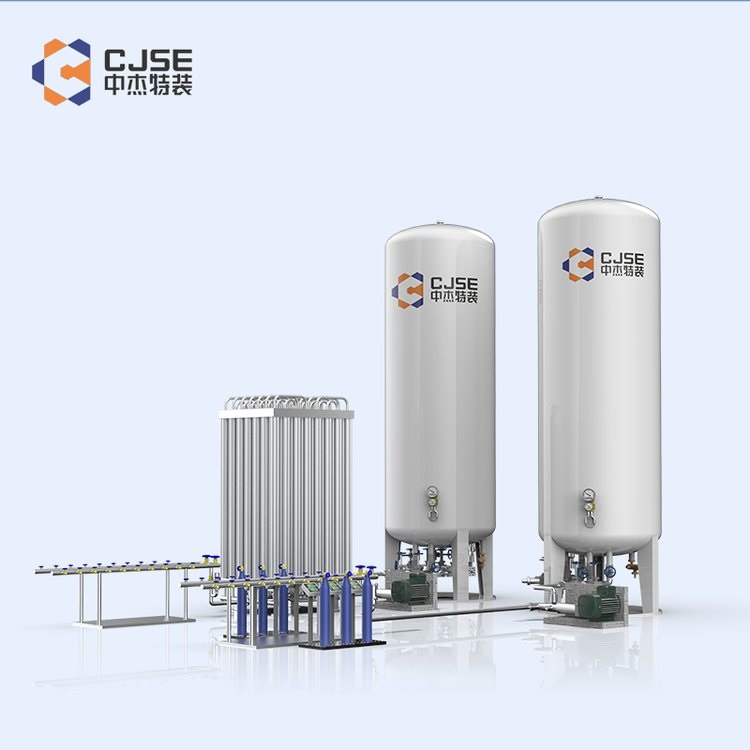
二氧化碳储罐在使用过程中可能会遇到一些常见问题,需要进行维修和处理。以下是一些常见的问题和相应的维修方法: 泄漏问题:储罐可能出现泄漏,导致二氧化碳的损失和安全隐患。维修方法包括检查和更换密封件、修复或更换泄漏的管道和阀门等。 腐蚀问题:储罐的外壁和内壁可能会受到腐蚀,影响储罐的结构和安全性。维修方法包括清洗和修复腐蚀部位,涂覆防腐涂层,或者更换受损的部件。 压力问题:储罐的压力可能出现异常,过高或过低,影响储罐的正常运行。维修方法包括检查和调整压力控制系统,修复或更换压力传感器、安全阀等。 温度问题:储罐的温度可能出现异常,过高或过低,影响二氧化碳的储存和使用。维修方法包括检查和调整温度控制系统,修复或更换温度传感器、冷却设备等。 控制系统问题:储罐的控制系统可能出现故障,导致无常控制和监测储罐的运行状态。维修方法包括检查和修复控制系统的电气元件、传感器、仪表等。 需要注意的是,对于二氧化碳储罐的维修和处理,应由的技术人员进行操作,并遵循相关的安全操作规程和标准。在维修过程中,应确保储罐的安全性和稳定性,以及维修过程的安全性。好咨询工程师或储罐制造商的建议和指导。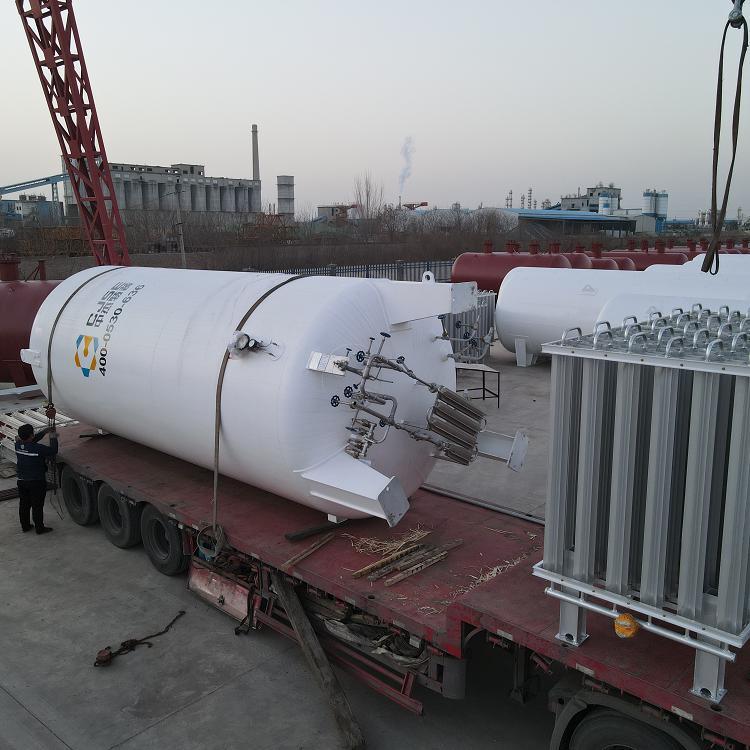
Carbon dioxide storage tanks feature the following safety technical characteristics:
- High-intensity materials: Carbon dioxide tanks are commonly made of high-strength steel or alloy materials to withstand stress and load under high pressure and low-temperature conditions.
- Safety valves and pressure relief devices: The tanks are equipped with safety valves and pressure relief devices to control internal pressure and prevent overpressure and explosion. When the internal pressure exceeds the set value, the safety valve will automatically open to release pressure.
- Insulation layer: The tanks have an insulation layer internally to reduce heat transfer and liquid evaporation. The insulation layer is typically a multi-layer structure, including thermal insulation materials and an external protective layer, to maintain a stable internal temperature.
- Level monitoring and control: The tanks are fitted with level monitoring devices to monitor the liquid level inside. Timely monitoring and control of the level ensure the liquid stored in the tank is within a safe range.
- Fire and explosion prevention measures: The tanks implement fire and explosion prevention measures such as fire-resistant coatings, fire-isolation areas, and explosion-proof devices to prevent fires and explosions.
- Leak detection and alarm system: The tanks are equipped with a leak detection and alarm system to promptly detect and alert of any leaks. Quick response and handling can reduce the safety risks caused by leaks.
- Regular inspections and maintenance: Tanks require regular inspections and maintenance, including external checks, valve overhauls, and pressure tests, to ensure safety and reliability.
Note that the specific safety technical characteristics of carbon dioxide storage tanks may vary depending on the type of tank and application. When using carbon dioxide storage tanks, relevant regulations and standards should be followed.
Shandong Zhongjie Special Equipment, welcome customers to visit our factory for cooperation discussions.
Chifeng Carbon Dioxide Storage Tank Prices, Comprehensive After-Sales Service
