


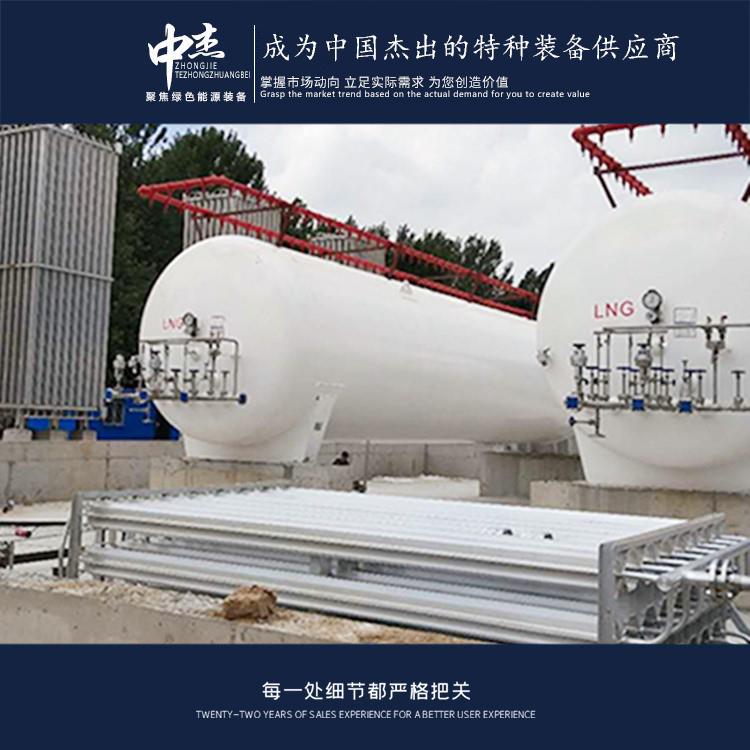

Shandong Zhongjie Special Equipment (formerly Heze Boiler Factory Co., Ltd.) holds an A-grade boiler manufacturing license, A2-grade pressure vessel manufacturing license, A2-grade pressure vessel design license, B-grade boiler installation license, and GB2/Class GC2 pressure pipeline installation license, as well as a qualification for equipment and machinery installation contracting. It is a member of the China Boiler and Water Treatment Association, the China Chemical Equipment Association, and the Council Member of the Shandong Equipment Manufacturing Association. The company has also passed the ISO9001 Quality Management System, ISO14001 Environmental Management System, OHSAS18001 Occupational Health and Safety Management System certifications, and the ASME/U2 certification.
When applying paint to carbon dioxide storage tanks, attention should be given to the following issues: Surface Preparation: Prior to painting, thorough surface preparation of the tank is essential. This involves cleaning the surface, removing grease, dirt, and old coatings to ensure the paint adheres properly and maintains quality. Paint Selection: Choosing the right paint for carbon dioxide storage tanks is crucial. The paint should be corrosion-resistant, heat-resistant, and chemical-resistant to protect the tank surface from corrosion and damage. Painting Techniques: The selection and operation of painting techniques are vital for the quality and evenness of the coating. Appropriate painting equipment and methods should be chosen to ensure the paint covers the entire tank surface evenly, avoiding drips and sagging. Coating Thickness: The thickness of the coating is critical for the tank's protection. The thickness should be controlled according to the paint requirements and the tank's operating environment to ensure the coating's protective performance and lifespan. Drying and Curing: After the coating is applied, sufficient time must be allowed for drying and curing. Follow the correct drying time and conditions as per the paint requirements to ensure the coating's quality and performance. Safety Measures: Appropriate safety measures must be taken during the painting process, including wearing protective eyewear, respirators, and protective clothing to ensure the safety of the operators. Quality Inspection: After painting is complete, a quality inspection should be conducted, including the appearance, adhesion, and thickness of the coating. Any issues or defects should be repaired and addressed promptly. It should be noted that painting carbon dioxide storage tanks should be performed by professionals.
In accordance with China's "Regulations for Safety Supervision of Pressure Vessel Technologies," carbon dioxide storage tanks are classified as Category II pressure vessels. The regulations categorize pressure vessels into the following types:
- Category I pressure vessels: Those with working pressures of 10 MPa (megapascals) or higher, such as steam boilers and pressure vessels.
- Category II pressure vessels: Those with working pressures between 0.1 MPa and 10 MPa, such as air compressors and liquefied gas storage tanks.
- Category III pressure vessels: Those with working pressures between 0.05 MPa and 0.1 MPa, such as storage tanks.
- Category IV pressure vessels: Those with working pressures below 0.05 MPa, such as gas cylinders.
Based on this classification, carbon dioxide storage tanks typically have working pressures above 0.1 MPa, thus falling into Category II. It's important to note that specific classification criteria may vary due to different regional regulations and standards. When using and managing carbon dioxide storage tanks, it is necessary to comply with the corresponding regulatory and standard requirements.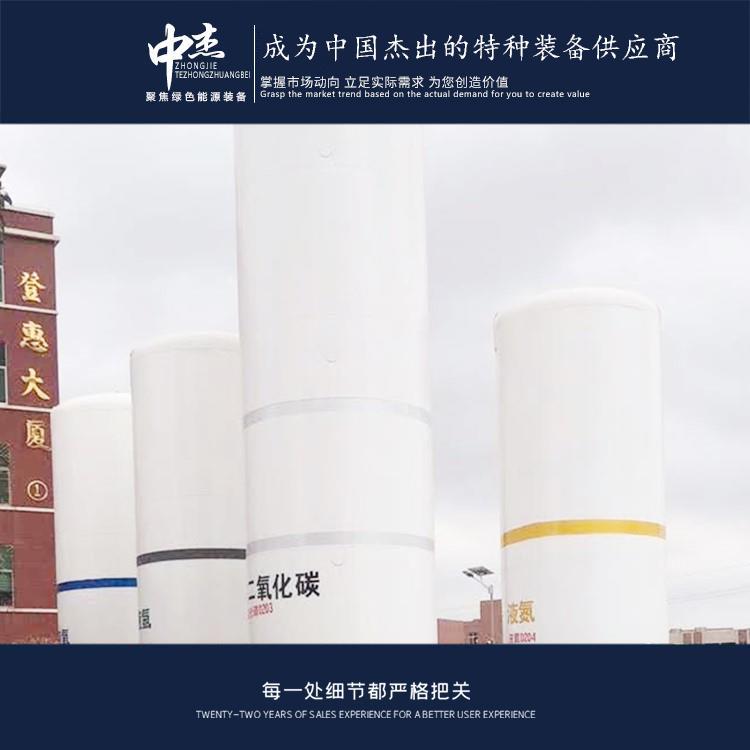
For the maintenance of carbon dioxide storage tanks, here are some recommended methods:
Regular Inspections: Conduct regular checks of the tank's exterior and interior condition, including for corrosion, cracks, and leaks. Non-destructive testing methods, such as ultrasonic testing, can be used to assess the tank's integrity.
Cleaning and Corrosion Protection: Regularly clean the tank's exterior to remove dirt and debris. For tanks coated with corrosion-resistant paint, regularly inspect the coating's condition and repair or recoat as needed to protect the tank from corrosion.
Leak Detection: Perform regular leak checks to ensure there are no leakage issues. Use gas detectors or leak detectors for the inspection, or conduct pressure tests to evaluate the tank's sealing performance.
Safety Valve Inspection: Regularly check and test the operational status of safety valves to ensure they function properly under overpressure conditions. Adjust and test according to the specifications and requirements of the safety valves.
Pipe and Valve Maintenance: Regularly inspect and maintain the pipes and valves connected to the tank to ensure their proper operation and sealing performance. Clean and lubricate valves, and check for leaks at pipe connections.
Documentation: Record the dates, contents, and results of maintenance, establishing a maintenance record for the tank. Keep relevant documents and reports for future reference and review.
Please note that for the maintenance of carbon dioxide storage tanks, it is recommended to follow relevant safety operating procedures and standards. If you do not have the necessary knowledge and experience, it is advisable to consult professionals or manufacturers for maintenance work.
When cooling carbon dioxide storage tanks, pay attention to the following points and understand the basic steps of the cooling process:
Precautions:
- Safety: Pay attention to safety during the cooling process to ensure the safety of the operators and the surrounding environment. Adhere to relevant safety operating procedures and standards and use appropriate personal protective equipment.
Equipment Selection: Choose appropriate cooling equipment and tools, such as cooling mediums (e.g., liquid nitrogen), coolers, cooling systems, etc. Select the appropriate cooling equipment based on the size and requirements of the tank.
Temperature Control: Control the temperature during the cooling process to avoid overcooling or insufficient temperature. Determine the appropriate cooling temperature range based on the design requirements and working conditions of the tank.
Cooling Process Analysis:
- Preparation: Ensure that there are no residual gases or impurities inside the tank to avoid affecting the cooling effect. Check the tank's seal and the operation of the safety valve.
Coolant Injection: Inject the cooling medium (e.g., liquid nitrogen) into the tank to lower the tank's temperature. Control the injection speed and quantity during the injection process to avoid over-injection causing excessive pressure.
Cooling Time: Determine the cooling time based on the tank's size and requirements. The cooling time usually needs to be long enough to ensure that the carbon dioxide inside the tank is fully cooled and liquefied.
Temperature Monitoring: Regularly monitor the tank's temperature during the cooling process to ensure it is within the appropriate range. Use temperature sensors or infrared thermometers and other equipment for monitoring.
Cooling Completion: The cooling process is complete when the tank's temperature reaches the predetermined cooling requirements. At this point, the carbon dioxide inside the tank should be in a liquid state.
Note that specific cooling processes and steps may vary due to different tank designs and usage scenarios. When conducting cooling operations, adhere to relevant safety operating procedures and standards to ensure safety and effectiveness.
Zhejiang Jie Te Zhuang upholds the great vision of "realizing employees' dreams, creating customer value, and striving for the prosperity and strength of our motherland," and is dedicated to the development of green energy equipment. We commit to society with high-value products and services!
Zhaotong 40 cubic CO2 storage tank, made of 304 stainless steel
