


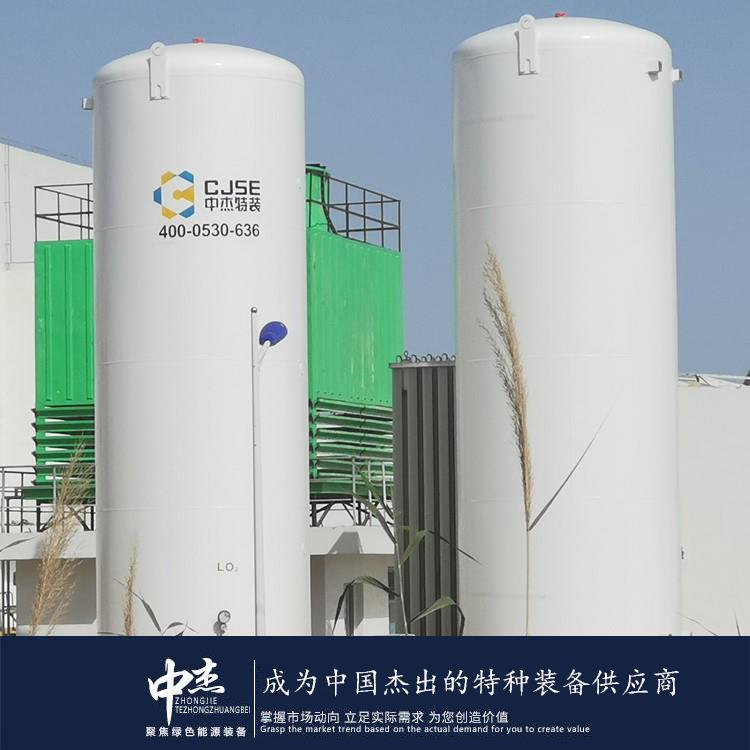
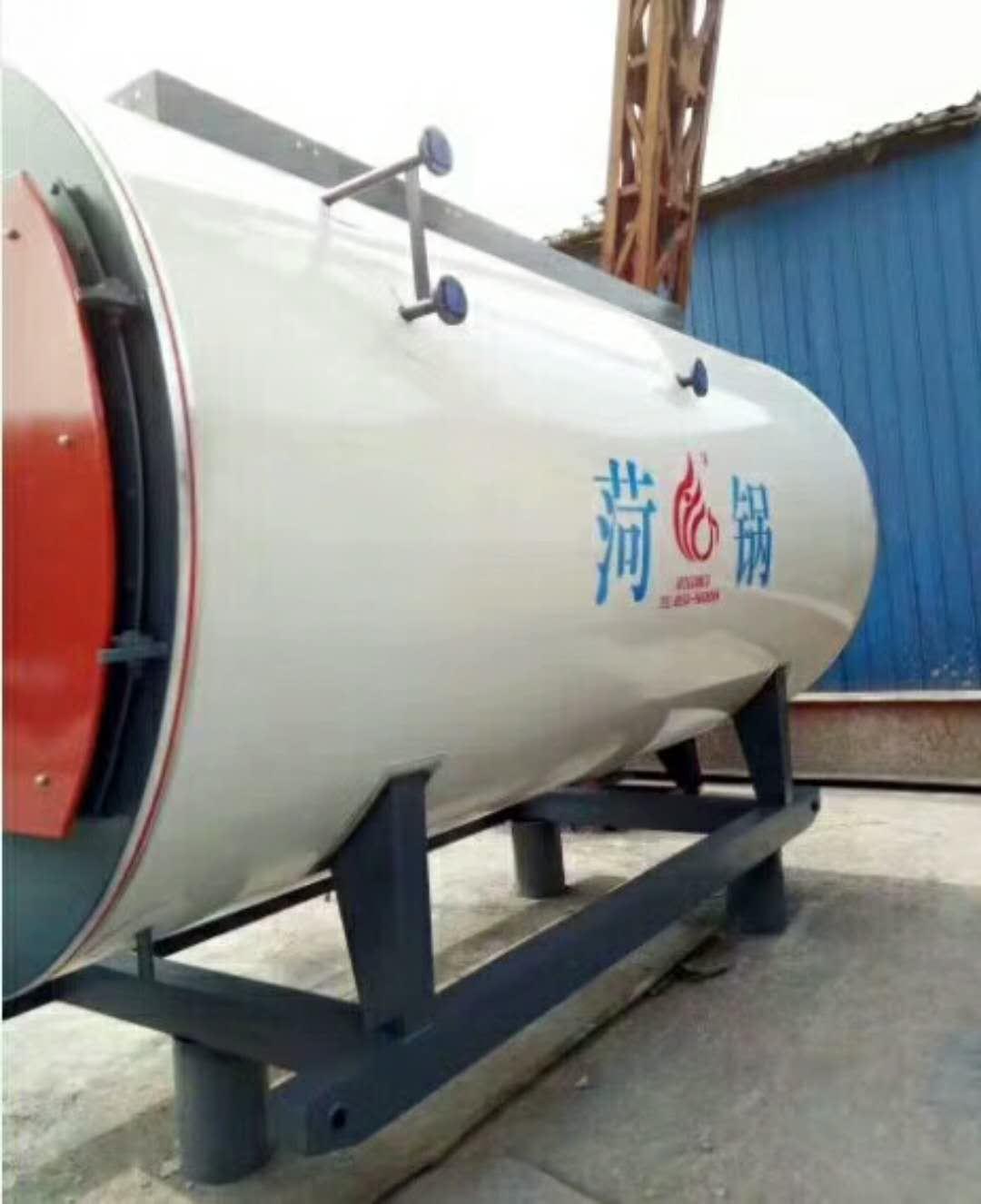

Shandong Zhongjie Special Equipment (formerly Heze Boiler Factory Co., Ltd.) holds an A-grade boiler manufacturing license, an A2-grade pressure vessel manufacturing license, an A2-grade pressure vessel design license, a B-grade boiler installation license, and GB2/Class and GC2/Class pressure pipeline installation licenses, as well as a qualification for the installation and construction of electromechanical equipment. It is a member of the China Boiler and Water Treatment Association, the China Chemical Equipment Association, and the director unit of the Shandong Equipment Manufacturing Association. The company has also passed certifications for the ISO9001 Quality Management System, ISO14001 Environmental Management System, OHSAS18001 Occupational Health and Safety Management System, and the American ASME/U2 certification.
Technical specifications for carbon dioxide storage tanks can be formulated based on different application fields and/or regional standards. Below are some common technical specifications and standards for reference:
ASME Standards: The American Society of Mechanical Engineers (ASME) has issued a series of standards for pressure vessels, including specifications for carbon dioxide storage tanks such as ASME BPVC Section VIII Division 1 and ASME BPVC Section VIII Division 2.
ISO Standards: The International Organization for Standardization (ISO) has published some standards related to pressure vessels, such as ISO 9809-1 and ISO 9809-2, covering design, manufacturing, and inspection requirements for steel gas cylinders.
GB Standards: The China National Bureau of Standards has issued a series of standards related to pressure vessels, such as GB 150 "Pressure Vessels" and GB 5099 "Steel Gas Cylinders," including design, manufacturing, and inspection requirements for carbon dioxide storage tanks.
DOT Standards: The United States Department of Transportation (DOT) has issued some standards related to pressure vessels and cylinders, such as DOT-3AA and DOT-4BA, covering design, manufacturing, and transportation requirements for liquefied gas storage tanks.
EN Standards: The European Committee for Standardization (CEN) has published some standards related to pressure vessels, such as EN 13445 and EN 14382, covering design, manufacturing, and inspection requirements for liquefied gas storage tanks.
Additionally, other industry-specific standards and specifications may apply to carbon dioxide storage tanks based on specific application needs, such as standards related to the food and beverage industry, and industry-specific standards.
When using carbon dioxide storage tanks, appropriate technical specifications should be selected based on specific application requirements and local regulations, ensuring that the design, manufacturing, and use of the tanks comply with the relevant standards and specifications.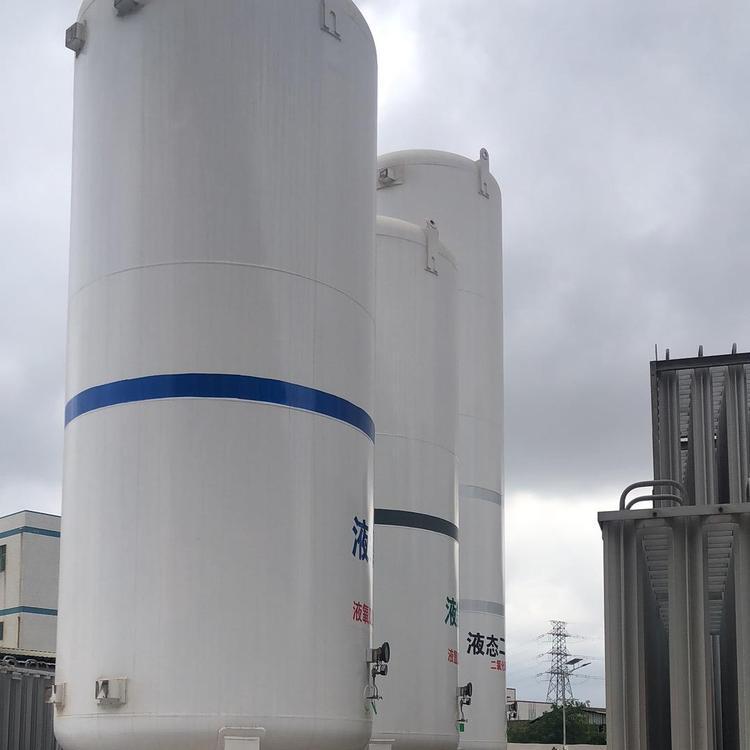
Installation and operation of low-temperature carbon dioxide storage tanks must adhere to the following requirements:
Installation Location Selection: When selecting the installation location for the tank, consider its weight and dimensions to ensure a solid and stable foundation. Additionally, maintain a safe distance from flammable and explosive materials and high-temperature sources to ensure safety.
Safety Distance: Maintain a certain safety distance around the tank for routine inspections, maintenance, and emergency response. The safety distance should comply with relevant safety regulations and standards.
Connection Pipes: Use appropriate connection methods between the tank and pipes to ensure tight and reliable connections with no leaks. The connection pipes should meet relevant standards and specifications.
Pressure Relief Devices: The tank should be equipped with pressure relief devices, such as safety valves, to control internal tank pressure. The set pressure of the pressure relief devices should comply with relevant requirements and be inspected and maintained regularly.
Sealing Inspection: Regularly inspect the tank's sealing performance to ensure no leaks. Pay special attention to the sealing of valves, pipe connections, and the tank itself.
Temperature Control: Temperature control is required for low-temperature carbon dioxide storage tanks to maintain the internal low-temperature state. Ensure the surrounding environmental temperature is suitable and take corresponding insulation measures.
Safety Protection: Set up appropriate safety protection facilities around the tank, such as guardrails and warning signs, to remind personnel of safety and prevent unauthorized access to the tank.
Storage Capacity Control: Control the storage capacity of the tank according to actual needs to avoid exceeding the rated capacity. Exceeding the rated capacity may cause excessive tank pressure, increasing safety risks.
Storage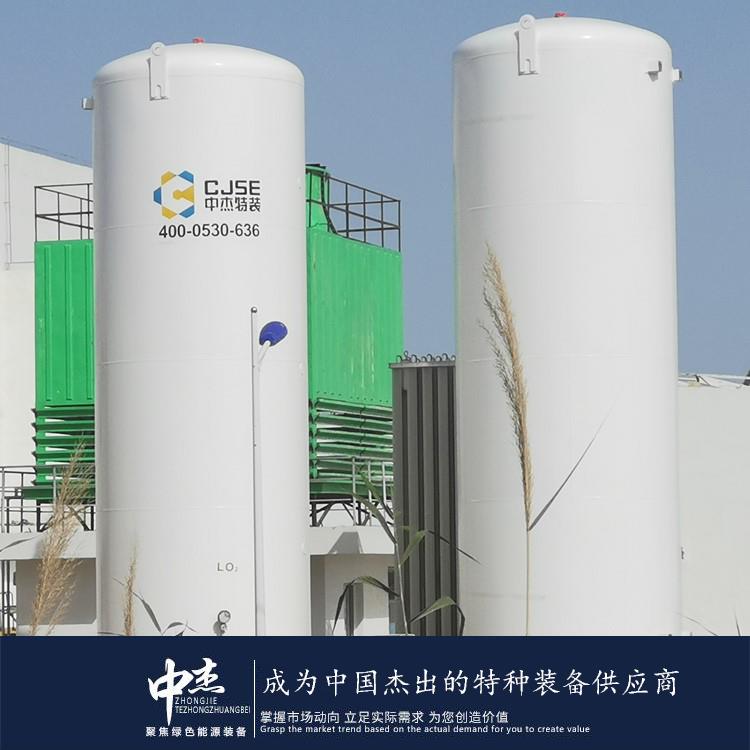
Prior to using a CO2 storage tank, the following preparations must be made:
Safety Inspection: Conduct a thorough safety check of the tank before use to ensure there are no visible damages, corrosion, or leaks. Inspect the tank's exterior, valves, and connecting pipes to confirm they are intact and undamaged.
Tank Cleaning: Ensure the tank is clean both internally and externally. Remove any debris, dirt, and residues to ensure no substances could affect the quality or safety of the CO2.
Connecting Pipes: Verify the connections between the tank and associated pipes to ensure they are securely fastened and sealed. Check the valve and pipe operating states to ensure they are in the correct position.
Pressure Check: Inspect the tank's pressure to ensure it remains within a safe range. Use a pressure gauge or other pressure detection equipment if necessary.
Ventilation and Safety Measures: Ensure adequate ventilation around the tank to prevent CO2 accumulation. Follow relevant safety operating procedures and measures during use, such as wearing personal protective equipment and avoiding open flames.
Tank Labeling: Label the tank with relevant information, such as the type of gas stored, pressure rating, and capacity. This assists operators in correctly identifying and handling the tank.
Please note that these preparations may vary depending on the specific type of tank and usage scenario. Before using a CO2 storage tank, it is recommended to refer to the relevant safety operation manuals and guidelines to ensure safe and correct operation.
Carbon dioxide storage tanks fall under the category of pressure vessels. Pressure vessels are sealed containers designed to withstand internal pressure for storing and transporting gases, liquids, or mixtures. A carbon dioxide storage tank is a pressure vessel specifically designed for storing and transporting carbon dioxide, featuring special design and structure to ensure safe storage and use of carbon dioxide. Depending on design and application, carbon dioxide storage tanks can be either vertical or horizontal, with different capacities and pressure ratings. When using carbon dioxide storage tanks, it is necessary to comply with relevant regulations and standards to ensure their safe operation and use.
Our company attaches great importance to technological innovation and R&D design. We have one municipal-level enterprise technology center in Heze City, equipped with testing facilities for non-destructive testing, physical and chemical testing, welding testing, hydrostatic testing, etc. We have over 600 types of equipment, including CNC machine tools, X-ray flaw detectors, digital ultrasonic flaw detectors, mechanical property testing machines, chemical analyzers, spectrometers, tensile testing machines, plasma welding machines, and more. The key products we have developed, such as temperature and pressure vessel welding, biomass boiler emission reduction, and waste heat utilization, have successively been included in multiple Shandong Provincial Department of Industry and Information Technology science and technology innovation projects, Shandong Provincial key projects, and Heze City innovation and excellence projects. We have accumulated 27 authorized utility models, 16 authorized inventions, participated in drafting 2 standards, 2 industry standards, and registered 15 trademarks. Our technical team, in collaboration with Professor Yajiang Li of Shandong University, has developed deep cryogenic container processing technology using the international plasma arc + filler wire tungsten inert gas (PAW-GTAW) welding technology. This technology has been appraised as reaching international standards in the field of deep cryogenic container manufacturing at the provincial level. Choose Zhongjie Special Equipment, and let's create brilliance together!
Jinchang 80 cubic CO2 storage tank - Trusted
