




Shandong Zhongjie Special Equipment (formerly Heze Boiler Factory Co., Ltd.) was established in 2001, located at No. 2218 Jinnan Road, Development Zone, Heze City, with a registered capital of 50 million yuan and total assets of 500 million yuan. The company has 7 business centers: boilers, deep-freeze containers, pressure vessels, central air conditioning, engineering installation, international trade, and the Internet of Things. It has three factory areas on Jinnan Road, East Yangtze Road, and Bohai Road, covering a total of 200,000 square meters, with the main workshop spanning 83,000 square meters. It currently employs 710 people, including 247 engineering and technical personnel and 82 intermediate-level technicians. In December 2016, it was recognized as a "High-Tech Enterprise" by the Science and Technology Department. In June 2021, it was identified as a "Specialized and New Enterprise of Shandong Province" by the Ministry of Industry and Information Technology. In June 2022, it was recognized as a "Gazelle Enterprise of Shandong Province" and in August 2022, it was identified as a "Specialized and New Small Giant Enterprise" by the Ministry of Industry and Information Technology.
Liquid oxygen tanks are used for storing and supplying liquid oxygen as fuel and oxidizer, playing a crucial role in launch propulsion systems and more. Industrial Production: Liquid oxygen is used as an oxidizer in industrial production for processes such as combustion, oxidation, and oxygen supply. Liquid oxygen tanks are used to store and supply liquid oxygen to meet the needs of industrial applications like metal cutting, welding, and chemical reactions. Equipment: Liquid oxygen tanks are used in equipment to supply oxygen for uses such as oxygen therapy, oxygen inhalation, and operating rooms. These tanks provide high-purity oxygen while maintaining low temperatures to meet the equipment's oxygen requirements. Laboratory Research: Liquid oxygen tanks are used in scientific research and laboratories to provide liquid oxygen as experimental materials and reagents. The low temperature and high purity of liquid oxygen make it widely applicable in laboratories for fields such as materials science, chemical reactions, and biomedical research. In summary, liquid oxygen tanks are important in various fields including industrial production, equipment, and laboratory research, providing storage and supply functions for liquid oxygen at the application sites.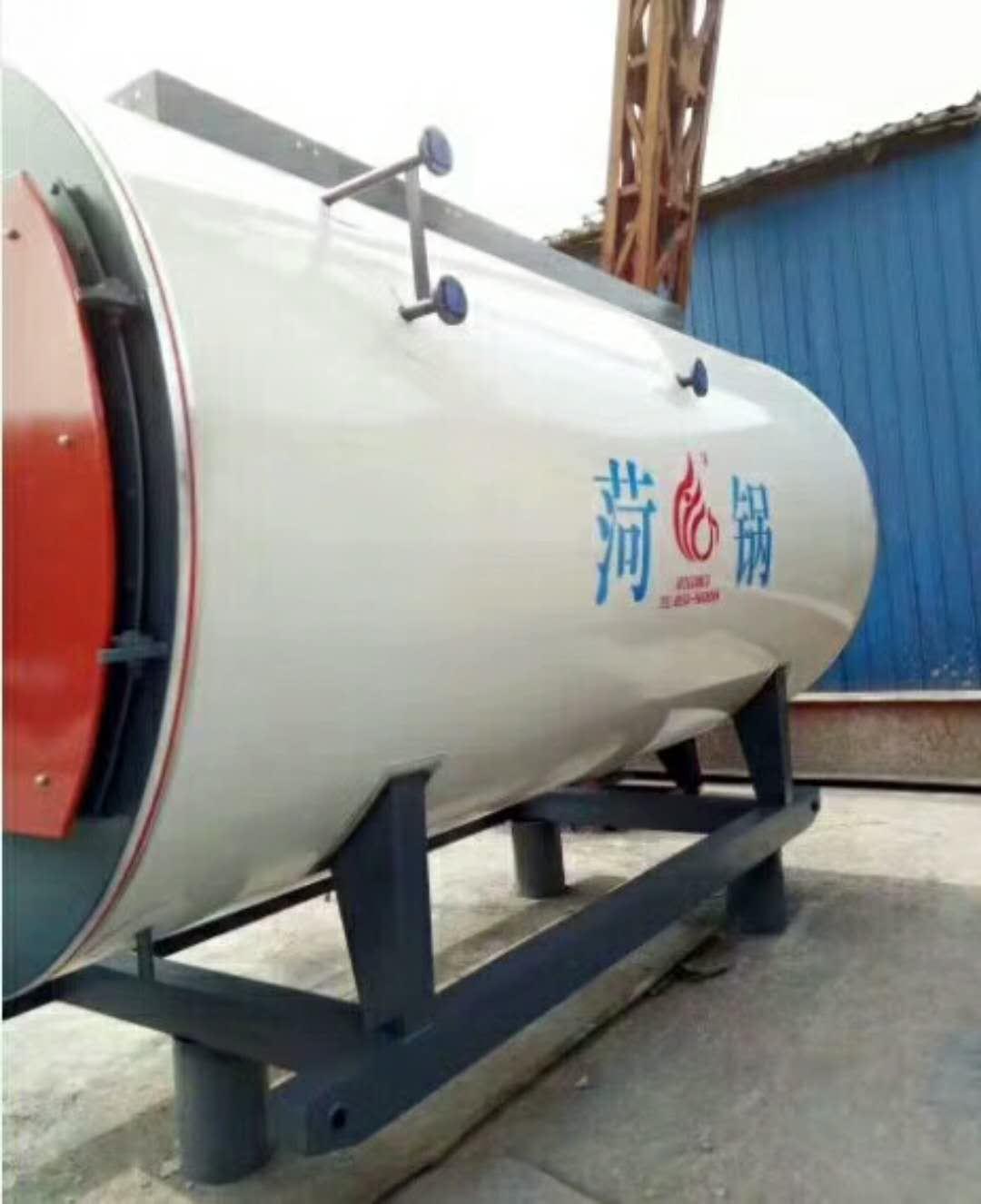
Maintenance and care of liquid nitrogen tanks are crucial for ensuring safe operation and extending their service life. Here are the maintenance and care methods for liquid nitrogen tanks:
Regular Inspections: Conduct regular inspections of the liquid nitrogen tank's exterior and interior, checking for leaks, corrosion, wear, or other damage. Pay special attention to the tank's interfaces, valves, and pipelines to ensure they are functioning properly.
Cleaning and Defrosting: Regularly clean the exterior surface of the liquid nitrogen tank to remove dust and dirt. If there is ice or frost inside the tank, defrosting is required to maintain the normal operation of the tank.
Level Monitoring: Regularly monitor the liquid nitrogen tank's level to ensure the stored amount is within a safe range. In case of abnormal levels, adjustments or replenishment of liquid nitrogen are required promptly.
Regular maintenance and replacement of components: Conduct regular maintenance and replacement of critical parts of the liquid nitrogen storage tank, such as safety valves, pressure sensors, and temperature sensors, to ensure their proper operation and accuracy.
Inspect the Insulation Layer: Regularly check the liquid nitrogen tank's insulation layer to ensure its integrity and insulating performance. If any damage or aging is found, it should be repaired or replaced promptly.
Regular Calibration: Regularly calibrate the gauges and sensors of liquid nitrogen tanks to ensure accuracy and reliability. Calibration should be performed in accordance with relevant standards and specifications.
Safety Training and Operating Procedures: Conduct regular safety training for liquid nitrogen tanks to ensure operators are familiar with the safe operating procedures and emergency response measures.
Note that maintenance and care of liquid nitrogen tanks should be performed by trained and authorized personnel. Adhere to the relevant safety regulations and operational guidelines to ensure the safety and effectiveness of maintenance work.
The filling process for liquid nitrogen storage tanks typically includes the following steps:
Preparation: Ensure that the storage tank and filling equipment are in good condition with no damage or leaks. Check that the insulation layer of the tank is intact and undamaged.
Safety Inspection: Check the safety of the tank and its surrounding environment. Ensure there are no flammable materials or other hazardous items around the tank.
Connect equipment: Link the filling equipment to the storage tank. Ensure the connection is securely fastened and leak-free.
Prepare Liquid Nitrogen: Provide liquid nitrogen supply, ensuring the quality and purity meet the required standards.
Open valves: Follow the operation instructions of the filling equipment, gradually open the corresponding valves to allow liquid nitrogen to flow from the supply source into the storage tank.
Regulate Flow: Adjust the flow control valve of the filling equipment as needed to control the inflow speed of liquid nitrogen. Ensure the flow rate is moderate, avoiding too fast or too slow.
Level Monitoring: Continuously monitor the liquid nitrogen level in the storage tank through a level gauge or other level monitoring devices. Ensure the level is maintained within a safe range.
Discontinue Filling: Close the valve of the filling equipment when liquid nitrogen is filled to the tank or reaches the desired level, halting the addition of liquid nitrogen.
Disconnect Connection: Disconnect the filling equipment from the tank and ensure there are no leaks at the connection point.
Safety Inspection: Recheck the tank and its surrounding environment for safety, ensuring there are no leaks or other safety hazards.
Please note that the process described is for general reference only, and the actual filling procedure may vary depending on the specific type of storage tank and filling equipment. When performing filling operations for liquid nitrogen tanks, please adhere to the relevant operational specifications and safety requirements, and ensure that the operators have received the necessary safety training and skills.
Liquid Argon Storage Tanks are designed specifically for storing liquid argon and feature the following parameters, functions, and characteristics:
Parameters:
Storage Capacity: The capacity of liquid argon storage tanks can be customized to meet requirements, typically available in various sizes such as 500L, 1000L, 2000L, and so on.
Work Pressure: The working pressure of liquid argon tanks is typically at atmospheric pressure or slightly above atmospheric pressure.
Storage Temperature: The storage temperature for liquid argon tanks is typically -196 degrees Celsius, which is the boiling point of argon, maintaining its liquid state.
Feature:
Liquid Argon Storage: Liquid argon tanks are primarily used for storing liquid argon, maintaining its liquid state at low temperatures for supply and usage.
Insulation: The liquid argon storage tank utilizes insulation materials and structural design to minimize heat conduction and retention, maintaining the low-temperature state of liquid argon.
Safety Control: The liquid argon storage tank is equipped with safety devices such as pressure relief valves and level alarms to ensure safe operation and use.
Features:
High Purity Supply: Liquid argon tanks offer high purity liquid argon supply to meet the needs of applications such as cryogenic storage, gas shielded welding, and semiconductor manufacturing.
Long-term Storage: Liquid argon cylinders are designed for long-term storage of liquid argon, extending their service life. By controlling the cylinder's internal temperature and the performance of the insulation layer, the evaporation and oxidation of the liquid argon are slowed down.
Multi-domain Applications: Liquid argon storage tanks are widely used in industries such as industrial, scientific research, and freezing, semiconductor manufacturing, etc.
Eco-friendly Energy-saving: Liquid argon storage tanks ensure efficient storage and utilization of liquid argon, reducing energy waste and environmental pollution.
In summary, liquid argon storage tanks are designed for storing liquid argon, thermal insulation, and safety.
Zhongjie Special Equipment upholds the grand vision of "realizing employees' dreams, creating customer value, and striving for the prosperity and strength of our motherland," and is dedicated to the development of the green energy equipment industry. We offer society products and services with high performance and cost-effectiveness!
Suining 5 cubic meter liquid nitrogen tank, factory direct supply
