


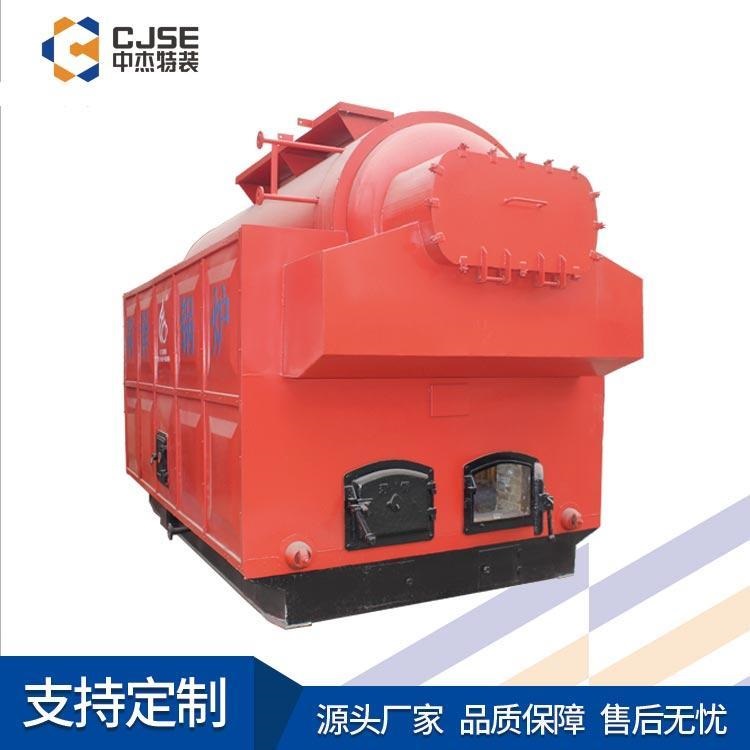


Shandong Zhongjie Special Equipment (formerly Heze Boiler Factory Co., Ltd.) holds an A-grade boiler manufacturing license, A2-grade pressure vessel manufacturing license, A2-grade pressure vessel design license, B-grade boiler installation, and GB2/Class, GC2/Class pressure pipeline installation licenses, as well as an electromechanical installation contracting qualification. It is a member of the China Boiler and Water Treatment Association, the China Chemical Equipment Association, and a council member of the Shandong Equipment Manufacturing Association. The company has also passed certifications for the ISO9001 Quality Management System, ISO14001 Environmental Management System, OHSAS18001 Occupational Health and Safety Management System, and the American ASME/U2 certification.
Controlling the slagging of biomass boilers is a crucial measure to ensure the normal operation of the boiler and extend its lifespan. Here are some common methods to control slagging in biomass boilers:
Select fuel wisely: Opt for high-quality, properly moisture-content biomass fuel to avoid using overly wet or excessively contaminated fuel, which can reduce the likelihood of coking.
Control Combustion Temperature: Reasonably control the combustion temperature of biomass boilers to avoid excessively high temperatures, reducing the fuel's residence time in the furnace and lowering the risk of slagging.
Enhance Furnace Cleaning: Regularly clean the furnace to remove ash and dust, ensuring the furnace remains clear to minimize coking possibilities.
Control Excessive Air Supply: Properly regulate the air supply during the combustion process of biomass boilers to prevent excessive air from entering the furnace, reducing the risk of fuel oxidation and slagging.
Regular Ash Blowing: Perform regular ash blowing on biomass boiler components such as economizers and superheaters to remove ash and slag, maintaining heat exchange efficiency and reducing the likelihood of fouling.
Enhanced Monitoring and Inspection: Regularly monitor and inspect biomass boilers, including parameters such as furnace temperature, flue gas composition, and furnace pressure, to promptly identify any anomalies and take appropriate actions.
These measures can help control the fouling issue in biomass boilers, maintain normal boiler operation, and extend the service life of the boiler. Additionally, based on specific circumstances, other appropriate measures can be taken in conjunction with actual operating experience and technical requirements.
Biomass boilers can achieve energy conservation and emission reduction in the following ways:
Combustion Technology: The biomass boiler utilizes combustion technologies such as fluidized bed combustion and pellet combustion, which enhance combustion efficiency, ensuring more effective fuel utilization, and reduce energy waste.
Energy Recovery Utilization: Biomass boilers produce flue gas during combustion that contains a large amount of thermal energy, which can be recovered and utilized through a flue gas waste heat recovery system. For instance, by using a flue gas waste heat boiler or a flue gas heat exchanger, the thermal energy in the flue gas is converted into hot water, steam, or other forms of thermal energy, enhancing energy utilization efficiency.
Control combustion parameters: Biomass boilers can achieve optimal combustion performance by controlling parameters such as combustion temperature and oxygen supply. Rational combustion parameters can enhance combustion efficiency and reduce fuel consumption and emissions.
Fuel Quality Control: Selecting biomass fuel with high dryness and low ash content can enhance combustion efficiency and reduce the generation of ash and pollutants.
Regular maintenance and cleaning: Regularly maintain and clean biomass boilers to remove ash and soot from the combustion chamber and flue, ensuring normal operation and combustion of the boiler.
Our Control System: Utilizes an automatic control system that can monitor and adjust the operating status of biomass boilers in real-time, ensuring the stability of the combustion process.
Through these measures, biomass boilers can achieve energy conservation and emission reduction, enhance energy efficiency, decrease carbon emissions and the production of pollutants, and be more environmentally friendly.
The YGL series organic heat carrier boiler is a boiler equipment that utilizes organic heat carriers to transfer heat energy. Its main components and features are as follows:
Composition:
Furnace Body: The furnace body is the main part of the organic heat carrier furnace, including the furnace chamber, combustion chamber, and flue, etc. Made of steel, it boasts excellent high-temperature resistance properties.
Combustion System: The combustion system includes burners, combustion fans, and combustion control systems, etc. The burners are responsible for injecting fuel into the furnace for combustion, the combustion fans provide the oxygen required for combustion, and the combustion control system achieves automatic control of the combustion process.
Heat Exchange System: The heat exchange system includes heat carrier circulating pumps, heat carrier heaters, and heat carrier coolers, etc. The heat carrier circulating pump is responsible for circulating the heat carrier to the heater, where it is heated before returning to the furnace, thus transferring heat energy. The heat carrier cooler is used to cool the heat carrier, ensuring the stability of the heat carrier circulation.
Control System: The control system encompasses temperature controllers, pressure controllers, and safety protection devices. The temperature controller is used for monitoring and adjusting the furnace temperature, the pressure controller for monitoring and adjusting the pressure of the heat carrier, and the safety protection device for ensuring the safe operation of the furnace and heat exchange system.
Features:
High thermal efficiency: The YGL series organic heat carrier boiler utilizes organic heat carrier as the heat transfer medium, offering a high heat transfer efficiency. The organic heat carrier can achieve liquid-phase heat transfer at low temperatures, resulting in minimal heat loss and enabling more efficient fuel utilization.
Yes, biomass hot water boilers hold significant implications for energy conservation and emission reduction. Below are some relevant implications and advantages:
Energy-saving: Biomass hot water boilers burn renewable biomass fuel, offering higher energy efficiency compared to traditional coal boilers. The heat generated during the combustion of biomass fuel can be more fully utilized, reducing energy waste, and achieving energy-saving effects.
Reduction of emissions: The combustion process of biomass hot water boilers produces relatively low levels of pollutants, such as carbon dioxide, nitrogen oxides, and particulates. Compared to coal-fired boilers, biomass hot water boilers can significantly reduce the emission of greenhouse gases and air pollutants, which is of great importance for improving the quality of the atmosphere.
Sustainability: Biomass fuel is a renewable resource that can be grown and recycled within a regenerative cycle. Compared to finite coal resources, the sustainability of biomass fuel can meet long-term energy needs.
Supporting Rural Development: The use of biomass hot water boilers can promote the comprehensive utilization of agricultural and forestry waste such as straw and wood chips in rural areas. This not only reduces open burning of crop straw, minimizing environmental pollution, but also provides farmers with an additional source of income and boosts rural economic development.
In summary, the energy conservation and emission reduction significance of biomass hot water boilers is substantial. They not only reduce energy consumption and pollutant emissions but also promote sustainable development and the prosperity of rural economies.
Zhongjie Special Equipment adheres to the grand vision of "realizing employees' dreams, creating value for customers, and striving for the prosperity and strength of our motherland," and is dedicated to the development of the green energy equipment industry. We commit to society with high-quality, cost-effective products and services!
50-ton New Yu Biomass Boiler, 304 stainless steel material
