


Shandong Zhongjie Special Equipment Co., Ltd. (formerly Heze Boiler Factory Co., Ltd.) was established in 2001, located at No. 2218 Jinnan Road, Development Zone, Heze City, with a registered capital of 50 million yuan and total assets of 500 million yuan. The company has seven business centers: boilers, deep-freeze containers, pressure vessels, central air conditioning, engineering installation, international trade, and the Internet of Things. It has three factory sites on Jinnan Road, East Changjiang Road, and Bohai Road, covering a total of 200,000 square meters, with the main workshop spanning 83,000 square meters. It currently employs 710 people, including 247 engineers and technicians and 82 intermediate-level technical personnel. In December 2016, it was recognized as a "High-tech Enterprise" by the Science and Technology Department. In June 2021, it was identified as a "Specialized and New Enterprise in Shandong Province" by the Department of Industry and Information Technology. In June 2022, it was recognized as a "Gazelle Enterprise in Shandong Province" and in August 2022, it was identified as a "Specialized and New Small Giant Enterprise" by the Ministry of Industry and Information Technology.
The inspection of the heat-conducting oil boiler tube plates is to ensure the safe operation of the boiler and to prevent potential issues. The following are general steps for inspecting heat-conducting oil boiler tube plates:
Visual Inspection: Conduct a visual inspection to check for any obvious corrosion, cracks, deformation, or other anomalies on the surface of the tube plates. Pay special attention to checking for cracks or leaks at the welds and joints.
Cleaning the Tube Plates: Clean the surface of the tube plates thoroughly to remove dirt and deposits for proper inspection.
Ultrasonic Testing: Use an ultrasonic testing device to inspect the tube plates to detect any possible cracks or other defects. Ultrasonic testing helps determine the integrity and reliability of the tube plates.
Pressure Testing: Perform a pressure test to verify the sealing and pressure resistance of the tube plates. Gradually increase the pressure during the test, observe for any leakage, and ensure the tube plates can withstand the designed pressure.
Tube Plate Thickness Measurement: Use an ultrasonic thickness gauge to measure the thickness of the tube plates to ensure they meet the design requirements. Pay particular attention to the corrosion condition of the tube plates, ensuring they are within the safe range.
Weld Inspection: Inspect the welds of the tube plates to ensure the quality of the welds meets relevant standards and specifications. Check the integrity of the welds, the quality of the welds, and whether the welding process meets requirements.
Documentation and Reporting: Document and report the inspection results of the tube plates, including any issues found, corrective measures, and recommendations. These records and reports can serve as references for future maintenance and management.
It is important to note that the inspection of heat-conducting oil boiler tube plates should be carried out by qualified personnel and strictly in accordance with relevant standards and specifications. If any issues or anomalies are found, appropriate repair and maintenance measures should be taken promptly to ensure the safe operation of the boiler.
Potential operational issues with the fuel system of a thermal oil furnace include:
- Unqualified fuel quality: Using low-quality or contaminated fuel can cause problems with the fuel system. For instance, the presence of impurities, water, or excessive additives can lead to clogs in the fuel pump, nozzle, and burner, affecting fuel supply and combustion efficiency.
- Inadequate maintenance of the fuel filter: The fuel filter's purpose is to filter out impurities and particles from the fuel to prevent them from entering the fuel system. If the fuel filter is not cleaned or replaced regularly, it can become clogged, affecting fuel flow and supply.
- Improper adjustment of the fuel pump: Proper adjustment of the fuel pump is crucial for maintaining stable fuel supply volume and pressure. Incorrect adjustment can result in either excessive or insufficient fuel supply, leading to incomplete combustion or insufficient fuel supply, affecting the furnace temperature and thermal efficiency.
- Clogged or worn fuel nozzles: The fuel nozzle is a critical component that atomizes and injects fuel into the furnace. If the nozzle is clogged or worn, it can cause uneven or incorrect injection angles, affecting combustion efficiency and heat output.
- Inadequate fuel preheating: Fuel must be preheated before entering the burner to enhance combustion efficiency. Insufficient preheating can increase fuel viscosity, affecting fluidity and injection performance.
- Fuel system oil leaks: The seal integrity of the fuel system is essential for stable fuel supply. Oil leaks in the fuel system can lead to fuel supply disruptions.
During the operation of a thermal oil furnace, several important matters should be noted:
- Temperature Control: Close and constant monitoring and control of the thermal oil temperature is required during the operation of the furnace. Ensure the temperature remains within a safe range to avoid decomposition of the oil at high temperatures or condensation and scaling at low temperatures. Regularly inspect and calibrate the temperature sensors to ensure accurate temperature readings.
- Pressure Control: Maintain an appropriate working pressure during the operation of the thermal oil furnace. Excessive pressure can lead to equipment damage or leaks, while low pressure can result in reduced heat transfer efficiency. Regularly inspect and maintain the pressure gauge and safety valve to ensure accurate and safe pressure control.
- Oil Quality and Cleanliness: The quality and cleanliness of the thermal oil are crucial for the normal operation of the furnace. Regularly inspect and replace the thermal oil to ensure it meets quality and performance requirements. Regularly clean and maintain heat exchangers, burners, and flues to prevent the accumulation of dust and dirt, which can affect heat transfer efficiency.
- Regular Maintenance and Inspection: Regular maintenance and inspections of the thermal oil furnace are necessary to ensure proper operation and extend its service life. Regularly inspect and clean burners, flues, and heat exchangers, check and replace seals and valves, inspect and calibrate safety devices, to ensure the equipment's safety and reliability.
- Safe Operation: Strict adherence to operational procedures and safety protocols is required during the operation of the thermal oil furnace. Operators must possess the relevant skills and knowledge.
Chemical cleaning of industrial boilers is a common method that effectively removes dirt and deposits inside the boiler, enhancing heat exchange efficiency and extending the boiler's lifespan. Below are the general steps and methods for industrial boiler chemical cleaning:
Preparation: Turn off the boiler's power and gas supply, drain the water and steam inside the boiler, ensuring the boiler is in a safe condition. Prepare the required chemical cleaning agents and equipment.
Cleaning Agent Selection: Choose a suitable chemical cleaning agent based on the boiler's material and the nature of the dirt. Common cleaning agents include acidic cleaners, alkaline cleaners, and chelating agents.
Cleaning Agent Circulation: Dissolve the cleaning agent in an appropriate amount of water and circulate it into the boiler using a pump. Determine the circulation time and temperature of the cleaning agent based on the size of the boiler and the extent of the dirt.
Cleaning Agent Action: During circulation, the cleaning agent reacts chemically with the dirt inside the boiler, dissolving and decomposing it. Acidic cleaners can remove rust and scale, while alkaline cleaners can remove grease and organic matter.
Rinsing and Neutralizing: After the cleaning agent circulation, rinse the boiler with clean water to flush out the cleaning agent and dissolved dirt. Simultaneously, use a neutralizer to neutralize any remaining acidic or alkaline substances, ensuring the boiler's neutrality.
Inspection and Maintenance: After cleaning, inspect the boiler to ensure the cleaning effectiveness and normal operation. Perform necessary maintenance and upkeep as required.
Points to note when conducting industrial boiler chemical cleaning:
- Adhere strictly to the instructions for use and safety operating procedures for chemical cleaning agents to ensure the safety of operators.
- Choose the appropriate cleaning agent and method based on the boiler's material and the properties of the cleaning agent.
- Control the concentration, temperature, and circulation time of the cleaning agent to avoid unnecessary damage to the boiler.
- Monitor the concentration and pH value of the cleaning agent in a timely manner during the cleaning process, adjusting the cleaning conditions.
- After cleaning, flush the boiler to ensure that all cleaning agents and dirt are completely removed.
- After cleaning, perform the boiler's maintenance and upkeep promptly to ensure normal operation and long-term use.
Shandong Zhongjie Special Equipment, welcome customers to our factory for business discussions.
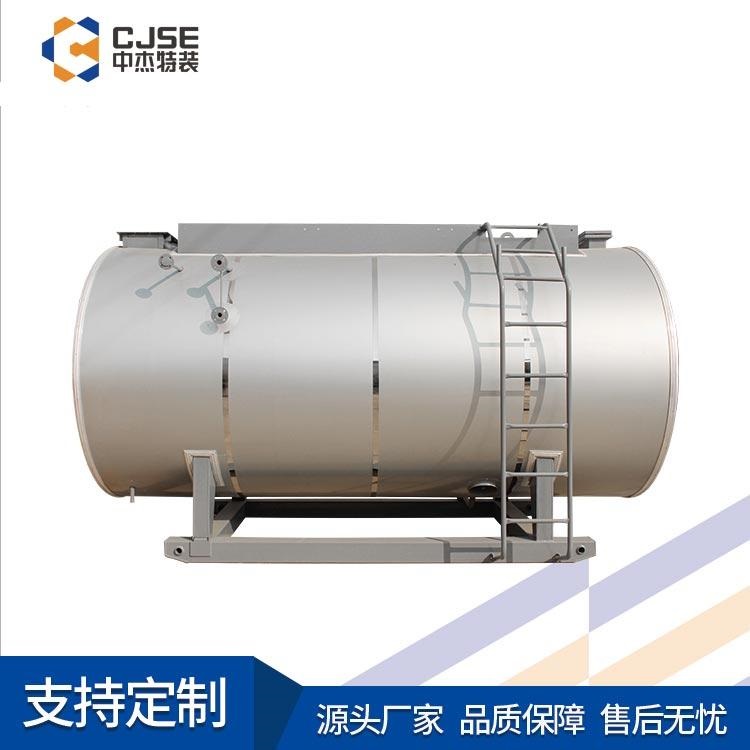
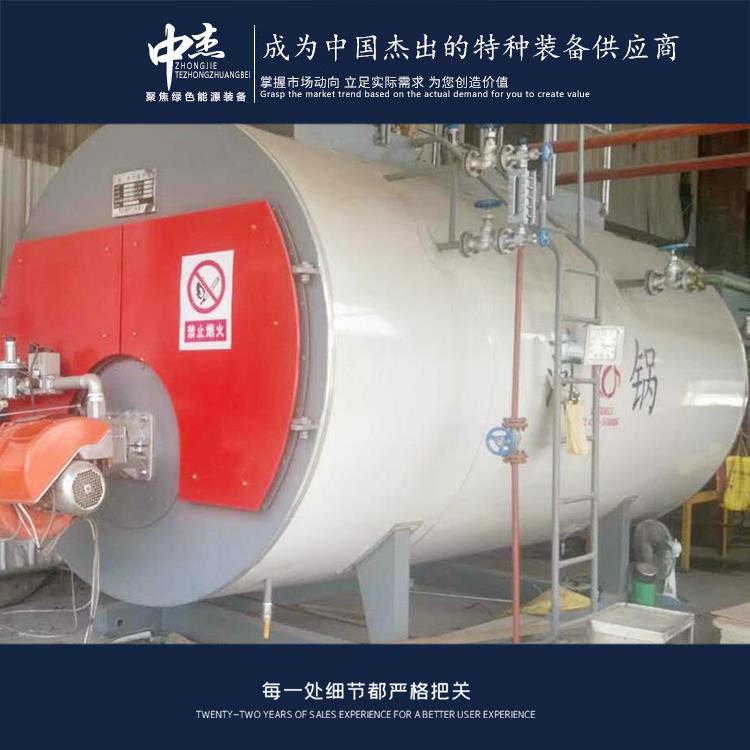
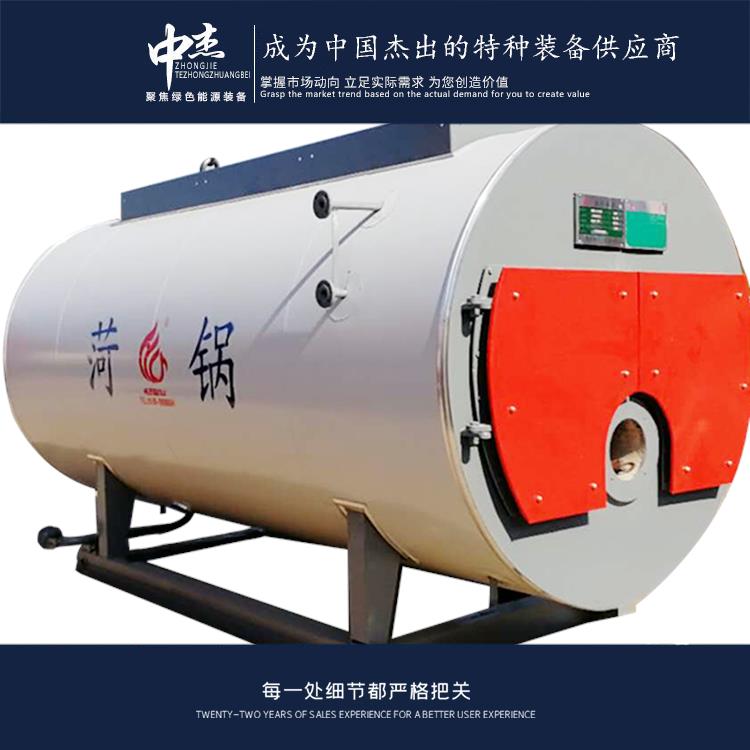
Jixi 6-ton gas boiler, large size, sturdy, high output
