


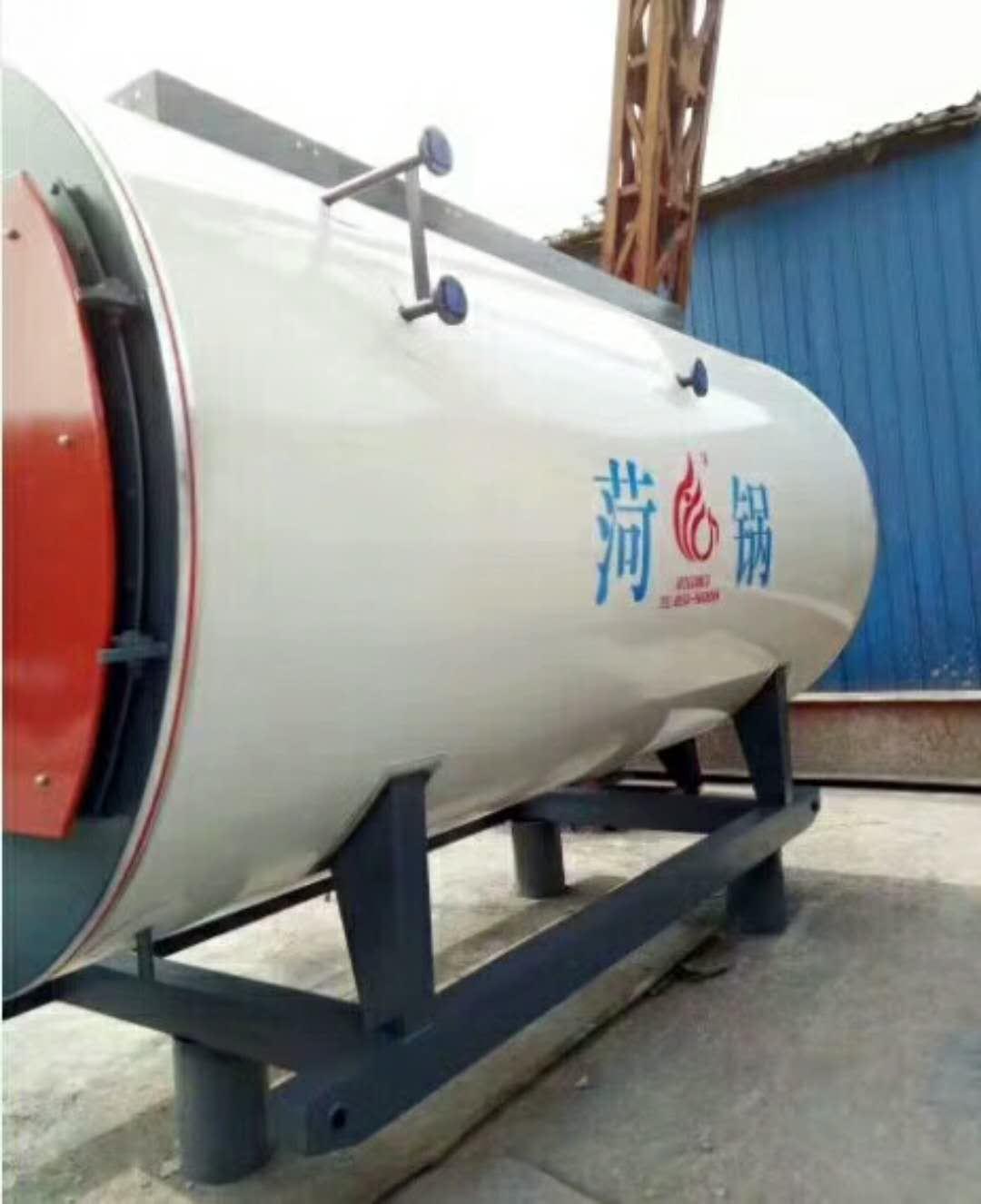

Shandong Zhongjie Special Equipment specializes in: fuel (gas) boilers, organic heat carrier boilers, biomass boilers, waste heat recovery boilers, and other boiler products; vacuum insulated cryogenic pressure vessels such as LNG storage tanks, oxygen-nitrogen-argon storage tanks, CO2 storage tanks, etc.; pressure vessel products including denitrification engineering equipment, heat storage and energy storage equipment, complete chemical equipment sets, etc.; central air conditioning and HVAC equipment such as ground (water) source heat pumps, air source units, water-cooled screw units, and air-cooled modular units. Planned products include large-scale energy centers, LNG transport vehicles, LNG tank containers, and other green energy equipment.
Carbon dioxide is widely used as a shielding gas in metal welding processes during welding. The following are the main applications of carbon dioxide in welding:
Gas Metal Arc Welding (GMAW): Carbon dioxide is commonly used as the shielding gas in the GMAW welding process. In GMAW welding, the arc generates high temperatures in the welding area, which can also cause oxidation reactions with oxygen and water vapor, leading to reduced weld quality. By injecting carbon dioxide gas into the welding area, a protective atmosphere is formed, preventing oxygen and water vapor from entering, thereby improving the quality and strength of the weld.
Mixed Gas Shielding Welding (GMAW): Carbon dioxide is also often mixed with other gases (such as argon) to form a mixed gas shielding welding. The use of mixed gases can adjust the arc stability, molten pool formation, and weld quality during welding, enhancing the welding effect.
Gas Shielded Brazing: Carbon dioxide can also be used in the gas shielded brazing process. During brazing, the carbon dioxide gas provides a protective atmosphere, preventing oxidation and contamination in the brazing area, ensuring the quality of the brazed joint.
Gas Shielded Cutting: Carbon dioxide can also be used in the gas shielded cutting process. In gas shielded cutting, by injecting carbon dioxide gas into the cutting area, a protective atmosphere is formed, preventing oxidation and contamination in the cutting area, improving the quality and speed of cutting.
It is important to note that the application of carbon dioxide in welding processes needs to be adjusted and optimized according to specific welding materials, methods, and requirements. When using carbon dioxide for welding, it is necessary to follow relevant safety operation procedures and guidelines to ensure the safety and quality of the welding process.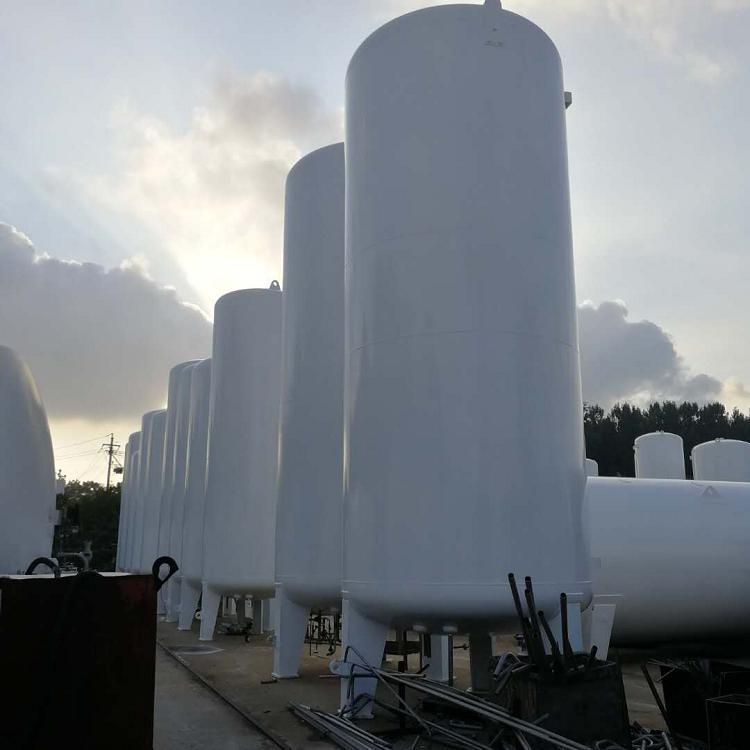
When cooling carbon dioxide storage tanks, pay attention to the following points and understand the basic steps of the cooling process:
Points to Consider:
- Safety: Prioritize safety during the cooling process to ensure the safety of operators and the surrounding environment. Adhere to relevant safety operating procedures and standards, and use appropriate personal protective equipment.
Equipment Selection: Choose suitable cooling equipment and tools, such as cooling mediums (e.g., liquid nitrogen), coolers, and cooling systems. Select the appropriate cooling equipment based on the tank's size and requirements.
Temperature Control: Control the temperature during the cooling process to avoid overcooling or insufficient cooling. Determine the appropriate cooling temperature range based on the tank's design requirements and operating conditions.
Cooling Process Analysis:
- Preparations: Ensure there are no residual gases or impurities inside the tank to avoid affecting the cooling effect. Check the tank's sealing and the functioning of the safety valves.
Cooling Medium Injection: Inject the cooling medium (e.g., liquid nitrogen) into the tank to lower its temperature. Control the injection speed and amount to avoid overinjection leading to excessive pressure.
Cooling Time: Determine the cooling time based on the tank's size and requirements. The cooling time typically needs to be long enough to ensure the carbon dioxide inside the tank is adequately cooled and liquefied.
Temperature Monitoring: Regularly monitor the tank's temperature during the cooling process to ensure it remains within the appropriate range. Use temperature sensors or infrared thermometers for monitoring.
Cooling Completion: The cooling process is complete when the tank's temperature reaches the predetermined cooling requirements. At this point, the carbon dioxide inside the tank should be in a liquid state.
Note that specific cooling processes and steps may vary due to different tank designs and usage scenarios. When conducting cooling operations, follow relevant safety operating procedures and standards to ensure safety and effectiveness.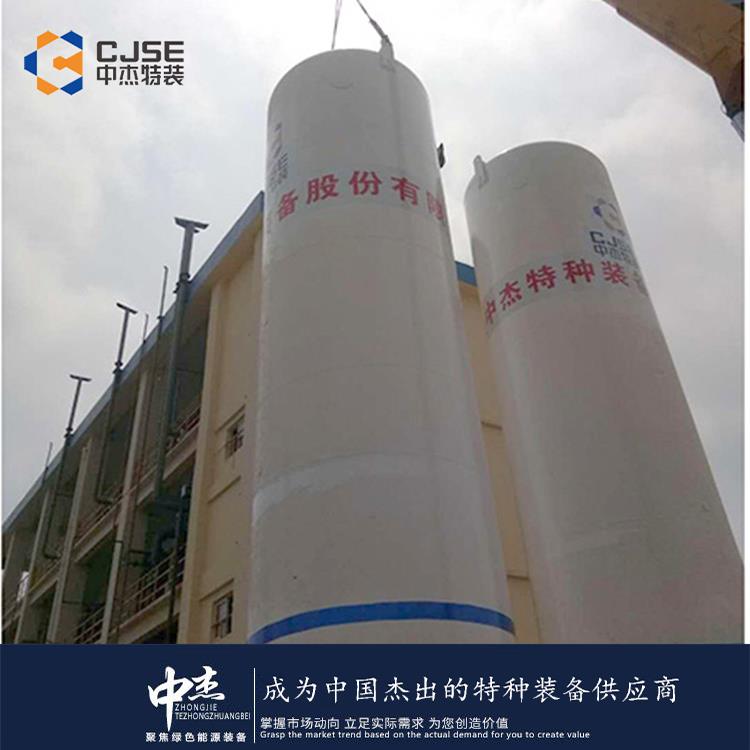
Carbon dioxide has various applications in the new energy field, including some common uses such as:
1. Carbon Capture and Storage (CCS): This technology reduces CO2 emissions by capturing CO2 from industrial sources and storing it underground, preventing it from entering the atmosphere. It aids in lowering greenhouse gas emissions and mitigating climate change.
2. Carbon Utilization: CO2 can be utilized to produce valuable chemicals and fuels. For instance, through CO2 catalytic conversion technology, CO2 can be converted into fuels like ethanol or chemical raw materials. This carbon utilization technology helps reduce reliance on traditional fossil fuels and promotes sustainable energy development.
3. Carbon Dioxide Batteries: This is a new battery technology that uses CO2 as the battery's electro material. By converting CO2 into electrical energy, CO2 batteries can serve as a sustainable energy storage solution, advancing electric vehicles and renewable energy.
4. Carbon Dioxide Photocatalysis: This technology uses solar energy to convert CO2 into useful chemicals. With the help of photo catalysts, CO2 and water can be transformed into combustible gases or organic compounds, achieving the resource utilization of CO2.
These applications aim to reduce CO2 emissions, enhance energy efficiency, and promote the development of sustainable energy. However, these technologies are still in development and research, requiring further technical breakthroughs and practical verification.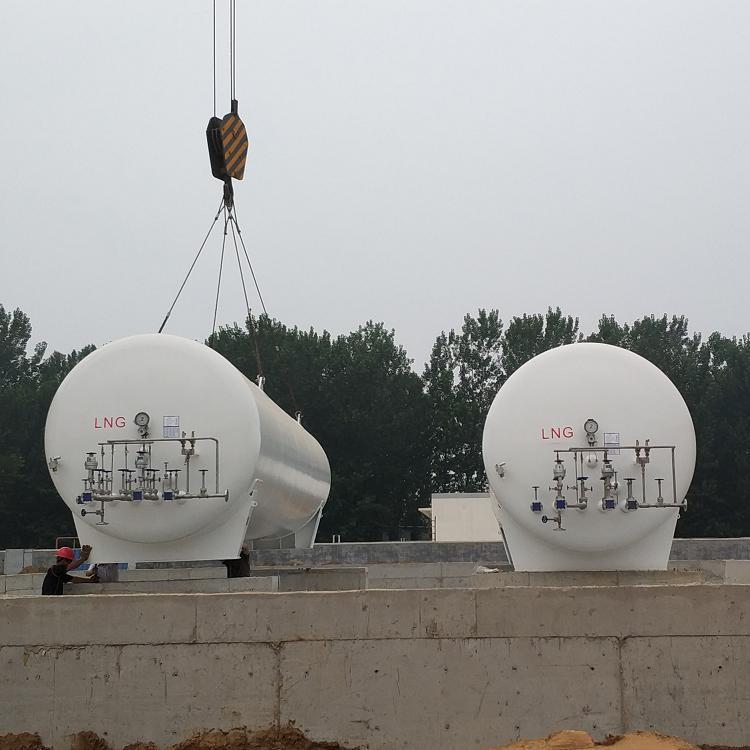
The automated maintenance system for carbon dioxide tanks typically includes the following main components: Pressure Maintenance System: Monitors and adjusts the internal pressure of the tank to ensure the carbon dioxide within remains within a safe and stable pressure range. This system comprises pressure sensors, control systems, pressure regulators, and pressure reserve devices. Temperature Control System: Monitors and adjusts the internal temperature of the tank to maintain the carbon dioxide at an appropriate temperature range. The system includes temperature sensors, control systems, and temperature regulators. Level Monitoring System: Measures and monitors the liquid level within the tank to ensure the carbon dioxide level is within a safe range. This system can utilize float level gauges, pressure level gauges, ultrasonic level gauges, etc. Leak Detection System: Monitors for leaks in the tank and pipeline systems, enabling timely detection and alarms. The system can employ gas sensors, liquid sensors, and leak alarms. Fire Detection and Extinguishing System: Monitors for fires in the tank area and takes appropriate extinguishing measures. The system includes fire detectors, alarms, and extinguishing equipment. Remote Monitoring and Control System: Remotely monitors and controls the operational status and parameters of the tank, allowing for remote operation and management. This system can connect via network, providing real-time data and remote control functions. The above are the main components of a typical automated maintenance system for carbon dioxide tanks. The specific system configuration and functions can be customized according to the tank's design requirements and application scenarios. These automated maintenance systems enhance the tank's safety, stability, and reliability, reducing the need for manual intervention and operational risks.
ZJ Special Equipment adheres to the great vision of "realizing employees' dreams, creating value for customers, and striving for the prosperity and strength of our motherland," focusing on the development of green energy equipment industry, and dedicating high-value products and services to society!
Xingtai Carbon Dioxide Storage Tanks - Over 20 Years of Experience for Added Confidence
