


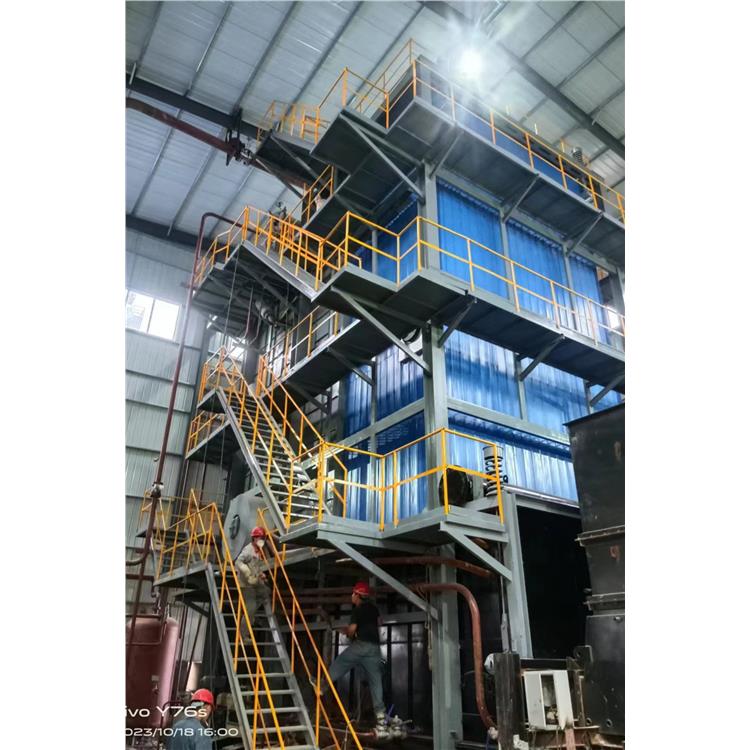

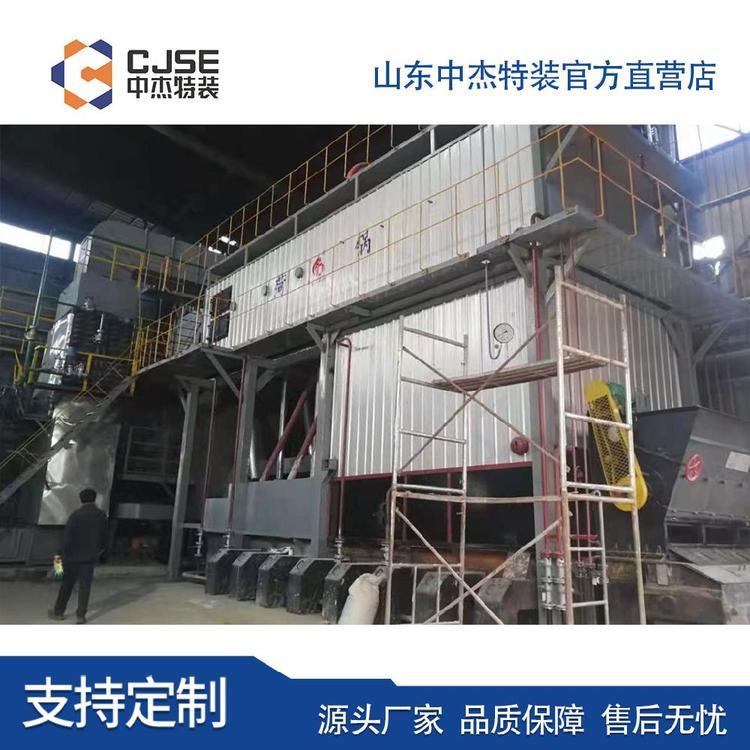
Shandong Zhongjie Special Equipment (formerly Heze Boiler Factory Co., Ltd.) holds an A-grade boiler manufacturing license and an A2-grade pressure vessel manufacturing license, along with an A2-grade pressure vessel design license, B-grade boiler installation, and GB2/Class, GC2/Class pressure pipeline installation licenses. The company also has a qualification for equipment and machinery installation contracting. It is a member of the China Boiler and Water Treatment Association, the China Chemical Equipment Association, and a director unit of the Shandong Equipment Manufacturing Association. Additionally, it has passed certifications for the ISO9001 Quality Management System, ISO14001 Environmental Management System, OHSAS18001 Occupational Health and Safety Management System, and the American ASME/U2 certification.
Biomass fuels refer to fuels made from biomass materials that can be used for energy production. Common types of biomass fuels include:
Wood and wood chips: Including logs, charcoal, and wood pellets, etc.
Crop straw: such as corn straw, rice straw, etc.
Energy crops: such as sugarcane, corn, rapeseed, etc.
Animal Manure: Such as cow dung, chicken dung, etc.
Biogas produced from anaerobic fermentation of organic waste.
Biodiesel: Such as vegetable oils, animal fats, etc.
Bio-ethanol: Ethanol fuel produced through fermentation of plants.
Biofuel: Fuel produced by the esterification reaction of vegetable oils or animal fats.
These biomass fuels can be used in power generation, heating, and fuel substitution, offering benefits such as renewability and low carbon emissions.
Control methods for biomass boiler combustion systems can include the following aspects:
Fuel Supply Control: Regulate the supply volume and speed of biomass fuel to ensure stable fuel supply. This can be achieved by adjusting the feeder's speed or on/off.
Air Supply Control: Adjust the air supply during the combustion process to ensure complete fuel combustion. This can be achieved by regulating the fan's speed or by turning it on/off.
Combustion Temperature Control: Monitors the temperature within the combustion chamber and adjusts it according to set values. The combustion temperature can be controlled by adjusting the air supply or fuel supply to the combustion chamber.
Combustion Process Monitoring: Monitors parameters during the combustion process, such as combustion temperature and pressure inside the combustion chamber, to real-time monitor the combustion status and adjust accordingly based on the monitoring results.
Oxygen Content Control: By monitoring the oxygen level within the combustion chamber and adjusting it to the set value, full combustion of the fuel is ensured. This can be achieved by installing an oxygen content sensor and adjusting the air supply.
Ash cleaning system control: Controls the operation of ash cleaning equipment, promptly burning off the ash in the combustion chamber to ensure combustion efficiency and the normal operation of the system.
Above are some common control methods for biomass boiler combustion systems. Specific control strategies and methods will vary depending on the type of boiler and system design.
The occurrence of oil spray in thermal oil heaters may be related to the following operations:
Excessive oil pump pressure: If the oil pump pressure of the thermal oil furnace is set too high, exceeding the design requirements, it may lead to oil atomization. Excessive oil pump pressure increases the amount of oil sprayed by the nozzle, surpassing the combustion needs within the furnace.
Excessive nozzle orifice size: An overly large nozzle orifice in a thermal oil furnace can lead to excessive oil injection, which in turn causes oil spray. The nozzle orifice size should be selected rationally based on the combustion requirements within the furnace and design specifications.
Excessive furnace temperature: Overheating in the thermal oil furnace, exceeding the design specifications, can lead to oil spitting. The high temperature reduces the viscosity of the thermal oil, increasing the risk of oil spitting.
Low oil level: An oil level that is too low in a thermal oil furnace can cause the oil pump to intake air, potentially leading to fuel injection issues. The oil level should be maintained within the normal range to prevent the oil pump from drawing in air.
Oil Pump Failure: Faults in the thermal oil furnace oil pump, such as pump blockage or oil leakage in the pump housing, can lead to the occurrence of oil spraying. Regularly inspect and maintain the oil pump to ensure its normal operation.
Oil Tube Clogging: Clogging in the oil tube of a heat-conducting oil furnace, such as the accumulation of impurities or sediment inside the tube, can lead to oil spitting. Regular cleaning and maintenance of the oil tube ensure smooth oil flow.
Improper Operation: Failure to follow the correct operational procedures while handling a thermal oil furnace, such as over-adjusting the oil pump pressure or arbitrarily changing the nozzle, may lead to oil spraying occurrences.
Biomass boiler tube end constrictions refer to the reduction in diameter of the tube ends within a certain length range. This treatment enhances the tube's strength and rigidity, reduces stress concentration, and improves the tube's vibration resistance and durability.
Specific methods for constricting include:
Cold shrinking joint: A method of cold working the end of a pipe to gradually reduce its diameter, forming a shrinkage joint. This method is simple and easy to perform, suitable for general shrinkage requirements.
Shrink fit: This process involves heating the end of a tube to soften it, then mechanically forming it into a shrink fit shape. It allows for more complex shrink fit shapes, but requires specialized equipment and technology.
The benefits of a tapered design include:
Enhance tube strength and rigidity, reduce stress concentration in tubes, and minimize the risk of tube deformation and fracture.
Enhance the tube's vibration resistance, reduce vibration and resonance phenomena during operation, and extend the tube's service life.
Reduce the risk of pipe leakage and enhance the sealing performance of the pipeline system.
Note that the neck treatment must be tailored to the specific boiler design and operational requirements to ensure the neck dimensions and shape meet design specifications, and that the wall thickness at the neck is not less than the standard requirements to guarantee the safe and reliable operation of the pipes.
Shandong Zhongjie Special Equipment, welcome customers to visit our factory for business discussions.
Yantai 6-ton biomass boiler, manufacturer
