


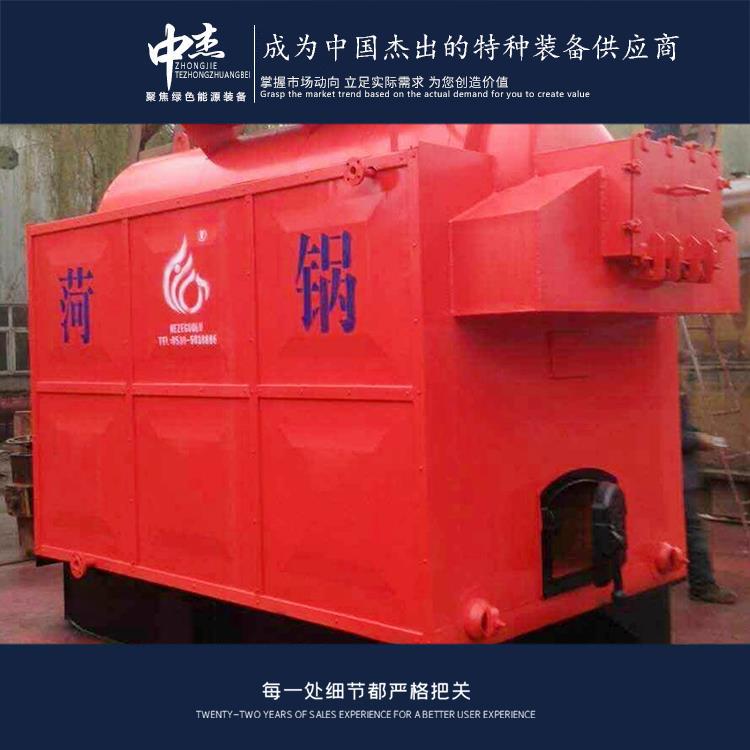
Shandong Zhongjie Special Equipment (formerly Heze Boiler Factory Co., Ltd.) holds an A-grade boiler manufacturing license, an A2-grade pressure vessel manufacturing license, an A2-grade pressure vessel design license, a B-grade boiler installation license, and GB2/Class and GC2/Class pressure pipeline installation licenses, as well as an equipment and machinery installation contracting qualification. It is a member of the China Boiler and Water Treatment Association, the China Chemical Equipment Association, and the Council Member of the Shandong Equipment Manufacturing Association. The company has also passed certifications for the ISO9001 Quality Management System, ISO14001 Environmental Management System, OHSAS18001 Occupational Health and Safety Management System, and the American ASME/U2 certification.
Fully automatic biomass boilers refer to biomass boilers equipped with an automatic control system. Here are some points to note:
Regular Maintenance: Although the fully automatic biomass boiler features an automatic control system, regular maintenance is still necessary. This includes cleaning the combustion chamber, heat exchanger, flue, and other components, inspecting and replacing worn-out parts, to ensure the boiler operates normally.
Water Treatment: The quality of water in biomass boilers is crucial for their normal operation. Regularly inspect and treat water quality, including water hardness, alkalinity, and impurities in the water. Take appropriate water treatment measures based on the water quality to prevent scale and corrosion, and protect the boiler's heat exchangers and pipes.
Fuel Quality Control: The quality of fuel for biomass boilers is crucial for combustion efficiency and stable operation. Select the appropriate amount of biomass fuel and conduct proper quality control, including moisture content and particle size. Ensure the fuel quality meets the boiler's requirements to avoid incomplete combustion and blockages.
Regular Cleaning of the Combustion System: The combustion system of a fully automatic biomass boiler requires regular cleaning, including the combustion chamber, burners, and burner nozzles. Accumulated ash, sediments, and dirt ensure the free flow of the combustion system, preventing incomplete combustion and unstable flames.
Regular System Inspections: The control system of fully automatic biomass boilers requires regular inspections and testing to ensure proper operation. This includes checking the accuracy of sensors and the stability of controllers. Promptly identify and resolve issues with the control system to ensure the stable operation of the boiler.
Maintain thorough documentation and monitoring: Record operating parameters and fault conditions of all active biomass boilers, and conduct monitoring and analysis. Identify and resolve issues promptly to prevent faults from occurring or escalating.
The above lists some precautions when using fully automatic biomass boilers. With proper maintenance, care, and quality control, stable operation and performance of the boiler can be ensured.
A hot water boiler is a device used for supplying hot water. With the increasing demand for energy and environmental awareness, hot water boilers have undergone continuous development and improvement in technology and application.
Below are the trends in the development of hot water boilers:
Energy-saving: Energy efficiency in hot water boilers is a key development direction. By improving combustion technology, heat exchanger design, and material selection, enhance the utilization efficiency of thermal energy, reduce energy consumption and emissions.
Temperature Control Intelligence: With the advancement of intelligent technology, the temperature control systems of hot water boilers are becoming increasingly intelligent. By utilizing advanced control algorithms and sensor technology, temperature control and energy consumption management are achieved, enhancing system stability and comfort.
Multi-energy supply: To reduce dependence on traditional energy sources, the development trend of hot water boilers is towards multi-energy supply. In addition to the traditional energy sources like gas and oil, an increasing number of hot water boilers are adopting renewable energy sources such as biomass, solar, and geothermal, achieving energy diversity and sustainable development.
Environmental Protection and Emission Reduction: Environmental protection and emission reduction is an important direction for the development of hot water boilers. By improving combustion technology, increasing flue gas purification equipment and control systems, reducing pollutant emissions during the combustion process, and protecting the environment and human health.
Safety and Reliability: The safety and reliability of hot water boilers are crucial for development. By enhancing the structural design of the boiler, improving the safety valve and control system, we boost the safety performance of the boiler to prevent accidents.
Miniaturization and Modularization: With the accelerated urbanization, there is a clear trend towards miniaturization and modularization in hot water boilers. Miniaturized hot water boilers can better adapt to the needs of urban buildings, reducing the footprint and installation costs, and enhancing flexibility and scalability.
Overall, the trend in hot water boiler development is towards energy efficiency, intelligence, multi-energy supply, environmental protection and emission reduction, safety and reliability, miniaturization, and modularization. These trends will drive continuous innovation and application of hot water boiler technology, providing more comfortable, reliable, and environmentally friendly hot water supply for people.
When planning and arranging the bag filter for biomass boiler, the following aspects should be considered:
Baghouse Dust Collector Location: The baghouse dust collector should be positioned near the biomass boiler flue gas outlet to effectively capture particulates in the flue gas. Additionally, the location of the baghouse dust collector should be convenient for operation and maintenance, ensuring ease of ash cleaning and filter bag replacement.
Layout of smoke进出口: The bag filter's smoke进出口 should be connected to the biomass boiler's smoke pipeline to ensure smooth entry and exit of the smoke from the filter. The layout should consider the uniformity of smoke flow and minimize resistance to enhance the dust removal efficiency and operational efficiency of the system.
Baghouse dust collector dimensions and capacity: Determine the size and capacity of the baghouse based on the biomass boiler's flue gas flow rate and particulate load. Ensure the baghouse meets the flue gas treatment requirements and achieves the expected dust removal effect.
Bag arrangement and selection: Bags are the core components of bag dust collectors. Appropriate bag material and specifications should be chosen based on the characteristics of flue gas and particulate matter. The arrangement of bags should be reasonable to ensure that flue gas can pass through the bags evenly, capturing particles to the maximum extent.
Dust removal system arrangement: Bag filters require regular cleaning to maintain the cleanliness of the filter bags and dust removal efficiency. The arrangement of the dust removal system should be user-friendly and easy to maintain, ensuring the effectiveness and efficiency of the cleaning process.
Emission pipeline layout: After treatment by the bag dust collector, the flue gas must be discharged into the atmosphere. The layout of the emission pipeline should ensure the safety and compliance of flue gas discharge.
When planning and arranging biomass boiler bag dust collectors, it is recommended to collaborate with environmental engineers or equipment suppliers, design and construct based on specific conditions, to ensure the operation and environmental protection effectiveness of the dust removal system.
Biomass steam boilers offer several advantages:
Renewable Energy: Biomass steam boilers utilize biomass fuels such as wood chips, straw, and hulls, which are renewable. Compared to traditional fossil fuels, these fuels offer lower carbon emissions and environmental friendliness.
Diverse fuel options: Biomass steam boilers are suitable for various biomass fuels such as wood chips, straw, and husks, demonstrating strong fuel adaptability. This allows for widespread application of biomass steam boilers in different regions and industries.
Energy Utilization: Biomass steam boilers utilize advanced combustion technology and heat recovery systems, achieving high energy utilization efficiency. By optimizing the combustion process and heat recovery, energy utilization efficiency can be maximized, significantly reducing energy consumption.
Flexible operational modes: Biomass steam boilers can be operated flexibly to meet actual needs, such as manual control, automatic control, or remote monitoring, etc. This ensures that biomass steam boilers can cater to different scenarios and provide a stable steam supply.
Superior Environmental Performance: Biomass steam boilers produce relatively fewer emissions during combustion, resulting in minimal environmental impact. With reasonable combustion control and flue gas treatment systems, emissions can be further reduced to meet higher environmental standards.
Replace Traditional Boilers: Biomass steam boilers can replace traditional coal or oil-fired boilers, reducing dependence on fossil fuels, lowering energy costs and carbon emissions. This is of great significance for achieving sustainable development and reducing greenhouse gas emissions.
In summary, biomass steam boilers feature renewable energy and diversity.
Zhongjie Special Equipment upholds the grand vision of "realizing employees' dreams, creating value for customers, and striving for the prosperity and strength of our motherland," and is dedicated to the development of the green energy equipment industry. We offer society high-quality products and services at competitive prices!
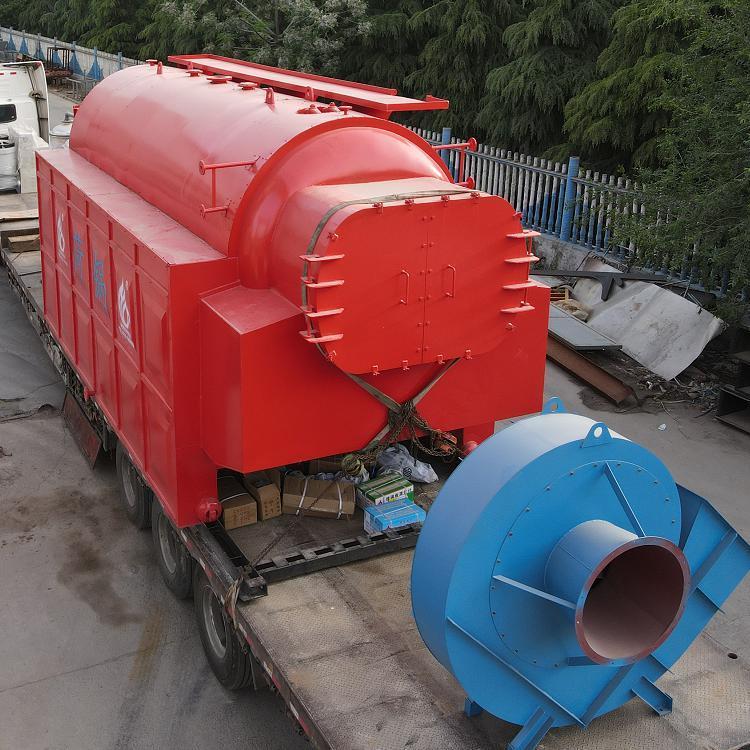
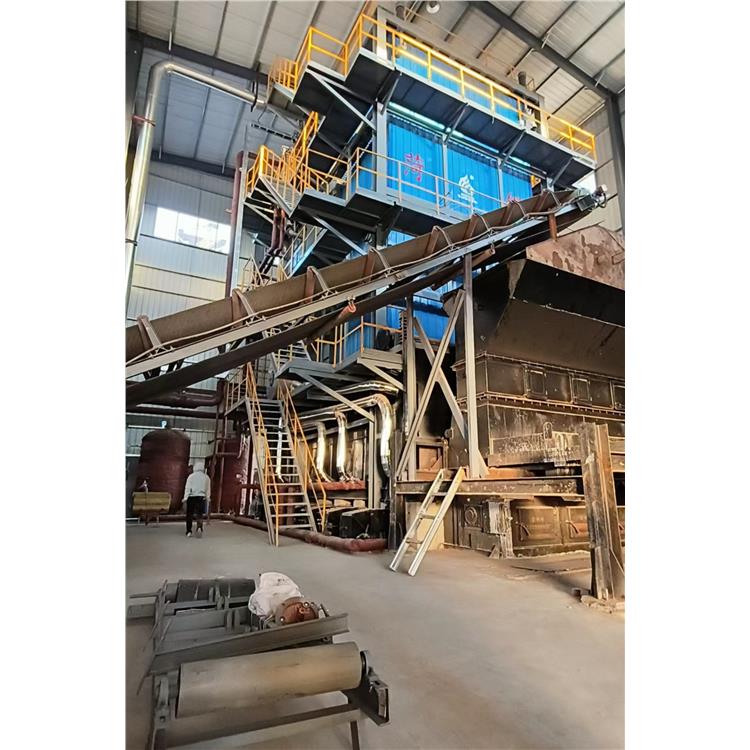
Huanggang 4-ton Biomass Boiler, Genuine Manufacturer
