


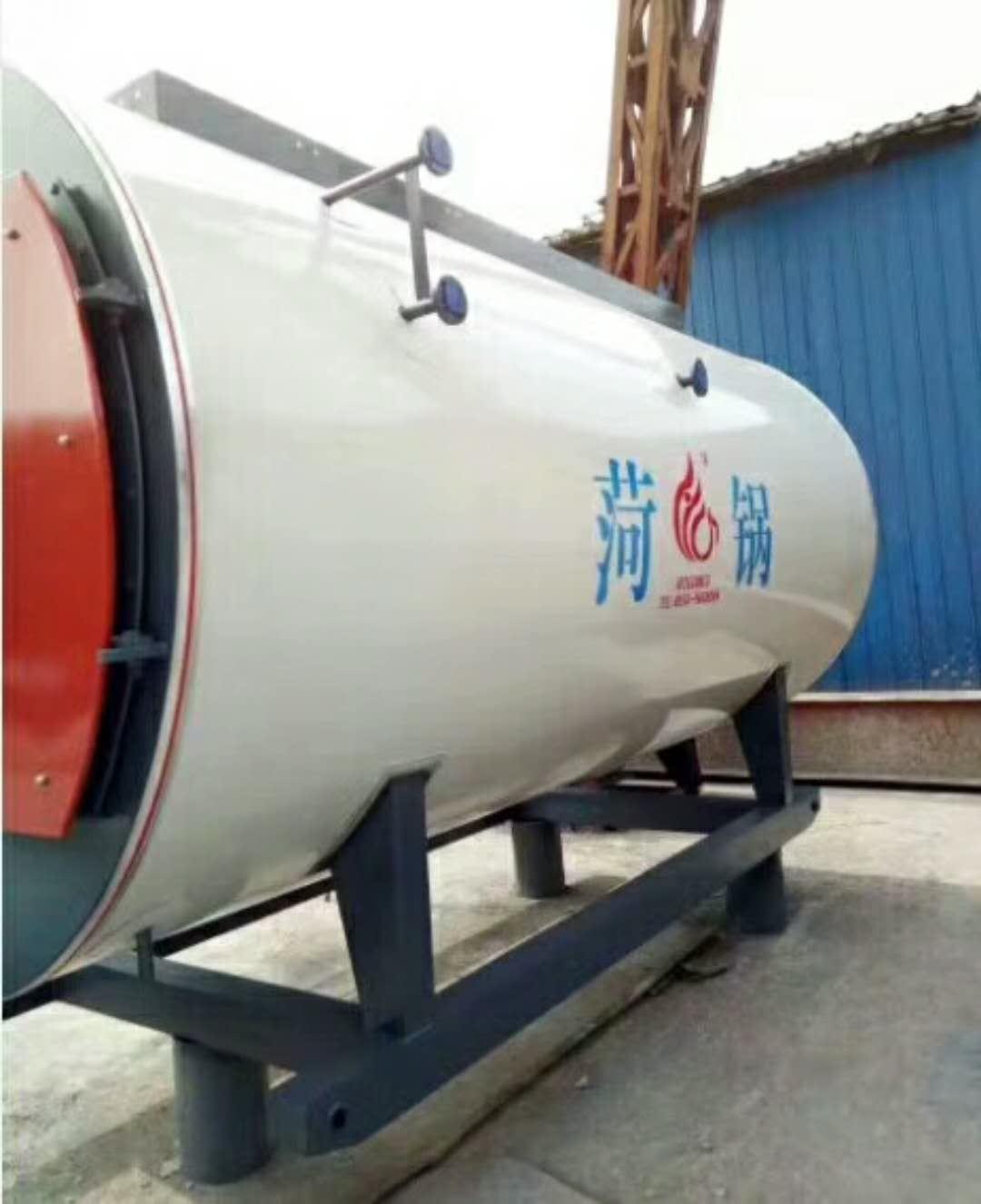


Shandong Zhongjie Special Equipment (formerly Heze Boiler Factory Co., Ltd.) holds an A-grade boiler manufacturing license, A2-grade pressure vessel manufacturing license, A2-grade pressure vessel design license, B-grade boiler installation license, and GB2/Class and GC2/Class pressure pipeline installation licenses, as well as an equipment and machinery installation contracting qualification. It is a member of the China Boiler and Water Treatment Association, the China Chemical Equipment Association, and the Council Member of the Shandong Equipment Manufacturing Association. The company has also passed the ISO9001 Quality Management System, ISO14001 Environmental Management System, OHSAS18001 Occupational Health and Safety Management System certifications, and the American ASME/U2 certification.
Carbon dioxide is widely used as a shielding gas in metal welding processes. Below are the main applications of carbon dioxide in welding:
Gas Metal Arc Welding (GMAW): Carbon dioxide is commonly used as a shielding gas in the GMAW welding process. In GMAW welding, the arc generates high temperatures in the welding area, which can also cause oxidation reactions with oxygen and water vapor, leading to reduced weld quality. By injecting carbon dioxide gas into the welding area, a protective atmosphere is formed, preventing oxygen and water vapor from entering, thereby enhancing the quality and strength of the weld.
Mixed Gas Shielding Welding (GMAW): Carbon dioxide is also often mixed with other gases (such as argon) to form mixed gas shielding welding. The use of mixed gases can adjust the arc stability, molten pool formation, and weld quality during the welding process, improving the welding results.
Gas Shielded Brazing: Carbon dioxide can also be used in gas shielded brazing processes. During brazing, the carbon dioxide gas provides a protective atmosphere, preventing oxidation and contamination in the brazing area, ensuring the quality of the brazed joints.
Gas Shielded Cutting: Carbon dioxide can also be used in gas shielded cutting processes. In gas shielded cutting, by injecting carbon dioxide gas into the cutting area, a protective atmosphere is formed, preventing oxidation and contamination, and improving the quality and speed of the cutting.
It is important to note that the application of carbon dioxide in welding needs to be adjusted and optimized according to specific welding materials, methods, and requirements. When using carbon dioxide for welding, it is necessary to follow relevant safety operating procedures and guidelines to ensure the safety and quality of the welding process.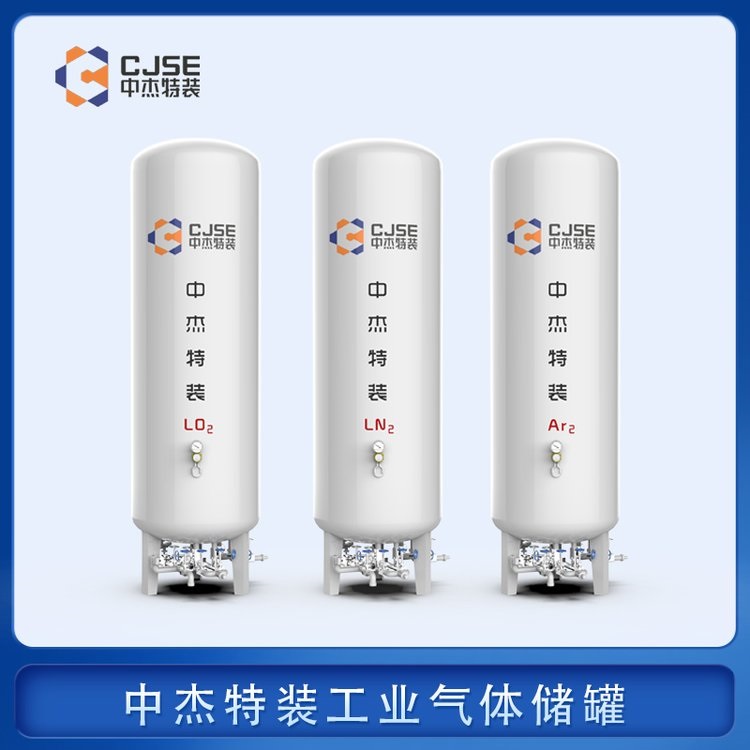
When using carbon dioxide storage tanks, the following safety procedures must be adhered to ensure safety:
Tank Operator Training: All operators must receive training to understand the characteristics, operational requirements, and safety measures of carbon dioxide storage tanks. Training should include safe tank operation, leak handling, emergency response plans, etc.
Safety Operating Procedures: Establish and follow relevant safety operating procedures, including tank startup, shutdown, inspection, and maintenance. Operators should operate in accordance with the procedures to ensure safe tank operation.
Leak Handling: Develop a leak handling program, including leak detection, emergency shutdown, and isolation of the leak source. Operators should be familiar with the leak handling procedures and able to respond quickly and correctly to leak incidents.
Fire Prevention Measures: Carbon dioxide is flammable, so fire prevention measures must be taken when using it. Smoking, open flame operations, or the placement of flammable materials are prohibited near the tank. Ensure that fire protection equipment around the tank is in good condition and that fire drills are conducted regularly.
Waste Gas Emission: When using carbon dioxide storage tanks, waste gases should be discharged properly to avoid the accumulation of carbon dioxide in enclosed spaces, which can lead to asphyxiation and safety risks. Ensure that the waste gas emission system is unobstructed and operating correctly.
Regular Inspections and Maintenance: Regularly inspect the tank's appearance, seals, valves, and pipe connections. If any abnormalities or damage are found, repairs or replacements should be made promptly. Also, regularly inspect and maintain the tank's safety valves, pressure sensors, and other accessories.
Emergency Response Plans: Develop and implement emergency response plans, including procedures for handling leak incidents, evacuation, and first aid measures. Operators should be familiar with the emergency response plans and conduct drills regularly.
Monitoring and Alarm Systems: Install and maintain monitoring and alarm systems for the tank.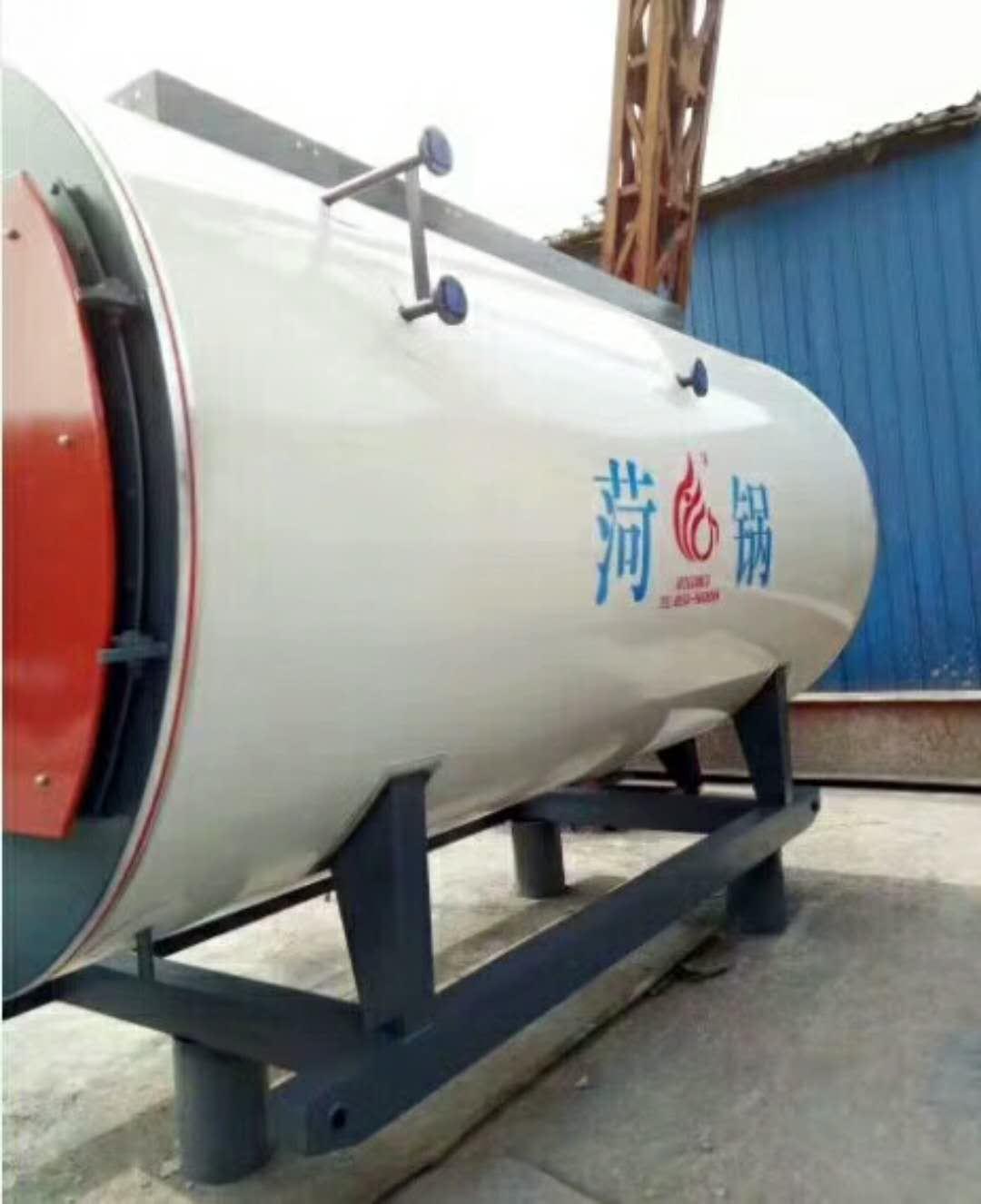
The filling process for carbon dioxide storage tanks typically includes the following steps:
Preparation: Ensure the tank and filling equipment are in good working condition. Inspect the tank's appearance and valves for any damage or leaks. Check the filling equipment's connecting pipes and valves for loose fittings or leaks.
Prepare liquid carbon dioxide: Extract liquid carbon dioxide from the supply source and transfer it to the tank of the filling equipment. Ensure the quality and purity of the liquid carbon dioxide meet the required standards.
Connect the filling equipment: Link the outlet pipe of the filling equipment to the inlet valve of the tank. Ensure the connection is secure and there are no leaks.
Open valves: Activate the corresponding valves of the filling equipment and the tank to allow liquid carbon dioxide to flow into the tank. Adjust the flow rate and pressure as needed by manipulating the valves.
Monitor the liquid level: Use a liquid level sensor or other level measurement device to continuously monitor the liquid level of carbon dioxide inside the tank. Ensure the level is within a safe range and avoid over-filling.
Filling complete: Once the liquid level in the tank reaches the predetermined filling quantity, close the corresponding valves of the filling equipment and tank to stop the filling of liquid carbon dioxide.
Inspection and cleaning: Check the valves and pipe connections during the filling process for any leaks. Clean up any remaining liquid carbon dioxide around the filling equipment and tank.
Documentation and reporting: Record relevant information about the filling process, including the filling date, quantity, and level monitoring results. Submit filling reports to relevant departments or management as required.
The above is a general procedure for filling carbon dioxide storage tanks. Specific operations should be conducted according to the characteristics and requirements of the tank. When performing filling operations, follow relevant safety operating procedures and have trained professionals handle the tasks.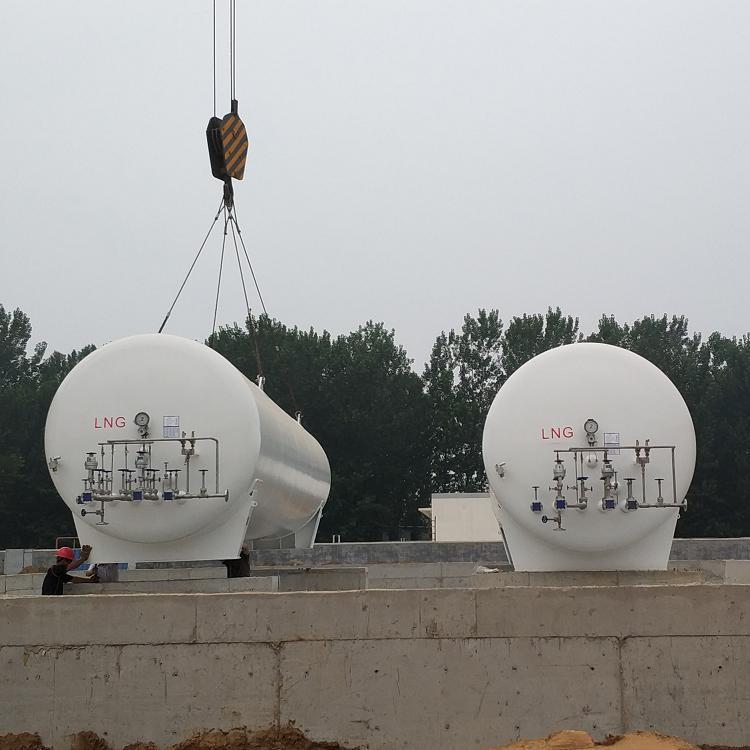
Carbon dioxide tanks are widely used in many different industries. Here are some common applications:
Food and Beverage Industry: Carbon dioxide tanks are used in the production of carbonated beverages, beer, soda, etc. Carbon dioxide is injected into the drinks to enhance their fizz and taste.
Industry: In the industry, carbon dioxide tanks are used for applications such as anesthesia, respiration, emergency care, etc. Liquid carbon dioxide can be used to produce refrigerants for freezing and preserving biological samples and tissues.
Fire Suppression: Carbon dioxide tanks are used in fire suppression systems. Carbon dioxide is released into the fire scene to extinguish flames by suppressing oxygen supply.
Gas Supply: Carbon dioxide tanks are also used to supply CO2 gas in industrial and commercial sectors. These gases can be used for welding, gas shielding, semiconductor manufacturing, water treatment, and more.
Climate Control: Carbon dioxide tanks are used in greenhouses and indoor plant cultivation to control and increase the CO2 concentration for plant growth.
Additionally, carbon dioxide tanks can be used in other industries, such as the automotive industry (for airbag systems), and other industries (for propellants and gas supply).
It's important to note that the requirements and applications for carbon dioxide tanks may vary by industry. When using carbon dioxide tanks, it is essential to follow relevant regulations and standards, and ensure that the design, manufacture, and use of the tanks meet the corresponding requirements.
Shandong Zhongjie Special Equipment, welcome customers to visit our factory for business discussions.
Chongqing Carbon Dioxide Storage Tank Price - Over 20 Years of Experience for Added Confidence
