


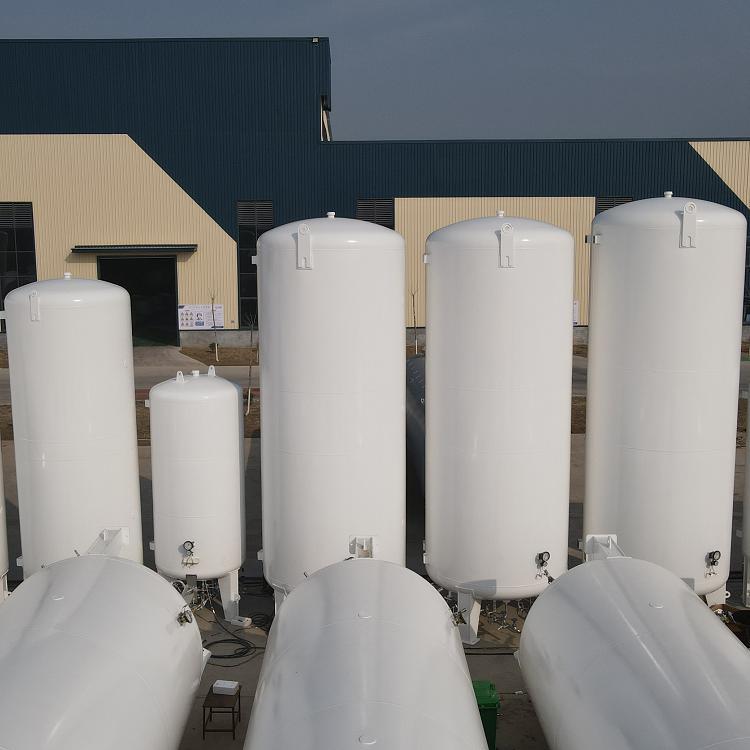
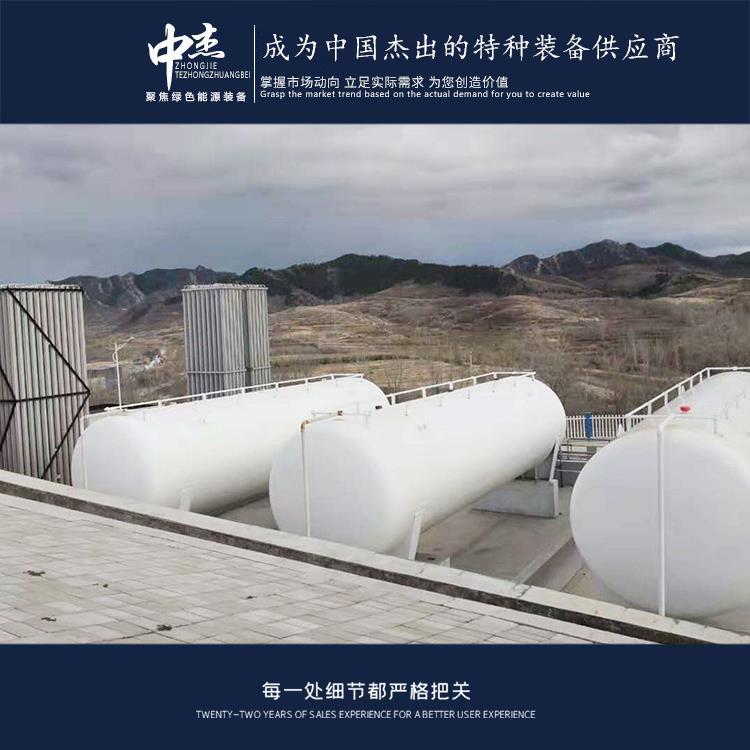
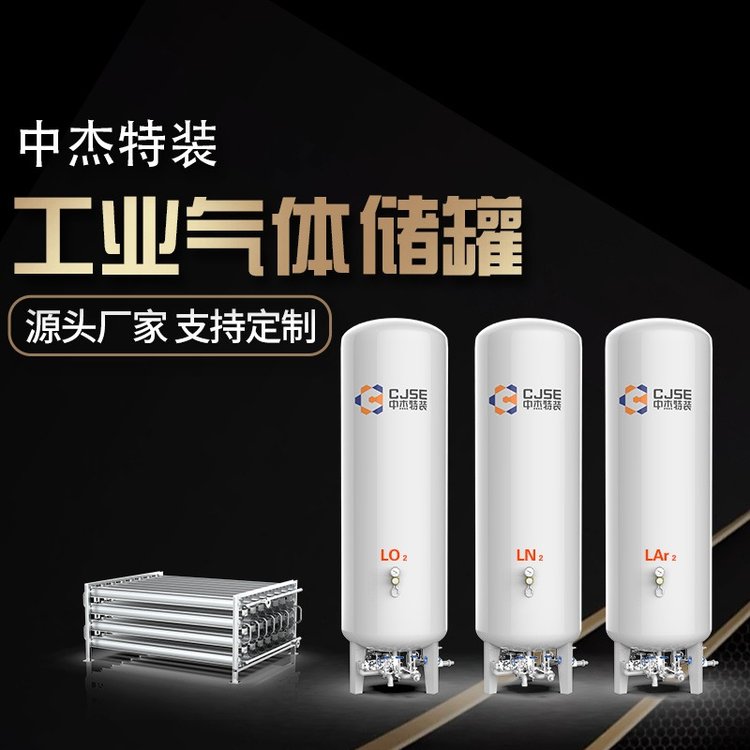
Shandong Zhongjie Special Equipment (formerly Heze Boiler Factory Co., Ltd.) was established in 2001, located at No. 2218 Jinnan Road, Economic and Technological Development Zone, Heze City. With a registered capital of 50 million yuan and total assets of 500 million yuan, the company has seven business centers: boilers, deep-freeze containers, pressure vessels, central air conditioning, engineering installation, international trade, and the Internet of Things. It has three factory sites on Jinnan Road, East Changjiang Road, and Bohai Road, covering a total area of 200,000 square meters, with the main workshop spanning 83,000 square meters. The company currently employs 710 staff, including 247 engineers and technicians, and 82 intermediate-level technicians. In December 2016, it was recognized as a "High-tech Enterprise" by the Science and Technology Department. In June 2021, it was identified as a "Specialized and New Enterprise in Shandong Province" by the Department of Industry and Information Technology. In June 2022, it was recognized as a "Gazelle Enterprise in Shandong Province" and in August 2022, as a "Specialized and New Small Giant Enterprise" by the Ministry of Industry and Information Technology.
Tanks are specialized storage equipment that require regular inspections and maintenance to ensure safe operation. Here are common inspection methods for tanks:
Visual Inspection: Regularly inspect the appearance of the storage tank, including checking for leaks, corrosion, deformation, cracks, and other issues. Pay special attention to the integrity of the tank's joints, welds, and valves.
Pressure Test: Conduct pressure tests to check the tank's sealing performance and pressure resistance. Use a pressure gauge or pressure sensor to perform pressure tests on the tank to ensure it can withstand the designed pressure.
Ultrasonic Testing: Ultrasonic testing can be used to detect corrosion and cracks in tank walls. By scanning the tank with an ultrasonic probe, potential defects and issues are identified.
Magnetic Particle Inspection: Magnetic particle inspection is used to detect cracks in tank walls and the quality of welds. It involves applying magnetic particles to the tank surface and then using a magnetic particle inspection device to observe if there is any aggregation of magnetic particles, which indicates the presence of cracks or weld issues.
Environmental Monitoring: Regularly monitor the environment around storage tanks, including parameters such as gas concentrations and temperatures, to ensure the safety of the surrounding environment.
Note that tank inspections should be conducted by a certified inspection agency or qualified inspectors. The frequency and methods of inspection should be determined based on the tank's usage, scale, and relevant regulations. Regular inspections and maintenance can help identify potential issues early on, ensuring the safe operation of the tank.
Operation procedures for liquid oxygen storage tanks should be established based on the specific tank design and usage requirements. Below are some common contents of general operation procedures for liquid oxygen storage tanks:
- Operator Training: Ensure operators have received relevant training for liquid oxygen storage tanks, understanding the tank's structure, performance, operation procedures, and safety precautions.
- Safety Inspections: Conduct necessary safety inspections prior to operating the liquid oxygen storage tank, including checking the tank's integrity, the sealing of valves and pipes, and the condition of the insulation layer.
- Liquid Oxygen Supply: Ensure the liquid oxygen supply system is functioning properly, including inspecting the status of liquid oxygen supply pipes, valves, and pressure gauges, and ensuring an adequate supply of liquid oxygen.
- Tank Pressure Control: Monitor the pressure of the liquid oxygen storage tank to ensure it remains within a safe range. If necessary, control the tank's pressure by adjusting pressure valves or pressure relief devices.
- Leak Control: Regularly check the sealing of the tank and pipes to ensure there are no leaks. In case of a leak, take immediate measures for leak control and notify relevant personnel.
- Fire Prevention Measures: Prohibit open flames and prevent sparks and high-temperature objects from contacting the tank around the liquid oxygen storage tank. Establish fire prevention facilities and fire-fighting equipment, and conduct regular inspections and maintenance.
- Safety Distance: Maintain a certain safety distance around the liquid oxygen storage tank to prevent the spread of fires, explosions, and leaks.
- Maintenance and Repair: Regularly perform maintenance and repairs on the tank, including cleaning the tank, inspecting the insulation layer, valves, and pipes, to ensure normal operation.
- Waste Disposal: Properly dispose of waste generated by the liquid oxygen storage tank, including liquid oxygen residue, waste gases, and waste liquids, following relevant environmental protection regulations and standards.
Note that operation procedures for liquid oxygen storage tanks should be established based on the specific tank design and usage requirements, and should comply with applicable regulations, standards, and safety guidelines. When operating liquid oxygen storage tanks, cooperation with local regulatory authorities and individuals should be ensured for the safety and reliability of the tanks.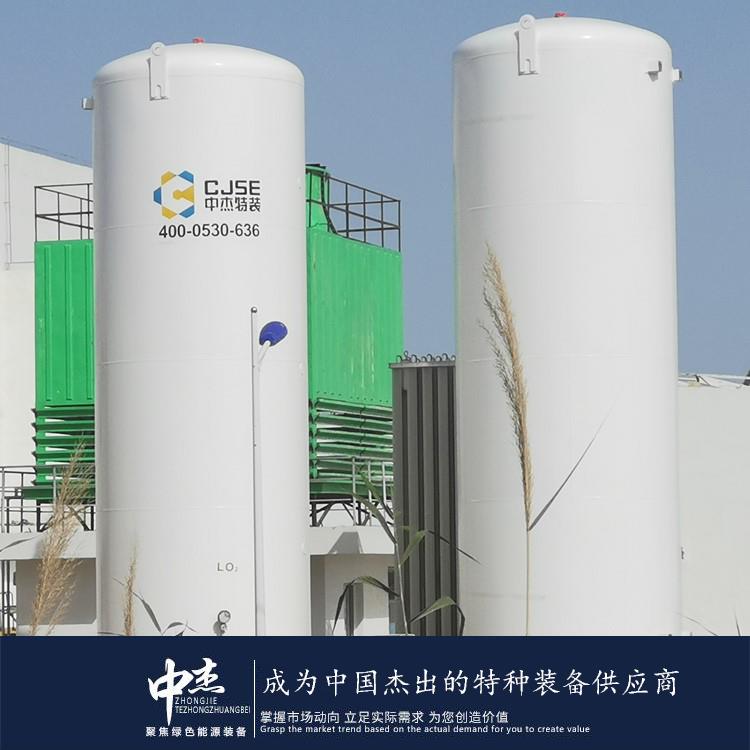
Water tightness tests for liquid nitrogen tanks are a common testing method used to verify the tank's sealing and pressure resistance capabilities. The general steps for the water tightness test of a liquid nitrogen tank are as follows:
Preparation: Ensure the tank is clean internally and all gases and liquids are drained. Check that the tank's seals and safety devices are in proper working order.
Fill with water: Fill the interior of the tank with water, ensuring the water level is above the low water mark. Pump or other appropriate methods can be used for filling.
Apply Pressure: Gradually increase water pressure using a pressure pump or other pressure source until the predetermined test pressure is reached. The test pressure is typically 1.1 times the tank's design working pressure.
Pressure maintenance: After reaching the test pressure, maintain it for a period (typically 30 minutes to 1 hour) and observe for any abnormal conditions such as leaks or deformation in the tank.
Pressure Relief: Gradually release pressure to expel water from the tank until the tank is completely emptied.
Inspection and Evaluation: Check the surface and interior of the tank for leaks, deformation, or other damage. Evaluate the test results to ensure the tank meets design specifications and safety standards.
需要注意的是,液氮储罐水压试验需要由人员进行操作,并遵循相关的安全操作规程。在进行测试前,应仔细阅读和遵守储罐制造商提供的操作指南和安全注意事项。
The manufacturing process for the heads and cylinders of low-temperature storage tanks typically includes the following steps:
Material Preparation: Select suitable materials, such as low-temperature alloy steel or stainless steel, based on design requirements and specifications. Inspect and verify the materials to ensure their quality meets the standards.
Sheet Cutting: Sheets are cut according to design dimensions and shapes. Common cutting methods include flame cutting, plasma cutting, or laser cutting, etc.
Bending and Forming: Cut板材are bent and formed to create shapes for caps and cylinders. Common forming methods include cold bending, hot bending, or hydraulic forming, among others.
Welding: The formed sheets are焊接to create the structural components of the head and cylinder. Common welding methods include manual arc welding, gas shielded welding, or laser welding, etc.
Weld Seam Treatment: Processes the weld seams after welding, such as sanding, polishing, or applying corrosion protection coatings, to enhance the quality and appearance of the seams.
Inspection and Acceptance: Conduct inspections and acceptances on the finished caps and cylinders to ensure their quality and compliance with design specifications. Common inspection methods include ultrasonic testing, radiographic testing, or liquid penetrant testing, etc.
Reinforcement and Support: Process and install reinforcement and support on the heads and cylinders as needed to enhance structural strength and stability.
Surface Treatment: The heads and cylinders undergo surface treatment, such as applying anti-corrosion coatings, hot-dip galvanizing, or polishing, to enhance their corrosion resistance and appearance quality.
It's important to note that the manufacturing process for low-temperature storage tanks must comply with relevant standards and regulations to ensure the quality and safety of the production process. During manufacturing, strict adherence to safety operation procedures and the implementation of necessary protective measures are required to ensure the safety of the operators.
Shandong Zhongjie Special Equipment, welcome customers to our factory for business talks.
Xiangtan Argon Storage Tank, 304 Stainless Steel Material
