


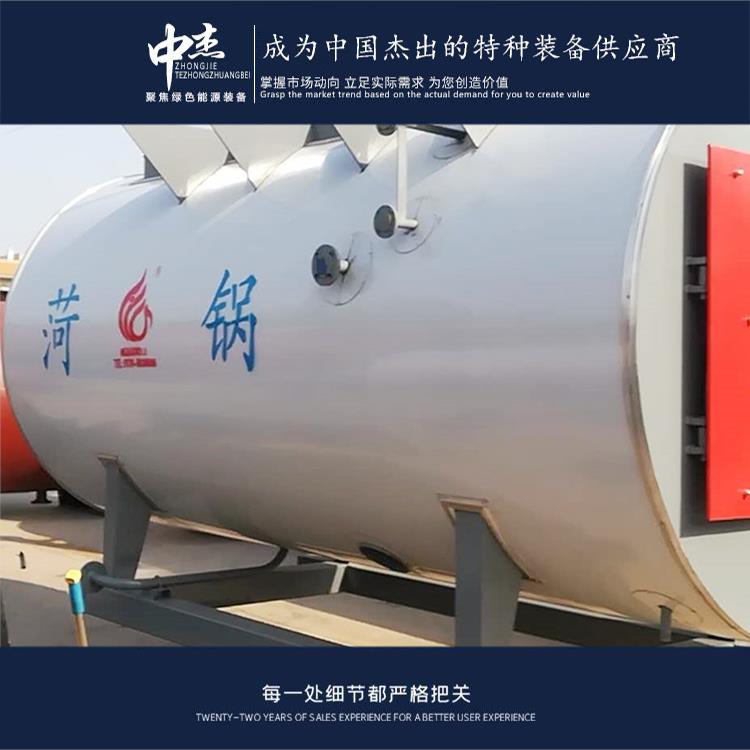
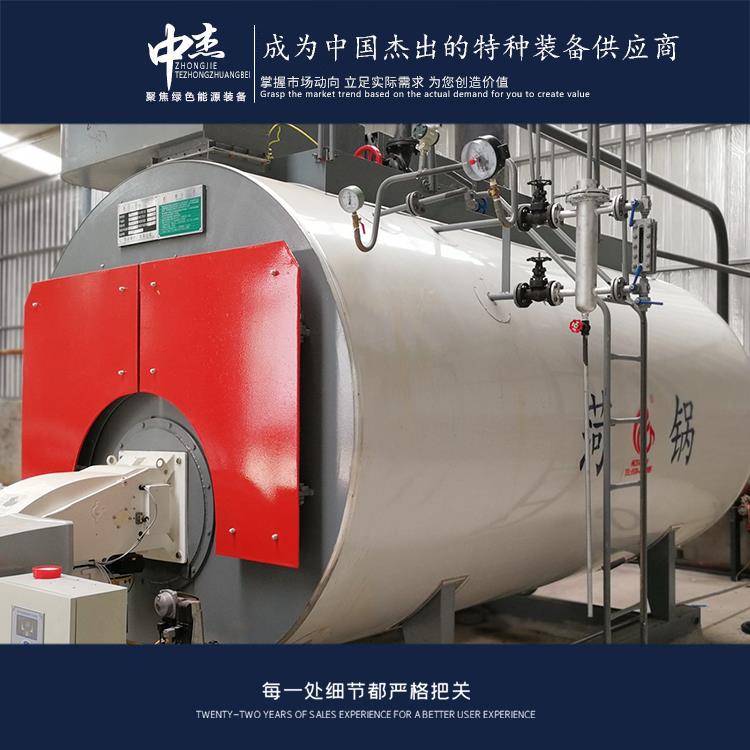
Shandong Zhongjie Special Equipment (formerly Heze Boiler Factory Co., Ltd.) was established in 2001, located at No. 2218 Jinnan Road, Economic and Technological Development Zone, Heze City. With a registered capital of 50 million yuan and total assets of 500 million yuan, the company has 7 business centers: boilers, deep-freezing containers, pressure vessels, central air conditioning, engineering installation, international trade, and Internet of Things. It has three factory sites on Jinnan Road, East Changjiang Road, and Bohai Road, covering a total area of 200,000 square meters, with the main workshop spanning 83,000 square meters. It currently employs 710 people, including 247 engineers and technicians and 82 intermediate-level technicians. In December 2016, it was recognized as a "High-tech Enterprise" by the Science and Technology Department. In June 2021, it was identified as a "Specialized and New Enterprise in Shandong Province" by the Ministry of Industry and Information Technology. In June 2022, it was recognized as a "Gazelle Enterprise in Shandong Province" and in August 2022, it was identified as a "Specialized and New Small Giant Enterprise" by the Ministry of Industry and Information Technology.
A condensing steam boiler is a highly energy-efficient heating equipment, with the following working principle and features:
Working Principle:
- Steam Generation: The condensing steam boiler produces high-temperature flue gas by burning gas, which then exchanges heat with the water pipes inside the boiler, heating the water to produce steam.
- Steam Condensation: After steam is generated, it enters the condenser where it exchanges heat with the condensing medium (usually cold water or recycled water), releasing heat from the steam and condensing it back into water.
- Flue Gas Reuse: The condensed flue gas still contains a certain amount of heat, which can be recovered and reused by a flue gas reuse unit to improve the boiler's thermal efficiency.
Features:
- Energy-saving: The condensing steam boiler utilizes the principle of steam condensation to maximize the use of heat in the steam, enhancing thermal energy utilization efficiency and reducing energy consumption.
- Low Emission: Due to the recovery of most heat during the flue gas condensation process, the flue gas temperature is lower, resulting in reduced emissions of pollutants and a smaller environmental impact.
- Compact Structure: The condensing steam boiler typically features a compact design, occupying less floor space, making it suitable for areas with limited space.
- Fast Start-up: The boiler has the characteristic of quick start-up and shutdown, allowing for flexible adjustment and operation based on actual needs.
- Wide Application Range: The condensing steam boiler is suitable for heating and steam requirements in industrial processes, such as power plants, chemical factories, and textile factories.
- Maintenance Note: It is important to maintain and service the condensing steam boiler during use, regularly cleaning the condenser and flue gas reuse unit to ensure proper operation and performance.
Converting a standard boiler to a gas boiler can significantly enhance energy utilization efficiency and energy-saving effects. Here's some insight into the energy-saving efficiency of switching to a gas boiler: High combustion efficiency: Gas boilers use gas as fuel and typically have higher combustion efficiency. Compared to traditional coal or oil-fired boilers, gas boilers can achieve a higher level of combustion efficiency, reducing energy waste. Low emissions: Gas boilers produce less exhaust emissions during combustion, causing less environmental pollution. The combustion technology and emission control devices used in gas boilers usually effectively reduce emissions of harmful substances like nitrogen oxides. Fast start-up and shutdown: Gas boilers can be started and stopped quickly, allowing for flexible adjustments based on actual needs. Compared to coal-fired boilers, gas boilers have shorter start-up and shutdown times, avoiding prolonged preheating and cooling processes, and reducing energy waste. High thermal efficiency: Gas boilers generally have higher thermal efficiency, achieving higher energy conversion rates. The heat exchange technology and energy-saving design used in gas boilers maximize the use of gas's thermal energy, enhancing heating performance. Smart control and management: Gas boilers are often equipped with intelligent control systems that can automatically adjust operating states based on actual needs. Through intelligent control and regulation, gas boilers can achieve stable heating and avoid unnecessary energy waste. It's important to note that switching to a gas boiler requires considering the reliability and safety of the gas supply, as well as the suitability and installation requirements of the gas boiler. It is recommended to consult engineers or relevant agencies before making the conversion.
Steam boiler energy saving is an urgent mission for the following reasons: Energy Consumption: Steam boilers typically use fuel to produce steam, and fuel consumption directly impacts energy usage. With the increasing scarcity of energy resources and rising energy prices, energy saving has become a critical task. Environmental Protection: The emissions and waste smoke from fuel combustion pollute the environment, including air pollution and greenhouse gas emissions. By reducing fuel consumption through energy saving, the impact on the environment and carbon emissions can be minimized. Economic Benefits: Energy saving can lower energy consumption and operating costs, improving energy utilization efficiency. By implementing energy-saving measures, companies can reduce energy expenses and enhance economic benefits. Sustainable Development: Energy saving is an essential component of sustainable development. By reducing energy consumption, the lifespan of energy resources can be extended, providing more energy reserves for future development. Legal and Regulatory Requirements: Many regions have established laws, regulations, and policies for energy conservation and emission reduction, requiring companies to adopt energy-saving measures and reduce energy consumption and environmental pollution. Therefore, steam boiler energy saving is an urgent task. By implementing effective energy-saving measures, energy consumption can be reduced, environmental pollution can be minimized, economic benefits can be improved, and sustainable development can be achieved.
After the hot water boiler is shut down, here are some common maintenance measures:
1. Clean the boiler: After shutdown, the boiler should be cleaned first. Dust, dirt, and sediments inside the boiler can be washed with appropriate cleaning tools and detergents. Pay special attention to cleaning the combustion chamber, flue, and heat exchanger, among other critical areas.
2. Drain the water: Empty the water from the boiler to prevent the accumulation of scale and corrosive substances. Open the drain valve to release the water until the interior of the boiler is completely drained.
3. Corrosion prevention: Before shutting down the boiler, apply corrosion prevention measures to prevent internal metal corrosion. Use suitable corrosion inhibitors or coatings and apply them to the key areas inside the boiler.
4. Inspection and maintenance: During shutdown, regularly inspect the various components and connections of the boiler to ensure there are no loose, damaged, or leaking issues. If problems are found, repair or replace them promptly.
5. Keep dry: After shutdown, maintain the dryness inside the boiler. Open the ventilation and exhaust ports of the boiler to ensure air circulation, preventing moisture and mold growth.
6. Regular inspections: Regularly check the condition of the boiler to ensure there are no abnormalities. Develop a corresponding inspection plan based on the boiler's usage and requirements, such as a comprehensive check every quarter or year.
7. Preparations before startup: Before restarting the boiler, perform the necessary preparatory work. This includes cleaning the boiler, checking the connections of equipment and pipes, and inspecting the fuel supply.
Shandong Zhongjie Special Equipment, welcome customers to visit our factory for business discussions.
Xinxiang 3-ton gas boiler
