


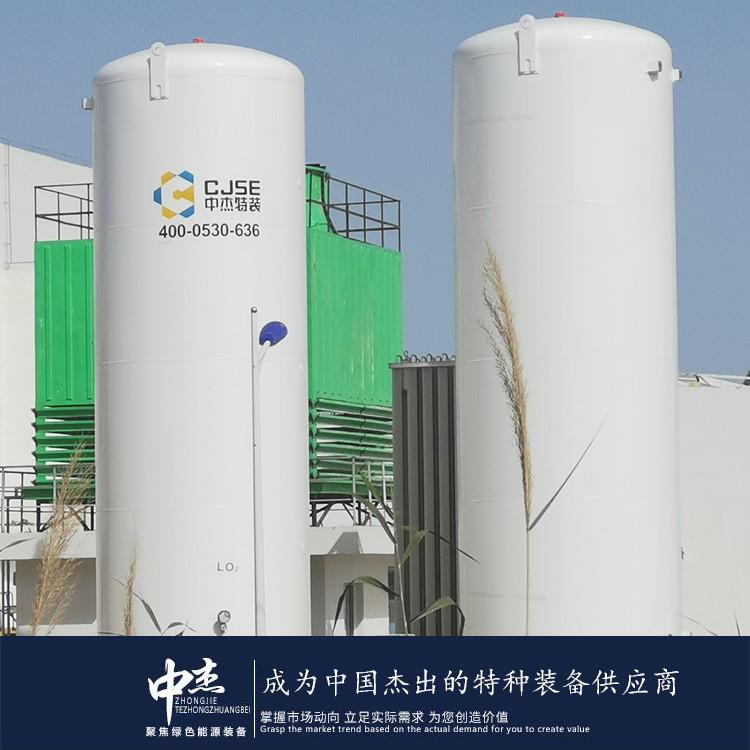
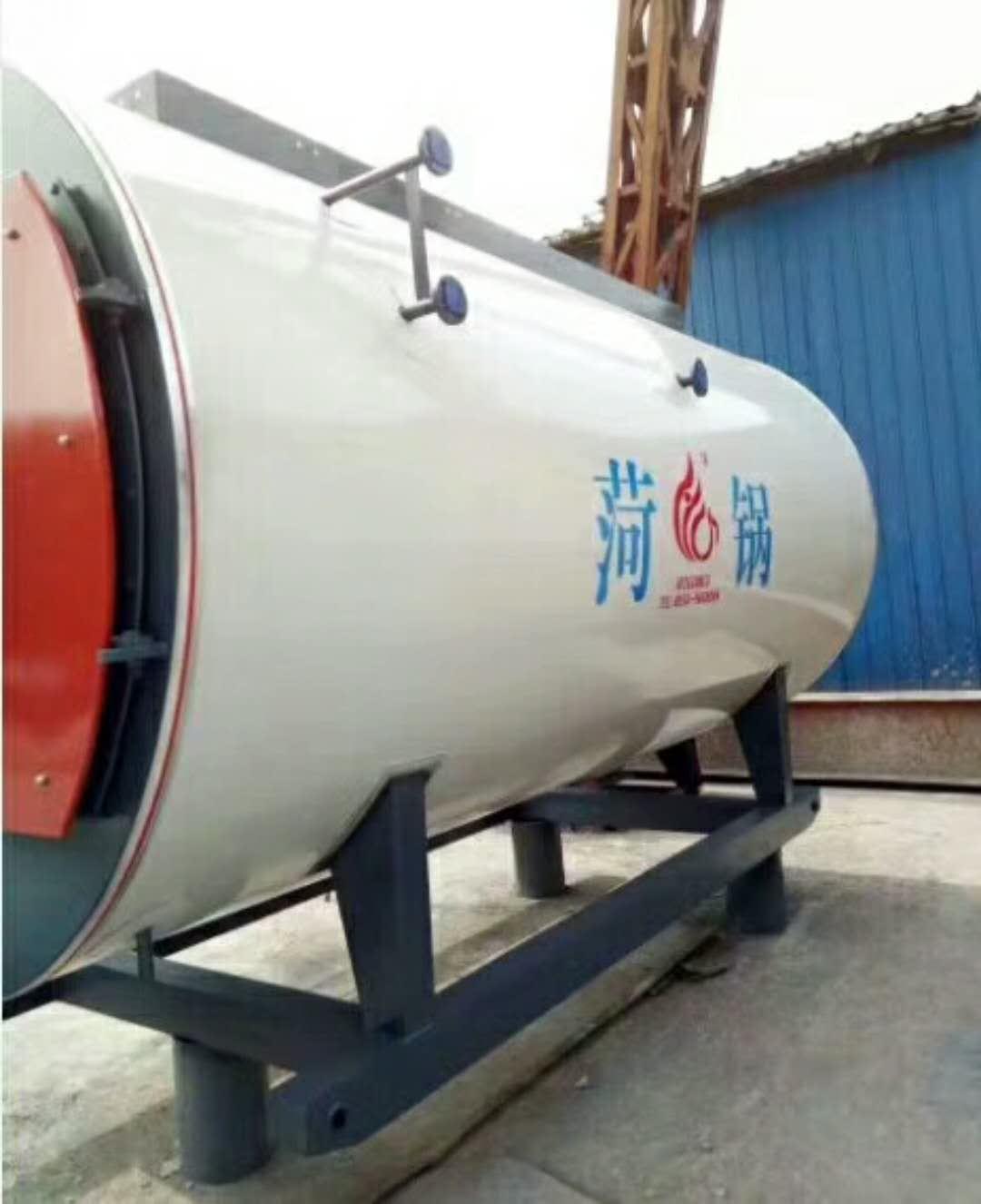
Shandong Zhongjie Special Equipment Co., Ltd. (formerly Heze Boiler Factory Co., Ltd.) was established in 2001, located at No. 2218 Jinnan Road, Development Zone, Heze City, with a registered capital of 50 million yuan and total assets of 500 million yuan. The company has 7 business centers: boilers, deep-freezing containers, pressure vessels, central air conditioning, engineering installation, international trade, and Internet of Things. It has three factory sites on Jinnan Road, East Changjiang Road, and Bohai Road, covering a total area of 200,000 square meters, with the main workshop spanning 83,000 square meters. It currently employs 710 people, including 247 engineers and technicians and 82 intermediate-level technicians. In December 2016, it was recognized as a "High-tech Enterprise" by the Science and Technology Department. In June 2021, it was identified as a "Specialized and New Enterprise in Shandong Province" by the Department of Industry and Information Technology. In June 2022, it was recognized as a "Gazelle Enterprise in Shandong Province" and in August 2022, it was identified as a "Specialized and New Small Giant Enterprise" by the Ministry of Industry and Information Technology.
To extend the service life of CO2 storage tanks, the following measures can be taken:
- Regular inspections and maintenance: Conduct regular checks on the tank's exterior, inner lining, valves, and pipeline connections to ensure they are intact. Promptly repair or replace any abnormalities or damages found.
- Corrosion prevention: As CO2 is corrosive, both the internal and external surfaces of the tank should be treated with corrosion prevention measures. Regularly inspect and maintain the integrity and effectiveness of the protective layer or coating.
- Cleaning and draining: Regularly clean the interior of the tank to remove accumulated impurities and sediments. Also, periodically drain the tank's liquid and gas impurities to maintain cleanliness and normal operation.
- Temperature and pressure control: Maintain the tank's temperature and pressure within the design limits to avoid damage from extreme temperatures or pressures.
- Regular testing and calibration: Conduct regular tests and calibrations of the tank, including parameters such as level, pressure, and temperature, to ensure accurate and reliable measurement and control systems.
- Adherence to operational procedures: Strictly follow operational and safety procedures to ensure the tank operates normally and safely. Train operators to enhance their operational skills and safety awareness.
- Upgrades and updates: Update and upgrade tank components and equipment as needed to meet new technology and safety requirements.
- Regular assessments and monitoring: Regularly assess and monitor the tank, including structural integrity, corrosion, and safety aspects. Implement appropriate maintenance and repair measures based on assessment results.
- These measures can help extend the service life of CO2 storage tanks and ensure their safe and reliable operation.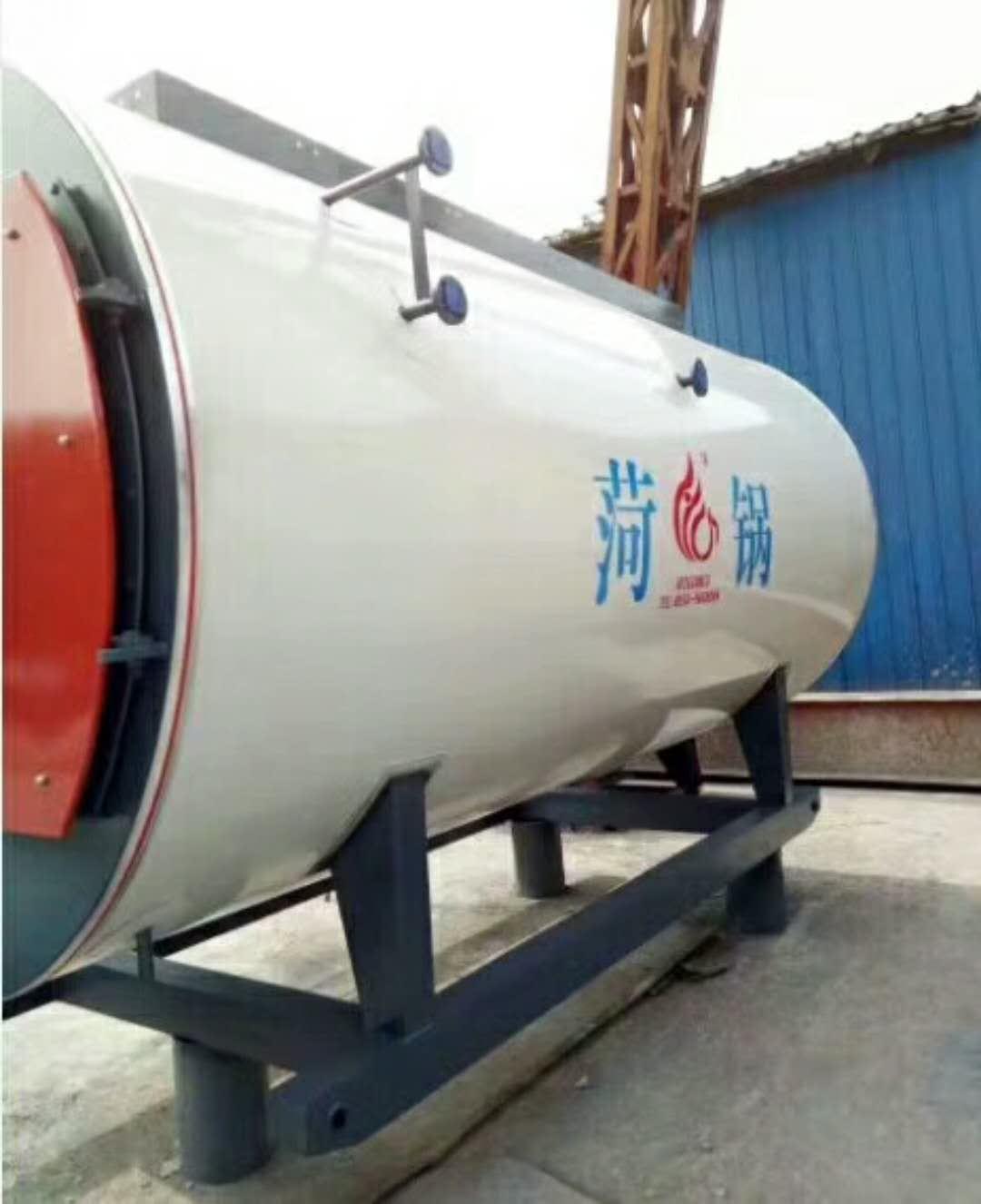
When using CO2 storage tanks, be mindful of the following aspects:
- Safe Operation: Adhere to relevant safety operating procedures and standards, ensuring operators possess necessary safety knowledge and skills. When using the tank, be vigilant against risks like leaks, explosions, and fires.
- Tank Pressure Control: Monitor and control the tank's pressure to ensure it remains within safe limits. Avoid exceeding the tank's rated pressure to prevent破裂 or leakage.
- Level Monitoring: Regularly check the liquid level inside the tank to ensure adequate CO2 supply. Avoid overfilling or underfilling to maintain proper levels.
- Static Electricity Measures: Implement anti-static measures to prevent static buildup and discharge. Use anti-static equipment and tools to ensure static safety during operations.
- Tank Maintenance: Regularly inspect and maintain the tank, including its appearance, valves, and fittings. Ensure the tank is intact to prevent leaks and damage.
- Emissions Treatment: Handle the emissions produced by CO2 storage tanks to avoid environmental pollution. Adopt appropriate emissions treatment measures, such as collecting and treating emissions.
- Storage Records: Document the tank's usage, including filling dates, quantities, and inspection records. Regularly conduct tank inspections and maintenance, and retain relevant records.
- Training and Awareness: Train operators to enhance their awareness and ability in safe CO2 tank operation. Conduct regular safety training and drills to respond to emergencies.
- Note: The above are common precautions; specific considerations may vary depending on tank types and applications. When using CO2 storage tanks, operate according to relevant specifications and standards, and consult with experts to ensure safety and effectiveness.
The cooling process for carbon dioxide storage tanks can vary depending on specific application requirements and design. Here is an example of a general cooling process for a carbon dioxide storage tank: Initial Cooling: When carbon dioxide enters the tank, it is typically cooled initially to lower its temperature. This can be achieved by passing the carbon dioxide through a condenser or cooler. The cooling medium can be cold water or refrigerant. Tank Cooling: After carbon dioxide enters the tank, it is necessary to continue cooling the tank itself to maintain the liquid state of the carbon dioxide. This can be done by installing coolers or cooling pipes externally and circulating the cooling medium (such as cold water or refrigerant). Temperature Control: During the tank cooling process, the temperature inside the tank must be controlled to ensure that the carbon dioxide remains within an appropriate temperature range. This can be achieved through temperature sensors and control systems, which automatically control the temperature based on the set range. Insulation: To reduce heat transfer and energy loss, the tank is usually insulated. This can be done by setting up insulating materials (such as polyurethane foam or glass wool) externally to reduce heat conduction. Regular Inspection and Maintenance: In the cooling process of the tank, regular inspection and maintenance of cooling equipment and insulation materials are required to ensure proper operation and effectiveness. This includes cleaning coolers, checking the integrity and effectiveness of the insulation materials, etc. It should be noted that the specific cooling process for carbon dioxide storage tanks may vary due to different application scenarios and process requirements. In practice, process design and operation should be based on specific conditions to ensure the safety and performance of the tank. Consult an engineer or storage specialist for more information.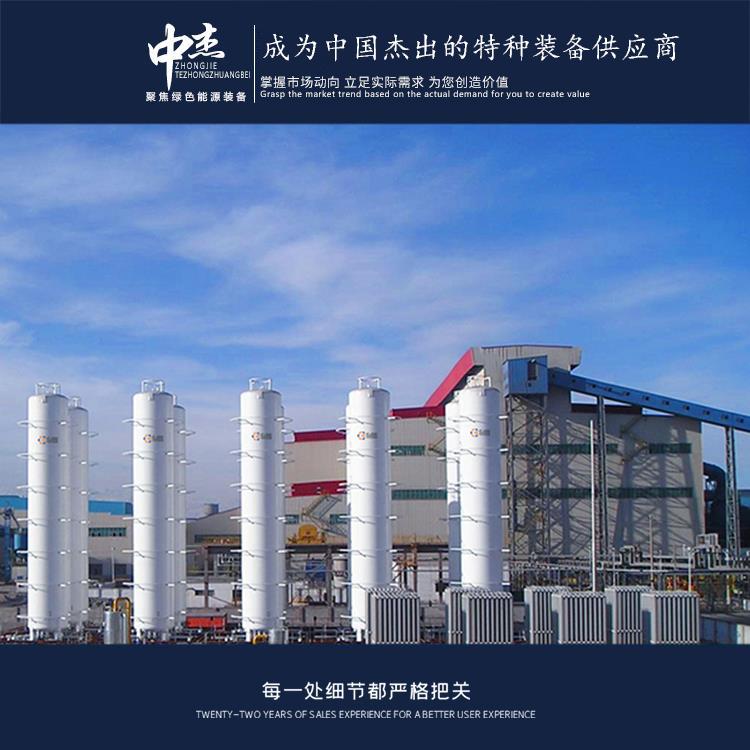
When cooling carbon dioxide storage tanks, be mindful of the following points and familiarize yourself with the basic steps of the cooling process:
**Points to Consider:**
**Safety:** Pay attention to safety during the cooling process to ensure the safety of operators and the surrounding environment. Adhere to relevant safety operating procedures and standards, and use appropriate personal protective equipment.
**Equipment Selection:** Choose suitable cooling equipment and tools, such as cooling media (e.g., liquid nitrogen), coolers, and cooling systems. Select the appropriate cooling equipment based on the tank's size and requirements.
**Temperature Control:** Control the temperature during the cooling process to avoid overcooling or insufficient cooling. Determine the appropriate cooling temperature range based on the tank's design requirements and operating conditions.
**Cooling Process Analysis:**
**Preparation:** Ensure there are no residual gases or impurities inside the tank to avoid affecting the cooling effect. Check the tank's sealing and the operation of the safety valve.
**Cooling Media Injection:** Inject cooling media (e.g., liquid nitrogen) into the tank to lower the tank's temperature. Control the injection rate and quantity during the process to avoid over-injection and excessive pressure.
**Cooling Time:** Determine the cooling time based on the tank's size and requirements. The cooling time typically needs to be long enough to ensure that the carbon dioxide inside the tank is fully cooled and liquefied.
**Temperature Monitoring:** Regularly monitor the tank's temperature during the cooling process to ensure it remains within the appropriate range. Use temperature sensors or infrared thermometers for monitoring.
**Cooling Completion:** The cooling process is complete when the tank reaches the predetermined cooling requirements. At this point, the carbon dioxide inside the tank should be in a liquid state.
**Note:** The specific cooling process and steps may vary depending on the tank design and application scenarios. When conducting cooling operations, follow relevant safety operating procedures and standards to ensure safety and effectiveness.
Chungjie Special Equipment adheres to the grand vision of "realizing employees' dreams, creating customer value, and striving for the prosperity and strength of our motherland," and is dedicated to the development of the green energy equipment industry. We commit to society with high-quality products and services at competitive prices!
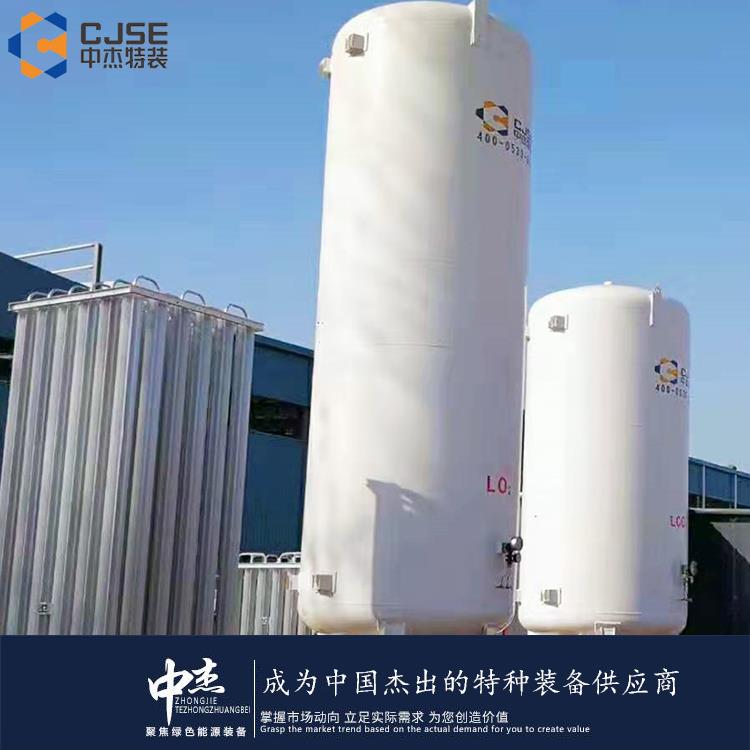
Zhaoqing 15-cubic-meter CO2 Storage Tank, Customizable
