


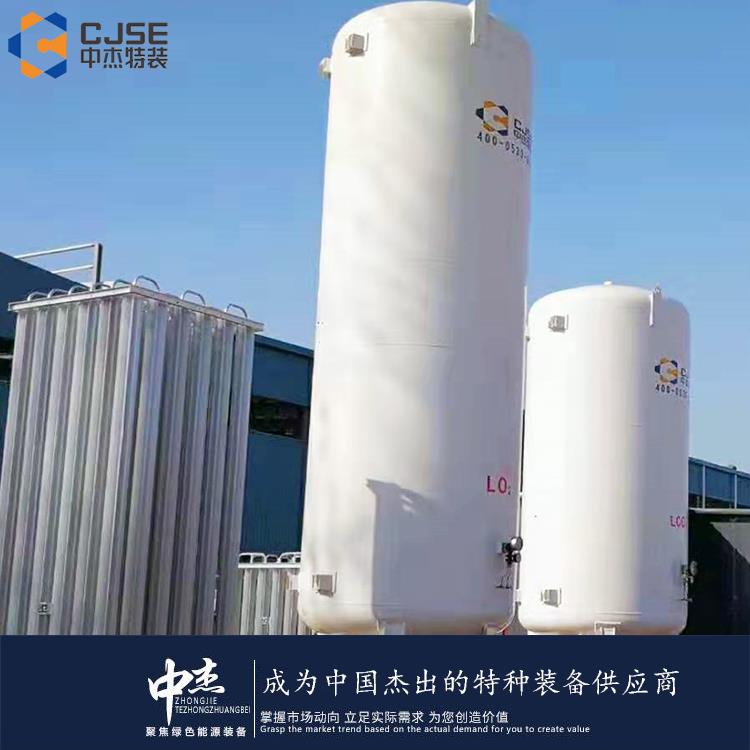
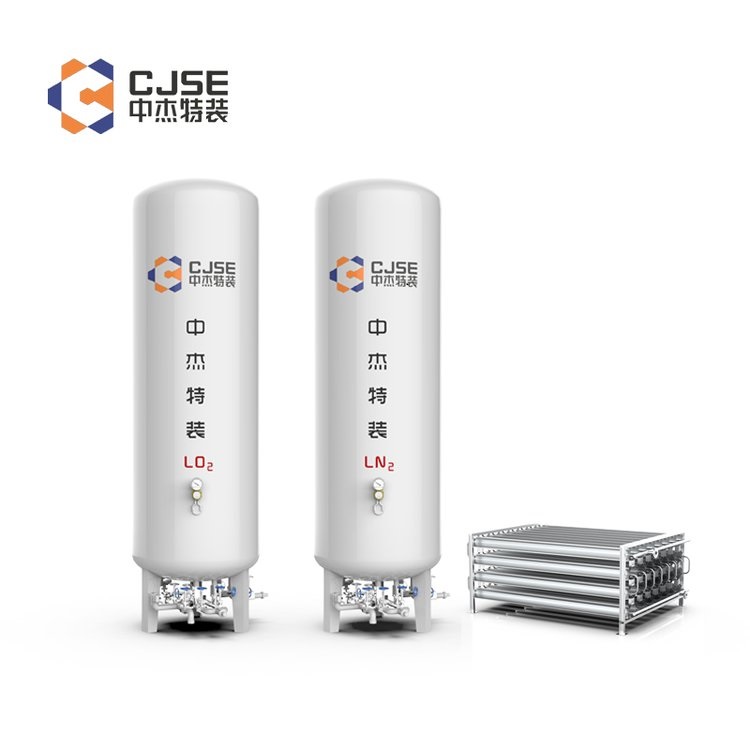
Shandong Zhongjie Special Equipment (formerly Heze Boiler Factory Co., Ltd.) holds an A-grade boiler manufacturing license, an A2-grade pressure vessel manufacturing license, an A2-grade pressure vessel design license, a B-grade boiler installation license, and GB2/Class, GC2/Class pressure pipeline installation licenses, as well as a qualification for electromechanical equipment installation contracts. It is a member of the China Boiler and Water Treatment Association, the China Chemical Equipment Association, and a council member of the Shandong Equipment Manufacturing Association. The company has also passed certifications for the ISO9001 Quality Management System, ISO14001 Environmental Management System, OHSAS18001 Occupational Health and Safety Management System, and the American ASME/U2 certification.
The testing and maintenance of liquid oxygen storage tanks are crucial for ensuring safe operation and extending their service life. Below is a general outline of the testing and maintenance procedures for liquid oxygen storage tanks:
- External Inspection: Conduct regular external inspections of the liquid oxygen storage tank, checking for corrosion, wear, cracks, and other issues on the tank's surface. If any abnormalities are found, repair or replacement should be done promptly.
- Internal Cleaning: Regularly clean the interior of the liquid oxygen storage tank to remove accumulated impurities and dirt. Pay attention to using appropriate cleaning agents and tools to avoid damaging the tank.
- Level Measurement: Regularly measure the level to ensure the liquid oxygen within the storage tank is within the safe range. Use a level gauge or other measuring equipment, and record the results.
- Pressure Testing: Conduct regular pressure tests to verify the tank's pressure resistance. Pay attention to controlling pressure and time during testing to ensure safety and accuracy.
- Leak Detection: Regularly perform leak detection to ensure the tank's seal integrity. Use leak detection instruments such as gas detectors or foam leak detection agents.
- Valve and Pipeline Inspection: Regularly inspect the valves and pipeline connections of the liquid oxygen storage tank to ensure good sealing and no leakage. If any issues are found, repair or replacement should be done promptly.
- Maintenance Records: Keep records of the testing and maintenance activities, including inspection dates, contents, and results. These records help track the tank's maintenance history and issue resolution.
- Scheduled Maintenance: Develop a regular maintenance plan based on the tank's usage and requirements. This includes lubrication, bolt tightening, and replacement of seals to ensure normal operation.
Carbon dioxide tank level gauges are devices used for measuring and monitoring the liquid level of carbon dioxide within the tank. Depending on different working principles and application requirements, common types of carbon dioxide tank level gauges include the following:
- Buoy Level Gauge: Uses the buoyancy of a float to indicate the level, measured by a mechanical device or electrical signal sensor connected to the float.
- Pressure Level Gauge: Utilizes the relationship between liquid pressure and level to measure the level. The level height is calculated by measuring the pressure change on a pressure sensor.
- Ultrasonic Level Gauge: Measures the level using the propagation time of ultrasound. An ultrasonic transmitter emits waves, and when the beam encounters the liquid surface, some of the beam is reflected back. The level height is calculated by measuring the reflection time.
- Capillary Level Gauge: Utilizes the capillary principle to measure the level. By inserting a thin tube into the liquid, the liquid rises in the tube, and the level height is calculated based on the rise height.
- Level Gauge: Measures the level by reflecting waves. The transmitter emits waves, and when the beam encounters the liquid surface, some of the beam is reflected back. The level height is calculated by measuring the reflection time.
The application of these level gauges in carbon dioxide tanks can be selected based on specific needs and tank design. When selecting and installing level gauges, factors such as liquid properties, working environment, and precision requirements should be considered, and they must be ensured to match the safety operation and monitoring system of the tank.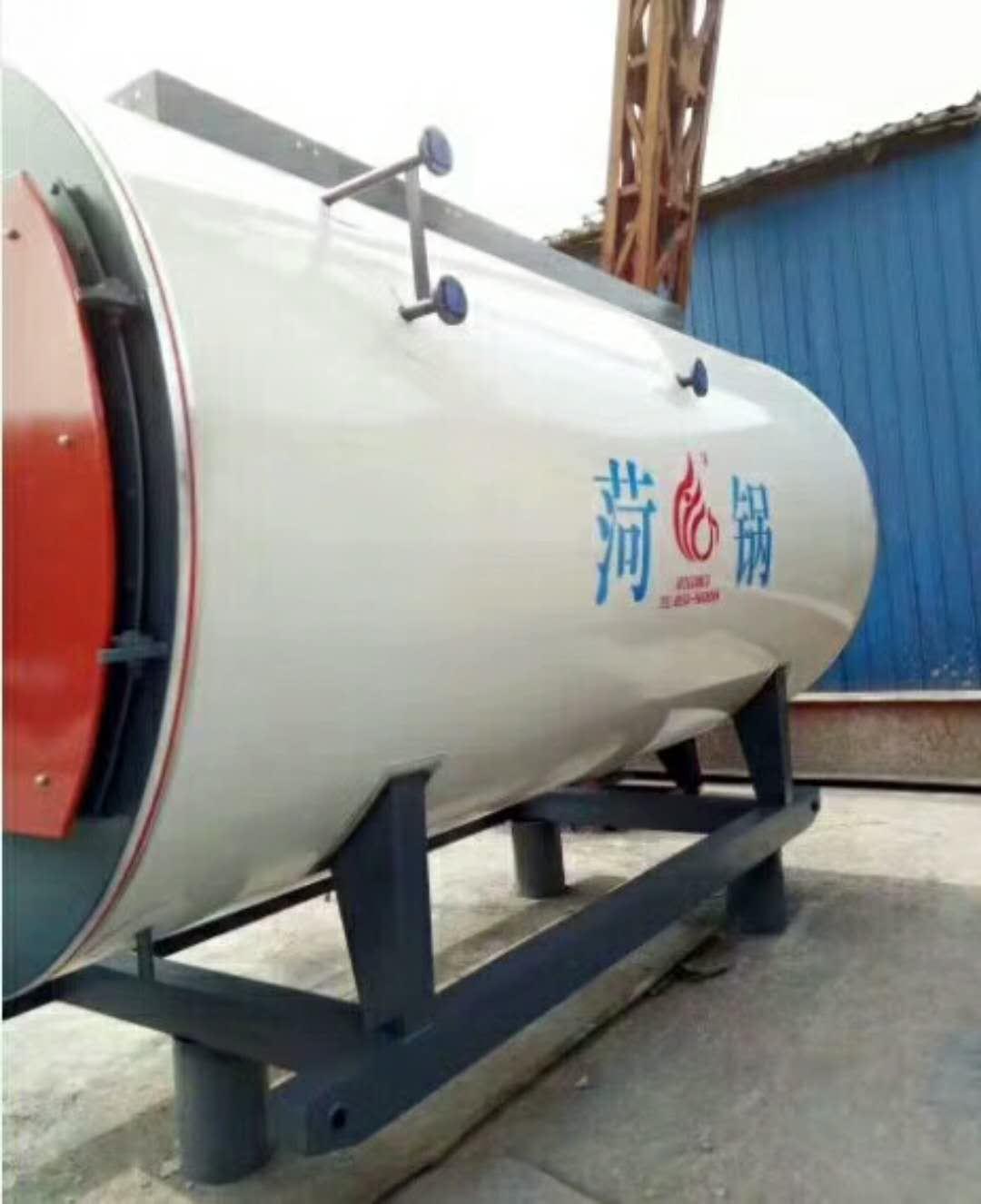
Leakage issues in CO2 storage tanks may be caused by the following reasons: Material Corrosion: CO2 has some corrosive properties, and prolonged contact may lead to corrosion of the tank material. Corrosion can damage the tank's surface protective layer, causing it to lose its seal and resulting in leaks. Welding Defects: Welding joints in the tank may have defects such as cracks or gas pockets, which can weaken the strength of the welded area and cause leaks. Design Defects: Inadequate design or defects in the tank may also lead to leaks. For example, poorly designed interfaces or unreasonable structural designs can cause leakage problems. Overpressure: If the internal pressure of the tank exceeds its capacity, it may deform or rupture, causing leaks. Temperature Fluctuations: During temperature changes, the thermal expansion and contraction effect on CO2 storage tanks may cause deformation or stress concentration, leading to leaks. Improper Operation: Incorrect operation and maintenance can also cause leaks. For instance, over-tightening valves or improper maintenance measures can reduce the tank's sealing performance. External Damage: External forces such as impacts, scratches, or corrosion on the tank can cause surface damage or corrosion, leading to leaks. To avoid leakage issues in CO2 storage tanks, it is essential to select suitable materials, employ reasonable design and manufacturing processes, and conduct regular inspections and maintenance. Additionally, operators should receive training and adhere to operational procedures to ensure the safe operation of the tanks.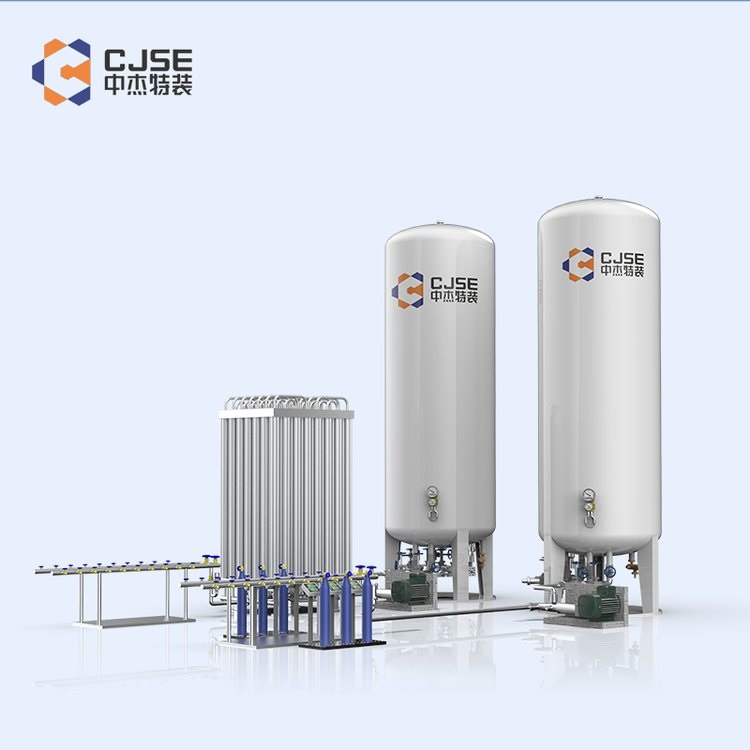
Carbon dioxide storage tanks come with standard specifications that can vary depending on design and application requirements. Here are some common standard parameters:
- Tank Capacity: The capacity of carbon dioxide tanks is typically expressed in kiloliters (L) or cubic meters (m), ranging commonly from a few thousand to tens of thousands of liters.
- Working Pressure: The operating pressure of carbon dioxide tanks is usually around 20 to 25 MPa at room temperature, with specific pressure determined by application needs and design standards.
- Design Temperature: The design temperature for carbon dioxide tanks is generally in the low-temperature range, typically between -40℃ and -60℃, to accommodate the liquefaction and storage requirements of CO2.
- Material: Carbon dioxide tanks are commonly made of high-strength steel or alloy materials to withstand the stresses and loads under high pressure and low-temperature environments.
- Insulation: The tanks are internally insulated to reduce heat transfer and liquid evaporation. The insulation is usually a multi-layer structure, including thermal insulation materials and an external protective layer.
- Safety Valves and Pressure Relief Devices: Tanks are equipped with safety valves and pressure relief devices to control internal pressure and prevent overpressure and explosions.
- Level Monitoring and Control: Tanks are fitted with level monitoring equipment to monitor the liquid level inside. Timely monitoring and control of the level ensure the liquid stored is within a safe range.
Note that the specific standard parameters for carbon dioxide storage tanks may vary due to different design standards, application requirements, and manufacturers. When selecting and using carbon dioxide storage tanks, it is important to consider these factors.
Shandong Zhongjie Special Equipment, welcome customers to visit our factory for business talks.
Jingmen 15 cubic CO2 storage tank - Over 20 years of experience for added peace of mind
