


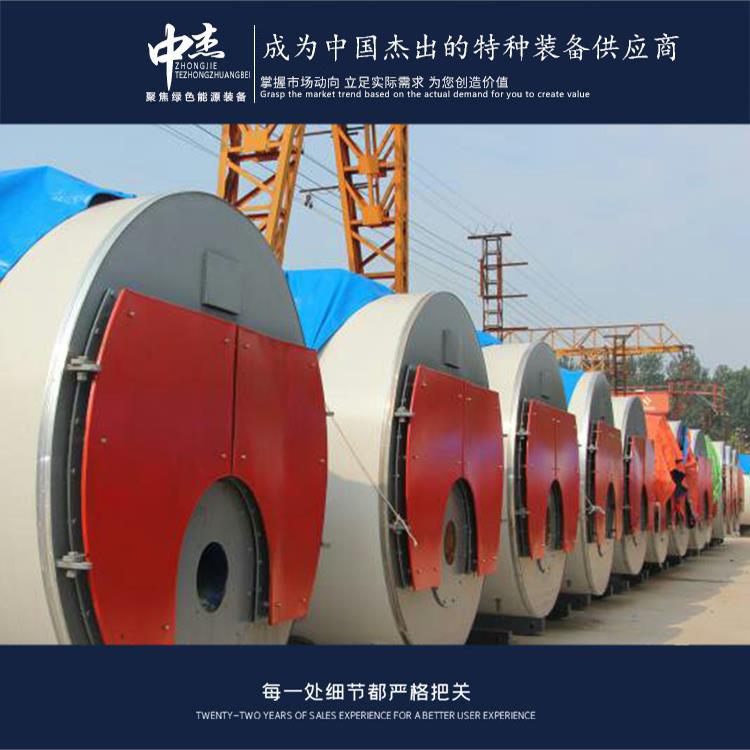
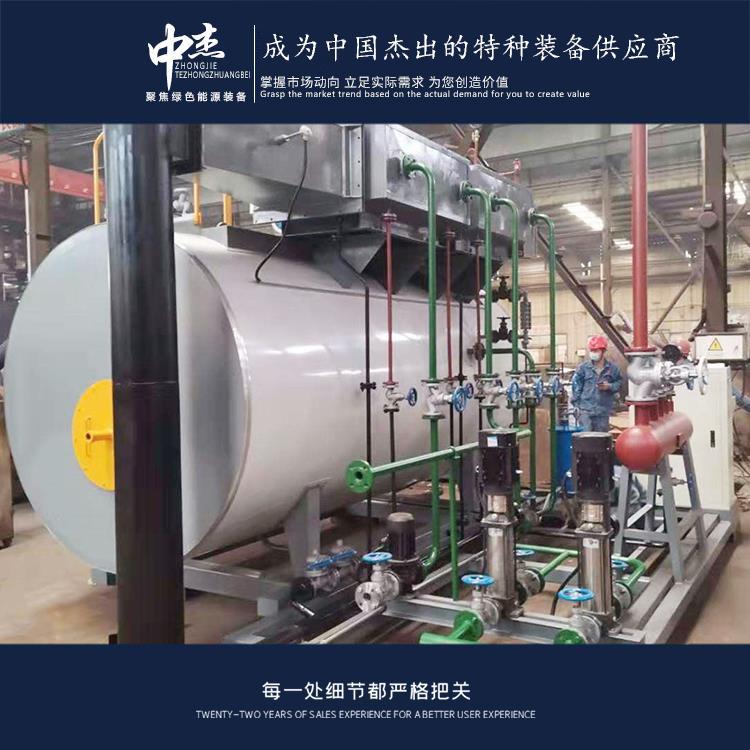
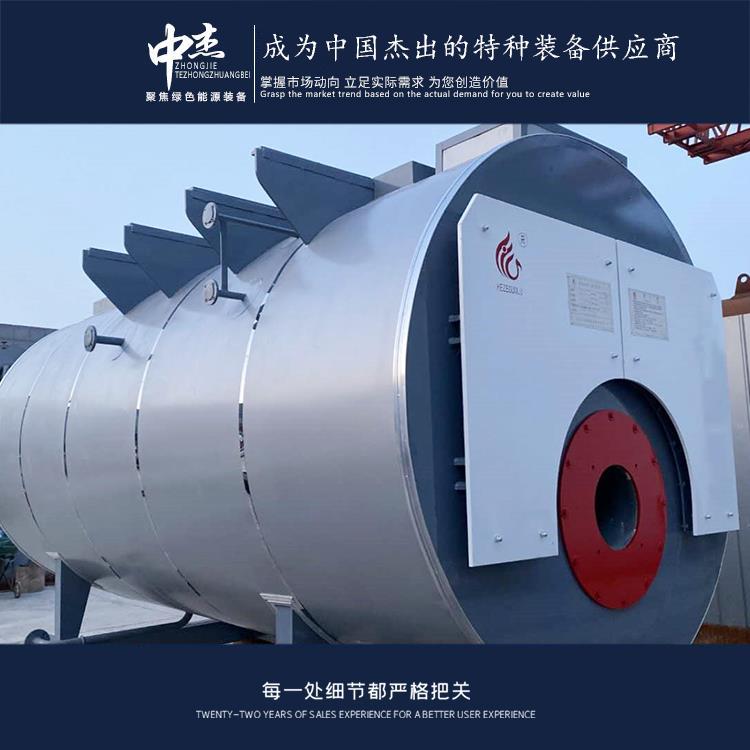
Shandong Zhongjie Special Equipment (formerly Heze Boiler Factory Co., Ltd.) holds an A-grade boiler manufacturing license, an A2-grade pressure vessel manufacturing license, an A2-grade pressure vessel design license, a B-grade boiler installation license, and GB2/Class, GC2/Class pressure pipeline installation licenses, as well as a mechanical and electrical equipment installation contracting qualification. It is a member of the China Boiler and Water Treatment Association, the China Chemical Equipment Association, and the council member of the Shandong Equipment Manufacturing Association. The company has also passed the ISO9001 Quality Management System, ISO14001 Environmental Management System, OHSAS18001 Occupational Health and Safety Management System certifications, and the American ASME/U2 certification.
Fuel and gas boiler combustion safety and explosion-proofing are crucial. Here are some related safety measures:
1. Burner Selection and Adjustment: Choose burners that meet standards and specifications, and ensure they are installed correctly. The burner's parameters and adjustments should align with design requirements to ensure a stable and safe combustion process.
2. Fuel Supply System: The fuel supply system of fuel and gas boilers should possess safe and reliable characteristics. Equipment such as fuel storage tanks, conveyance pipelines, and filters should be regularly inspected and maintained to prevent leaks and blockages.
3. Combustion Control System: The combustion control system of fuel and gas boilers should have the capability to control. The control system should be able to monitor and adjust combustion parameters, such as fuel supply and combustion air volume, to ensure a stable and safe combustion process.
4. Safety Valves and Pressure Switches: Safety valves and pressure switches should be installed on fuel and gas boilers to protect their safe operation. Safety valves can automatically open when exceeding the set pressure, releasing over-pressured gas or steam to prevent boiler explosions.
5. Gas Leak Detection: For gas boilers, gas leak detection devices should be installed. These devices can detect gas leaks in a timely manner and trigger alarms to prevent gas accumulation and explosions.
6. Regular Inspection and Maintenance: Regularly inspect and maintain fuel and gas boilers, including cleaning burners, checking the combustion system, and adjusting combustion parameters. Promptly repair and replace damaged parts to ensure the normal operation and safety performance of the equipment.
7. Training and Operating Procedures: Train operators to...
Safety requirements for steam boiler valves mainly include the following aspects: Valve Selection: Choose valve types and specifications suitable for steam boilers. Valves must comply with relevant standards and specifications, and possess characteristics such as high-temperature resistance, pressure resistance, and corrosion resistance. Valve Installation: Valves should be properly installed in the corresponding positions on the steam boiler. During installation, ensure the connections are secure and the seals are reliable to prevent leaks and loosening. Valve Operation: Valve operation should be easy and flexible, allowing for accurate control of steam flow and pressure. The handle or device should indicate the opening and closing directions of the valve, as well as the corresponding operation methods. Valve Sealing: The sealing performance of the valve is crucial. Valves should have good sealing properties to prevent steam leakage and energy loss. The sealing surfaces should be flat and smooth, and able to withstand high temperatures and wear. Valve Maintenance: Regularly inspect and maintain valves to ensure their normal operation and safety performance. This includes cleaning the valves, checking the sealing surfaces, lubricating moving parts, and promptly repairing or replacing damaged components. Safety Valve: A safety valve must be installed on the steam boiler to protect the safe operation of the boiler. The safety valve must comply with relevant standards and specifications and should automatically open when exceeding the set pressure to release excess steam, preventing boiler explosion. Valve Identification: Valves should be marked with their type, specifications, working pressure, and flow rate information. This aids operators in correctly identifying and operating the valves, avoiding incorrect operations and accidents. It should be noted that the above safety requirements are general guidelines, and specific safety requirements must be determined based on the type, scale, and operating environment of the steam boiler. When using valves, follow relevant laws, regulations, and safety operation procedures to ensure the safe and effective operation of the valves.
When welding in thermal oil boilers, the following points should be noted:
- Welder Qualification: Ensure that the welders involved in the welding process have the appropriate qualifications and experience, and are familiar with welding techniques and procedures.
- Welding Material Selection: Choose welding materials suitable for thermal oil boilers, ensuring compatibility with the thermal oil and high-temperature resistance.
- Welding Process Control: Select the appropriate welding process based on the material and design requirements of the thermal oil boiler, such as manual arc welding, gas shielded welding, etc. Control welding parameters like current, voltage, and welding speed to ensure the quality and strength of the weld.
- Welding Area Protection: During the welding process, protect the welding area to prevent contamination from the thermal oil and welding materials. Use welding barriers, welding shields, and other equipment to ensure the cleanliness and safety of the welding area.
- Post-Welding Treatment: After welding, perform post-welding treatment on the weld, such as slag removal, grinding, and cleaning, to ensure the flatness and surface quality of the weld.
- Welding Quality Inspection: Conduct welding quality inspections, including visual inspection of the weld, dimensional measurement, and non-destructive testing, to ensure the welding quality meets requirements.
- Safety Measures: Pay attention to safety measures during the welding process, such as wearing protective eyewear, gloves, fire-resistant clothing, etc., to ensure the safety of the welding operation.
- It is important to follow relevant standards and specifications during the welding process to ensure welding quality and safety. If unsure about the welding process or if there are safety hazards, seek advice from a welding engineer or consult relevant agencies.
Key benefits of installing expansion tanks in thermal oil heaters include:
- Alleviating thermal expansion and contraction: During operation, thermal oil heaters experience thermal expansion and contraction due to temperature changes. The expansion tank provides space for the thermal oil to expand, mitigating the impact of thermal expansion and contraction on equipment and pipelines, and preventing stress concentration and equipment deformation caused by it.
- Protecting equipment and pipelines: The expansion tank absorbs the expansion and contraction of thermal oil, reducing impacts and vibrations on equipment and pipelines. This helps extend the lifespan of equipment and pipelines, and decrease the frequency of maintenance and replacements.
- Reducing leakage risks: The expansion tank offers a sealed space, minimizing the risk of thermal oil leakage. When thermal oil expands, excess oil can be accommodated through the expansion tank, preventing leaks and environmental pollution.
- Facilitating maintenance and repairs: The presence of an expansion tank makes it easier to maintain and repair the thermal oil heater system. When equipment or pipelines need maintenance or replacement, the expansion tank can be used to control the flow and stoppage of thermal oil, reducing downtime and the difficulty of maintenance.
- In summary, the expansion tank plays a role in alleviating thermal expansion and contraction, protecting equipment and pipelines, reducing leakage risks, and facilitating maintenance and repairs in the thermal oil heater system. It is an important design element that contributes to enhancing the safety and reliability of the thermal oil heater system.
ZJ Special Equipment adheres to the grand vision of "realizing employees' dreams, creating value for customers, and striving for the prosperity and strength of our motherland," focusing on the development of green energy equipment. We dedicate high-quality, cost-effective products and services to society!
Baicheng 25-ton Gas Boiler, Model and Parameter Table
