


Shandong Zhongjie Special Equipment (formerly Heze Boiler Factory Co., Ltd.) was established in 2001, located at No. 2218 Jinnan Road, Economic and Technological Development Zone, Heze City. With a registered capital of 50 million yuan and total assets of 500 million yuan, the company has seven business centers: boilers, deep-freeze containers, pressure vessels, central air conditioning, engineering installation, international trade, and Internet of Things. It operates three factory sites on Jinnan Road, East Changjiang Road, and Bohai Road, covering a total area of 200,000 square meters, with the main workshop spanning 83,000 square meters. The company currently employs 710 staff, including 247 engineers and technicians, and 82 intermediate-level technical personnel. In December 2016, it was recognized as a "High-Tech Enterprise" by the Science and Technology Department. In June 2021, it was identified as a "Specialized and New Enterprise in Shandong Province" by the Department of Industry and Information Technology. In June 2022, it was named a "Gazelle Enterprise in Shandong Province" and in August 2022, it was recognized as a "Specialized and New Small Giant Enterprise" by the Ministry of Industry and Information Technology.
To ensure proper safety procedures for industrial boilers, attention should be given to the following aspects:
- Adhere to laws and regulations: Understand and comply with relevant laws, regulations, and standards, including those governing boiler safety management and boiler usage and maintenance standards. Ensure compliance with legal requirements throughout the operation process.
- Establish a sound management system: Develop a comprehensive industrial boiler safety management system, define responsibilities and authorities, and standardize operational procedures and safety measures. Formulate operational guidelines and emergency response plans to ensure orderly execution of safety procedures.
- Training and education: Conduct training and education for personnel involved in industrial boiler safety operations to enhance their safety awareness and skill levels. This includes boiler operators, maintenance staff, and management personnel, all of whom should receive appropriate training.
- Regular inspections and maintenance: Conduct regular inspections and maintenance of industrial boilers to ensure proper operation and safety performance. This includes checking and maintaining key components such as the combustion system, water level control, safety valves, and pressure gauges.
- Safety equipment and facilities: Equip necessary safety equipment and facilities, such as safety valves, pressure gauges, water level indicators, and burners, ensuring their proper operation and effectiveness.
- Regular inspections and assessments: Conduct regular inspections and assessments of industrial boilers to ensure compliance with safety requirements. This includes regular pressure tests, water quality inspections, and combustion efficiency evaluations.
- Safety records and document management: Establish a comprehensive safety records and document management system, recording the operation status, maintenance records, and accident reports of industrial boilers. Update and preserve relevant safety documents promptly.
- Regular drills and emergency response training: Organize regular safety drills and emergency response training to enhance the ability to respond to emergencies and improve the efficiency of emergency handling.
These are some basic points for ensuring proper safety procedures for industrial boilers. Specific operations should be conducted according to actual circumstances and relevant requirements.
When using a thermal oil furnace with gas, the following points should be noted:
Safety Operation: The thermal oil furnace is a high-temperature equipment, and safety must be ensured during operation. Operators should be familiar with the equipment's operation procedures and safety precautions, wear necessary personal protective equipment, and ensure safe operation.
Gas Supply: A stable gas supply is required for the thermal oil furnace. Before use, check if the gas pipeline is clear and the gas valve is open to ensure normal gas supply.
Thermal Oil Circulation: The thermal oil furnace needs to circulate the thermal oil to the heat source equipment through a circulating pump. Before use, inspect the pump's operation to ensure normal function.
Temperature Control: The thermal oil furnace usually requires a temperature control system to regulate the thermal oil's temperature. Before use, check the temperature control system's settings and adjustments to ensure accurate and reliable temperature control.
Regular Maintenance: The thermal oil furnace requires regular maintenance and upkeep, including cleaning the burner, checking the sealing of pipes and valves, and replacing worn parts. Regular maintenance ensures the equipment runs smoothly and extends its service life.
Environmental Protection: The thermal oil furnace produces exhaust gas during combustion, so ensure proper exhaust emissions. Implement corresponding exhaust treatment measures, such as flue gas purification equipment, to minimize environmental impact.
The above are some points to note when using a thermal oil furnace with gas. To ensure safety and normal equipment operation, follow relevant operation procedures and safety requirements, and conduct regular maintenance and inspections. If necessary, consult the manufacturer or engineer of the thermal oil furnace.
When welding on a thermal oil boiler during production, the following points should be noted:
- Welder Qualifications: Ensure that the welders involved have appropriate qualifications and experience, familiar with welding processes and operation procedures.
- Welding Material Selection: Choose welding materials suitable for thermal oil boilers, ensuring compatibility with the thermal oil and high-temperature resistance.
- Welding Process Control: Select the appropriate welding process, such as manual arc welding or gas shielded welding, based on the material and design requirements of the thermal oil boiler. Control welding parameters like current, voltage, and welding speed to ensure the quality and strength of the weld.
- Welding Area Protection: During welding, protect the welding area to prevent contamination from the thermal oil and welding materials. Use welding screens, welding shields, and other equipment to ensure cleanliness and safety in the welding area.
- Post-Welding Treatment: After welding, perform post-welding treatment on the weld, such as slag removal, grinding, and cleaning, to ensure flatness and surface quality.
- Welding Quality Inspection: Conduct welding quality inspections, including visual examination of the weld, dimension measurement, and non-destructive testing, to ensure the welding quality meets requirements.
- Safety Measures: Pay attention to safety measures during welding, such as wearing protective eyewear, gloves, and fire-resistant clothing, to ensure the safety of welding operations.
- It is crucial to follow relevant standards and regulations during the welding process to ensure welding quality and safety. If unsure about how to proceed with welding or if there are safety hazards, seek the assistance of a welding engineer or consult relevant agencies.
Fuel and gas boiler combustion safety and explosion prevention are crucial. Here are some related safety measures:
1. Burner Selection and Adjustment: Choose burners that meet standard and specification requirements and ensure they are properly installed. The burner parameters and adjustments should comply with design requirements to ensure stable and safe combustion.
2. Fuel Supply System: The fuel supply system of oil and gas boilers must have safe and reliable characteristics. Equipment such as fuel storage tanks, transmission pipelines, and filters should be regularly inspected and maintained to prevent leaks and blockages.
3. Combustion Control System: The combustion control system of oil and gas boilers should possess control capabilities. The control system should be able to monitor and adjust combustion parameters, such as fuel supply and combustion air volume, to ensure stable and safe combustion.
4. Safety Valves and Pressure Switches: Safety valves and pressure switches should be installed on oil and gas boilers to protect their safe operation. Safety valves can automatically open when exceeding the set pressure, releasing over-pressurized gas or steam to prevent boiler explosions.
5. Gas Leak Detection: For gas boilers, gas leak detection devices should be installed. These devices can detect gas leaks in a timely manner and trigger alarms to prevent gas accumulation and explosions.
6. Regular Inspections and Maintenance: Regularly inspect and maintain fuel and gas boilers, including cleaning burners, checking the combustion system, and adjusting combustion parameters. Promptly repair or replace damaged parts to ensure the normal operation and safety performance of the equipment.
7. Training and Operating Procedures: Train operators to ensure they understand and follow proper operating procedures.
ZJ Special Equipment adheres to the grand vision of "realizing employees' dreams, creating customer value, and striving for the prosperity and strength of our motherland," wholeheartedly devoting itself to the development of green energy equipment. We offer the society high-quality products and services at competitive prices!
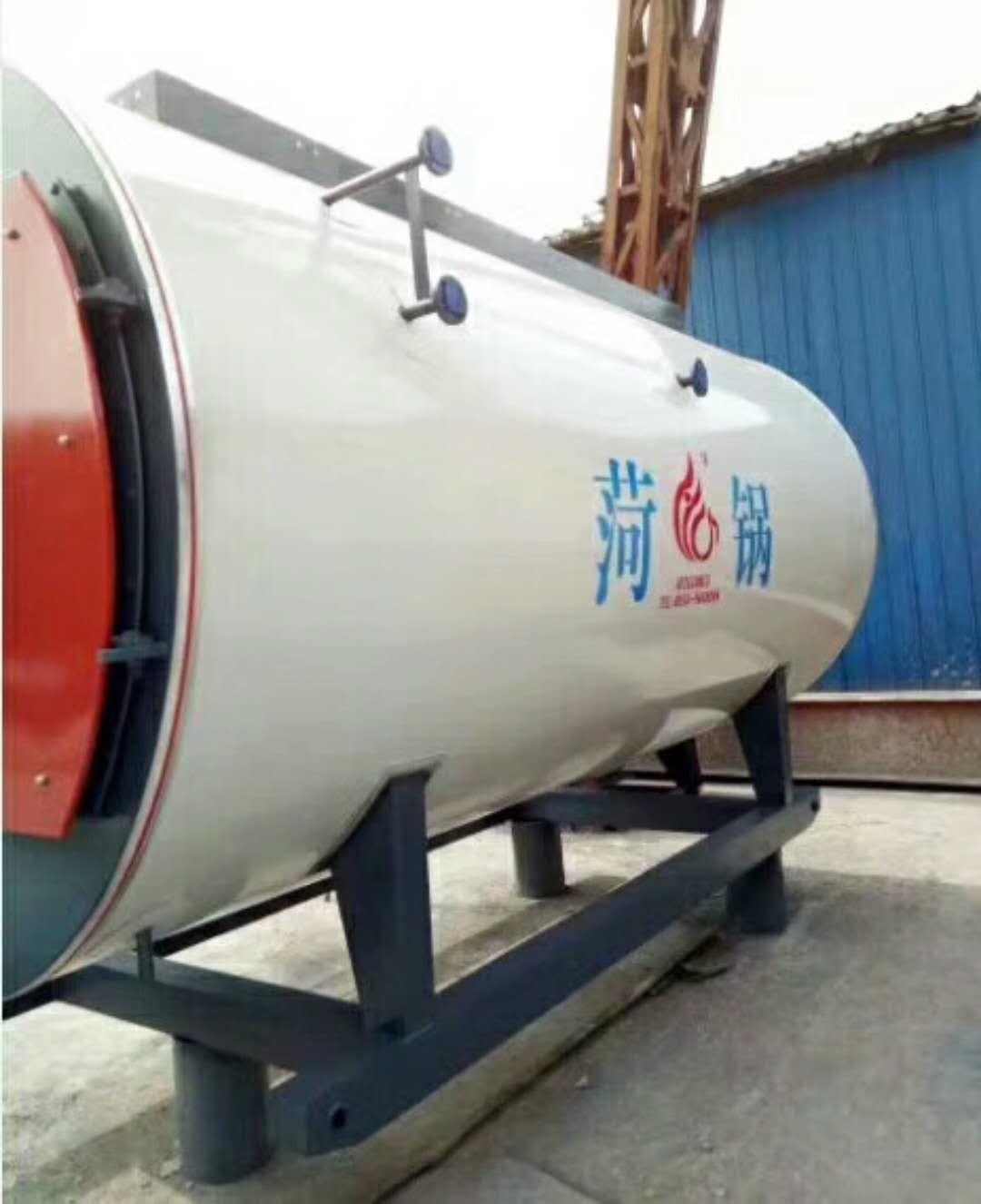
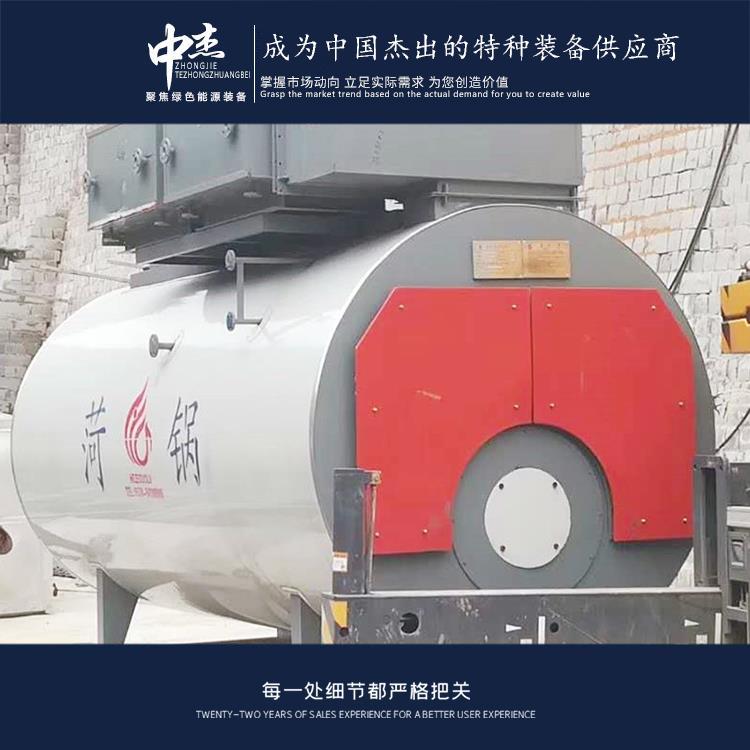
Xinzhou 4-ton Gas Boiler, Long lifespan
