


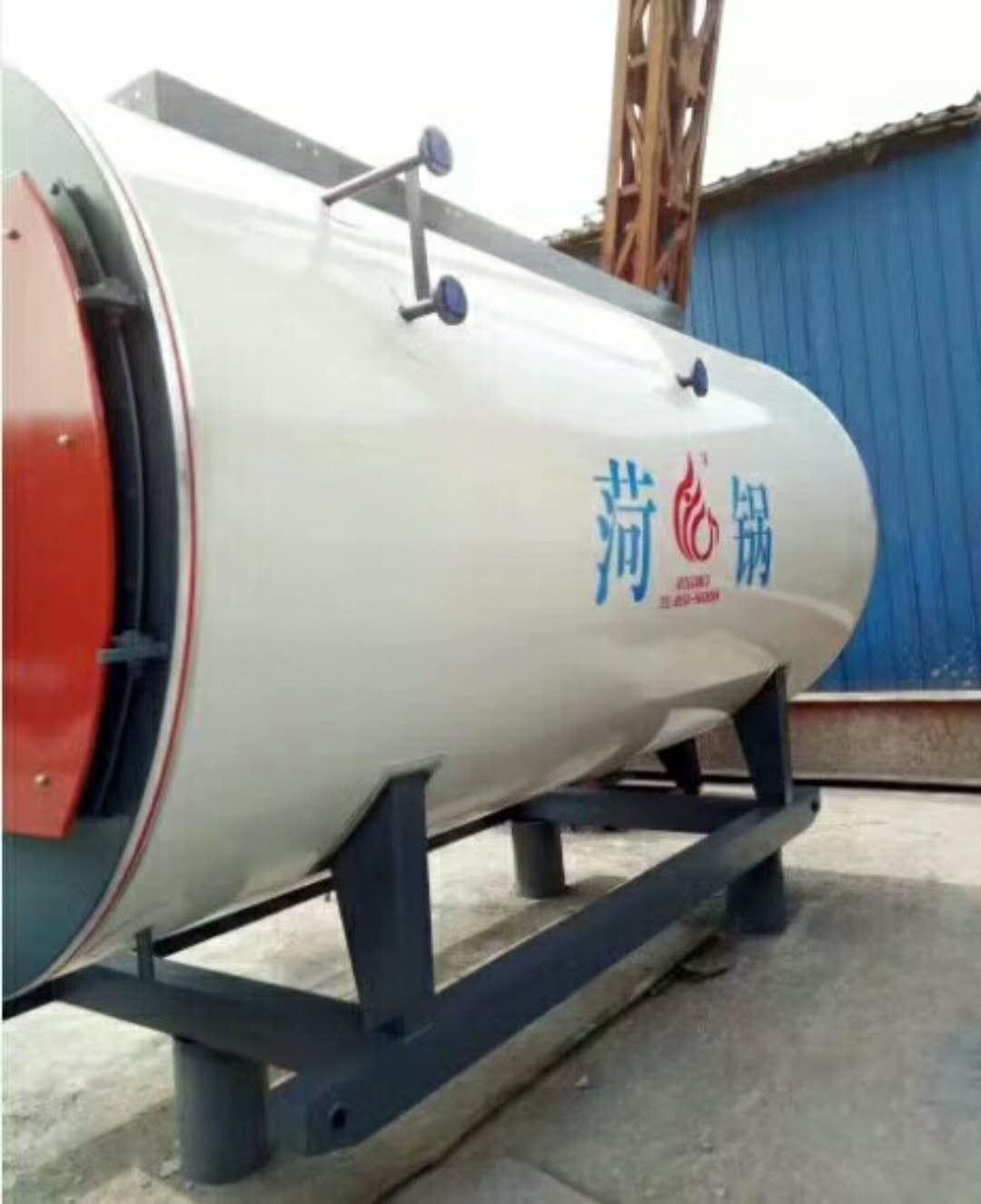
Shandong Zhongjie Special Equipment Co., Ltd. specializes in the following products: fuel (gas) boilers, organic heat carrier boilers, biomass boilers, waste heat recovery boilers, and other boiler products; vacuum insulated cryogenic pressure vessels such as LNG tanks, oxygen/nitrogen/argon tanks, CO2 tanks, etc.; pressure vessel products including denitrification engineering equipment, heat storage and energy storage equipment, complete chemical equipment sets, etc.; central air conditioning and HVAC equipment such as ground (water) source heat pumps, air source units, water-cooled screw units, and air-cooled modular units. Planned products include large-scale energy centers, LNG transport vehicles, LNG tank containers, and other green energy equipment.
The testing and maintenance of liquid oxygen storage tanks are crucial for ensuring safe operation and extending their service life. Below is a general outline of the testing and maintenance procedures for liquid oxygen storage tanks:
- Visual Inspection: Conduct regular visual inspections of the liquid oxygen storage tank, checking for corrosion, wear, and cracks on the surface. If any abnormalities are found, repair or replacement should be done promptly.
- Internal Cleaning: Regularly clean the interior of the liquid oxygen storage tank to remove accumulated impurities and dirt. Pay attention to using appropriate cleaning agents and tools to prevent damage to the tank.
- Level Measurement: Regularly measure the liquid level to ensure it remains within a safe range within the tank. Use a level gauge or other measuring equipment, and record the results.
- Pressure Testing: Conduct regular pressure tests to verify the tank's pressure resistance. Pay attention to controlling pressure and time during testing to ensure safety and accuracy.
- Leak Detection: Regularly perform leak detection to ensure the tank's sealing integrity. Use leak detection instruments such as gas detectors or foam leak detection agents.
- Valve and Pipeline Inspection: Regularly inspect the valves and pipeline connections of the liquid oxygen storage tank to ensure they are sealed properly and there are no leaks. If any issues are found, repair or replacement should be done promptly.
- Maintenance Records: Keep records of the testing and maintenance activities for the liquid oxygen storage tank, including inspection dates, contents, and results. These records help track the tank's maintenance history and issue resolution.
- Regular Maintenance: Develop a regular maintenance schedule based on the tank's usage and requirements. Maintenance includes lubrication, bolt tightening, and replacement of seals to ensure normal operation.
To maintain the stability of CO2 storage tanks, attention should be given to the following details:
- Foundation Design: The tank's foundation design must comply with relevant standards and regulations, ensuring adequate strength and stability. The foundation should consider the tank's weight, pressure, and geological conditions to securely place the tank on the foundation.
- Cushioning and Fastening Devices: Place appropriate cushioning, such as rubber pads or steel plates, between the tank and foundation to reduce friction and vibration. Also, use fastening devices like bolts or welding to secure the tank to the foundation, preventing movement and tilting.
- Leveling the Site: The site for tank installation should be level with no significant slopes or unevenness. If there are slopes or uneven areas, adjustments and corrections should be made to ensure the tank's stability.
- Seismic Measures: In areas prone to earthquakes, additional seismic measures are required, such as installing seismic supports and enhancing the tank's seismic resistance to improve stability.
- Regular Inspections: Conduct regular checks on the tank's fastening devices and connection points to ensure they are intact. If loose, worn, or damaged, repairs or replacements should be made promptly.
- Load Distribution: Place evenly distributed loads above the tank, such as platforms or pipelines, to balance the weight distribution and reduce the impact of uneven loads on stability.
- Safety Distance: Tanks should maintain sufficient distance from other equipment, buildings, and fire sources to prevent accidental collisions or fires from affecting stability.
It is important to note that the installation of CO2 storage tanks...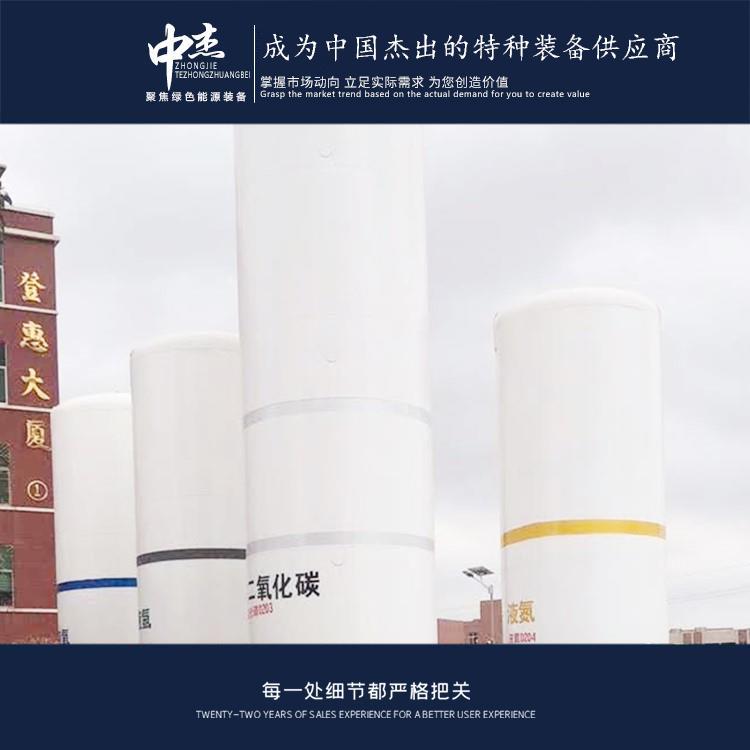
The inspection frequency of CO2 storage tanks should be determined based on local regulations, standards, and manufacturer recommendations. Generally, several factors can influence the inspection frequency of CO2 storage tanks:
- Regulatory and Standard Requirements: Different regions may have varying regulations and standards that dictate the inspection requirements and frequency for tanks. For instance, the US DOT standards require liquefied gas tanks to undergo external inspections every 5 years and internal inspections every 10 years.
- Manufacturer Recommendations: Manufacturers typically provide recommendations for inspection frequency, based on tank design, materials, and service life, which can serve as a reference for establishing an inspection plan.
- Usage Environment and Conditions: The environment and conditions in which the tank is used also impact the inspection frequency. For example, tanks exposed to corrosive environments or frequently subjected to mechanical stress may require more frequent inspections.
- Generally, external inspections of liquefied gas tanks are conducted through visual inspections, ultrasonic testing, magnetic particle testing, and other methods to assess the tank's external condition and potential defects. Internal inspections may require tank emptying and use methods like internal inspection, thickness measurement, and weld testing to evaluate the internal condition.
- It is crucial that inspections are carried out by trained and experienced personnel, adhering strictly to relevant regulations, standards, and manufacturer recommendations. Regular inspections and maintenance ensure tank safety and reliability, reducing the risk of accidents.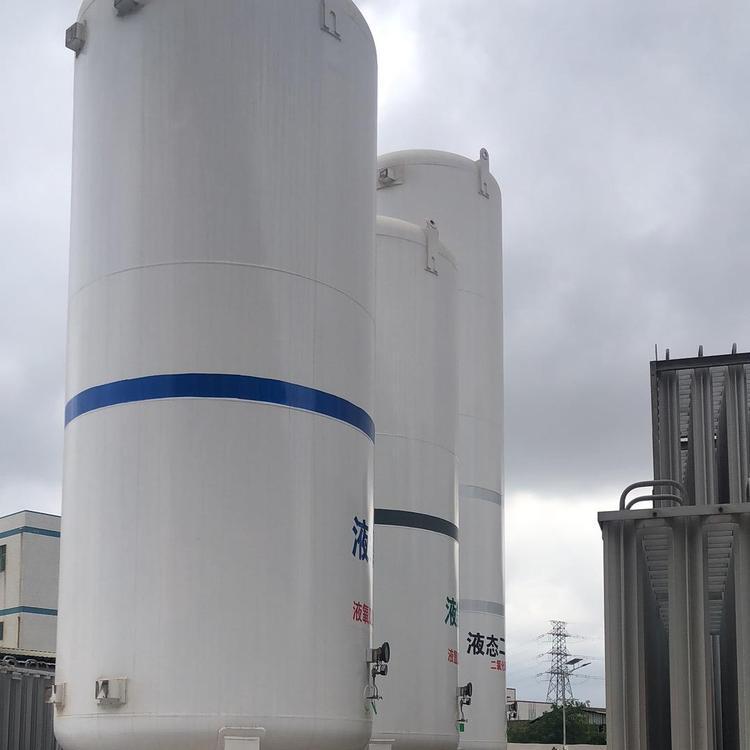
The design requirements for carbon dioxide storage tanks typically encompass the following aspects: Pressure Vessel Design: Carbon dioxide storage tanks are generally designed as high-pressure vessels capable of withstanding high pressure. The design must comply with relevant standards and regulations, such as Standard GB150 "Steel Pressure Vessels." Material Selection: The choice of material for the tank should consider the properties of carbon dioxide, such as high pressure, high oxidizing, and corrosive nature. Common materials include carbon steel and stainless steel, with selection based on specific working conditions and requirements. Safety Valve and Pressure Control: The tank should be equipped with a safety valve and pressure control device to ensure the internal pressure remains within a safe range. The safety valve should be selected according to design requirements and undergo regular inspections and testing to ensure proper operation. Insulation Performance: As carbon dioxide needs to be kept in a liquid state at low temperatures, the tank should have good insulation properties to prevent excessive evaporation of liquid carbon dioxide and energy loss. The selection and design of insulation materials and layers should consider working temperatures and environmental conditions. Leak Detection and Alarm: The tank should be equipped with leak detection devices and an alarm system, as well as corresponding monitoring equipment. These devices can detect leaks in a timely manner and trigger alarms to take appropriate measures. Structural Strength and Stability: The structural design of the tank should have sufficient strength and stability to withstand internal pressure and external loads. The structural design should comply with relevant standards and regulations, such as Standard GB12337 "Design Code for Pressure Vessels." Safe Operation and Maintenance: The design of the tank should consider the ease of safe operation and maintenance, such as the placement of manholes, inspection openings, and drain outlets.
Our company attaches great importance to technological innovation and R&D design. We have 1 municipal-level enterprise technology center in Heze City, equipped with testing facilities such as non-destructive testing, physical and chemical testing, welding testing, and hydrostatic testing. We have over 600 various instruments and equipment, including CNC machine tools, X-ray flaw detectors, digital ultrasonic flaw detectors, mechanical property testing machines, chemical analyzers, spectrometers, tensile testing machines, and plasma welding machines. The key products we have developed, such as temperature and pressure vessel welding, biomass boiler emission reduction, and waste heat utilization, have successively been included in multiple Shandong Provincial Department of Industry and Information Technology science and technology innovation projects, Shandong Provincial key projects, and Heze City innovation and excellence projects. We have cumulatively obtained 27 authorized utility model patents, 16 authorized invention patents, participated in drafting 2 standards, 2 industry standards, and registered 15 trademarks. The technical team of our company, in collaboration with Professor Li Yajiang of Shandong University, has jointly developed deep cryogenic container processing technology, which adopts the international plasma arc + wire filling tungsten inert gas arc welding (PAW-GTAW) technology. After the provincial-level scientific and technological achievement evaluation, the technical level has reached an international standard in the field of deep cryogenic container manufacturing. Choose Zhongjie Special Equipment, let's create brilliance together!
Ningde 10 cubic CO2 storage tank, manufacturer
