


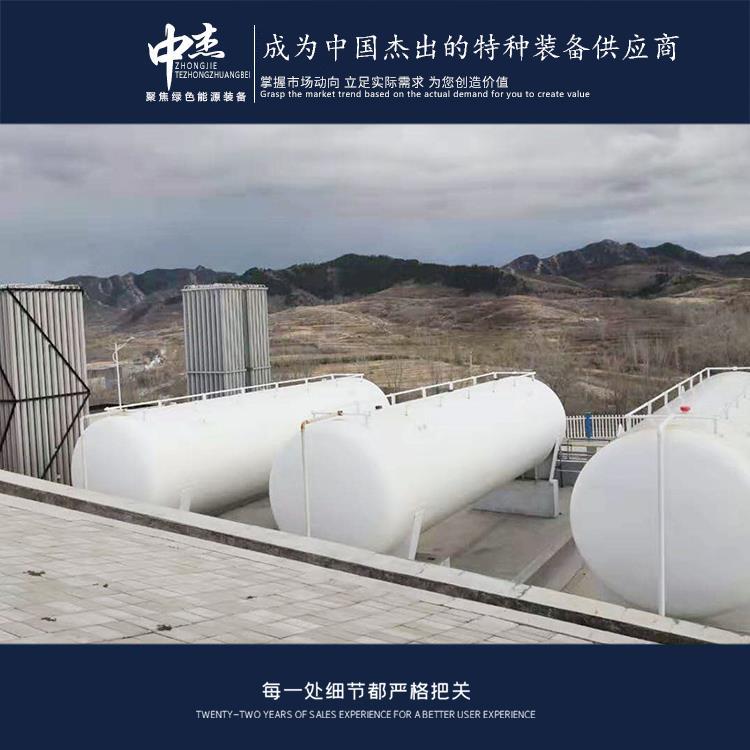
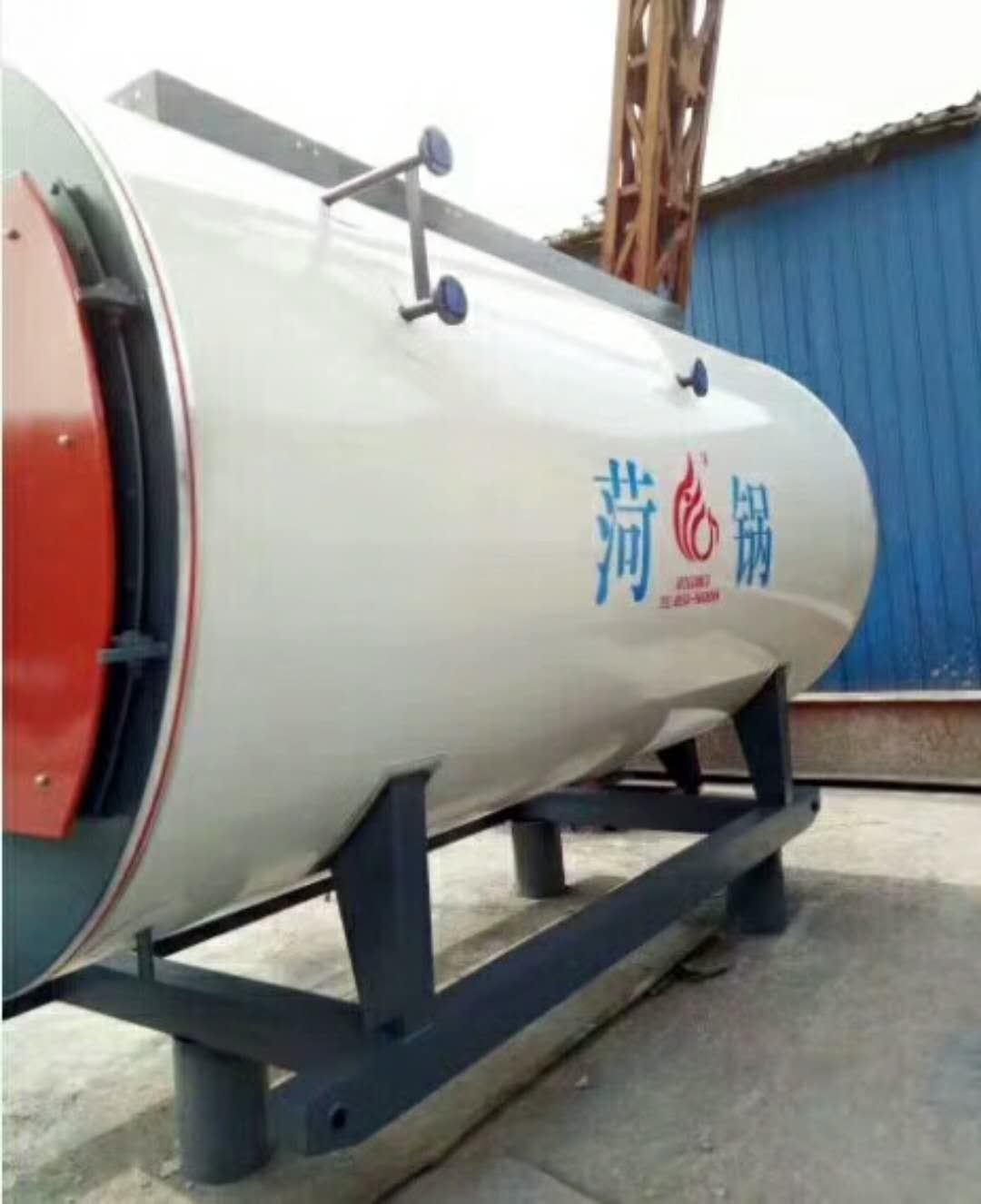
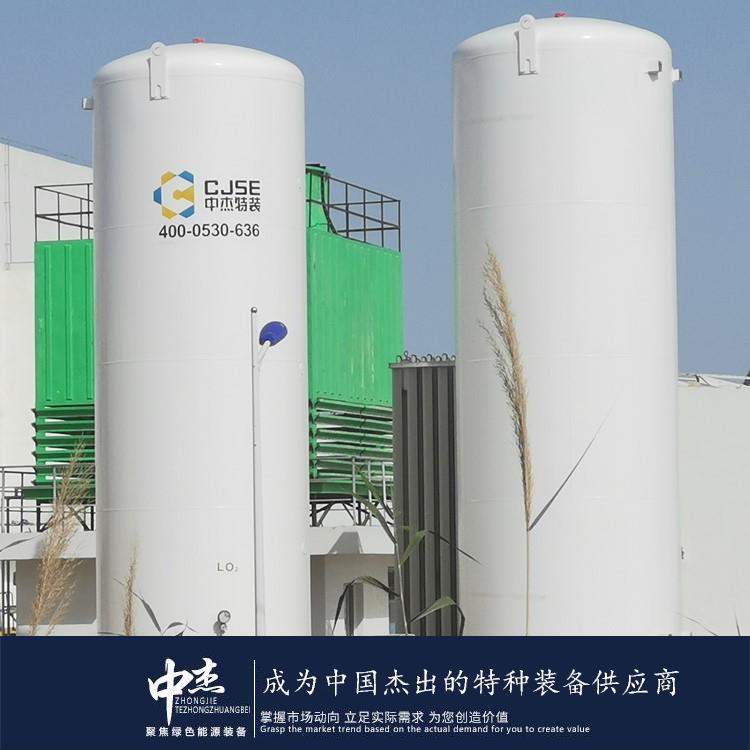
Shandong Zhongjie Special Equipment's main products include: fuel (gas) boilers, organic heat carrier boilers, biomass boilers, waste heat recovery boilers, and other boiler products; vacuum insulation cryogenic pressure vessels such as LNG tanks, oxygen/nitrogen/argon tanks, and CO2 tanks; pressure vessel products such as denitrification engineering equipment, heat storage and energy storage equipment, and complete chemical equipment; central air conditioning and HVAC equipment such as ground (water) source heat pumps, air source units, water-cooled screw units, and air-cooled modules. Planned products include large-scale energy centers, LNG transport vehicles, LNG tank containers, and other green energy equipment.
Routine inspections and maintenance of CO2 storage tanks can be conducted following these steps:
- **Visual Inspection:** Check for any obvious damage, corrosion, or oil leakage signs on the tank's exterior. Pay attention to any anomalies in the tank shell, valves, and pipe connections.
- **Internal Inspection:** If entry into the tank is permitted, perform an internal inspection. Look for corrosion, scale buildup, or blockages in the lining, valves, and pipes.
- **Valve and Pipe Inspection:** Verify that the tank's inlet and outlet valves and pipe connections are functioning normally, with no leaks or loose fittings. Ensure valves operate smoothly and reliably.
- **Pressure Relief Device Inspection:** Check that the tank's pressure relief devices (e.g., safety valves) are working properly. Confirm that the set pressure of the relief devices meets requirements.
- **Measurement and Control System Inspection:** Ensure the tank's level, pressure, and temperature measurement and control systems are operating correctly. Calibrate and test the accuracy of measuring equipment.
- **Cleaning and Drainage:** Regularly clean the interior of the tank, removing accumulated impurities and sediments. Also, regularly drain the tank to remove liquid and gas impurities.
- **Maintenance and Repairs:** Conduct necessary maintenance and repair work based on inspection findings. Repair damaged components, replace worn seals, etc., to ensure normal tank operation.
- **Documentation and Reporting:** Document the inspection and maintenance process, including the date of inspection, content of inspection, identified issues, and actions taken. Submit inspection reports to relevant departments or management as needed.
- The above are general steps for routine inspections and maintenance of CO2 storage tanks. Specific operations should be tailored to the tank's characteristics and requirements. When conducting inspections and maintenance, follow relevant safety operating procedures and have personnel perform the operations.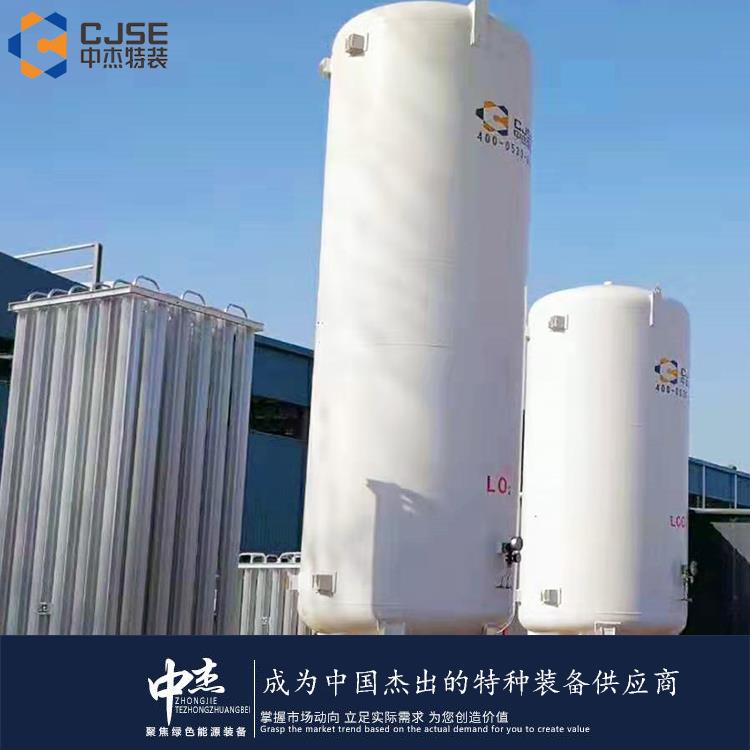
Carbon dioxide storage tanks' standard specifications can vary depending on design and application requirements. Below are some common standard parameters:
- Tank Capacity: The capacity of carbon dioxide storage tanks is typically expressed in kiloliters (L) or cubic meters (m), ranging commonly from a few thousand to tens of thousands of liters.
- Working Pressure: The working pressure of carbon dioxide storage tanks is usually around 20 to 25 MPa at normal temperatures, with the specific pressure determined by application needs and design standards.
- Design Temperature: The design temperature of carbon dioxide storage tanks is generally within the low-temperature range, typically -40℃ to -60℃, to accommodate the liquefaction and storage requirements of carbon dioxide.
- Material: Carbon dioxide storage tanks are commonly made of high-strength steel or alloy materials to withstand stress and loads under high pressure and low-temperature environments.
- Insulation: The tanks are internally insulated to reduce heat transfer and liquid evaporation. The insulation is usually a multi-layer structure, including thermal insulation materials and an external protective layer.
- Safety Valve and Pressure Relief Devices: The tanks are equipped with safety valves and pressure relief devices to control internal pressure and prevent overpressure and explosions.
- Level Monitoring and Control: The tanks are fitted with level monitoring devices to monitor the liquid level inside. Timely monitoring and control of the level ensure the liquid stored within the tank remains within a safe range.
Note that the specific standard parameters for carbon dioxide storage tanks may vary due to different design standards, application requirements, and manufacturers. When selecting and using carbon dioxide storage tanks, it is important to consider these factors.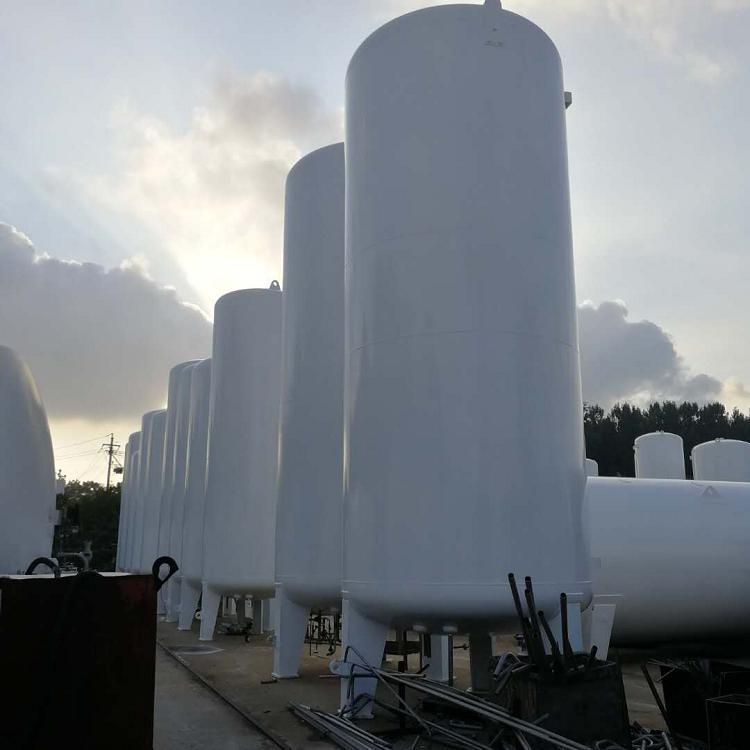
Carbon dioxide is widely used in the field of food freezing. Here are some common applications of carbon dioxide in food freezing:
1. Frozen Food Processing: Carbon dioxide is often used in the processing of frozen foods. By exposing the food to liquid carbon dioxide, temperatures can be rapidly reduced, achieving quick freezing. This rapid freezing effectively preserves the quality, texture, and nutritional value of the food.
2. Frozen Storage: Carbon dioxide is also used for the frozen storage of food. During the storage process, the food is placed in a low-temperature environment, and the temperature of the food is lowered below the freezing point through the refrigerating action of carbon dioxide, thereby extending the shelf life of the food.
3. Frozen Transportation: Carbon dioxide plays a crucial role in the frozen transportation of food. By using carbon dioxide freezing technology during transportation, the low-temperature state of the food can be maintained, preventing quality and loss.
4. Frozen Display: In the food retail industry, carbon dioxide is also used in frozen display cabinets. By injecting carbon dioxide gas into the display cabinet, the low-temperature state of the food can be maintained, showcasing the food while preserving its freshness and quality.
Compared to traditional freezing techniques, carbon dioxide freezing offers some advantages, such as fast freezing, good freezing effects, and minimal impact on food quality. However, safety operations must be observed when using carbon dioxide freezing technology to avoid leaks and harm to humans. Therefore, when using carbon dioxide for food freezing, it is necessary to follow relevant safety operation procedures and guidelines.
When applying coatings to carbon dioxide storage tanks, the following issues should be addressed:
- Surface Preparation: Prior to coating, thorough surface preparation of the tank is essential. This includes cleaning the surface, removing oils, dirt, and old coatings to ensure the adhesion and quality of the coating.
- Choosing the Right Paint: Selecting paint suitable for carbon dioxide storage tanks is crucial. The paint should have corrosion-resistant, high-temperature resistance, and chemical resistance properties to protect the tank surface from corrosion and damage.
- Spray Techniques: The choice and operation of spray techniques are vital for the quality and evenness of the coating. Appropriate spray equipment and methods should be selected to ensure even coverage of the entire tank surface and to avoid drips and runs of the paint.
- Coating Thickness: The thickness of the coating is critical for the tank's protection. The coating thickness should be controlled according to the paint requirements and the tank's operating environment to ensure the protective performance and lifespan of the coating.
- Drying and Curing: After the coating is applied, sufficient time for drying and curing is necessary. Follow the correct drying time and conditions as per the paint requirements to ensure the quality and performance of the coating.
- Safety Measures: Appropriate safety measures must be taken during the coating process, including wearing protective eyewear, respirators, and protective clothing to ensure the safety of the operators.
- Quality Inspection: After coating, a quality inspection should be conducted, including the appearance, adhesion, and thickness of the coating. Any issues or defects should be repaired and addressed promptly.
It is important to note that the coating of carbon dioxide storage tanks should be performed by professionals.
Our company attaches great importance to technological innovation and R&D design. We have one city-level technical center in Heze City, with testing facilities for non-destructive testing,理化 testing, welding, hydrostatic testing, and more. We are equipped with over 600 various instruments and equipment, including CNC machine tools, X-ray flaw detectors, digital ultrasonic flaw detectors, mechanical property test machines, chemical analyzers, spectrometers, tensile testing machines, plasma welding machines, and more. The key products we have developed, such as temperature and pressure vessel welding, biomass boiler emission reduction, and waste heat utilization, have successively been selected for multiple Shandong Provincial Department of Industry and Information Technology science and technology innovation projects, Shandong Province key projects, and Heze City innovative and excellent projects. We have累计 obtained 27 authorized utility models, 16 authorized inventions, participated in drafting 2 standards, 2 industrial standards, and registered 15 trademarks. Our technical team, in collaboration with Professor Li Yajiang of Shandong University, has jointly developed deep cryogenic container processing technology, utilizing the international plasma arc + filler wire tungsten inert gas arc welding (PAW-GTAW) technique. After provincial scientific and technological achievement assessment, the technology level has reached an international standard in the field of deep cryogenic container manufacturing. Choose Zhongjie Special Equipment, and let's create brilliance together!
Henan Carbon Dioxide Storage Vessels - Various Models
