


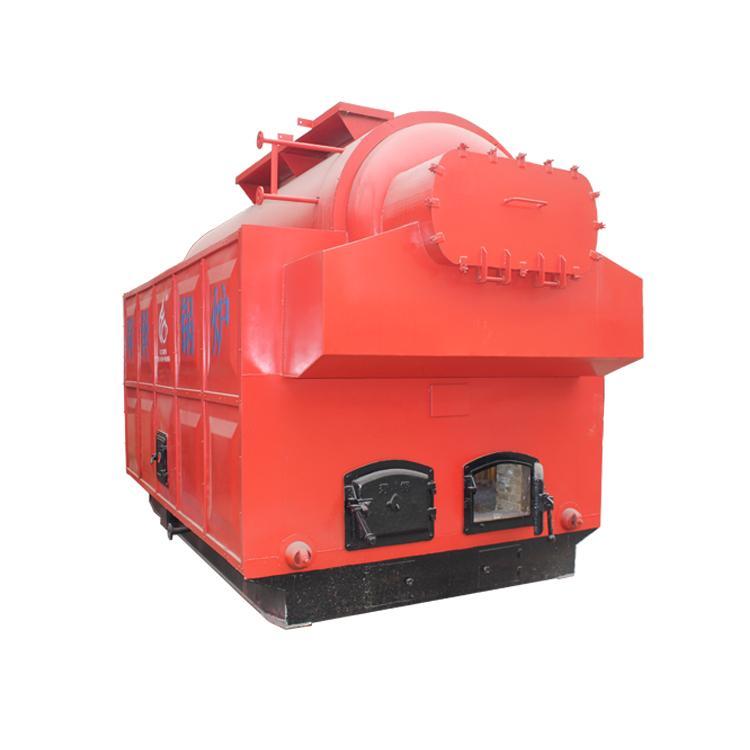
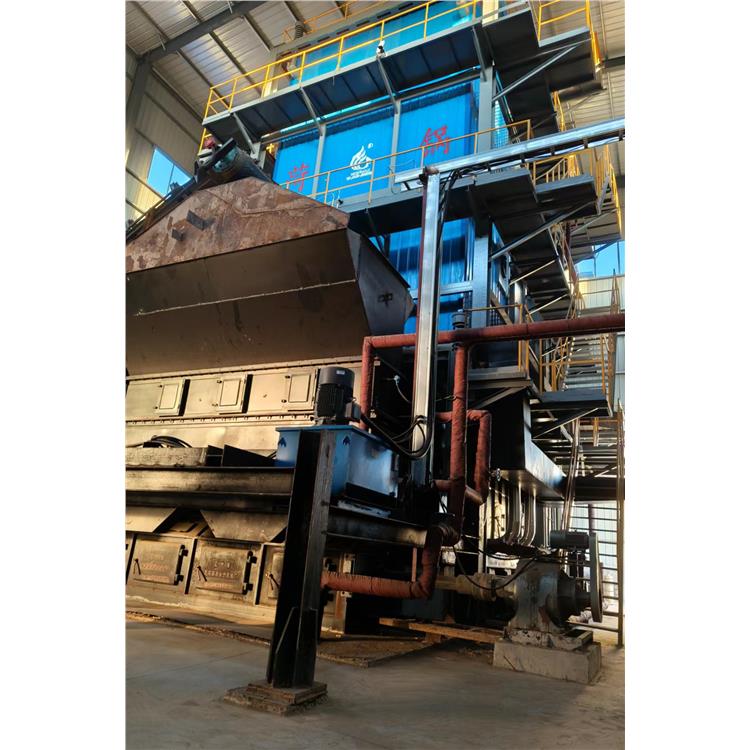
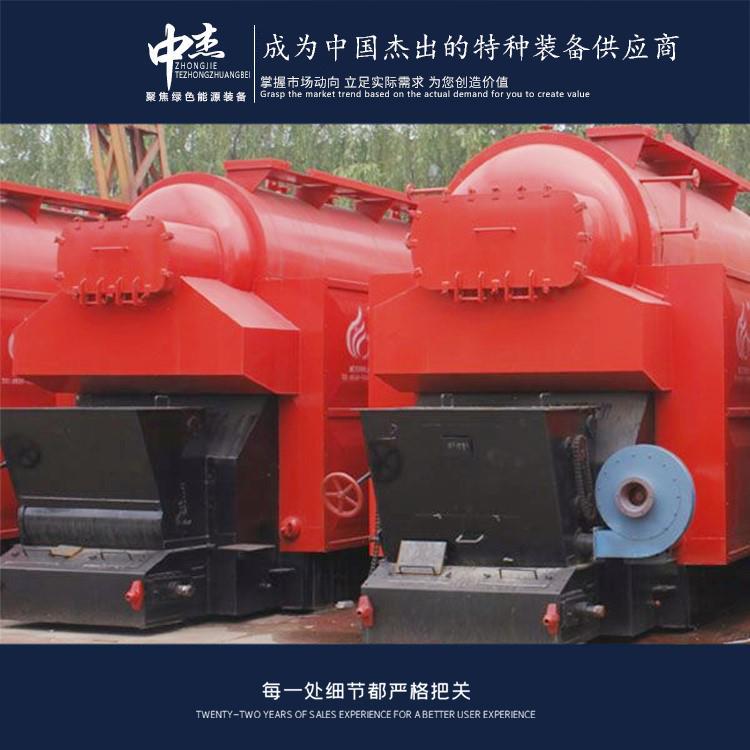
Shandong Zhongjie Special Equipment (formerly Heze Boiler Factory Co., Ltd.) holds an A-grade boiler manufacturing license, an A2-grade pressure vessel manufacturing license, an A2-grade pressure vessel design license, a B-grade boiler installation license, and GB2/Class and GC2/Class pressure pipeline installation licenses, as well as a mechanical and electrical equipment installation contracting qualification. It is a member of the China Boiler and Water Treatment Association, the China Chemical Equipment Association, and a council member of the Shandong Equipment Manufacturing Association. The company has also passed certifications for the ISO9001 Quality Management System, ISO14001 Environmental Management System, OHSAS18001 Occupational Health and Safety Management System, and the American ASME/U2 certification.
Biomass boilers can achieve energy conservation and emission reduction through the following methods:
Combustion Technology: The biomass boiler employs combustion technologies such as fluidized bed combustion and pellet combustion, which enhance combustion efficiency, ensuring more thorough fuel utilization, and reduce energy waste.
Recovery of Heat Energy:生物质boilers generate a large amount of heat energy during the combustion process, which can be recovered and utilized through a flue gas waste heat recovery system. For instance, by using a flue gas waste heat boiler or a flue gas heat exchanger, the heat energy in the flue gas can be converted into hot water, steam, or other forms of heat energy, thereby enhancing energy utilization efficiency.
Control combustion parameters: Biomass boilers can achieve optimal combustion results by controlling parameters such as combustion temperature and oxygen supply. Reasonable combustion parameters can enhance combustion efficiency and reduce fuel consumption and emissions.
Fuel Quality Control: Selecting biomass fuel in bulk with high moisture content and low ash content can enhance combustion efficiency and reduce the generation of ash and pollutants.
Regular maintenance and cleaning: Regularly maintain and clean biomass boilers to remove ash and soot from the combustion chamber and flue, ensuring normal operation and combustion of the boiler.
Our control system: Utilizes an automatic control system that can monitor and adjust the operational status of biomass boilers in real-time, ensuring stable combustion processes.
Through these measures, biomass boilers can achieve energy conservation and emission reduction, enhance energy utilization efficiency, decrease carbon emissions and the generation of pollutants, and be more environmentally friendly.
Biomass fuel boilers may encounter the following issues during use:
Fuel quality inconsistency: The quality of biomass fuel is affected by factors such as raw material source, processing methods, and storage conditions, leading to inconsistent fuel quality. Inconsistent fuel quality may impact combustion efficiency and the stable operation of the boiler.
Ash disposal issue: Biomass fuel produces a large amount of ash during combustion, including waste, ash content, and unburned materials. The handling and disposal of ash may pose environmental pollution and cost issues.
High-Temperature Corrosion: Ash and elements like chlorine in biomass fuels can easily cause corrosion at high temperatures, damaging the metal components of boilers. Measures must be taken to protect and treat against high-temperature corrosion issues.
Low combustion efficiency: The combustion characteristics of biomass fuel differ from traditional fossil fuels, potentially resulting in lower combustion efficiency. It is necessary to optimize the combustion system and control strategies to enhance combustion efficiency and reduce energy waste.
Gas emissions from combustion: The combustion of biomass fuel produces certain emissions, such as carbon dioxide, nitrogen oxides, and particulates. These emissions have an impact on the environment and air quality, necessitating corresponding control measures.
Transport and storage costs: The transportation and storage costs for biomass fuel are higher, particularly for areas far from the supply source. This may increase the operational costs of biomass fuel boilers.
In summary, biomass fuel boilers face issues such as inconsistent fuel quality, ash and slag disposal, and high temperatures.
A biomass organic heat carrier boiler is a boiler equipment that uses biomass as fuel to transfer heat energy through an organic heat carrier. Compared to traditional steam boilers, the biomass organic heat carrier boiler has the following performance advantages:
High Heat Efficiency: The biomass organic heat carrier boiler uses organic heat carriers as the heat transfer medium, offering a high heat transfer efficiency. Organic heat carriers can achieve liquid phase heat transfer at low temperatures, resulting in minimal heat loss. This allows for a more efficient utilization of fuel's thermal energy, enhancing heat efficiency.
Flexibility: The biomass organic heat carrier boiler is suitable for various biomass fuels, such as wood chips, straw, etc. Due to the abundant biomass resources, different biomass fuels can be chosen according to actual conditions, enhancing the substitutability and flexibility of the fuel.
Environmental Protection: The biomass organic heat carrier boiler produces relatively little waste gas and slag during the combustion process, with low emissions of pollutants. The biomass fuel itself has low sulfur and low nitrogen characteristics, and the slag after combustion can be reused as organic fertilizer or biomass fuel, reducing environmental pollution.
Safety: The biomass organic heat carrier boiler uses organic heat carriers as the heat transfer medium, featuring lower working pressure, thereby reducing the safety risks during boiler operation. Additionally, compared to fossil fuels, biomass fuel presents a lower risk of explosion and fire during combustion.
Renewability: Biomass organic heat carrier boilers use biomass as fuel, a resource that is renewable and can be continuously replenished through planting and cultivation. Compared to fossil fuels, the use of biomass fuel has a smaller environmental impact, promoting sustainable development.
The simplified steps for biomass boiler kiln are as follows:
Prepare fuel: Select suitable biomass fuel such as wood chips, straw, etc., and perform pretreatment like drying and sieving to ensure fuel quality and meet the requirements of the furnace.
Ignition and Ignition Adjustment: Place the fuel into the combustion chamber of a biomass boiler, ignite, and adjust the ignition. Adjust parameters such as the oxygen supply, fuel supply, and combustion temperature in the combustion chamber to ensure stable combustion.
Heating and Temperature Control: As fuel burns, biomass boilers produce high-temperature flue gas, which transfers its thermal energy to the dryer through a heat exchanger. During the heating process, it is necessary to control the temperature of the dryer to ensure that the material inside receives proper heating.
Furnace Operation and Monitoring: During the furnace heating process, operation and monitoring are required. Operations include controlling fuel supply, heat transfer, and the movement of materials inside the furnace. Monitoring involves tracking parameters such as furnace temperature, pressure, and combustion efficiency to ensure normal operation and safety.
Furnace Completion and Cleaning: Upon completion of the heating process or when the desired furnace effect is achieved, stop the fuel supply and heating, and perform the furnace completion procedures. Post-completion, it is necessary to clean the furnace and biomass boiler, including the combustion chamber and flue.
ZJ Special Equipment adheres to the grand vision of "realizing employees' dreams, creating value for customers, and striving for the prosperity and strength of our motherland," wholeheartedly commits to the development of green energy equipment, and dedicates high-value products and services to society!
50-ton Biogas Boiler in Xiangzhou, Custom Orders Available
