


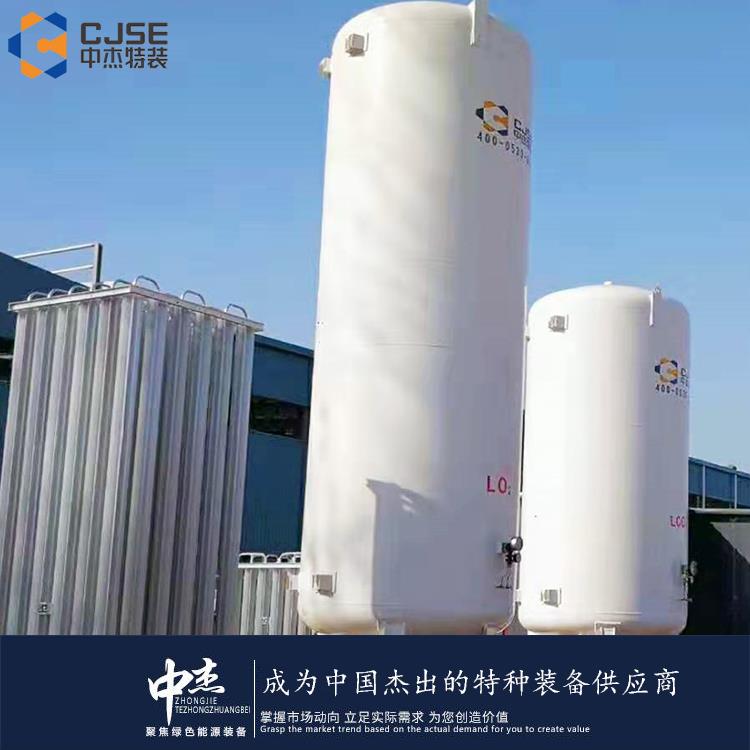

Shandong Zhongjie Special Equipment's main products include: fuel (gas) boilers, organic heat carrier boilers, biomass boilers, waste heat boilers, and other boiler products; vacuum insulation cryogenic pressure vessels such as LNG tanks, oxygen-nitrogen-argon tanks, and CO2 tanks; pressure vessel products like denitrification engineering equipment, heat storage and energy storage equipment, and complete chemical equipment sets; central air conditioning and HVAC equipment such as ground (water) source heat pumps, air source units, water-cooled screw units, and air-cooled modular units. Planned products include large-scale energy centers, LNG transport vehicles, LNG tank containers, and other green energy equipment.
Carbon dioxide storage tanks feature the following characteristics:
- High-pressure Storage: Carbon dioxide storage tanks are commonly used for high-pressure storage, capable of withstanding significant pressure. The CO2 inside the tank exists in a gaseous or liquid state, with pressure typically ranging from tens to hundreds of MPa.
- High-density Storage: When stored in a liquid state, CO2 has a higher storage density. Compared to gaseous storage, liquid storage can hold more CO2 in a relatively smaller tank, enhancing storage efficiency.
- Corrosiveness: Carbon dioxide possesses some degree of corrosiveness, which can erode certain materials. Therefore, storage tanks are usually made from corrosion-resistant materials like stainless steel or alloy steel to ensure durability and safety.
- Temperature Sensitivity: CO2 is in a gaseous state at room temperature but can convert to a liquid at lower temperatures. Hence, carbon dioxide storage tanks often require good insulation to maintain a低温 state inside.
- Safety Protection: Storage tanks are equipped with safety valves and pressure relief devices to control internal pressure and temperature, ensuring the safety of the storage process. Additionally, they must have excellent sealing properties to prevent leaks.
- Wide Application: Carbon dioxide storage tanks are widely used in various industries, including food and beverage, pharmaceutical, and chemical sectors. They can be used for freezing food, refrigeration equipment, gas supply, and more, meeting diverse industry needs.
In summary, carbon dioxide storage tanks are characterized by high-pressure storage, high-density storage, corrosiveness, temperature sensitivity, safety protection, and wide application. These features make them crucial equipment for storing and using CO2 in numerous industries.
Carbon dioxide storage tank standard parameters may vary based on different design and application requirements. Here are some common standard parameters:
- Storage Capacity: The capacity of carbon dioxide storage tanks is typically expressed in kiloliters (L) or cubic meters (m). Common capacity ranges vary from a few thousand to tens of thousands of liters.
- Working Pressure: The working pressure of carbon dioxide storage tanks is usually around 20 to 25 MPa (megapascals) at room temperature, with the specific pressure determined by application needs and design standards.
- Design Temperature: The design temperature of carbon dioxide storage tanks is usually in the low-temperature range, generally between -40°C to -60°C, to accommodate the liquefaction and storage requirements of carbon dioxide.
- Material: Carbon dioxide storage tanks are commonly made of high-strength steel or alloy materials to withstand the stresses and loads under high pressure and low-temperature environments.
- Insulation: The interior of the tank is equipped with an insulation layer to reduce heat transfer and liquid evaporation. The insulation layer typically consists of multiple layers, including thermal insulation materials and an external protective layer.
- Safety Valve and Pressure Relief Device: Tanks are equipped with safety valves and pressure relief devices to control internal tank pressure, preventing overpressure and explosion.
- Level Monitoring and Control: Tanks are fitted with level monitoring equipment to monitor the liquid level inside the tank. Timely monitoring and control of the level ensure that the liquid stored within the tank remains within a safe range.
- Note that specific standard parameters for carbon dioxide storage tanks may vary due to different design standards, application requirements, and manufacturers. When selecting and using carbon dioxide storage tanks, it is important to consider these factors.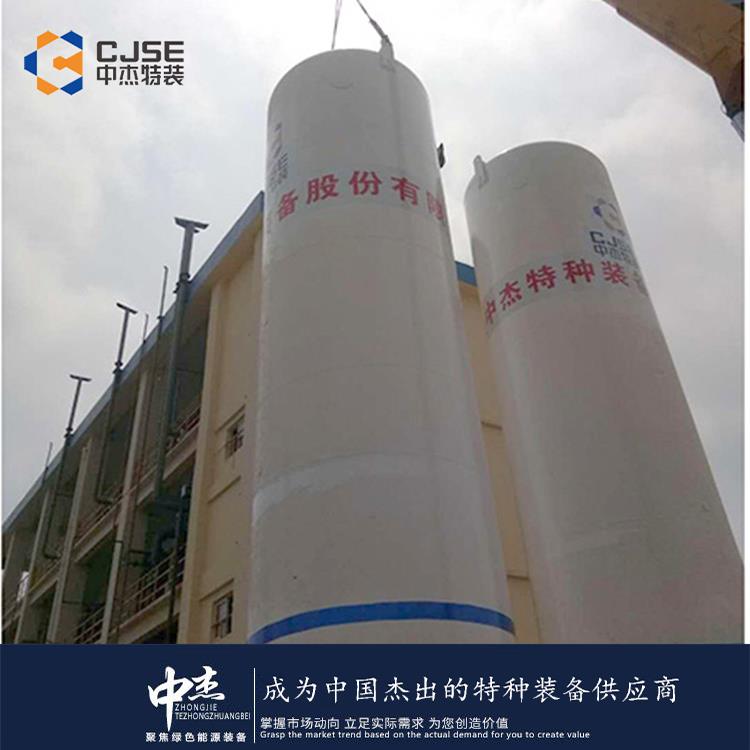
When planning CO2 storage tanks, the following requirements should be considered:
- Safety Distance: Tanks must maintain adequate safety distances from surrounding buildings, equipment, and personnel to prevent injuries and losses in case of accidents. Specific safety distance requirements can be stipulated according to local regulations and standards.
- Tank Capacity: Determine the tank's capacity based on actual needs and usage. The capacity selection should consider the amount of CO2 used, storage duration, and supply requirements.
- Tank Layout: The layout should facilitate operation and maintenance while meeting safety and environmental protection requirements. There should be sufficient spacing between tanks for ease of operation and maintenance.
- Tank Material: Choose appropriate materials for tank construction to ensure corrosion and pressure resistance. Common materials include carbon steel and stainless steel.
- Safety Equipment: Tanks should be equipped with necessary safety equipment such as safety valves, pressure sensors, and temperature sensors to ensure safe operation.
- Leak Protection: Measures should be taken to prevent CO2 leaks, such as sealed valves and leak detection systems. Corresponding leak handling procedures and emergency response plans should also be in place.
- Environmental Impact Assessment: An environmental impact assessment should be conducted when planning tanks to evaluate their impact on the surrounding environment and implement corresponding measures for environmental protection.
- Regulations and Standards: Adhere to local regulations and standards, including building codes, safety regulations, and environmental protection requirements, when planning tanks.
Note that planning CO2 storage tanks should be carried out by engineers or relevant agencies to ensure compliance with safety and environmental protection requirements. It is also necessary to consult local authorities for advice and guidance.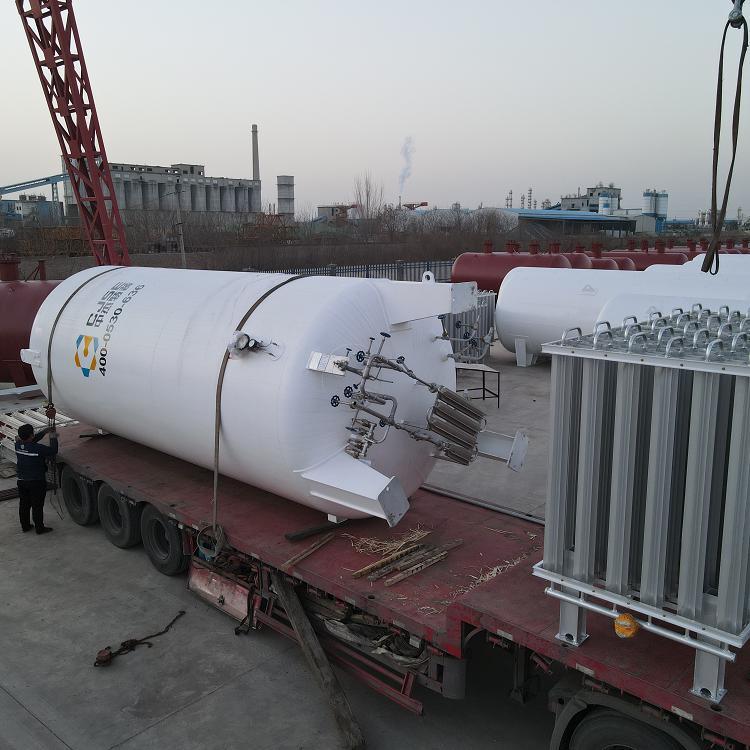
The application standards for liquid carbon dioxide storage tanks primarily include the following aspects:
Shandong Zhongjie Special Equipment, welcome customers to visit our factory for business discussions.
Yinchuan 50 Cubic CO2 Storage Tank - Over 20 Years of Experience for Added Reassurance
