


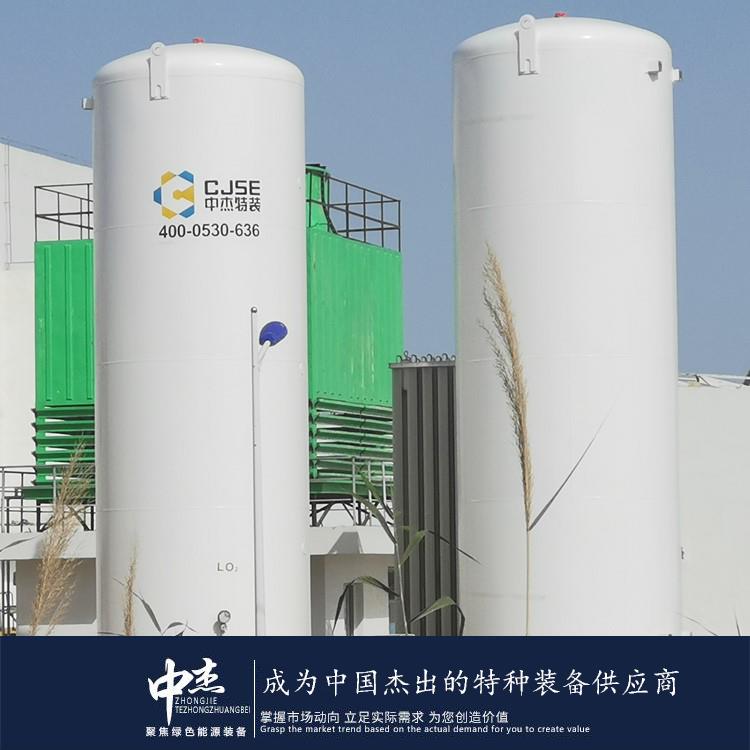
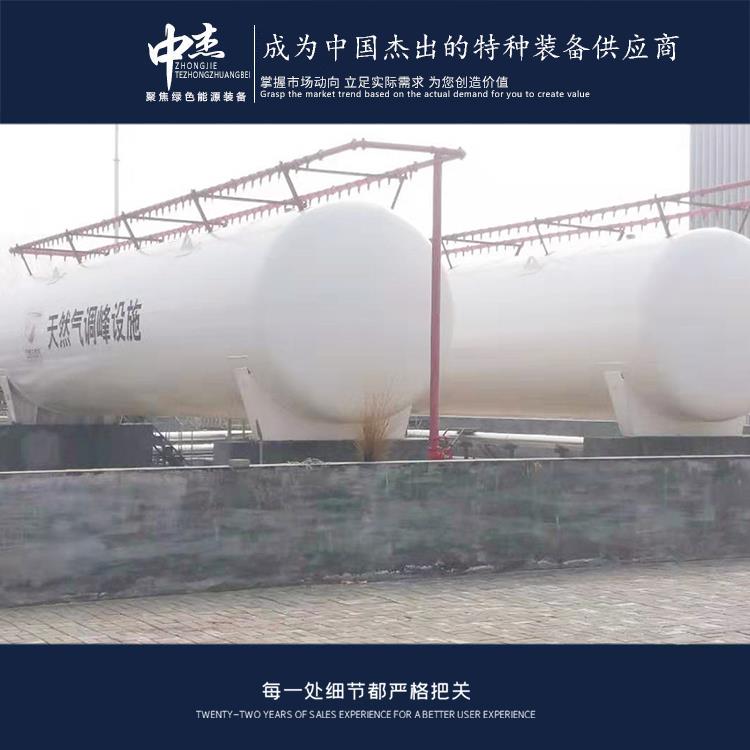

Shandong Zhongjie Special Equipment (formerly Heze Boiler Factory Co., Ltd.) was established in 2001, located at No. 2218 Jinnan Road, Development Zone, Heze City. With a registered capital of 50 million yuan and total assets of 500 million yuan, the company has 7 business centers: boilers, deep-freezing containers, pressure vessels, central air conditioning, engineering installation, international trade, and Internet of Things. It has three factory sites on Jinnan Road, East Changjiang Road, and Bohai Road, covering a total of 200,000 square meters, with the main workshop spanning 83,000 square meters. It currently employs 710 staff, including 247 engineers and technicians, and 82 intermediate-level technicians. In December 2016, it was recognized as a "High-tech Enterprise" by the Science and Technology Department. In June 2021, it was identified as a "Specialized and New Enterprise in Shandong Province" by the Ministry of Industry and Information Technology. In June 2022, it was recognized as a "Gazelle Enterprise in Shandong Province" and in August 2022, as a "Specialized and New Small Giant Enterprise" by the Ministry of Industry and Information Technology.
The liquid oxygen storage tank may deform during use. The following are common deformation defects found in liquid oxygen storage tanks:
Elastic deformation: Liquid oxygen tanks may undergo elastic deformation when subjected to external pressure or temperature changes. This deformation is typically reversible, meaning the tank will return to its original shape after the external pressure is removed or the temperature returns to normal.
Plastic Deformation: When a liquid oxygen tank is subjected to significant external force or pressure, it may experience plastic deformation. This deformation is irreversible, and the tank cannot return to its original shape. Plastic deformation can cause changes in the tank's shape, such as dents or warping.
Hot Deformation: Liquid oxygen storage tanks may undergo hot deformation when exposed to high temperatures or temperature changes. Hot deformation can cause the tank to change shape, expand, or contract.
Cold Deformation: Liquid oxygen tanks may experience cold deformation when subjected to low temperatures or temperature changes. Cold deformation can lead to changes in the tank's shape, shrinkage, or cracking.
These deformation defects may affect the structural integrity and safety of the liquid oxygen storage tank. Therefore, it is important to regularly inspect and evaluate the deformation of the liquid oxygen storage tank to ensure normal operation and safe use. If deformation defects are found, timely repair or replacement measures should be taken to avoid further damage and safety risks.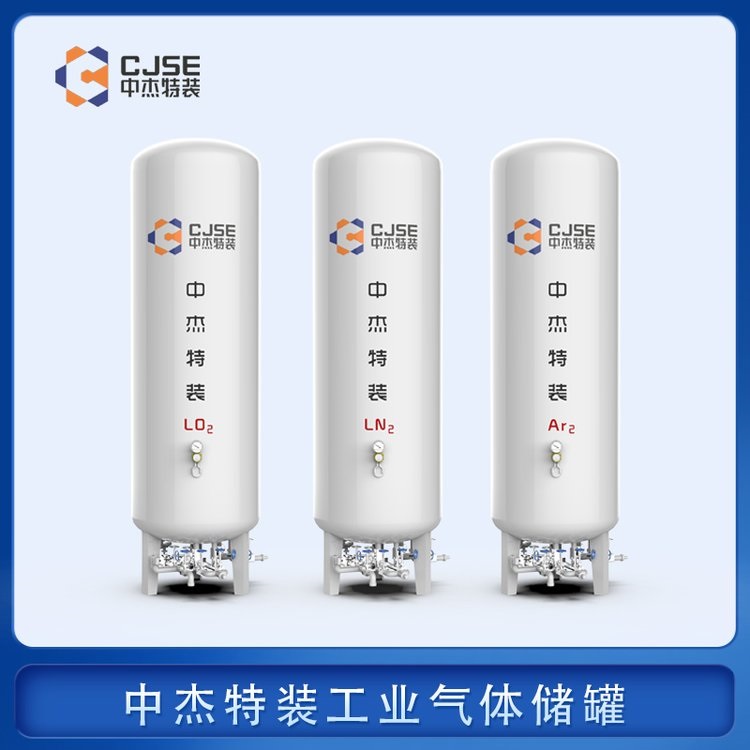
To ensure the quality of liquid oxygen storage tanks, the following measures can be taken:
选择可靠的供应商:选择有资质和经验的储罐制造商或供应商,确保其具备良好的声誉和可靠的质量管理体系。
Comply strictly with relevant standards and regulations: The design, manufacture, and installation of liquid oxygen tanks should conform to the relevant standards and regulations, such as standards, industry standards, or.
Quality Control and Inspection: Strict quality control and inspection are conducted throughout the manufacturing process, including material inspection, process monitoring, and finished product testing. Ensuring that the materials, welding, and sealing of the tanks meet the required standards.
A comprehensive quality management system: Establish and implement a comprehensive quality management system, including quality control plans, quality inspection records, and quality training, to ensure each stage meets quality requirements.
Regular maintenance and inspection: Conduct regular maintenance and inspections on liquid oxygen tanks, including cleaning, coating protection, and corrosion prevention, to extend the lifespan of the tanks and maintain their optimal operational condition.
Safe Operation and Management: Establish and implement a comprehensive safety and operational management system, encompassing proper tank usage, operational procedures, and safety training, to ensure the safety and reliability of tanks during use.
Regular inspections and evaluations: Conduct regular inspections and evaluations of liquid oxygen tanks, including visual inspections, pressure tests, leak detection, and as required, non-destructive testing and material analysis, to ensure tank quality and safety.
By implementing these measures, the quality, reliability, and safety of the liquid oxygen tanks can be effectively ensured, meeting usage requirements and standards.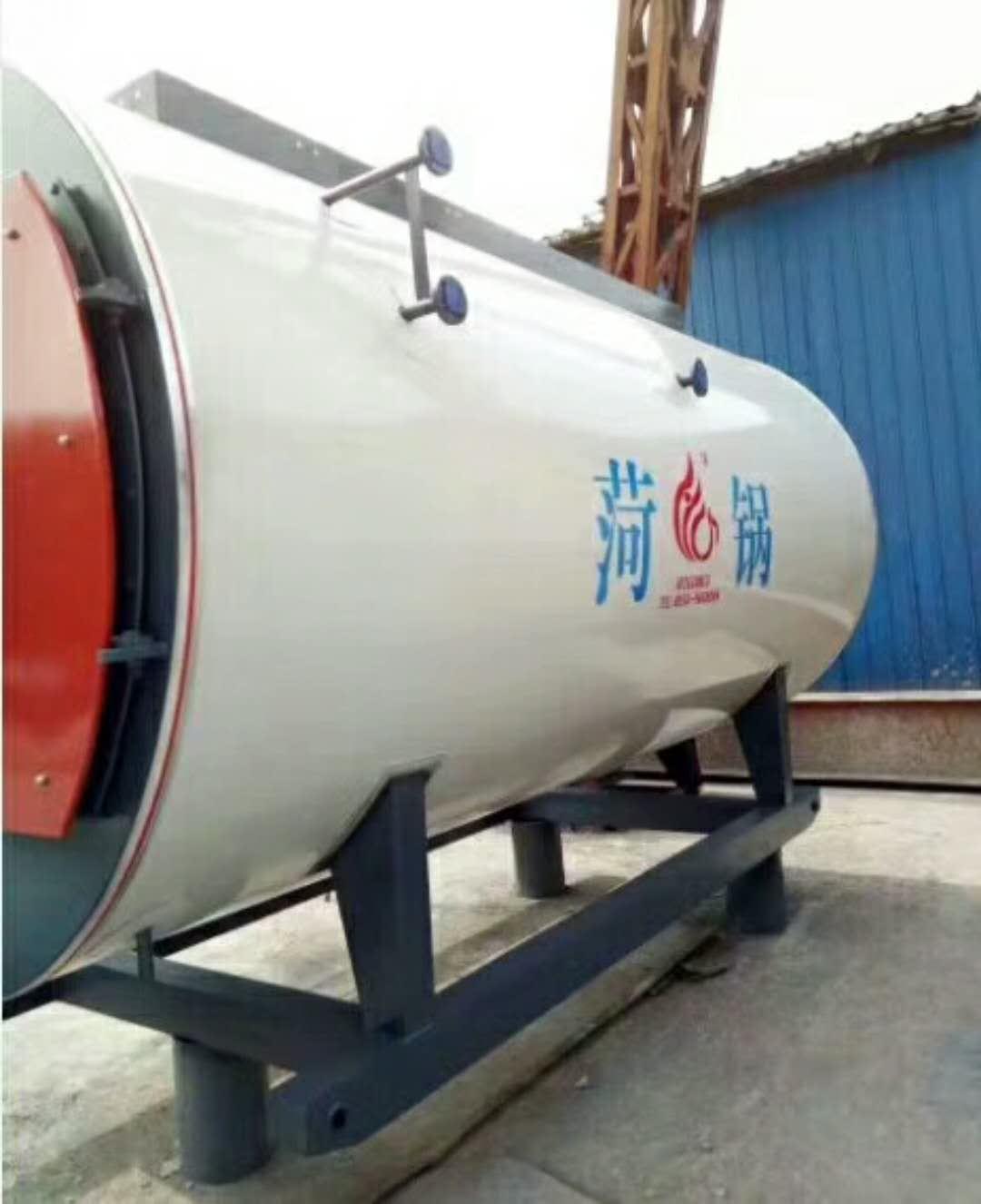
Routine inspection of liquid nitrogen tanks refers to regular checks and maintenance to ensure their safe operation and efficient use. Here is a common introduction to the routine inspection of liquid nitrogen tanks:
Appearance Inspection: Regularly inspect the exterior of the tank, including the tank body, insulation layer, valves, and pipelines, etc. Note any cracks, corrosion, wear, or other damage. Also, check if the insulation layer is intact, without any damage or detachment.
Level Inspection: Regularly check the liquid nitrogen tank's level to ensure it is within the normal range. Inspections can be conducted using a level gauge or level ruler, etc.
Pressure Check: Inspect the tank's pressure to ensure it is within the safe range. Pressure gauges or pressure sensors can be used for the inspection.
Leak Inspection: Check for signs of liquid nitrogen leakage around the storage tank, such as vapor mist, frosting, or freezing. If a leak is detected, take immediate action to repair it.
Valve and Pipe Inspection: Verify that the valves and pipes of the storage tank are functioning properly without any gas leaks or blockages. Ensure the tightness and unobstructed flow of the valves and pipes.
Safety Device Inspection: Examine the safety devices of the storage tank, such as pressure relief valves, temperature sensors, and level alarms, to ensure they are functioning properly.
Maintenance Records: Timely record the inspection results and maintenance records of the storage tank, including liquid levels, pressure, insulation status, leakage conditions, etc. These records help monitor the tank's operational condition and identify issues promptly.
It's important to note that inspections of liquid nitrogen tanks should adhere to relevant safety regulations and operating guidelines. Liquid nitrogen is highly flammable at low temperatures, so operators must wear appropriate personal protective equipment and ensure there are no ignition sources in the operating environment. Regular inspections help identify issues promptly and take corrective actions, ensuring the safe and efficient operation of the tank.
To safely utilize liquid oxygen storage tanks, attention should be paid to the following aspects:
Training: Operators of liquid oxygen tanks must undergo training to understand the properties of liquid oxygen, safety operating procedures, and emergency response measures. Only trained personnel are authorized to operate liquid oxygen tanks.
Safety Operating Procedures: Establish and adhere to safe operating procedures for liquid oxygen storage tanks, including proper operational processes, protective measures, and emergency response plans. Ensure that operators follow the procedures to minimize accident risks.
Equipment Inspection and Maintenance: Regularly inspect the condition of liquid oxygen tanks and related equipment, including valves, pipes, pressure gauges, etc. Ensure the equipment is in perfect condition without any damage, and promptly repair or replace any damaged parts.
Leak Control: Equipped with leak detection and alarm systems to promptly identify and control leaks in liquid oxygen storage tanks. Upon detection of a leak, immediate measures should be taken to control the source of the leak and carry out repairs.
Fire Prevention Measures: Liquid oxygen has a high oxygen content, which is prone to causing fires. To prevent and contain fires, firewalls and fire-resistant coatings are set up around liquid oxygen storage tanks.
Static protection: Electrostatic buildup in liquid oxygen tanks may cause sparks, increasing the risk of fire. Measures such as using static-conductive materials and anti-static equipment are taken to reduce the accumulation and release of static electricity.
Ventilation Requirements: Ensure adequate ventilation within the enclosed space of the liquid oxygen storage tank to expel gases produced by the evaporation of liquid oxygen. Avoid excessive oxygen concentration and minimize
Shandong Zhongjie Special Equipment, welcome customers to our factory for business discussions.
Huizhou Low-Temperature Liquid Oxygen Storage Tank, Genuine Manufacturer
