


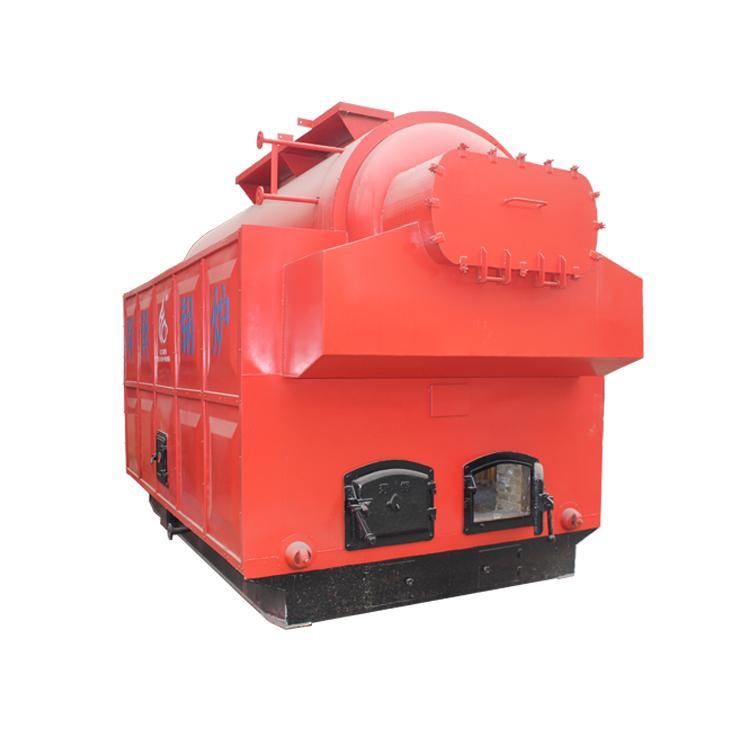

Shandong Zhongjie Special Equipment (formerly Heze Boiler Factory Co., Ltd.) holds an A-grade boiler manufacturing license, an A2-grade pressure vessel manufacturing license, an A2-grade pressure vessel design license, a B-grade boiler installation license, and GB2/Class and GC2/Class pressure pipeline installation licenses, as well as a mechanical and electrical equipment installation contracting qualification. It is a member of the China Boiler and Water Treatment Association, the China Chemical Equipment Association, and the Council Member of the Shandong Equipment Manufacturing Association. The company has also passed the ISO9001 Quality Management System, ISO14001 Environmental Management System, OHSAS18001 Occupational Health and Safety Management System certifications, and the American ASME/U2 certification.
Biomass boilers can achieve energy conservation and emission reduction in the following ways:
Combustion Technology: The biomass boiler utilizes advanced combustion technologies such as fluidized bed combustion and pellet combustion, which enhance combustion efficiency, ensuring more effective fuel utilization and reducing energy waste.
Reclaimed Heat Utilization:生物质boilers generate a significant amount of heat during the combustion process, which can be reclaimed and utilized through a flue gas waste heat recovery system. For instance, by using flue gas waste heat boilers or heat exchangers, the heat energy in the flue gas is converted into hot water, steam, or other forms of heat energy, enhancing energy utilization efficiency.
Control combustion parameters: Biomass boilers can achieve optimal combustion results by controlling parameters such as combustion temperature and oxygen supply. Reasonable combustion parameters can improve combustion efficiency and reduce fuel consumption and emissions.
Fuel Quality Control: Selecting biomass fuel in quantities with high moisture content and low ash content can enhance combustion efficiency and reduce the generation of ash and pollutants.
Regular maintenance and cleaning: Conduct regular maintenance and cleaning of biomass boilers to remove ash and carbon deposits from the combustion chamber and flue, ensuring the boiler operates and burns normally.
Our control system: Utilizes an automatic control system that can monitor and adjust the operating status of biomass boilers in real-time, ensuring stable and efficient combustion processes.
Through these measures, biomass boilers can achieve energy conservation and emission reduction, improve energy utilization efficiency, reduce carbon emissions and the generation of pollutants, and be more environmentally friendly.
Biomass boilers promote environmental protection primarily in the following aspects:
Renewable Energy Utilization: Biomass boilers use biomass fuels such as wood chips, straw, wheat straw, fruit shells, etc., which are renewable resources. Compared to fossil fuels, the combustion of biomass fuels releases less carbon dioxide, resulting in a smaller impact on climate change.
Reducing greenhouse gas emissions: The carbon dioxide produced during the combustion of biomass boilers can be reabsorbed through the regeneration process of biomass, forming a closed loop. This helps to decrease greenhouse gas emissions, contributing positively to slowing down climate change.
Low Pollution Emissions: The combustion process of biomass boilers results in relatively low emissions of pollutants in the flue gas. By means of reasonable combustion adjustment and auxiliary pollution control equipment such as dust collectors and nitrogen oxide control devices, the emissions of particulates and nitrogen oxides in the flue gas can be further reduced.
Recycling Waste: Biomass boilers can utilize waste and by-products as fuel, such as crop straw and wood processing waste. This achieves the recycling of waste, reducing the issues of waste disposal and accumulation.
Energy Efficiency Enhancement: The combustion process of biomass boilers can be improved through technologies such as heat recovery and waste heat utilization, enhancing energy utilization efficiency. This helps to reduce energy consumption and decrease reliance on conventional energy sources.
In summary, biomass boilers, as a renewable energy utilization technology, offer advantages such as lower carbon emissions, reduced pollution, and waste recycling, which positively promote environmental protection and sustainable development.
Biomass boilers offer the following advantages:
Renewable Energy: Biomass boilers utilize biomass fuels such as wood chips and straw, which are renewable and can be obtained through planting and regeneration cycles. They have lower carbon emissions compared to fossil fuels.
Environmental and Low-Carbon: The carbon dioxide produced during biomass combustion can be absorbed by plants, forming a cycle that reduces the burden on the atmosphere. Additionally, emissions and pollutants from biomass combustion are relatively low, resulting in minimal environmental impact.
Resource-rich: Biomass fuel sources are diverse, including crop straw, forest residues, industrial by-products, etc., with relatively abundant resources and a low risk of depletion.
High thermal efficiency: The biomass boiler utilizes advanced combustion technology and a heat recovery system, achieving high thermal energy conversion and utilization, thus enhancing energy efficiency.
Versatility: Biomass boilers are not only suitable for heating but also for hot water supply and various industrial heating applications.
However, biomass boilers also have some drawbacks:
Fuel supply is unstable: The supply of biomass fuel is affected by factors such as seasons, regions, and crop yields, which may lead to instability in supply.
Particulates generated from combustion: A certain amount of particulates is produced during the biomass combustion process, which affects air quality. These need to be treated through flue gas purification equipment.
Fuel handling and storage costs: Biomass fuels require pretreatment, drying, and storage, which may increase costs and complexity.
High technical requirements: Biomass pot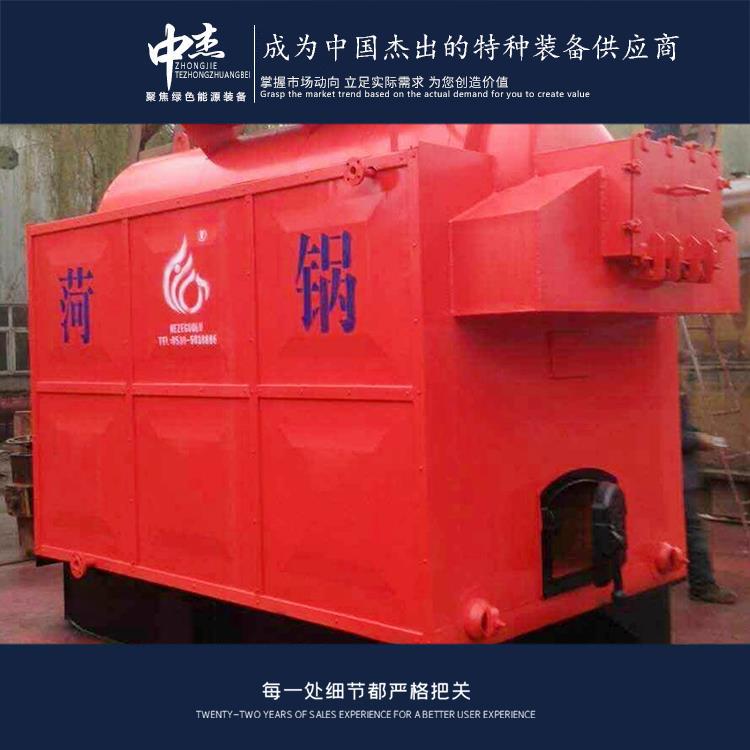
The brief steps for the biomass boiler kiln are as follows:
Prepare Fuel: Select appropriate biomass fuel such as sawdust and straw, and carry out necessary pretreatment like drying and crushing to enhance combustion efficiency.
Ignition: Place the fuel into the combustion chamber and ignite to start the combustion process. A spark lighter or other appropriate tools can be used for ignition.
Control the combustion process: Adjust the oxygen supply and fuel supply during combustion as needed to control the combustion temperature and heat output. This can be achieved by adjusting the burner's switch, control panel, or an automatic control system.
Furnace Operation: Place the items to be dried into the furnace according to specific requirements, ensuring even heating. Depending on the furnace design and requirements, appropriate measures can be taken, such as adjusting the combustion chamber temperature and flue ventilation, to achieve ideal drying results.
Monitoring and Adjustment: During the furnace process, it is necessary to monitor the combustion state, heat output, and furnace effect. Adjust the combustion parameters and operating methods in real-time based on the actual situation to ensure the stable operation of the furnace and achieve the desired furnace effect.
Shut down and Clean: After the furnace operation is completed, stop the fuel supply and wait for the combustion chamber to cool down. Once the combustion chamber is fully cooled, clean and maintain the furnace chamber, removing ash and dirt produced during the combustion process.
Above are the brief steps for the biomass boiler drying kiln. The specific operational procedures and precautions should be followed according to the boiler model, drying kiln requirements, and the manufacturer's instructions. During the operation,
Shandong Zhongjie Special Equipment, welcome customers to visit our factory for business discussions.
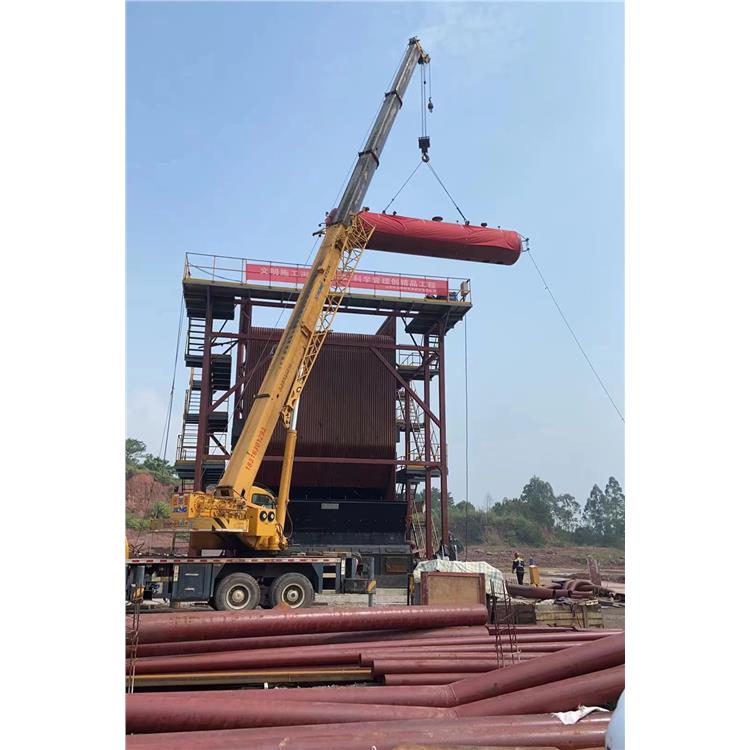
Huanggang 25-ton biomass boiler, high product safety level
