


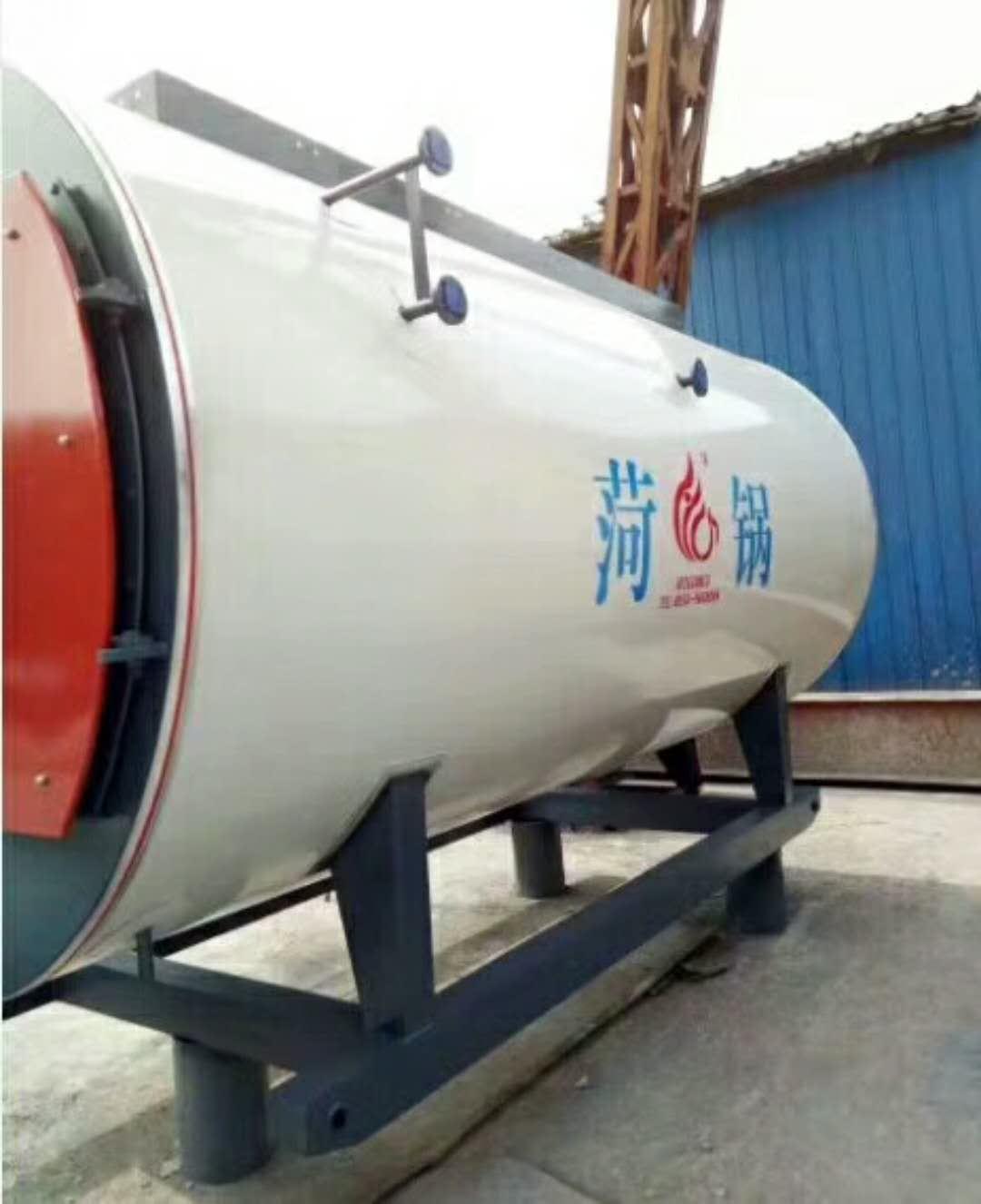

Shandong Zhongjie Special Equipment's main products include: fuel (gas) boilers, organic heat carrier boilers, biomass boilers, waste heat recovery boilers, and other boiler products; vacuum insulation cryogenic pressure vessels such as LNG tanks, oxygen/nitrogen/argon tanks, and CO2 tanks; pressure vessel products such as denitrification engineering equipment, heat storage and energy storage equipment, and complete chemical equipment; central air conditioning and HVAC equipment such as ground (water) source heat pumps, air source units, water-cooled screw units, and air-cooled modular units. Planned products include large-scale energy centers, LNG transport vehicles, LNG tank containers, and other green energy equipment.
Routine inspections and maintenance of liquid oxygen tanks are crucial for ensuring their safe operation. The following are general steps for the daily inspection and maintenance of liquid oxygen tanks:
Appearance Inspection: Regularly inspect the tank's appearance, including the shell, welds, valves, and connections, etc. Pay attention to any abnormal conditions such as cracks, corrosion, or deformation.
Leak Detection: Utilize suitable leak detection equipment to inspect for leaks in tanks and connecting areas. Leak detection methods such as gas detectors or liquid oxygen detectors can be employed.
Pressure Testing: Conduct regular pressure tests to inspect the tank's sealing and pressure resistance. Perform pressure tests according to relevant standards and regulations, and record the test results.
Valve and Fitting Inspection: Check if the valves and fittings on the tank are functioning properly and for any signs of loosening or damage. Ensure the valves open and close smoothly and reliably.
Insulation Layer Inspection: Check if the tank's insulation layer is intact without any damage or detachment. Repair or replace any damaged insulation materials to ensure effective insulation.
Cleaning and Drainage: Regularly clean the interior of the tank to remove accumulated impurities and dirt. Regularly drain to prevent the impurities and sediments in liquid oxygen from damaging the tank.
Safety Equipment Inspection: Examine the safety equipment around the storage tank, such as fire separation zones and alarm systems, to ensure they are functioning properly.
Record and Document Management: Document the results of each inspection and maintenance, including the inspection date, contents, issues found, and corrective measures. Establish comprehensive management records and documents to facilitate tracking and management of the tank's operation.
Note that inspections and maintenance of liquid oxygen tanks should be conducted by trained personnel, adhering to relevant specifications and standards. Ensure safety during maintenance and operation, and consult experts for accurate guidance.
Liquid oxygen tanks are equipment used for storing and supplying liquid oxygen. Liquid oxygen is obtained by cooling oxygen below its boiling point, turning it into a liquid state. Liquid oxygen tanks are typically made with double or multi-layer construction, filled with insulating material in the middle to minimize heat transfer and evaporation of the liquid oxygen.
Liquid Oxygen Storage Tank Features:
High Purity: The liquid oxygen tanks store high purity liquid oxygen, typically exceeding 99.5% purity. This makes liquid oxygen tanks crucial for applications requiring high purity oxygen, such as medical, industrial, and research fields.
Low Temperature: Liquid oxygen has a boiling point of -183°C, thus liquid oxygen storage tanks must have excellent insulation properties to maintain the低温 state of the liquid oxygen. Storage tanks are typically designed with double or multi-layer structures, filled with insulating material in between to minimize heat transfer and evaporation of the liquid oxygen.
High Pressure: Liquid oxygen tanks typically need to withstand high pressure to maintain their liquid state. The design and material selection of the tank must consider the pressure requirements of liquid oxygen to ensure the tank's safety and reliability.
Flammability: Liquid oxygen is highly flammable and can support combustion. Therefore, during the design and use of liquid oxygen storage tanks, fire prevention measures must be implemented to ensure there are no ignition sources nearby, and appropriate fire extinguishing equipment is provided.
High Density: Liquid oxygen has a higher density than gaseous oxygen, allowing liquid oxygen tanks to store more oxygen. This gives liquid oxygen tanks an advantage in applications requiring large oxygen supplies, such as in the field of .
The use of liquid oxygen storage tanks must strictly adhere to relevant safety regulations and operational guidelines to ensure the safe operation and use of the tank.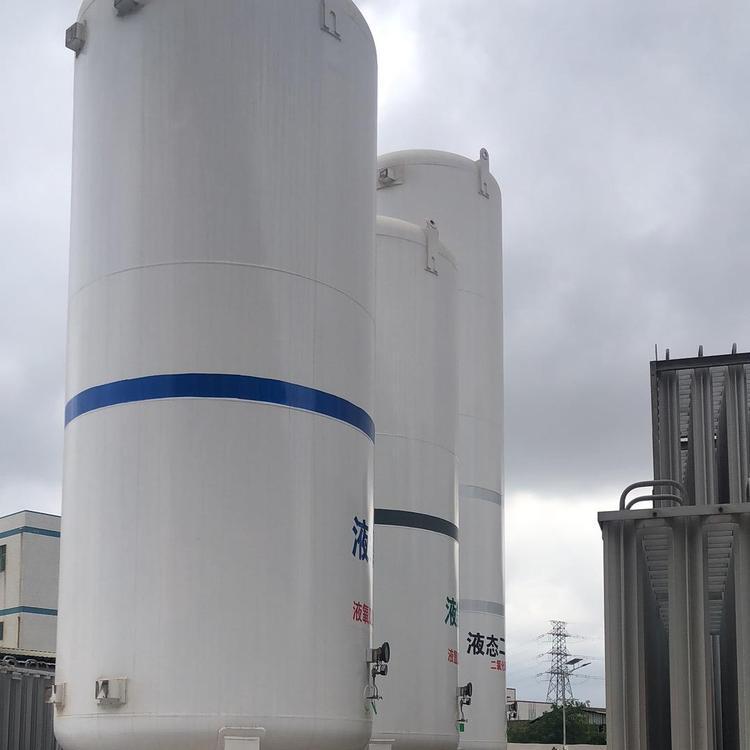
Low-temperature liquid storage tanks (such as liquid nitrogen, liquid oxygen, liquid argon, etc.) possess several advantages:
High-Density Storage: Low-temperature liquid storage tanks can convert gases into liquids, significantly enhancing storage density. Compared to gas storage, liquid storage allows for more material to be stored in a smaller space, improving storage efficiency.
Low-Temperature Retention: The low-temperature liquid storage tank has excellent insulation properties, effectively maintaining the low temperature of the liquid. The design and construction of the insulation layer can reduce heat conduction and thermal loss, keeping the liquid at a low temperature and minimizing evaporation and loss.
Supply: Low-temperature liquid storage tanks offer a stable and reliable liquid supply. With internal pressure control and pipeline system design, precise liquid delivery is achievable, catering to industrial production and laboratory requirements.
Safety: Low-temperature liquid storage tanks offer high safety. Compared to gas storage, liquid storage reduces the risk of gas leaks and explosions. Tanks are typically equipped with safety devices such as pressure relief valves and level alarms to ensure timely measures can be taken in abnormal situations, safeguarding the tank's safety.
Multi-functional Applications: Low-temperature liquid storage tanks are widely used in various fields such as industrial production and scientific research. Liquid nitrogen, liquid oxygen, and other low-temperature liquids can be utilized for freezing, refrigeration, gas supply, and more, catering to diverse industry needs.
Overall, low-temperature liquid storage tanks offer advantages such as high-density storage, temperature retention, supply, safety, and versatility, providing reliable liquid storage and supply solutions for various fields.
The installation of the safety valve on the liquid oxygen storage tank is a crucial component ensuring the tank can release pressure in a timely manner during overpressure situations, protecting the tank and associated equipment. Below are the steps for installing the safety valve on the liquid oxygen storage tank:
Confirm the rated pressure of the safety valve: Select an appropriate safety valve based on the design pressure and flow requirements of the liquid oxygen storage tank. Ensure the rated pressure of the safety valve meets the tank's specifications and complies with relevant safety standards and regulations.
Valve Installation Location: Choose a suitable location to install the safety valve. Typically, the safety valve should be mounted on the top or side of the liquid oxygen storage tank to allow for timely pressure release in the event of overpressure.
Prepare installation interfaces: Prepare the corresponding interfaces based on the connection method of the safety valve. This may include welding interfaces, threaded interfaces, or flange interfaces, etc. Ensure the tightness and stability of the connections.
Install the safety valve: Mount the safety valve onto the prepared interface. Follow the installation instructions for the safety valve to ensure it is properly connected and securely fastened.
Adjustment and Testing: After installation, adjust and test according to the requirements of the safety valve. Ensure the opening and closing pressures of the safety valve meet the design specifications, and conduct a leakage test to ensure its sealing.
Connect discharge pipes: The discharge pipe of the safety valve should be properly connected to the outlet of the safety valve. The discharge pipe must have adequate diameter and flow capacity to ensure effective release of overpressure gas when the safety valve is opened.
Identification and Record Keeping: Label the safety valves and discharge pipes with relevant information, such as rated pressure, flow rate, and installation date. Additionally, record the installation details and test results of the safety valves for future reference and maintenance.
When installing the safety valve on the liquid oxygen storage tank, it is imperative to follow relevant safety regulations and operating guidelines. If you lack the necessary experience and knowledge, it is advisable to seek assistance and guidance from professionals to ensure the correct installation and reliable operation of the safety valve.
Zhong Jie Special Equipment upholds the great vision of "realizing employees' dreams, creating value for customers, and striving for the prosperity and strength of our motherland," and is dedicated to the development of the green energy equipment industry. We offer products and services with high cost-performance to contribute to society!
Xiangtan Liquid Argon Storage Tank - Available for Customization
