


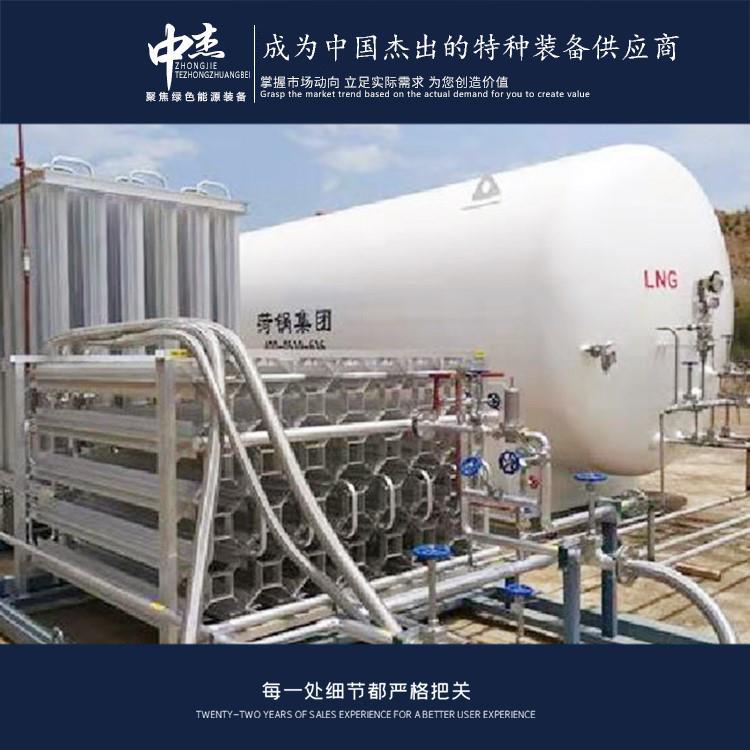

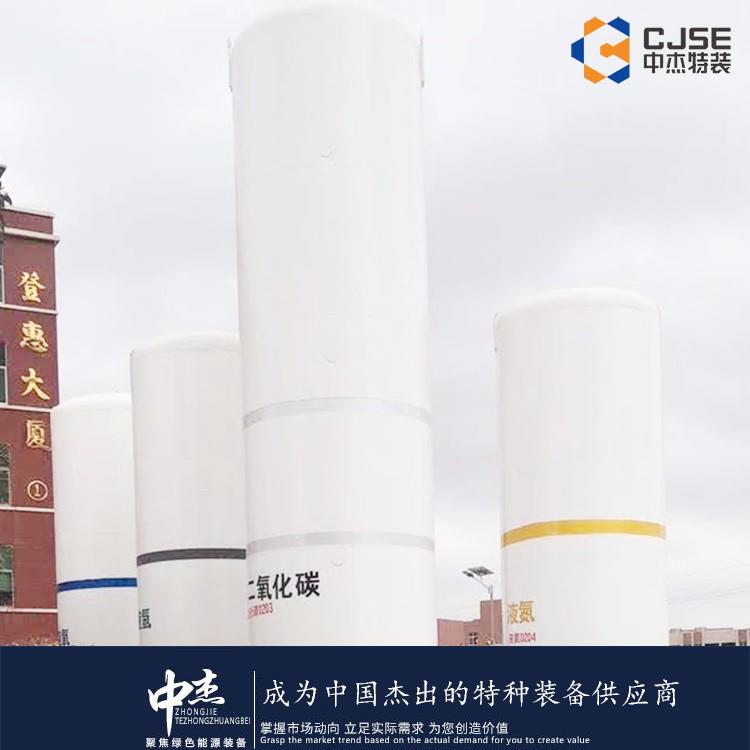
Shandong Zhongjie Special Equipment (formerly Heze Boiler Factory Co., Ltd.) holds an A-grade boiler manufacturing license, A2-grade pressure vessel manufacturing license, A2-grade pressure vessel design license, B-grade boiler installation license, and GB2/Class, GC2/Class pressure pipeline installation license, as well as mechanical and electrical equipment installation contracting qualifications. It is a member of the China Boiler and Water Treatment Association, the China Chemical Equipment Association, and the council unit of the Shandong Equipment Manufacturing Association. The company has also passed the ISO9001 Quality Management System, ISO14001 Environmental Management System, OHSAS18001 Occupational Health and Safety Management System certifications, and the American ASME/U2 certification.
Urea synthesis from carbon dioxide is a significant chemical reaction with several applications:
- Urea Production: Urea is a crucial nitrogen fertilizer and chemical, widely used in both agricultural and industrial sectors. Carbon dioxide synthesis is one of the commonly used methods for urea production. In this process, carbon dioxide reacts under high temperature and pressure to form urea. This method leverages carbon dioxide resources, reducing reliance on fossil fuels used in traditional urea production methods.
- Urea Fuel: Urea can serve as a urea fuel for internal combustion engines and combustion equipment. By heating and decomposing urea, it releases energy that, when combined with oxygen in the air, produces combustion heat. This combustion process only produces water vapor and nitrogen as byproducts, minimizing environmental pollution.
- Chemical Synthesis: Urea is an essential raw material for the synthesis of many chemicals. Carbon dioxide synthesis of urea provides a sustainable supply for the chemical industry, used in the production of other chemicals such as plastics, resins, paints, etc.
- Energy Storage: Urea can also act as an energy storage medium. By synthesizing urea from carbon dioxide, energy can be stored in the form of chemical bonds. When energy is needed, urea can be decomposed to release energy, which then reacts with oxygen in the air to produce combustion heat and release stored energy.
The development of carbon dioxide synthesis urea technology aims to reduce dependence on fossil fuels used in traditional urea production methods, lower greenhouse gas emissions, and promote the development of sustainable agriculture and the chemical industry. However, this technology is still under development and research, requiring further technical breakthroughs and practical verification to achieve large-scale application.
When cooling carbon dioxide tanks, be mindful of the following considerations and familiarize yourself with the basic steps of the cooling process:
* Safety: Pay attention to safety during the cooling process, ensuring the safety of operators and the surrounding environment. Adhere to relevant safety operation procedures and standards, and use appropriate personal protective equipment.
* Equipment Selection: Choose suitable cooling equipment and tools, such as cooling media (e.g., liquid nitrogen), coolers, and cooling systems. Select the appropriate cooling equipment based on the tank's size and requirements.
* Temperature Control: Control the temperature during the cooling process, avoiding overcooling or insufficient temperature. Determine the appropriate cooling temperature range based on the tank's design requirements and operating conditions.
* Cooling Process Breakdown:
* Preparations: Ensure there are no residual gases or impurities inside the tank to affect the cooling effect. Check the tank's sealing and the operational status of the safety valve.
* Cooling Media Injection: Inject cooling media (e.g., liquid nitrogen) into the tank to lower its temperature. Control the injection speed and quantity during the process to avoid over-injection leading to excessive pressure.
* Cooling Time: Determine the cooling time based on the tank's size and requirements. The cooling time typically needs to be long enough to ensure that the carbon dioxide inside the tank is fully cooled and liquefied.
* Temperature Monitoring: Regularly monitor the tank's temperature during the cooling process to ensure it stays within the appropriate range. Temperature sensors or infrared thermometers can be used for monitoring.
* Cooling Completion: The cooling process is complete when the tank reaches the predetermined cooling requirements. At this point, the carbon dioxide inside the tank should be in a liquid state.
It's important to note that the specific cooling process and steps may vary depending on the tank's design and application scenario. When performing cooling operations, adhere to relevant safety operation procedures and standards to ensure safety and effectiveness.
The working principle of a carbon dioxide storage tank involves the compression and liquefaction of carbon dioxide. Here is a brief description of how the carbon dioxide storage tank operates: Compression: Carbon dioxide gas is first compressed to a higher pressure by a compressor. This process compresses the gas into a high-pressure state, allowing it to transition into a liquid. Cooling: The compressed carbon dioxide gas enters a cooler, where it is rapidly cooled by the coolant or cooling system within. This process cools the gas below its boiling point, converting it into a liquid. Storage: The cooled carbon dioxide liquid is stored in a sealed tank, which typically has an insulating layer to minimize the evaporation of liquid carbon dioxide and maintain a low temperature. The pressure inside the tank is maintained within a certain range to ensure stable storage of the liquid carbon dioxide. Supply: When carbon dioxide is needed, it can be extracted from the tank through valves and piping systems. By controlling the opening and flow of the valves, liquid carbon dioxide can be supplied to the required equipment or system. It is important to note that the working principle of carbon dioxide storage tanks may vary depending on the specific design and manufacturing. When using a carbon dioxide storage tank, follow the operating manual and safety guidelines, and cooperate with local regulatory authorities and personnel to ensure the tank's safety and reliability.
Proper installation of a CO2 storage tank requires the following steps:
Site Preparation: Select an appropriate site for installation, ensuring it is level, stable, and meets safety distance requirements. Clear the site of any obstructions and fire sources.
Foundation Construction: Construct a foundation based on the tank's size and weight. The foundation must be sufficiently strong and stable to support the tank's weight and pressure.
Tank Installation: Place the tank on the foundation, ensuring proper bedding and securing devices between the tank and foundation. Connect and secure the tank according to design specifications.
Pipe Connection: Connect the tank to the piping system as needed. Ensure good seals at the connection points to prevent leaks.
Safety Equipment Installation: Install the required safety equipment for the tank, such as safety valves, pressure sensors, and temperature sensors. Ensure these devices are properly installed and connected.
System Testing: Conduct system tests after installation, including pressure and leak tests, to ensure the proper operation and safety of the tank and piping system.
Identification and Warning Signs: Set up necessary identification and warning signs on the tank and piping system, including tank capacity and pressure information, to remind operators to maintain safety.
Tank Maintenance: Perform regular maintenance and upkeep on the tank after installation, including cleaning, lubrication, and inspections, to ensure normal operation and extend the tank's lifespan.
Installation of CO2 storage tanks should be carried out by qualified installers, following relevant safety operation procedures and standards. Seek advice and guidance from experts.
Our company places great emphasis on technological innovation and R&D design. We possess one municipal-level enterprise technology center in Heze City, and have established testing facilities for non-destructive testing, physical and chemical testing, welding testing, hydrostatic testing, etc. We are equipped with over 600 types of instruments and equipment, including CNC machine tools, X-ray flaw detectors, digital ultrasonic flaw detectors, mechanical property testing machines, chemical analyzers, spectrometers, tensile testing machines, plasma welding machines, and more. The key products and technologies we have developed, such as temperature and pressure vessel welding, biomass boiler emission reduction, and waste heat utilization, have successively been selected for multiple Shandong Provincial Department of Industry and Information Technology science and technology innovation projects, Shandong Provincial key projects, and Heze City innovation and excellence projects. We have accumulated a total of 27 authorized utility models, 16 authorized inventions, participated in drafting 2 standards, 2 industry standards, and registered 15 trademarks. The technical team of our company, in collaboration with Professor Yajiang Li of Shandong University, has jointly developed deep cryogenic container processing technology, which adopts the international plasma arc + wire filling argon arc welding (PAW-GTAW) technology. After being appraised as a provincial-level scientific and technological achievement, the technology level has reached an international standard in the field of deep cryogenic container manufacturing. Choose Zhongjie Special Equipment, and let's create brilliance together!
Hezhou Carbon Dioxide Storage Tank, 304 Stainless Steel Material
