


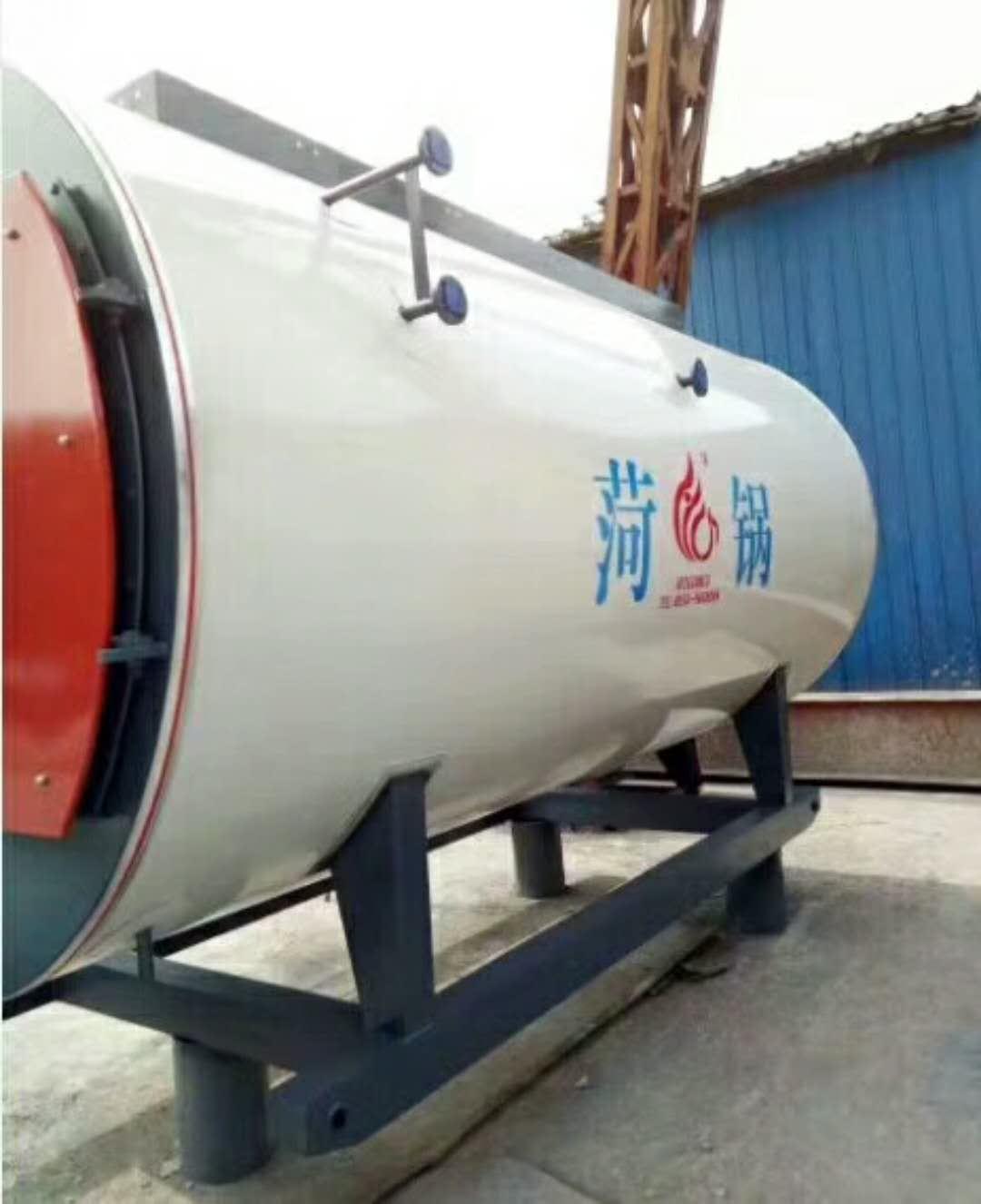
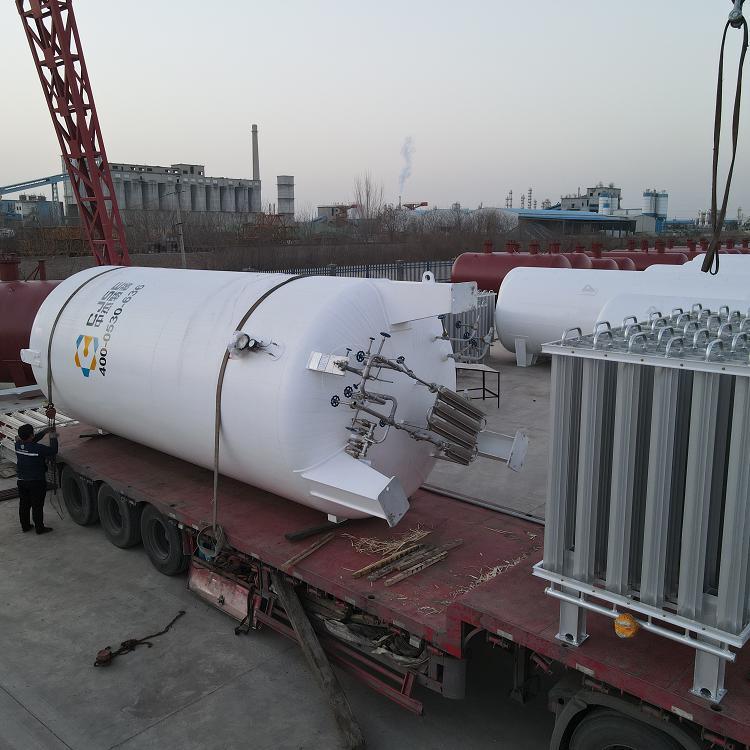
Shandong Zhongjie Special Equipment (formerly Heze Boiler Factory Co., Ltd.) holds an A-grade boiler manufacturing license, A2-grade pressure vessel manufacturing license, A2-grade pressure vessel design license, B-grade boiler installation license, and GB2/Class, GC2/Class pressure pipeline installation license, as well as an electromechanical equipment installation contracting qualification. It is a member of the China Boiler and Water Treatment Association, the China Chemical Equipment Association, and the理事 unit of the Shandong Equipment Manufacturing Association. The company has also passed certifications for the ISO9001 Quality Management System, ISO14001 Environmental Management System, OHSAS18001 Occupational Health and Safety Management System, and the U.S. ASME/U2 certification.
Carbon dioxide storage tanks come in various sizes and configurations, tailored to specific application and capacity requirements. Here are some common dimensions and structures of carbon dioxide storage tanks:
- Dimensions: The size of carbon dioxide storage tanks can range from small to large, varying with capacity. Common sizes include several thousand to tens of thousands of liters.
- Structure: Typically, carbon dioxide storage tanks feature a double-walled design, with the inner wall for storing liquid CO2 and the outer wall for insulation. The inner wall is usually made of stainless steel or aluminum alloy, offering excellent corrosion resistance.
- Insulation: To maintain the low temperature of liquid CO2, the outer wall of the tank is often insulated to reduce heat transfer and maintain低温. Insulation can be in multi-layered structures, such as polyester foam or glass wool.
- Pressure Relief Devices: Carbon dioxide storage tanks are usually equipped with pressure relief devices, like safety valves, to control internal tank pressure. The set pressure of these devices must comply with relevant requirements and be regularly inspected and maintained.
- Connecting Pipes: The connection between the tank and pipes is typically made using appropriate methods, such as flange or threaded connections. The connecting pipes must meet relevant standards and specifications to ensure a secure and leak-proof connection.
- Support Structure: Large carbon dioxide storage tanks often require a support structure to bear their weight. These can be made of steel or concrete, ensuring stability and safety.
Note that the specific dimensions and structures of carbon dioxide storage tanks may vary depending on different applications and requirements. When selecting and using carbon dioxide storage tanks, it is essential to consider the specific needs and comply with relevant regulations.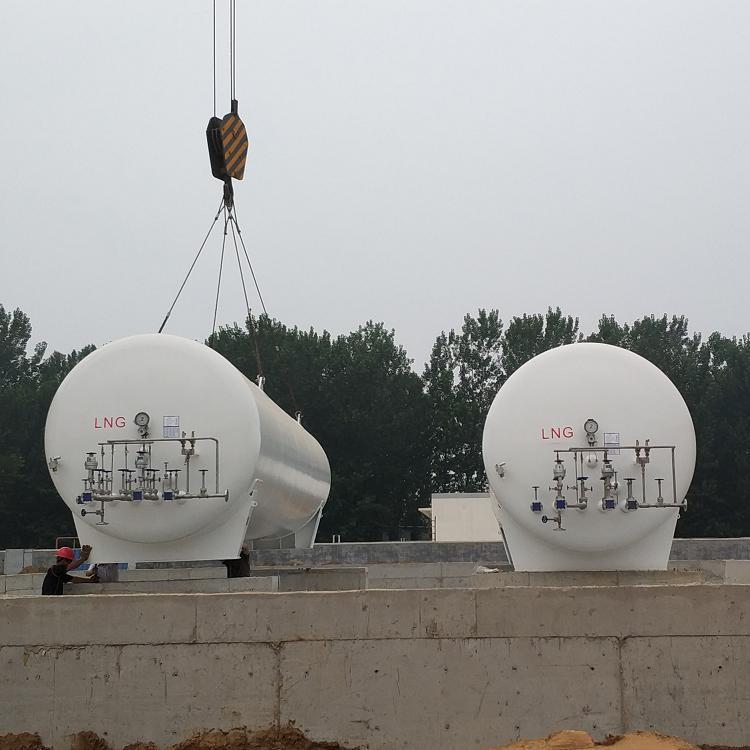
Carbon dioxide storage tanks possess the following characteristics:
- High-pressure vessels: Carbon dioxide storage tanks are typically designed as high-pressure vessels, capable of withstanding high pressure. This is because carbon dioxide requires high pressure at room temperature to maintain a liquid state.
- High oxidizing properties: Carbon dioxide has a high oxidizing nature, which supports combustion. Therefore, when using and storing carbon dioxide, precautions should be taken to prevent contact to avoid the risk of fire and explosion.
- Low-temperature storage: Carbon dioxide is in a gaseous state at room temperature but can be compressed into a liquid at lower temperatures. Thus, carbon dioxide storage tanks usually need to have good thermal insulation to maintain the low-temperature liquid state of the stored carbon dioxide.
- High density: Liquid carbon dioxide has a high density, allowing for the storage of large amounts of carbon dioxide in a relatively small volume. This makes carbon dioxide storage tanks useful in scenarios requiring substantial carbon dioxide supply.
- Safety valves and pressure control: To ensure the internal pressure of the tank remains within a safe range, carbon dioxide storage tanks are commonly equipped with safety valves and pressure control devices. These devices monitor and control the tank's internal pressure to prevent excessive pressure from causing the tank to burst.
- Corrosiveness: Carbon dioxide has some degree of corrosiveness, especially in high humidity environments. Therefore, the materials and corrosion prevention measures for the tank must consider the corrosive nature of carbon dioxide to ensure the tank's durability and safety.
These characteristics make carbon dioxide storage tanks widely applicable in many industries, such as the food and beverage industry, fire suppression, and the gas industry. When using carbon dioxide storage tanks, it is necessary to follow relevant safety operation procedures and standards to ensure operational safety.
Carbon dioxide storage tank standard parameters may vary depending on different design and application requirements. Here are some common standard parameters:
- Storage Capacity: The capacity of a carbon dioxide storage tank is typically expressed in kiloliters (L) or cubic meters (m), with common capacity ranges ranging from a few thousand to tens of thousands of liters.
- Working Pressure: The working pressure of a carbon dioxide storage tank is usually around 20 to 25 MPa at normal temperatures, with specific pressure determined by application needs and design standards.
- Design Temperature: The design temperature of a carbon dioxide storage tank is generally within the low-temperature range, usually between -40°C to -60°C, to accommodate the liquefaction and storage requirements of carbon dioxide.
- Material: Carbon dioxide storage tanks are commonly made of high-strength steel or alloy materials to withstand stress and loads under high pressure and low-temperature environments.
- Insulation Layer: The interior of the tank is equipped with an insulation layer to reduce heat transfer and liquid evaporation. The insulation layer is usually a multi-layer structure, including thermal insulation materials and an external protective layer.
- Safety Valve and Pressure Relief Device: The tank is equipped with a safety valve and pressure relief device to control internal pressure, prevent overpressure, and prevent explosions.
- Level Monitoring and Control: The tank is equipped with a level monitoring device to monitor the liquid level inside the tank. Timely monitoring and control of the liquid level ensure that the liquid storage volume within the tank remains within a safe range.
- It should be noted that specific standard parameters for carbon dioxide storage tanks may vary due to different design standards, application requirements, and manufacturers. When selecting and using carbon dioxide storage tanks, it is important to consider these factors.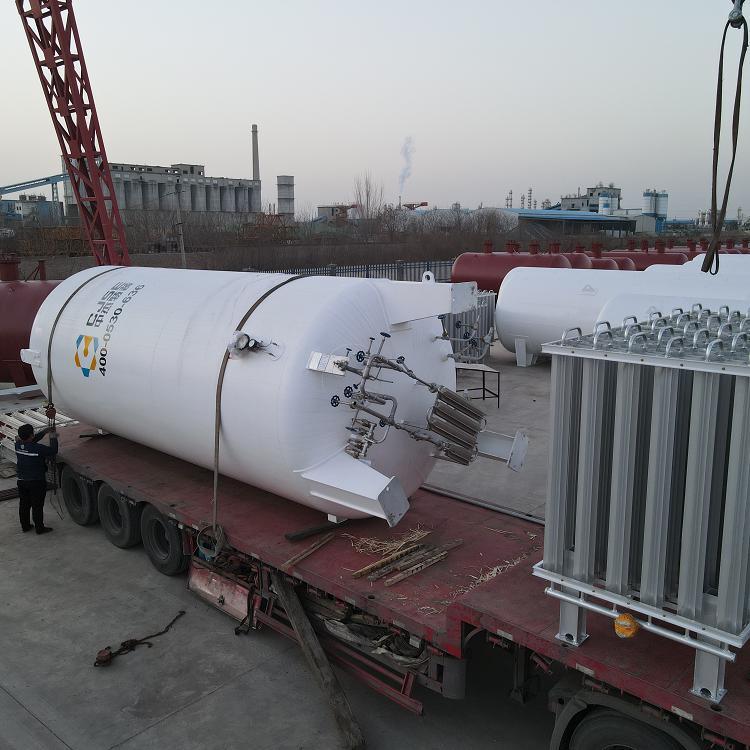
Carbon dioxide has extensive applications in the field of food freezing. Below are some common uses of carbon dioxide in food freezing:
- Freezing Food Processing: Carbon dioxide is commonly used in the processing of frozen foods. By exposing food to liquid carbon dioxide, temperatures can be rapidly reduced, achieving quick freezing. This rapid freezing effectively preserves the quality, texture, and nutritional content of the food.
- Freezing Storage: Carbon dioxide is also used in the freezing storage of food. During the storage process, food is placed in a low-temperature environment, and its temperature is lowered below the freezing point using the refrigerating effect of carbon dioxide, thereby extending the shelf life of the food.
- Freezing Transportation: Carbon dioxide plays a crucial role in the freezing transportation of food. By using carbon dioxide freezing technology during transportation, the low-temperature state of the food can be maintained, preventing quality and loss.
- Freezing Display: In the food retail industry, carbon dioxide is also used in refrigerated display cases. By injecting carbon dioxide gas into the display cases, the low-temperature state of the food can be maintained, showcasing it while preserving freshness and quality.
- Compared to traditional freezing techniques, carbon dioxide freezing offers some advantages, such as faster freezing, better freezing quality, and minimal impact on food quality. However, it is important to note that safety operation is necessary when using carbon dioxide freezing technology to avoid leaks and harm to humans. Therefore, relevant safety operation procedures and guidelines should be followed when using carbon dioxide for food freezing.
Chongjie Special Equipment upholds the great vision of "Realizing employee dreams, creating customer value, and striving for the prosperity and strength of our motherland," and is dedicated to the development of green energy equipment. We offer products and services with high performance at competitive prices, contributing to society!
衡水二氧化碳储罐厂家 现货供应
