


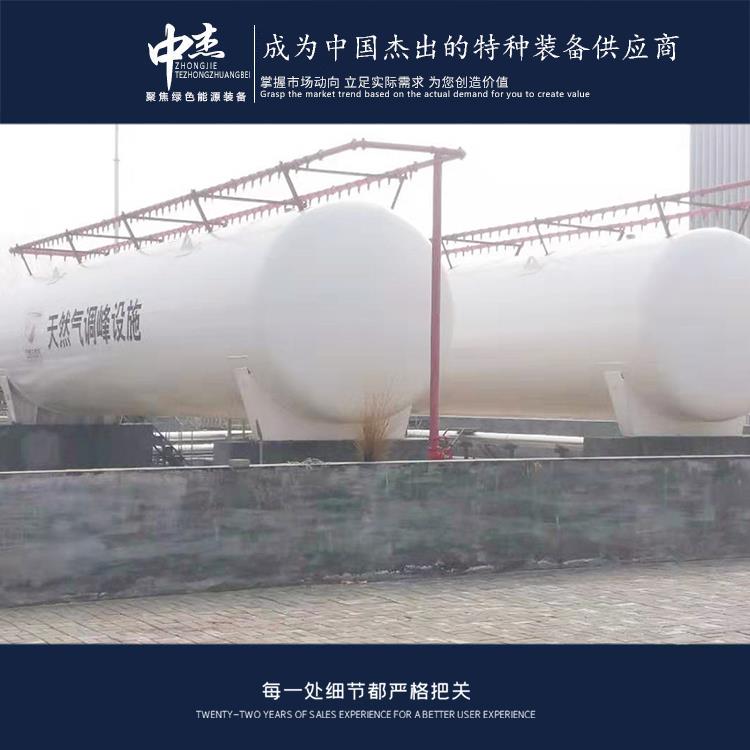

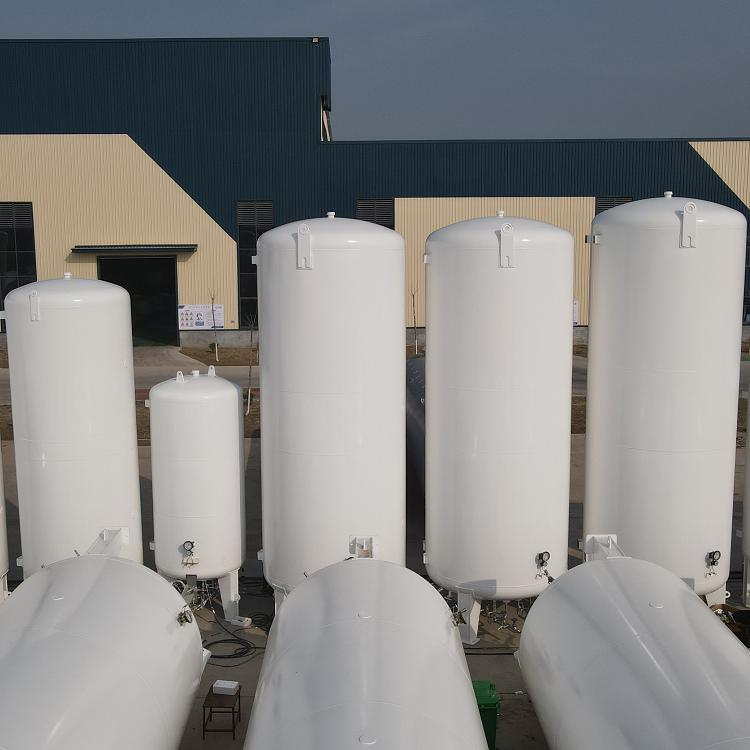
Shandong Zhongjie Special Equipment's main products include: fuel (gas) boilers, organic heat carrier boilers, biomass boilers, waste heat recovery boilers, and other boiler products; vacuum insulation cryogenic pressure vessels such as LNG tanks, oxygen/nitrogen/argon tanks, and CO2 tanks; pressure vessel products like denitrification engineering equipment, heat storage equipment, and complete chemical equipment sets; central air conditioning and ventilation equipment such as ground (water) source heat pumps, air-source units, water-cooled screw units, and air-cooled modular units. Planned products include large-scale thermal energy centers, LNG transport vehicles, and LNG tank containers, among other green energy equipment.
The materials used for liquid oxygen tanks typically need to have excellent low-temperature resistance and corrosion resistance. The following are common materials for manufacturing liquid oxygen tanks:
Stainless Steel: A commonly used material for liquid oxygen storage tanks, stainless steel boasts excellent corrosion resistance and mechanical strength. Common stainless steel grades include 304 and 316.
Aluminum Alloy: Aluminum alloys are also commonly used in the manufacturing of liquid oxygen tanks, featuring low density and excellent corrosion resistance. Common aluminum alloy materials include 5083 and 6061 aluminum alloys.
Fiberglass Reinforced Plastic (FRP): FRP is a composite material composed of glass fibers and resin. It boasts excellent corrosion resistance and mechanical strength, making it suitable for liquid oxygen storage tanks in some special environments.
Carbon Steel: Carbon steel is a common material used in the construction of tanks, known for its high strength and corrosion resistance. However, it is prone to oxidation in liquid oxygen environments, necessitating anti-corrosion measures.
It's important to note that the choice of materials for liquid oxygen tanks should be determined based on specific application requirements, working conditions, and safety standards. When selecting materials, consider the properties of liquid oxygen and the design requirements of the tank to ensure safety and reliability. Additionally, manufacturers and suppliers often provide material selection advice and technical support.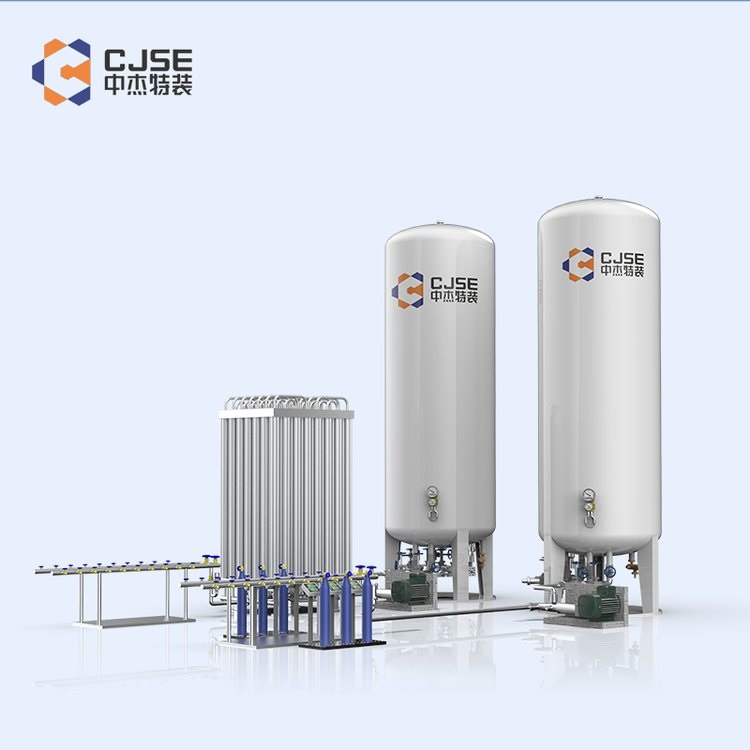
Liquid Oxygen Tanks are specialized equipment that requires special attention to safety and an understanding of their characteristics. Below are the usage precautions and features of liquid oxygen tanks:
Usage Precautions:
- Operation: The operation of liquid oxygen tanks should be performed by trained and experienced personnel. Operators should be familiar with the tank's structure, performance, and operating procedures, and must operate strictly according to the manual and safety regulations.
- Fire Prevention Measures: Liquid oxygen is highly oxidative and can easily cause fires and explosions. Open flames and sources of sparks or high temperatures should be prohibited around the liquid oxygen tank. Fire protection equipment and fire extinguishers should be established and regularly checked and maintained.
- Leak Control: In the event of a leak in a liquid oxygen tank, immediate action should be taken to control the leak. A leak can lead to the evaporation of liquid oxygen and an increase in oxygen concentration, which enhances the risk of fire and explosion. A leak detection system should be established, along with leak control devices and personal protective equipment.
- Insulation Protection: Liquid oxygen tanks should have good insulation to minimize evaporation and maintain low temperatures. The insulation should be inspected and maintained regularly to ensure its integrity and insulating properties.
- Safety Distance: A certain safety distance should be maintained around the liquid oxygen tank to prevent the spread of fires, explosions, and leaks. The specific requirements for safety distances should be assessed and determined based on local regulations and standards.
Features:
- High Oxidizing Power: Liquid oxygen is highly oxidative and can support combustion and more intense burning. Therefore, special attention to fire and explosion prevention measures is necessary when using liquid oxygen tanks.
- High-Pressure Storage: Liquid oxygen tanks typically store high-pressure oxygen, with pressures usually around 2-5 bar. Thus, when operating and maintaining liquid oxygen tanks, attention should be given to pressure control and the safety of pressure relief devices.
- Low-Temperature Storage: The liquid oxygen in the tank is at a low temperature, usually around -183°C. Therefore, when handling the liquid oxygen tank, it is necessary to wear appropriate protective gear.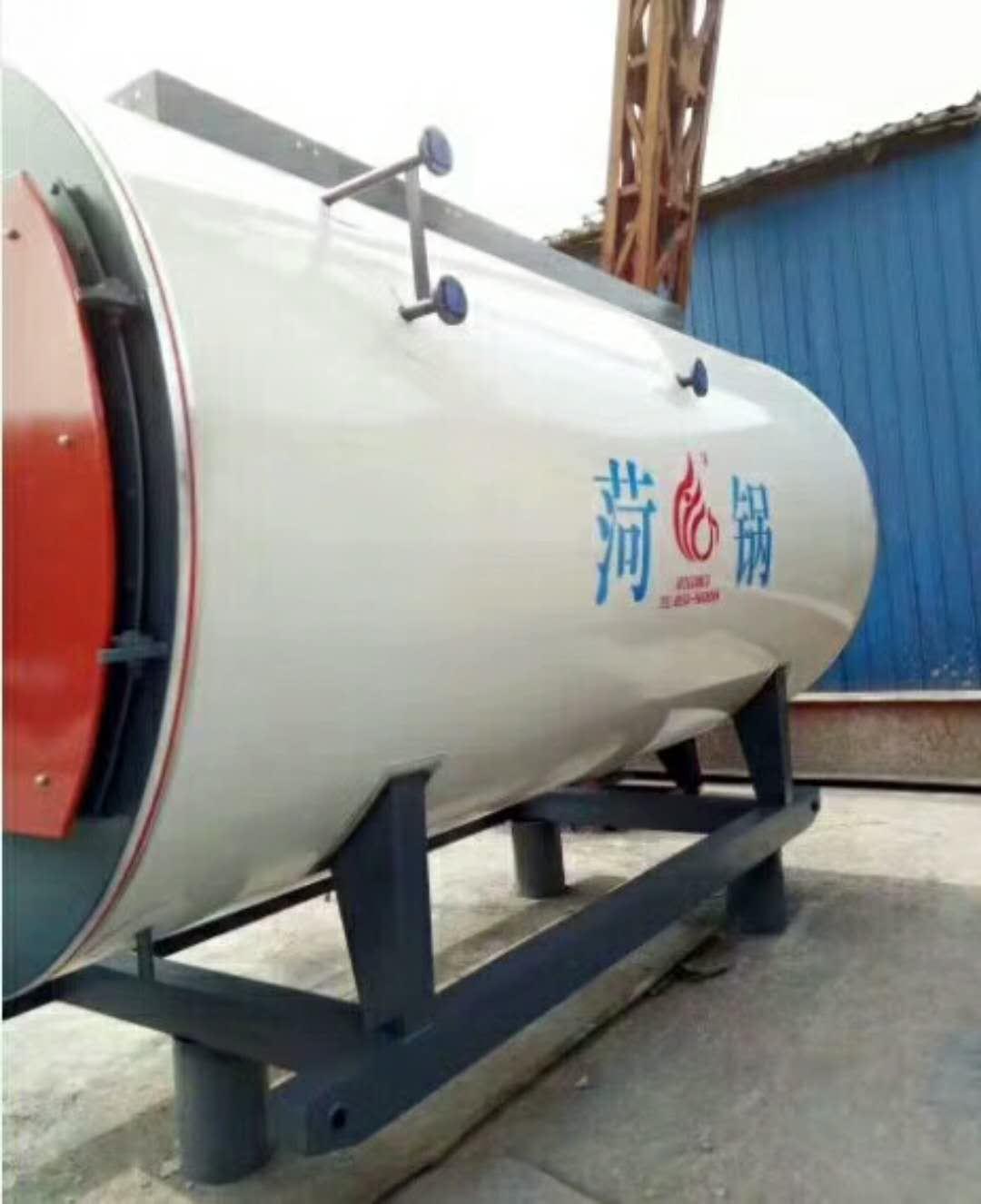
Zhongjie Special Equipment is a company specializing in the production of low-temperature liquid storage tanks. They offer a range of tanks in various specifications and capacities, including liquid nitrogen, liquid oxygen, and liquid argon storage tanks.
The Zhongjie specialty low-temperature liquid storage tank is constructed with high-quality materials and advanced manufacturing techniques, ensuring the tank's strength and sealing integrity. The interior employs special insulation materials and structural design to effectively reduce liquid evaporation losses.
The Zhongjie Specialized Low-Temperature Liquid Storage Tanks feature the following characteristics:
High Safety: The tank is made of materials with excellent pressure resistance and sealing performance, capable of safely storing low-temperature liquids.
Low evaporation loss: The insulation materials and structural design used inside the tank effectively reduce the evaporation loss of the liquid, enhancing the economic efficiency of the tank.
Multiple specification and capacity options: Zhongjie provides a variety of specifications and capacities of low-temperature liquid storage tanks to meet different customer needs.
Customized Design: Zhongjie can offer tailored design and manufacturing services according to specific customer requirements, to accommodate various application scenarios.
Volume Manufacturing Process: Zhongjie's state-of-the-art manufacturing equipment and technical team ensure the quality and performance of the storage tanks.
In summary, ZJET's low-temperature liquid storage tanks offer high safety, low evaporation loss, and a wide range of specifications, making them suitable for storage and transportation needs of low-temperature liquids.
The use and operation of liquid oxygen storage tank systems should be mindful of the following points:
Safe Operation: When operating the liquid oxygen storage system, it is mandatory to adhere to the relevant safety operating procedures and standards to ensure the safety of the operators.
Tank Selection: Choose liquid oxygen tanks that meet specifications and standards, ensuring their quality and safety performance.
Tank Installation: Tanks should be installed on a sturdy foundation to ensure stability. Additionally, good ventilation should be maintained around the tank, and it should be kept away from flammable materials and heat sources.
Sealability Inspection: Regularly check the sealing performance of the storage tank system to ensure there are no leakage issues at valve and pipeline connections.
Pressure Control: The storage tank system should be equipped with a pressure gauge and a safety valve, with regular inspections and maintenance to ensure pressure remains within safe limits.
Fire Prevention Measures: Liquid oxygen has a high oxygen content, which is prone to causing fires. Install fire barriers around the storage tank system, ban smoking and open flames, and ensure safety.
Static protection: During the operation of the liquid oxygen system, static electricity may cause sparks, increasing the risk of fire. Measures such as using static-conductive materials and anti-static equipment should be taken to reduce the accumulation and release of static electricity.
Regular inspections and maintenance: Conduct regular checks on the tank system and related equipment, including valves, pipes, pressure gauges, etc. Ensure that the equipment is in good condition without any damage, and promptly repair or replace any damaged parts.
Waste Gas Treatment: During the operation of the liquid oxygen system, waste gas is produced, and appropriate waste gas treatment measures must be taken to minimize environmental impact.
Above are the matters to be noted when using the liquid oxygen storage tank system, ensuring operational safety and the normal operation of the system. During operation, it should be strictly followed the relevant operational procedures and safety operation requirements to avoid accidents.
Shandong Zhongjie Special Equipment, welcome clients for factory discussions and collaboration.
Wuzhou Liquid Nitrogen Cylinder, Factory Direct Supply
