


Shandong Zhongjie Special Equipment specializes in: fuel (gas) boilers, organic heat carrier boilers, biomass boilers, waste heat boilers, and other boiler products; vacuum insulation deep-freeze pressure vessels such as LNG tanks, oxygen-nitrogenargon tanks, and CO2 tanks; pressure vessel products including denitrification engineering equipment, heat storage and energy storage equipment, and complete chemical equipment; central air conditioning and ventilation equipment such as ground (water) source heat pumps, air-source units, water-cooled screw units, and air-cooled modular units. Planned products include large-scale energy centers, LNG transport vehicles, and LNG tank containers, among other green energy equipment.
二氧化碳储罐的检验频率应根据当地的法规、标准和制造商的建议来确定。一般来说,以下几个因素会影响二氧化碳储罐的检验频率: 法规和标准要求:不同和地区可能有不同的法规和标准,规定了储罐的检验要求和频率。例如,美国的DOT标准要求液化气体储罐每5年进行一次外部检验和每10年进行一次内部检验。 制造商建议:储罐的制造商通常会提供关于检验频率的建议。这些建议基于储罐的设计、材料和使用寿命等因素,可以作为制定检验计划的参考。 使用环境和条件:储罐的使用环境和条件也会影响检验频率。例如,如果储罐暴露在腐蚀性环境中或经常受到机械应力,可能需要更频繁的检验。 一般来说,液化气体储罐的外部检验通常是通过目视检查、超声波检测、磁粉检测等方法进行的,以评估储罐的外部状况和可能存在的缺陷。内部检验可能需要排空储罐,并通过内部检查、厚度测量、焊缝检测等方法来评估储罐的内部状况。 重要的是,储罐的检验应由经过培训和有经验的人员进行,并严格按照相关的法规、标准和制造商的建议进行。定期的检验和维护可以确保储罐的安全性和可靠性,减少事故的风险。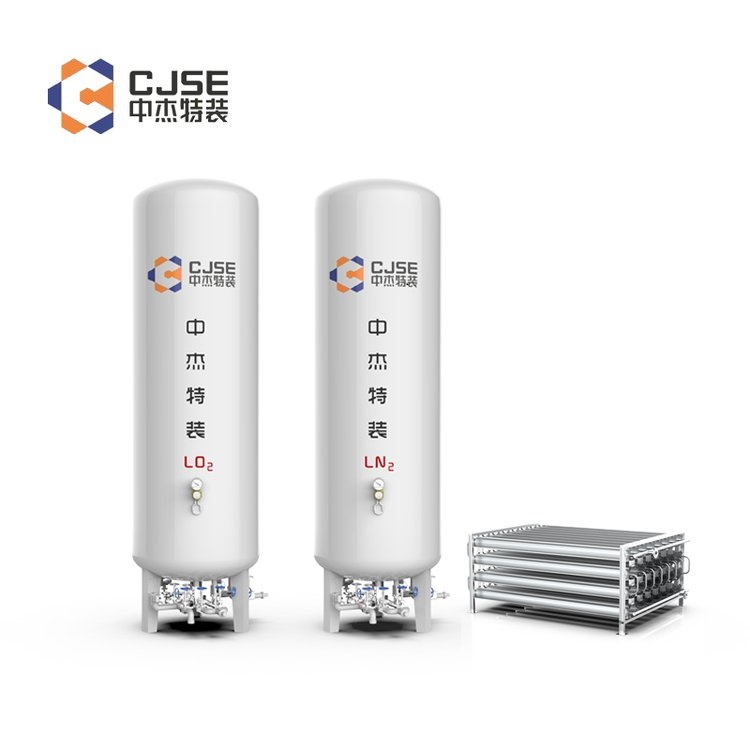
When using a 50-cubic-liter liquid oxygen storage tank, the following safety issues should be noted:
- Fire and Explosion Prevention: Liquid oxygen is highly oxidizing and can support combustion. Therefore, avoid contact and ensure there are no open flames or other ignition sources nearby.
- Ventilation: Liquid oxygen evaporation produces a large amount of oxygen, so good ventilation around the tank is necessary to prevent oxygen buildup and explosive hazards.
- Avoid High Temperatures: Liquid oxygen can cause combustion or explosion when in contact with high-temperature objects. Avoid exposing the liquid oxygen storage tank to high-temperature environments and contact with hot objects.
- Prevent Overpressure: Use the liquid oxygen storage tank according to its designed pressure and flow rate, and avoid exceeding its load-bearing capacity. Regularly inspect and maintain the safety valve to ensure proper functioning and prevent overpressure.
- Prevent Corrosion: Regularly inspect and maintain the liquid oxygen storage tank to prevent corrosion issues. Keep the tank surface and contact areas dry and clean to avoid corrosion.
- Safe Operation: Operators should receive relevant training to understand the safe operation procedures and standards for the liquid oxygen storage tank. Follow proper procedures, wear personal protective equipment, and ensure operational safety.
- Emergency Preparedness: Establish an emergency response plan and equip with appropriate fire extinguishing and first aid equipment when using the liquid oxygen storage tank. Operators should be familiar with emergency procedures and able to respond quickly to emergencies.
Please note that the above safety issues are general recommendations. Specific safe operation should be based on the design and usage requirements of the liquid oxygen storage tank. Before using the liquid oxygen storage tank, it is recommended to refer to relevant safety operation manuals and guidelines to ensure operational safety.
Carbon dioxide tanks are widely used in many industries. Here are some common sectors with examples of carbon dioxide tank usage:
- Beverage and Food Industry: Carbon dioxide is used as a carbonating agent for beverages and food, in the production of sodas, beers, soft drinks, etc. Tanks are used for storing and supplying carbon dioxide to meet production line demands.
- Industry: Carbon dioxide has various applications in the industry, such as anesthesia, respiration, tissue freezing, etc. Tanks are used for storing and supplying medical-grade carbon dioxide to meet facility needs.
- Fire Extinguishing: Carbon dioxide is extensively used in fire suppression systems, particularly in extinguishing electrical and sensitive equipment. Tanks are used for storing and supplying carbon dioxide for fire extinguishing purposes.
- Gas Industry: Carbon dioxide is also a significant product in the gas industry, used in the production of chemicals, metal processing, welding, gas shielding, etc. Tanks are used for storing and supplying industrial-grade carbon dioxide.
- Greenhouse Agriculture: Carbon dioxide can be used to promote plant growth in greenhouses, providing additional carbon dioxide concentration. Tanks are used to supply the required carbon dioxide for greenhouses.
- Automotive Industry: Carbon dioxide is used for tire inflation and airbag systems in cars. Tanks are used for storing and supplying carbon dioxide to meet the needs of car manufacturing and maintenance.
These are just some common industry examples. In reality, carbon dioxide tanks are also widely used in many other sectors, such as chemicals and frozen food. Specific applications may vary depending on industry needs and scenarios.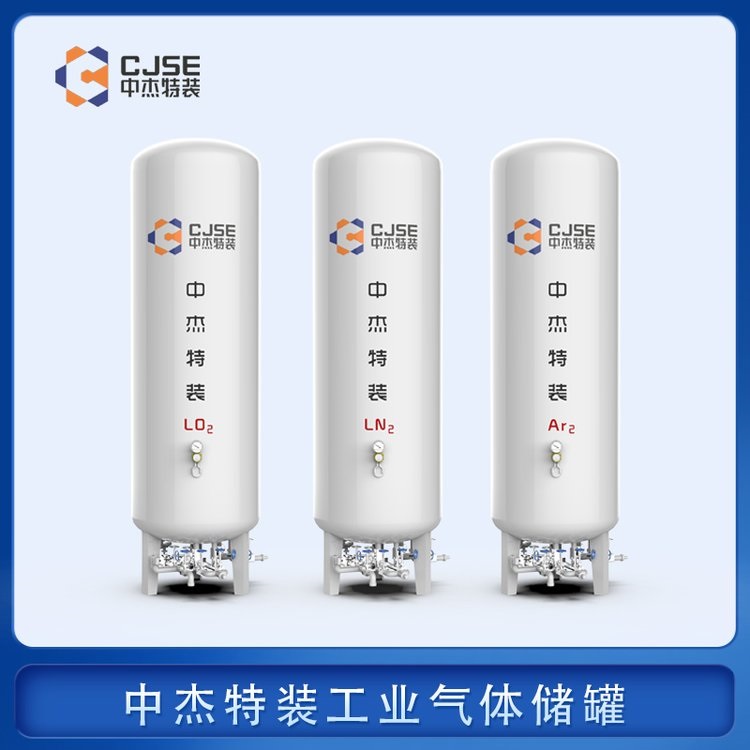
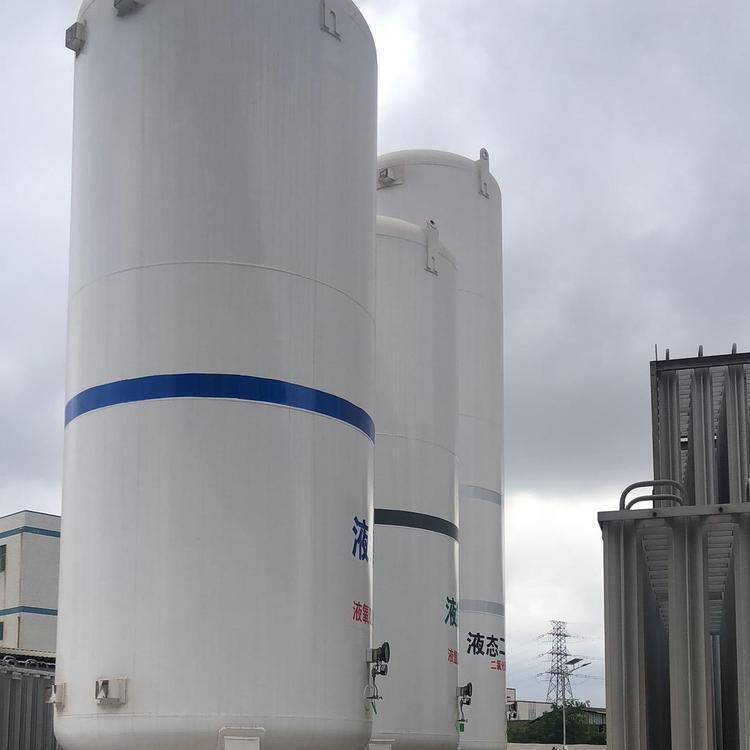
Carbon dioxide tanks are classified as pressure vessels. Pressure vessels are sealed containers capable of withstanding internal pressure, used for storing and transporting gases, liquids, or mixtures. Carbon dioxide tanks are pressure vessels specifically designed for storing and transporting carbon dioxide, featuring unique designs and structures to ensure safe storage and use. Depending on design and application, carbon dioxide tanks can be vertical or horizontal, with varying capacities and pressure ratings. When using carbon dioxide tanks, it is essential to comply with relevant regulations and standards to ensure safe operation and usage.
Our company attaches great importance to technological innovation and R&D design. We have one municipal-level enterprise technology center in Heze City, equipped with testing facilities for non-destructive testing, physical and chemical testing, welding testing, hydrostatic testing, etc. We have over 600 types of equipment, including CNC machine tools, X-ray flaw detectors, digital ultrasonic flaw detectors, mechanical property testing machines, chemical analyzers, spectrometers, tensile testing machines, plasma welding machines, and more. The key products we have developed, such as temperature-pressure vessels for welding, biomass boiler emission reduction, and waste heat utilization, have successively been selected for multiple Shandong Provincial Department of Industry and Information Technology science and technology innovation projects, Shandong Provincial key projects, and Heze City innovation and excellence projects. We have accumulated 27 authorized utility models, 16 authorized inventions, participated in drafting 2 standards, 2 industry standards, and registered 15 trademarks. Our technical team, in collaboration with Professor Yajiang Li of Shandong University, has jointly developed deep cryogenic container processing technology, utilizing the international plasma arc + filler wire tungsten inert gas arc welding (PAW-GTAW) technology. The provincial-level scientific and technological achievement identification has confirmed that our technology level in deep cryogenic container manufacturing has reached an international standard. Choose Zhongjie Special Equipment, and let's create brilliance together!
Shenzhen 60 Cubic CO2 Storage Tank, Years of Industry Experience
