


Shandong Zhongjie Special Equipment's main products include: fuel (gas) boilers, organic heat carrier boilers, biomass boilers, waste heat recovery boilers, and other boiler products; vacuum insulation cryogenic pressure vessels such as LNG tanks, oxygen/nitrogen/argon tanks, and CO2 tanks; pressure vessel products such as denitrification engineering equipment, heat storage and energy storage equipment, and complete chemical equipment sets; central air conditioning and HVAC equipment such as ground (water) source heat pumps, air source units, water-cooled screw units, and air-cooled modular units. Planned products include large-scale energy centers, LNG transport vehicles, LNG tank containers, and other green energy equipment.
Before using a CO2 cylinder, certain inspection and filling points must be addressed. Here are some common precautions:
- Inspect the cylinder's exterior: Check for any signs of visible damage, corrosion, or leakage. Ensure the cylinder shell is intact.
- Inspect valves and fittings: Verify that the cylinder's valves and fittings are securely fastened and there are no leaks. Ensure their proper operation.
- Check the pressure gauge: Confirm that the cylinder's pressure gauge is functioning correctly and readings are accurate. Replace or repair as necessary.
- Inspect the level indicator: Ensure the cylinder's level indicator is working properly and accurately displays the level. Repair or replace if abnormal.
- Check the pressure relief device: Verify that the cylinder's pressure relief device (e.g., safety valve) is operating correctly and the set pressure meets requirements. Repair or replace if abnormal.
- Inspect the filling equipment: Check that the filling equipment (e.g., filling pipes, pumps) is functioning properly with no leaks or blockages. Ensure safety and reliability.
- Filling procedure: During the filling process, pay attention to the following:
- Control the filling speed to avoid too fast or too slow.
- Control the filling pressure to prevent exceeding the cylinder's rated pressure.
- Monitor the level to ensure proper filling.
- Regularly inspect the filling equipment and valves to ensure they are working correctly.
- Safety measures: Follow relevant safety regulations and procedures during the filling process. Operators should wear appropriate protective gear, such as static-resistant clothing, gloves, etc.
- Note: Specific inspection and filling points may vary depending on the type of cylinder and application. Before using a CO2 cylinder, inspect and operate according to relevant specifications and standards, and consult with experts to ensure safety and effectiveness.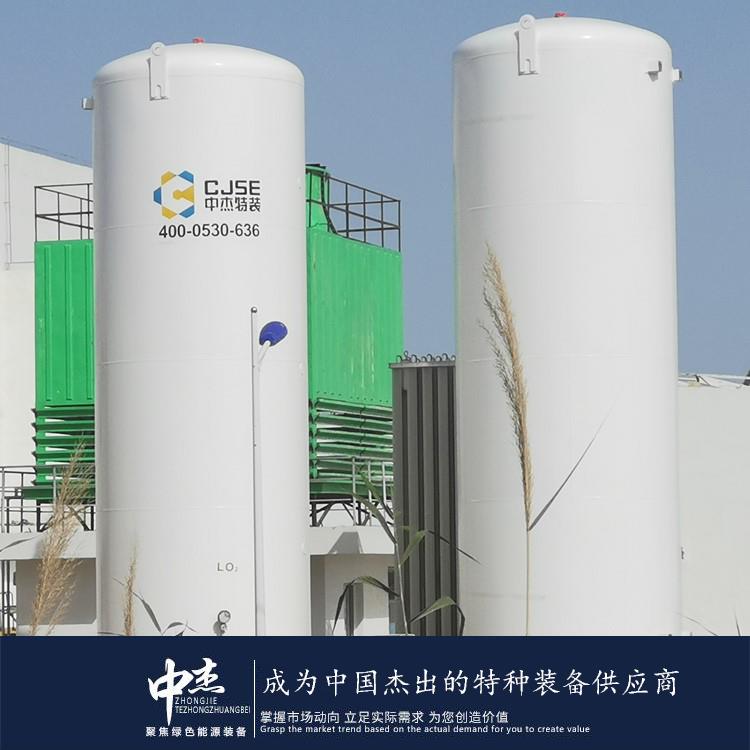
The design requirements for carbon dioxide storage tanks typically encompass the following aspects: Pressure Vessel Design: Carbon dioxide storage tanks are generally designed as high-pressure vessels capable of withstanding high pressures. The design must comply with relevant standards and regulations, such as Standard GB150 "Steel Pressure Vessels." Material Selection: The choice of material for the tank should consider the properties of carbon dioxide, such as high pressure, high oxidizing, and corrosive nature. Common materials include carbon steel and stainless steel, with selection based on specific working conditions and requirements. Safety Valve and Pressure Control: The tank should be equipped with a safety valve and pressure control device to ensure internal pressure remains within a safe range. The safety valve should be selected according to design requirements and regularly inspected and tested to ensure proper operation. Insulation Performance: Since carbon dioxide needs to remain in a liquid state at low temperatures, the tank should have good insulation properties to prevent excessive evaporation of liquid carbon dioxide and energy loss. The selection and design of insulation materials and layers should consider working temperature and environmental conditions. Leak Detection and Alarm: The tank should be fitted with leak detection equipment and an alarm system, along with corresponding monitoring devices. These devices can detect leaks in a timely manner and trigger alarms to enable appropriate measures to be taken. Structural Strength and Stability: The structural design of the tank should be sufficiently strong and stable to withstand internal pressure and external loads. The structural design must comply with relevant standards and regulations, such as Standard GB12337 "Pressure Vessel Design Specifications." Safe Operation and Maintenance: The design of the tank should take into account the ease of safe operation and maintenance, such as the placement of manholes, inspection openings, and drain ports.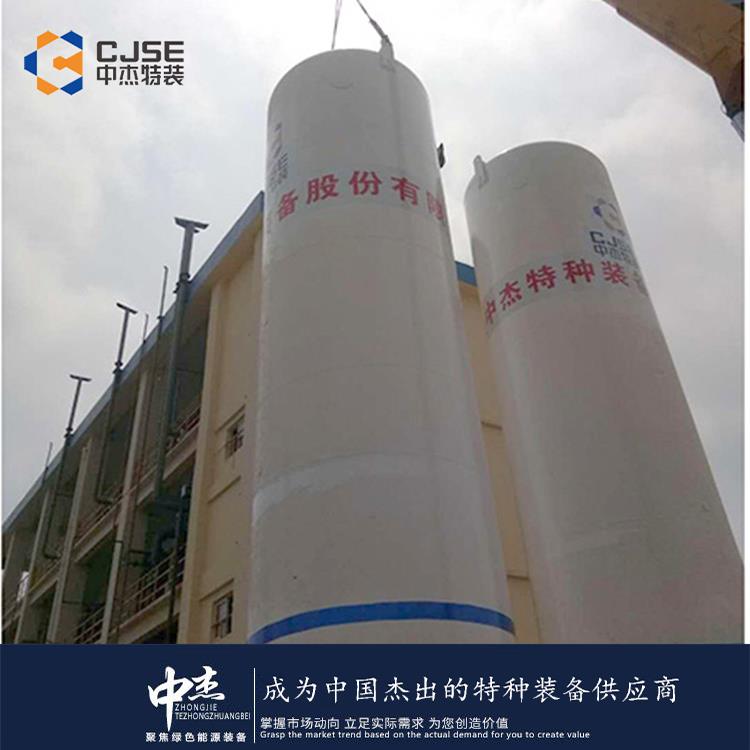
Daily inspections and maintenance of CO2 storage tanks can be conducted following these steps:
- Visual Inspection: Check for any visible damage, corrosion, or oil leakage on the tank's exterior. Pay attention to any abnormalities in the tank shell, valves, and pipe connections.
- Internal Inspection: If access to the tank interior is permitted, conduct an internal check. Look for corrosion, scaling, or blockages in the lining, valves, and pipes.
- Valve and Pipe Inspection: Verify that the tank's inlets and outlets, as well as pipe connections, are functioning normally and for any leaks or loose fittings. Ensure valves operate smoothly and reliably.
- Pressure Relief Device Inspection: Check that the tank's pressure relief devices (such as safety valves) are functioning correctly. Confirm that the set pressure of the pressure relief devices meets the requirements.
- Measurement and Control System Inspection: Ensure the tank's level, pressure, and temperature measurement and control systems are operating properly. Calibrate and test the accuracy of measuring equipment.
- Cleaning and Drainage: Regularly clean the tank interior of accumulated impurities and sediments. Also, perform regular drainage to remove liquid and gas impurities from the tank.
- Maintenance and Repairs: Based on the inspection results, carry out necessary maintenance and repair work. Repair damaged components, replace worn-out seals, etc., to ensure the tank's normal operation.
- Documentation and Reporting: Record the inspection and maintenance process, including the inspection date, contents, identified issues, and measures taken. Submit inspection reports to relevant departments or management as needed.
These are general steps for daily inspections and maintenance of CO2 storage tanks. Specific procedures should be adapted to the tank's characteristics and requirements. When conducting inspections and maintenance, follow relevant safety operating procedures and have personnel perform the operations.
For the maintenance and care of low-temperature liquid storage tanks, here are some tips and precautions:
- Regular Inspections: Conduct regular checks on the tank's exterior, internal lining, valves, and pipeline connections. Pay attention to signs of corrosion, cracks, or oil leaks.
- Cleaning and Draining: Regularly clean the interior of the tank to remove accumulated impurities and sediments. Also, regularly drain the tank to remove liquid and gas impurities.
- Corrosion Prevention: The exterior and inner lining of low-temperature liquid storage tanks should be treated with corrosion prevention measures. Regularly inspect and maintain the integrity and effectiveness of the protective coating or paint.
- Temperature and Pressure Control: The temperature and pressure of the low-temperature liquid storage tank should be controlled within the design limits. Avoid extremes that could damage the tank.
- Safety Equipment Checks: Inspect the tank's safety equipment, such as safety valves, pressure sensors, and temperature sensors, to ensure they are functioning properly. Verify that their set parameters meet requirements.
- Maintenance of Level Measurement System: Regularly check and calibrate the level measurement system to ensure accuracy and reliability. Clean or replace level sensors as needed.
- Fire Prevention Measures: Fire prevention is crucial for low-temperature liquid storage tanks. Ensure that fire protection equipment around the tank is in good condition and conduct regular fire drills.
- Regular Assessments and Monitoring: Regularly assess and monitor the tank, including structural integrity, corrosion, and safety aspects. Take appropriate maintenance and repair actions based on assessment results.
- Operator Training: Operators should receive training on the characteristics, operational requirements, and safety measures of low-temperature liquid storage tanks. Training should include safe operation, leak handling, and emergency procedures.
Zhongjie Special Equipment upholds the great vision of "realizing employees' dreams, creating value for customers, and striving for the prosperity and strength of our motherland," and is dedicated to the development of the green energy equipment industry. We offer society high-value products and services!
贵港二氧化碳储罐厂家 上门安装
