


Shandong Zhongjie Special Equipment (formerly Heze Boiler Factory Co., Ltd.) holds an A-grade boiler manufacturing license, an A2-grade pressure vessel manufacturing license, an A2-grade pressure vessel design license, a B-grade boiler installation license, and GB2/Class, GC2/Class pressure pipeline installation licenses, as well as a mechanical and electrical equipment installation contracting qualification. It is a member of the China Boiler and Water Treatment Association, the China Chemical Equipment Association, and the director unit of the Shandong Equipment Manufacturing Association. The company has also passed certifications for the ISO9001 Quality Management System, ISO14001 Environmental Management System, OHSAS18001 Occupational Health and Safety Management System, and the American ASME/U2 certification.
Water tightness testing for liquid nitrogen storage tanks is a common testing method used to inspect the tank's sealing and pressure resistance performance. Below are the general steps for the water tightness test of liquid nitrogen storage tanks:
Preparation: Ensure the tank interior is clean and that the tank is empty of gases and liquids. Check that the tank's sealing and safety devices are functioning properly.
Fill water: Fill the tank with water, ensuring the water level is above the low water mark. Use a pump or other appropriate methods for filling.
Apply Pressure: Use a pressure pump or other pressure source to gradually increase the water pressure until it reaches the predetermined test pressure. The test pressure is typically 1.1 times the design working pressure of the tank.
Pressure Maintenance: After reaching the test pressure, maintain it for a period (usually 30 minutes to 1 hour) and observe for any abnormal conditions such as leaks or deformation in the tank.
Pressure Relief: Gradually release pressure to drain water from the tank until it is completely empty.
Inspection and Evaluation: Check for leaks, deformations, or other damage on the surface and interior of the tank. Evaluate test results to ensure the tank meets design requirements and safety standards.
需要注意的是,液氮储罐水压试验需要由人员进行操作,并遵循相关的安全操作规程。在进行测试前,应仔细阅读和遵守储罐制造商提供的操作指南和安全注意事项。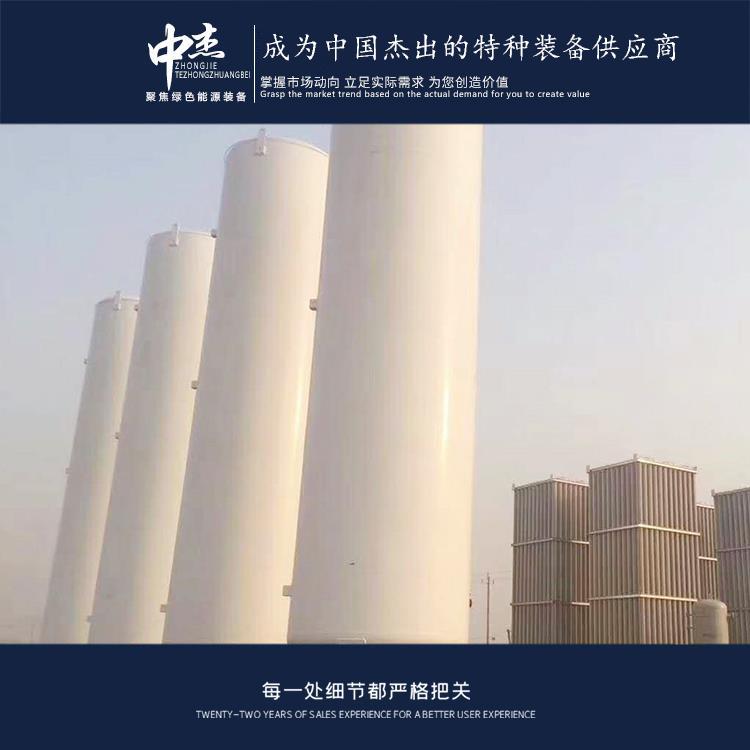
During the operation of low-temperature liquid storage tanks, the following points should be noted:
Protective Gear: When handling low-temperature liquid storage tanks, it is mandatory to wear appropriate protective gear, including gloves, protective clothing, and non-slip shoes. This gear safeguards the skin from injuries caused by low-temperature liquids.
Avoid direct contact: Low-temperature liquids can be cold and cause discomfort. Therefore, it is essential to avoid direct contact with low-temperature liquids, especially with the skin. Use tools or equipment for handling to prevent direct hand contact with low-temperature liquids.
Ventilation Requirements: Ensure adequate ventilation in the operational area of low-temperature liquid storage tanks to expel gases produced by the evaporation of low-temperature liquids. Maintain air circulation to avoid excessive oxygen concentration, reducing the risk of fire and explosion.
Prevent Leaks: Regularly inspect low-temperature liquid storage tanks for leaks and equip them with leak detectors and alarm systems. In case of a leak, take immediate action to contain and repair it. Avoid hazards to personnel and the environment caused by the leakage of low-temperature liquids.
Fire Prevention Measures: Low-temperature liquids have low boiling and freezing points, making them prone to fires. To prevent fires and their spread, fire walls and fire-retardant coatings are installed around low-temperature liquid storage tanks.
Static Protection: Handling low-temperature liquids can generate static electricity, increasing the risk of sparks causing fires. Measures such as using static-conductive materials and anti-static equipment should be taken to reduce the accumulation and release of static electricity.
Regular inspections and maintenance: Conduct regular checks on the condition of low-temperature liquid storage tanks and related equipment, including valves, pipelines, pressure gauges, etc. Ensure the equipment is in good condition without damage, and promptly repair or replace any damaged parts.
Waste Gas Treatment: During the process of using low-temperature liquids, waste gas is produced. Appropriate waste gas treatment measures must be taken to minimize environmental impact.
Above are the matters to be noted when using low-temperature liquid storage tanks, ensuring operational safety and the normal operation of the tank. During the operation, it should be strictly followed the relevant operational procedures and safety operation requirements, avoiding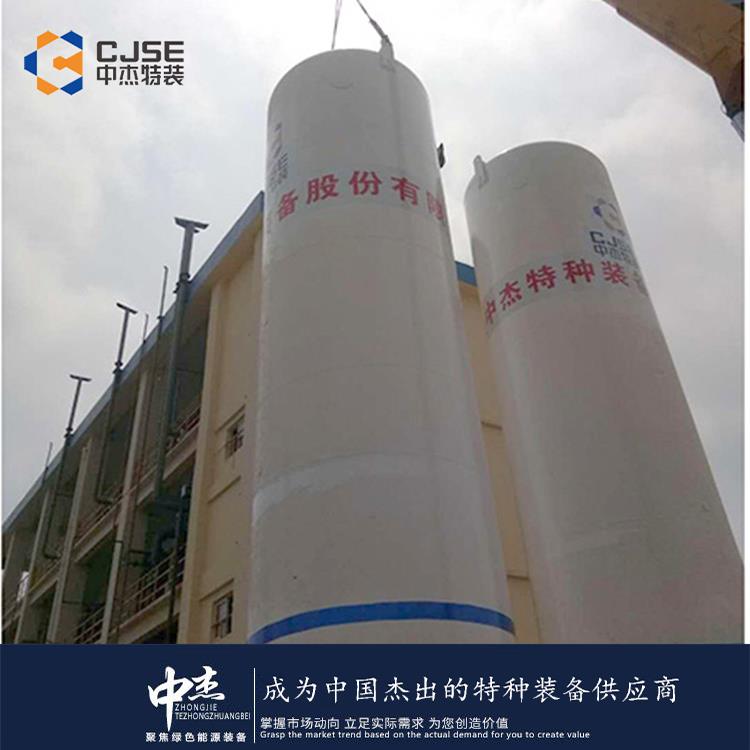
The reason for occasional venting of liquid oxygen tanks is primarily to maintain the safe pressure range within the tank and prevent excessive pressure buildup. Here are several scenarios where liquid oxygen tanks may vent occasionally:
Pressure Control: During the operation of the liquid oxygen tank, due to the evaporation of liquid oxygen and temperature changes, the pressure inside the tank will vary. To maintain a safe pressure range within the tank, regular venting is required to control the tank pressure within the safe limits.
Prevent Excessive Pressure Buildup: During oxygen charging or usage, a liquid oxygen tank may experience pressure exceeding safe limits due to external factors or operational errors. To prevent excessive pressure buildup, timely venting is required to alleviate internal tank pressure.
Prevent Gas Accumulation: Liquid oxygen tanks may contain some gas impurities, such as air and water vapor. These gases can condense into liquids or solids at the low temperatures of liquid oxygen, blocking pipes or affecting the normal operation of the tank. Regularly releasing gas can expel these impurities, maintaining the tank's cleanliness and unobstructed flow.
It is crucial that the release of liquid oxygen be performed by trained personnel and strictly adhere to the relevant operational procedures and safety measures. During the release process, precautions must be taken to prevent leaks of liquid oxygen and contact with it, ensuring the safety and reliability of the operation.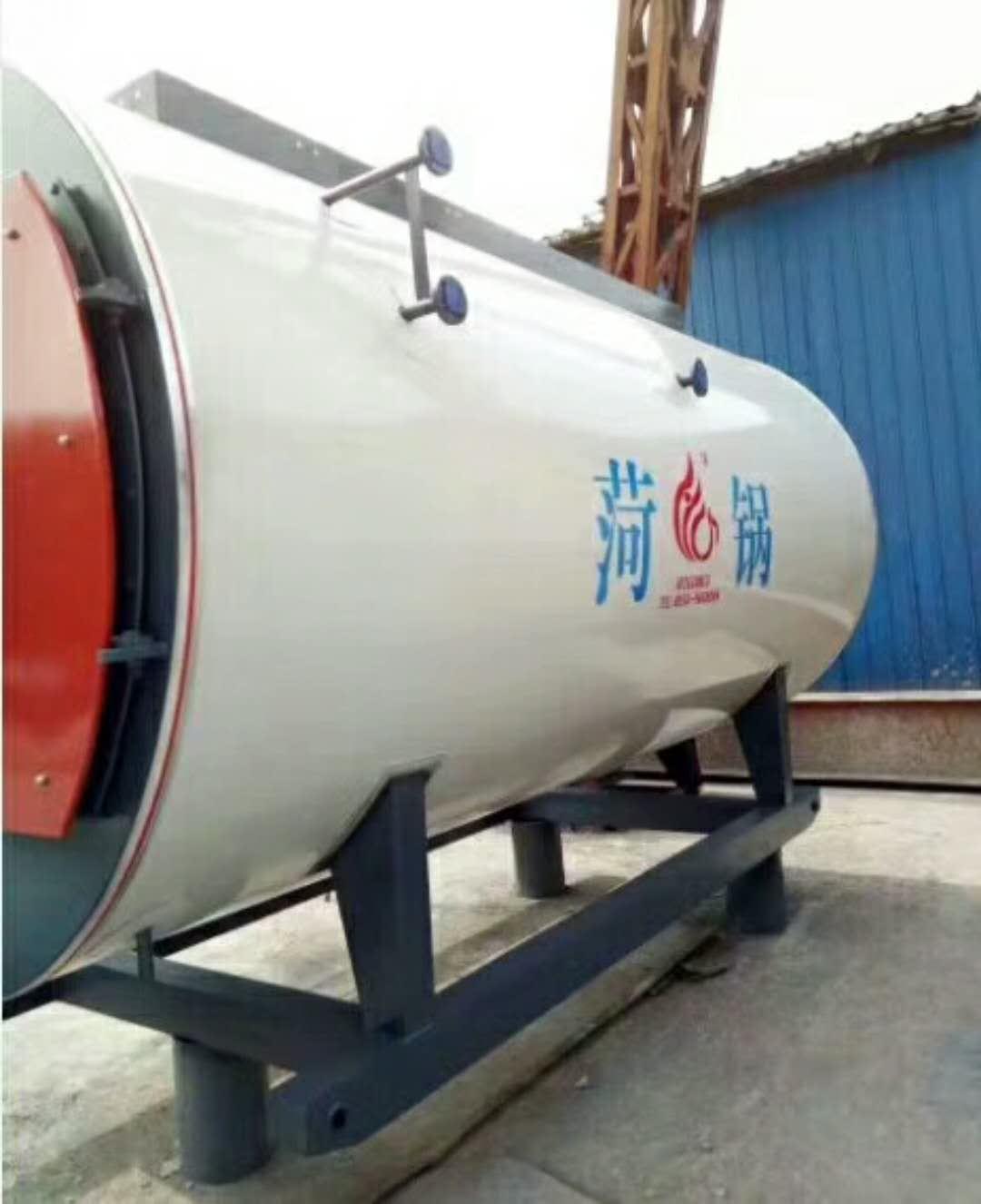
During the operation of low-temperature storage tanks, it is indeed necessary to avoid the occurrence of wrinkling. Wrinkling refers to the phenomenon of creases or deformation in the tank wall, which may lead to a decrease in the structural strength of the tank, even causing leaks or ruptures.
Below are some precautions to avoid tank squeezing during low-temperature storage:
Tank Design: Select an appropriate tank design to ensure it can withstand the pressure and weight of low-temperature liquids. The wall thickness and supporting structure of the tank should comply with relevant standards and regulations.
Material Selection: Choose materials suitable for low-temperature environments, with sufficient strength and low-temperature resistance. Common materials include low-temperature steel, stainless steel, etc.
Insulation Layer for Storage Tanks: The design and construction of the insulation layer must meet the requirements to ensure effective reduction of heat conduction and temperature variations. The materials and thickness of the insulation layer should be selected based on specific conditions.
Tank Operation: During the loading and unloading of liquids in the tank, it is essential to avoid rapid or excessive fluid flow to minimize impact and stress concentration on the tank walls.
Tank Maintenance: Regularly inspect and maintain the structure and insulation of the tanks to ensure they remain undamaged. Any abnormalities or damage should be repaired or replaced promptly.
Temperature Control: During the operation of low-temperature liquid storage tanks, it is essential to strictly control the temperature difference between the inside and outside of the tank to avoid excessive temperature changes and thermal stress.
In summary, preventing crimping in low-temperature storage tanks hinges on proper design, material selection, insulation installation and maintenance, as well as strictly controlling temperature variations. Regular inspections and maintenance are crucial for ensuring the safe operation of the tanks.
Shandong Zhongjie Special Equipment, welcome customers for factory discussions and cooperation.
Chao Hu 5 cubic meter argon storage tank, on-site installation
