


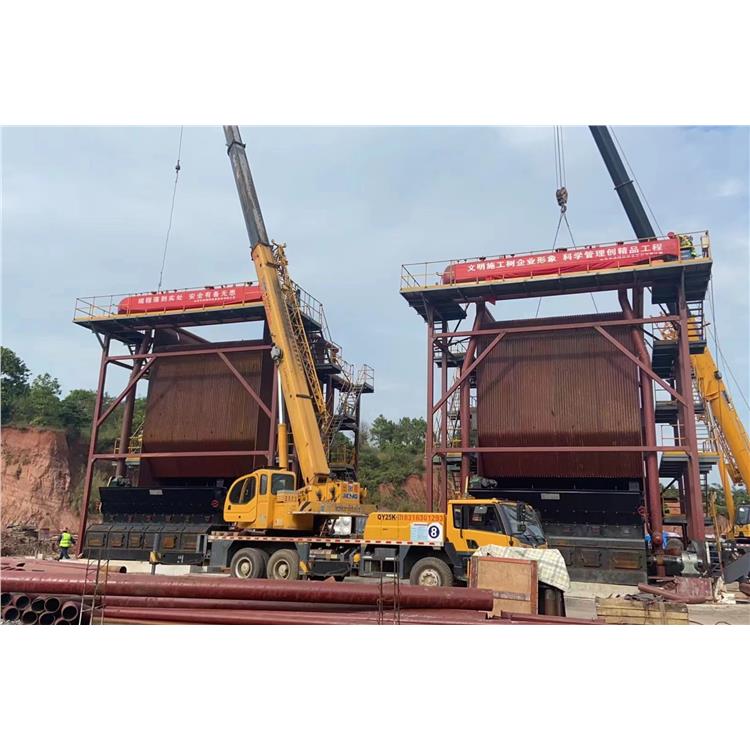
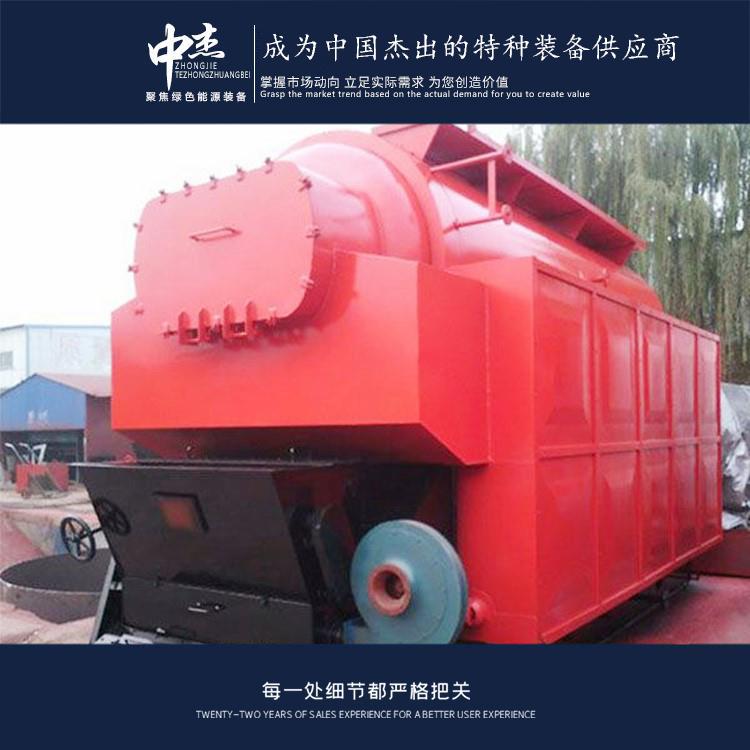

Shandong Zhongjie Special Equipment (formerly Heze Boiler Factory Co., Ltd.) holds an A-grade boiler manufacturing license, an A2-grade pressure vessel manufacturing license, an A2-grade pressure vessel design license, a B-grade boiler installation license, and GB2/GB3-grade pressure pipeline installation licenses, as well as a mechanical and electrical equipment installation contracting qualification. It is a member of the China Boiler and Water Treatment Association, the China Chemical Equipment Association, and the council member of the Shandong Equipment Manufacturing Association. The company has also passed certifications for the ISO9001 Quality Management System, ISO14001 Environmental Management System, OHSAS18001 Occupational Health and Safety Management System, and the U.S. ASME/U2 certification.
Biomass boilers produce nitrogen oxides (NOx) during combustion, which are harmful emissions to the environment. Therefore, controlling the NOx emissions from biomass boilers is an important challenge. The following are some difficulties in controlling NOx emissions from biomass boilers:
Fuel Characteristics: Biomass fuel composition and characteristics vary, containing different nitrogen contents and volatile fractions. This makes it difficult to accurately predict and control NOx emissions during the combustion process of biomass boilers.
Combustion Temperature: The generation of NOx is closely related to combustion temperature; both excessively high and low temperatures can increase NOx formation. The combustion temperature of biomass boilers is influenced by various factors, such as fuel moisture and oxygen supply, making it challenging to control the combustion temperature for effective NOx emissions control.
Proper combustion air supply can help control NOx formation, but too much or too little air supply can affect combustion efficiency and NOx emissions. The combustion air supply for biomass boilers needs to be reasonably adjusted based on fuel characteristics and combustion conditions, which poses certain requirements for operators and control personnel.
Combustion System Design: The design of the combustion system in biomass boilers also has an impact on NOx emissions control. For instance, the combustion technology and burner design used, such as low NOx combustion technology and optimized combustion chamber structure, can effectively reduce NOx emissions.
Operation and Maintenance: Proper operation and regular maintenance of biomass boilers are crucial for controlling NOx emissions. Rational operation and scheduled maintenance can ensure the normal operation and combustion of the combustion system, thereby reducing NOx generation.
In summary, the challenges in controlling NOx emissions from biomass boilers mainly include fuel characteristics.
The brief steps for biomass boiler drying oven are as follows:
Prepare Fuel: Select suitable biomass fuel, such as wood chips, straw, etc., and conduct pretreatment, including drying and screening, to ensure fuel quality and meet the requirements of the oven.
Ignition and Ignition Adjustment: Place the fuel into the combustion chamber of the biomass boiler, ignite it, and adjust the ignition. Adjust parameters such as the oxygen supply, fuel supply, and combustion temperature in the combustion chamber to ensure stable combustion.
Heating and Temperature Control: As the fuel burns, biomass boilers produce high-temperature flue gas, which transfers its heat energy to the oven through a heat exchanger. During the heating process, it is necessary to control the temperature of the oven to ensure that the material inside receives adequate heating.
Furnace Operation and Monitoring: During the furnace heating process, operation and monitoring are required. Operation involves controlling fuel supply, heat transfer, and the movement of materials inside the furnace. Monitoring includes tracking parameters such as furnace temperature, pressure, and combustion efficiency to ensure normal operation and safety.
Furnace shutdown and cleaning: Once the furnace heating is complete or the desired effect is achieved, stop the fuel supply and heating, and perform the furnace shutdown operation. Afterward, it is necessary to clean the furnace and biomass boiler, combustion chamber, and flue.
Before considering the use of biomass boilers, the following preliminary analyses must be conducted:
Fuel Supply: Biomass boilers require biomass fuel, such as wood chips, straw, etc. Before selecting a biomass boiler, it is necessary to ensure a stable fuel supply channel, including fuel procurement, storage, and transportation.
Fuel Costs: The cost of biomass fuel may be influenced by factors such as season, location, and crop yields. Before selecting a biomass boiler, it's crucial to evaluate the fuel costs to ensure its economic viability.
Boiler Requirements: Evaluate the necessary heat output and heating area based on actual needs. This will aid in determining the appropriate biomass boiler size and model.
Technical Requirements: The installation and operation of biomass boilers require certain technical specifications. Before selecting a biomass boiler, it's essential to assess your own technical capabilities and resources to ensure they meet the requirements for installation, commissioning, and maintenance.
Environmental Requirements: Biomass boilers have lower carbon emissions and environmental impact compared to traditional coal-fired boilers. However, local environmental regulations and emission standards must be considered to ensure compliance with the requirements for biomass boiler usage.
Economic Benefits: Beyond fuel costs, it is necessary to consider the overall economic benefits of biomass boilers, which include factors such as purchase costs, operating and maintenance expenses, and energy-saving benefits.
Overall analysis allows for an accurate assessment of biomass boiler suitability and feasibility, thereby enabling informed decisions.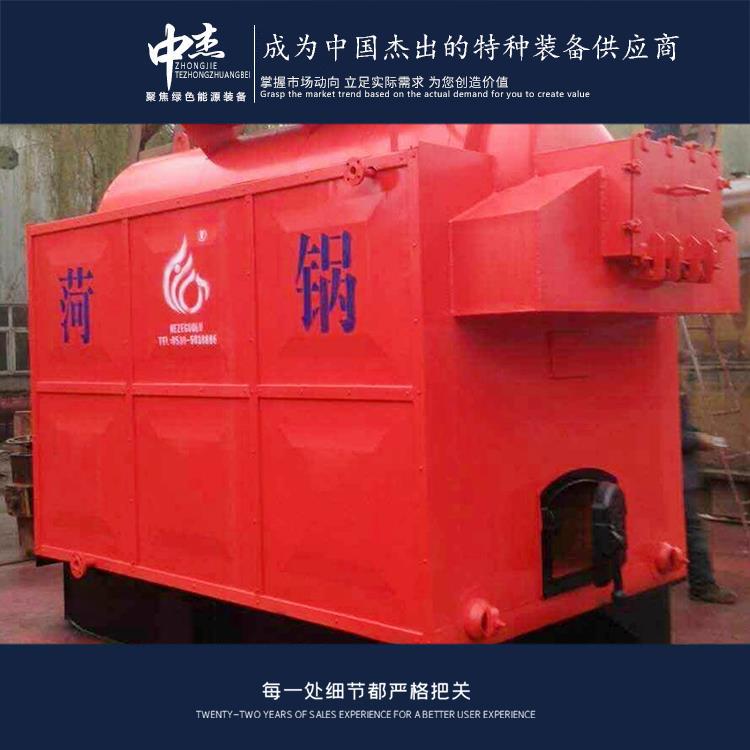
When biomass boilers exhibit abnormal operation, the following measures can be taken:
Verify fuel supply: Inspect the biomass supply system to ensure normal fuel supply. Check fuel storage containers, conveyance systems, and feeding devices to eliminate issues of insufficient fuel supply or blockages.
Inspect the combustion system: Check the combustion system, including the ignition device, burner, and combustion chamber. Ensure the burner operates properly and the combustion within the combustion chamber is stable. Clean the burner and combustion chamber, removing carbon deposits and debris.
Inspect smoke emissions: Check the smoke emission system, including chimneys and smoke purification equipment. Ensure smooth smoke emissions and proper operation of the smoke purification equipment. Clean chimneys and smoke purification equipment to remove blockages and dust accumulation.
Inspect Water Circulation System: Check the water circulation system, including pumps, tanks, pipes, and valves. Ensure normal water circulation, stable water pressure, and water level. Clean the pump and pipes, and eliminate blockages and leaks.
Inspect Control Systems: Verify the control systems, including temperature, pressure, and flow control. Ensure correct setting of control parameters and that sensors and actuators are functioning properly. Adjust control parameters to ensure stable boiler operation.
Inspect Safety Devices: Check the safety devices, including pressure gauges, temperature gauges, safety valves, and alarms. Ensure that the safety equipment is sensitive and reliable, and promptly triggers alarms and protective measures.
Seek assistance: If the above solutions do not resolve the issue, it is essential to promptly seek help from boiler maintenance and repair professionals. They can conduct more in-depth troubleshooting and repairs to ensure the normal operation of the biomass boiler.
When dealing with abnormal operation of biomass boilers, safety is paramount. Always adhere to relevant operational procedures and safety protocols. Identify and address issues promptly.
Our company attaches great importance to technological innovation and R&D design. We have one municipal-level enterprise technology center in Heze City, equipped with testing facilities for non-destructive testing, physical and chemical testing, welding testing, hydrostatic testing, etc. We have over 600 various instruments and equipment, including CNC machine tools, X-ray flaw detectors, digital ultrasonic flaw detectors, mechanical property testing machines, chemical analyzers, spectrometers, tensile testing machines, plasma welding machines, and more. The key products and technologies we have developed, such as temperature and pressure vessel welding, biomass boiler emission reduction, and waste heat utilization, have successively been selected for multiple Shandong Provincial Department of Industry and Information Technology science and technology projects, Shandong Provincial key projects, and Heze City innovative and excellent projects. We have accumulated 27 authorized utility models, 16 authorized inventions, participated in drafting 2 standards, 2 industry standards, and registered 15 trademarks. Our technical team, in collaboration with Professor Yajiang Li from Shandong University, has developed deep cryogenic container processing technology using the international plasma arc + filler wire tungsten inert gas arc welding (PAW-GTAW) technology. After provincial-level scientific and technological achievement evaluation, the technology level has reached an international standard in the field of deep cryogenic container manufacturing. Choose Zhongjie Special Equipment, and let's create brilliance together!
Changdu 30-ton biomass boiler - High product safety
