


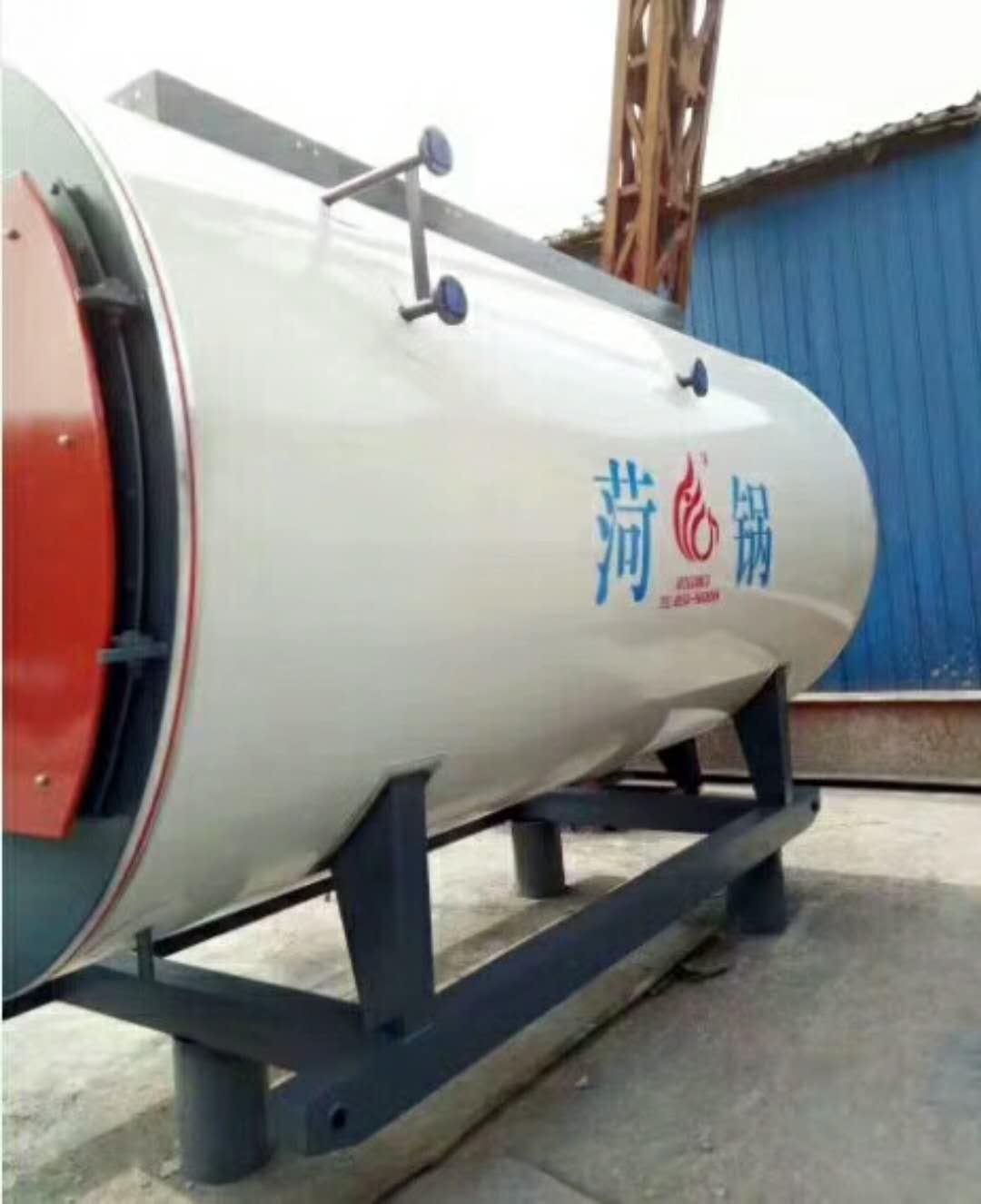
Shandong Zhongjie Special Equipment (formerly Heze Boiler Factory Co., Ltd.) holds an A-grade boiler manufacturing license, an A2-grade pressure vessel manufacturing license, an A2-grade pressure vessel design license, a B-grade boiler installation license, and GB2/Class and GC2/Class pressure pipeline installation licenses, as well as a mechanical and electrical equipment installation contracting qualification. It is a member of the China Boiler and Water Treatment Association, the China Chemical Equipment Association, and the理事 unit of the Shandong Equipment Manufacturing Association. The company has also passed the ISO9001 Quality Management System, ISO14001 Environmental Management System, OHSAS18001 Occupational Health and Safety Management System certifications, and the American ASME/U2 certification.
Carbon dioxide storage tanks feature the following characteristics and advantages for use: High Storage Density: Carbon dioxide storage tanks can compress the gas into a liquid state, significantly increasing storage density. Compared to storing in gas form, liquid carbon dioxide can hold more CO2 in relatively smaller tanks, saving space and costs. Various Application Areas: Carbon dioxide storage tanks are widely used across multiple industries, including food and beverage, industrial, firefighting, and gas supply. CO2 serves as a preservative, effervescent agent in beverages, gas, and extinguishing agent, with broad applications and market demand. Environmental and Renewable: Carbon dioxide is an eco-friendly gas, and its increased concentration in the atmosphere contributes to warming and climate change. By storing and utilizing CO2, we can reduce its emissions into the atmosphere, achieving environmental protection and sustainable development. Safe and Reliable: During design and manufacturing, carbon dioxide storage tanks are typically made from high-strength materials (like carbon steel or stainless steel) and possess excellent pressure resistance and safety. The tanks are often equipped with safety valves, pressure gauges, and level gauges to ensure safe operation. Additionally, carbon dioxide is non-flammable and non-explosive, making it relatively safe. Supply: Carbon dioxide storage tanks provide a stable supply of CO2. Through the tank's design and control systems, accurate measurement and supply of CO2 can be achieved, meeting the demands of various industries and applications. In summary, carbon dioxide storage tanks offer high storage density, diverse application areas, environmental friendliness, renewable resources, safety, reliability, and supply, making them a vital storage and supply equipment widely used across industries. However, when using carbon dioxide storage tanks, it is still necessary to adhere to relevant safety operation regulations.
In daily operation, CO2 storage tanks require protection and maintenance to ensure proper functioning and safety. Here are some common protection and maintenance methods:
- Visual Inspection: Regularly check the tank's exterior for signs of corrosion, wear, and cracks. Take prompt corrective actions if any anomalies are detected.
- Sealability Check: Periodically inspect the tank's sealing performance, especially at valves, pipe connections, and the tank itself. Ensure there are no leaks, and repair any found.
- Temperature Control: Maintain an appropriate ambient temperature around the tank and implement insulation measures to ensure the tank's internal低温 condition.
- Pressure Relief Device Inspection: Regularly check the tank's pressure relief devices, such as safety valves, to ensure they are functioning correctly. Verify that the set pressure of the relief devices meets requirements and perform regular maintenance and replacements.
- Level Monitoring: Regularly monitor the tank's liquid level to ensure accurate measurements. Take immediate action to investigate and address any abnormal levels.
- Regular Cleaning: Clean the tank's interior regularly to remove accumulated impurities and dirt. Pay attention to safety during cleaning and avoid using flammable and corrosive substances.
- Regular Testing: Conduct regular pressure tests and leak checks on the tank to ensure its safety performance meets requirements. The frequency and methods of testing should comply with relevant regulations and standards.
- Storage Capacity Control: Control the tank's storage capacity to prevent exceeding the rated capacity. Exceeding the rated capacity can lead to excessive tank pressure and increased safety risks.
- Note: Specific protection and maintenance methods may vary depending on the type of tank and its application.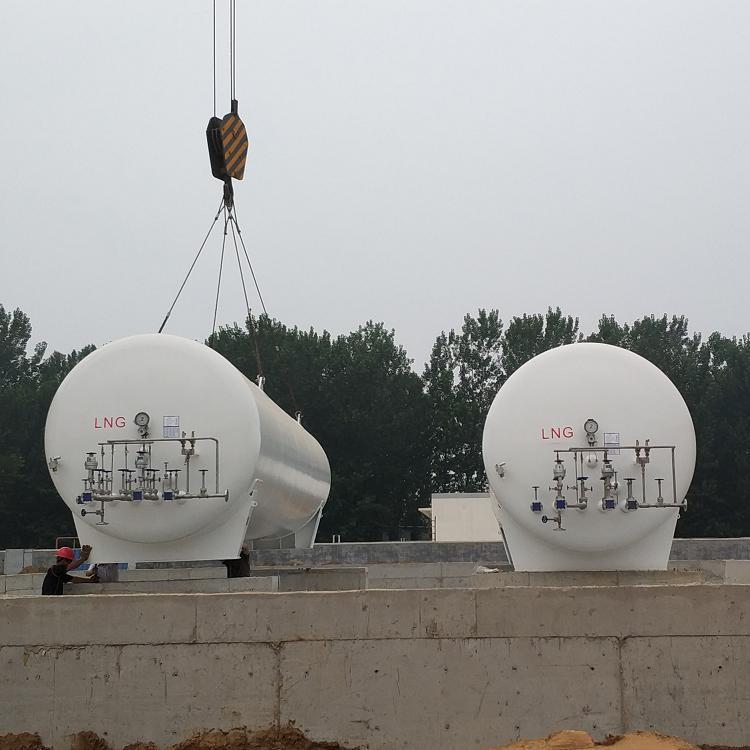
Carbon dioxide (CO2) and liquid oxygen (LOX) storage tanks are used for storing different gases, with some physical distinctions:
- Physical State: CO2 is a gas at room temperature and requires low temperatures and high pressures to become liquid. LOX is a liquid at room temperature and can remain in liquid form without special conditions.
- Storage Temperature: The liquid CO2 storage temperature typically ranges from -40°C to -78.5°C, while the liquid oxygen storage temperature usually lies between -183°C and -183.15°C. The storage temperature for LOX is lower, necessitating more stringent insulation measures.
- Storage Pressure: The liquid CO2 storage pressure is generally between 5-20 MPa, whereas the liquid oxygen storage pressure is typically between 0.2-2 MPa. The storage pressure for LOX is lower.
- Density: The density of liquid CO2 is approximately 0.8 g/cm³, while the density of liquid oxygen is about 1.14 g/cm³. The density of liquid oxygen is higher.
- Safety: LOX has a high oxygen content, making it highly flammable and oxidizing, requiring stricter safety measures. CO2 is relatively safe but can still pose health risks at high concentrations.
Water pressure testing of carbon dioxide storage tanks is a common quality inspection method used to verify the tank's sealing and pressure resistance. Below are the general steps for conducting a water pressure test on a carbon dioxide storage tank:
Preparation: Ensure the tank is clean inside and empty. Check the tank's valves, pipes, and connections to ensure they are sealed properly.
Filling with Water: Fill the tank with water, using tap water or other clean sources. Ensure the water is evenly filled to avoid bubbles or dead spots.
Applying Pressure: Use a pressure pump or other pressure device to gradually increase the water pressure until it reaches the predetermined test pressure. The test pressure is typically determined based on the tank's design requirements and relevant standards.
Maintaining Pressure: After reaching the test pressure, hold it for a period, usually 15-30 minutes. During this time, observe for any leakage and check for leaks at the valves and connections.
Pressure Release: Release the water pressure inside the tank, ensuring it is released slowly and evenly to avoid sudden pressure release causing shock.
Inspection and Evaluation: After pressure release, inspect the tank's exterior and interior for any leakage. Evaluate the test results to ensure the tank's sealing and pressure resistance meet the requirements.
It is important to note that when conducting water pressure tests, safety operating procedures and standards should be followed to ensure safety and reliability during the process. Additionally, based on the tank's design and usage requirements, other types of tests can be conducted, such as gas pressure tests, ultrasonic inspections, etc., to comprehensively assess the tank's quality and performance. Seek advice and guidance from experts.
Zhongjie Special Equipment upholds the great vision of "realizing the dreams of our employees, creating value for our customers, and striving for the prosperity and strength of our motherland," and is dedicated to the development of the green energy equipment industry. We offer society products and services with high cost-performance!
Four flat 30 cubic CO2 storage tank, high product safety
