


Shandong Zhongjie Special Equipment Co., Ltd. (formerly Heze Boiler Factory Co., Ltd.) holds an A-grade boiler manufacturing license and A2-grade pressure vessel manufacturing license, A2-grade pressure vessel design license, B-grade boiler installation license, GB2 and GC2 grade pressure pipeline installation licenses, and equipment and electrical installation contracting qualifications. It is a member of the China Boiler and Water Treatment Association, the China Chemical Equipment Association, and the council member of the Shandong Equipment Manufacturing Association. The company has also passed the ISO9001 Quality Management System certification, ISO14001 Environmental Management System certification, OHSAS18001 Occupational Health and Safety Management System certification, and the U.S. ASME/U2 certification.
When initially using a liquid nitrogen tank, there are several precautions to consider for safe and effective operation. Here are some suggested precautions:
Safe Operation: Liquid nitrogen is a cryogenic liquid with strong refrigerating and asphyxiating properties. When handling liquid nitrogen tanks, it is mandatory to wear appropriate personal protective equipment, such as insulated gloves and protective suits. Avoid direct contact with liquid nitrogen to prevent injury or other harm.
Ventilation Environment: Liquid nitrogen, upon evaporation, produces a significant amount of gas which may displace other gases, leading to a decrease in oxygen content in the air. Therefore, when using liquid nitrogen tanks, it is essential to ensure proper ventilation in the operating area to prevent oxygen deficiency.
Tank Inspection: Prior to the initial use of a liquid nitrogen tank, a thorough visual inspection and check of the tank's seal integrity is required. Ensure there are no visible damages, leaks, or other potential safety hazards. If any issues are found, they should be repaired or the tank replaced promptly.
Tank Filling: Prior to the first use of the liquid nitrogen tank, it must be filled with liquid nitrogen. During the filling process, follow the correct operational steps and safety protocols to ensure a safe and reliable filling. Additionally, be mindful to control the filling speed and pressure to prevent excessive tank pressure and temperature increase.
Labeling and Record Keeping: Prior to the initial use of the liquid nitrogen tank, relevant information should be labeled on the tank, such as the storage medium, capacity, manufacturing date, etc. It is also recommended to establish a tank usage record, including filling dates, filling quantities, usage status, etc., for future tracking and management.
It's important to note that the use of liquid nitrogen tanks involves safety risks such as low temperatures and high pressures. Operators should receive training and strictly adhere to the relevant operating procedures and safety measures. If unfamiliar with the operation or have doubts, it is recommended to consult experts or relevant organizations.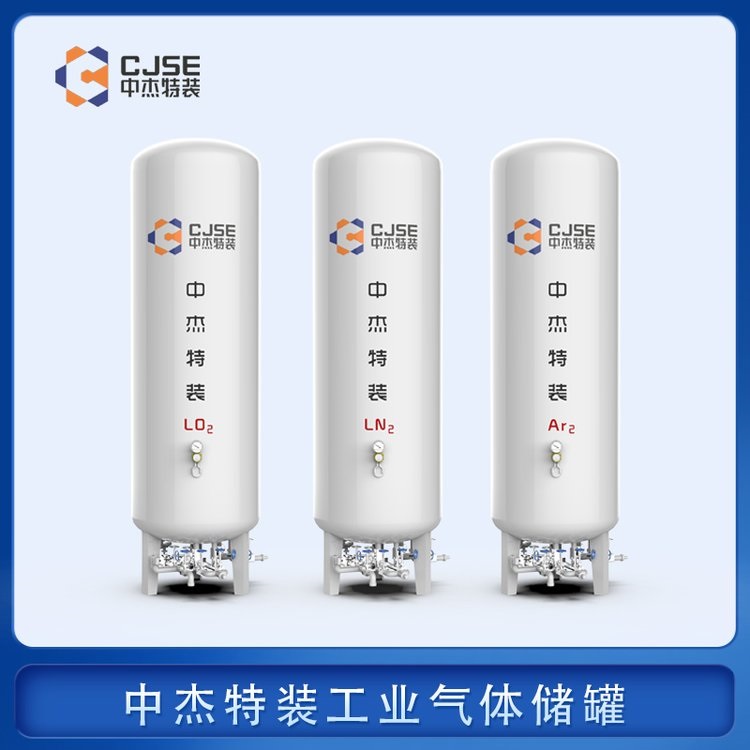
Daily inspections of liquid nitrogen tanks should include the following aspects:
Level Inspection: Regularly check the liquid nitrogen tank's level to ensure it remains within the normal range. Inspections can be conducted using level gauges or level scales, etc.
Pressure Check: Inspect the tank's pressure to ensure it remains within the safe range. Pressure gauges or pressure sensors can be used for the inspection.
Insulation Layer Inspection: Check if the tank's insulation layer is intact, without any damage or detachment. The integrity of the insulation layer is crucial for reducing heat transfer and the evaporation of liquid nitrogen.
Leakage Inspection: Check for signs of liquid nitrogen leakage around the storage tank, such as vapor mist, frosting, or freezing. If leakage is detected, take prompt action to repair it.
Valve and Pipeline Inspection: Check that the valves and pipelines of the storage tank are operating properly, without any leaks or blockages. Ensure the tightness and unobstructed flow of the valves and pipelines.
Safety Device Inspection: Check the storage tank's safety devices, such as pressure relief valves, temperature sensors, and level alarms, to ensure they are functioning properly.
Tank exterior cleaning: Regularly clean the exterior surface of the tank to remove dust, dirt, and debris. Maintain the tank's appearance for easy inspection and maintenance.
Record and Documentation: Timely record the inspection results and maintenance records of the tanks, including liquid level, pressure, insulation layer condition, leakage status, etc. These records help monitor the tank's operational status and identify issues promptly.
Above is the routine inspection content for liquid nitrogen tanks. Regularly performing these checks ensures the safe operation and effective use of the tanks. At the same time, follow relevant safety regulations and operational guidelines to ensure the safety of personnel and equipment.
The oxygen filling process for liquid oxygen storage tanks must adhere to specific operational procedures and safety measures. Below are the steps for filling a liquid oxygen tank:
Preparation: Ensure the tank and oxygenation equipment are in good working condition, check the tank's sealing integrity and the proper operation of the safety valves.
Connect equipment: Link the oxygenation equipment to the storage tank, ensuring a secure and sealed connection.
Prepare liquid oxygen: Transfer liquid oxygen from the storage container to the storage tank of the oxygen-filling equipment. During the transfer, be cautious to avoid any leakage or contact with the liquid oxygen.
Oxygen Filling Operation: Open the valve of the oxygen filling equipment and fill liquid oxygen from the oxygen storage tank into the storage tank. During the filling process, control the filling speed and pressure to avoid excessive pressure and temperature increase in the storage tank.
Monitoring and Control: During the aeration process, the tank's pressure and temperature must be monitored to ensure they remain within safe limits. In case of any anomalies, the aeration should be halted immediately and appropriate actions taken.
Oxygen Filling Completed: Close the valve of the oxygen filling equipment and stop the filling operation once the tank reaches the required oxygen content or pressure.
Safety Handling: After oxygenation is completed, safety handling is required, including closing relevant valves and emptying the remaining liquid oxygen from the oxygenation equipment.
Note that liquid oxygen is highly oxidizing and flammable; the oxygen-filling process must strictly adhere to relevant safety operating procedures and standards. Operators should receive training and strictly follow the operational procedures and safety measures to ensure the safety and reliability of the oxygen-filling process.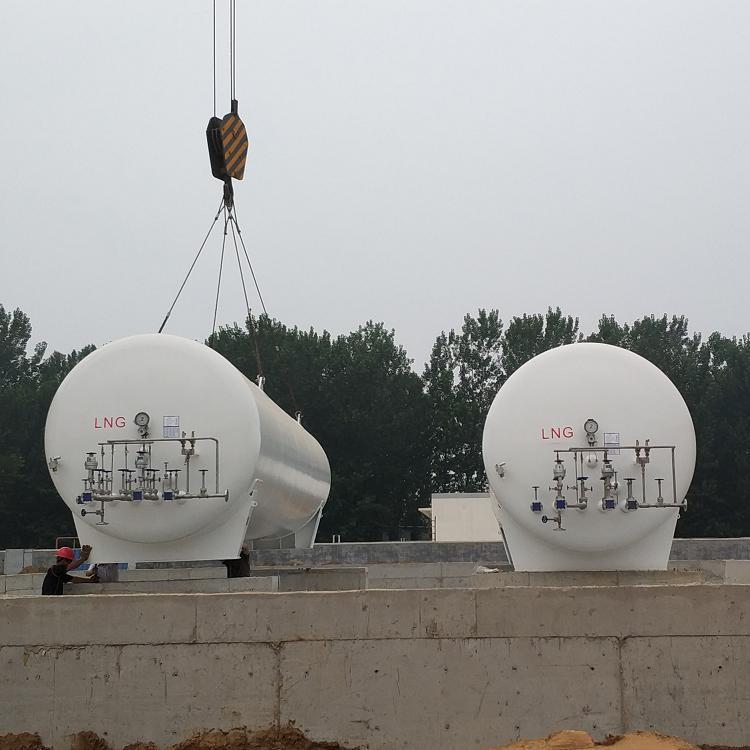
The reason for occasional venting of liquid oxygen tanks is primarily to maintain the safe pressure range within the tank and prevent excessive pressure buildup. Here are several scenarios where liquid oxygen tanks may vent occasionally:
Pressure Control: During the operation of the liquid oxygen storage tank, due to the evaporation of liquid oxygen and temperature changes, the pressure inside the tank will vary. To maintain a safe pressure range within the tank, regular venting is required to control the tank's pressure within the safe limits.
Prevent Overpressure Accumulation: During oxygen filling or usage, external factors or operational errors may cause the pressure inside the liquid oxygen tank to exceed safe limits. To prevent overpressure accumulation, timely venting is required to reduce the pressure within the tank.
Prevent Gas Accumulation: Liquid oxygen tanks may contain some gas impurities, such as air and water vapor. These gases can condense into liquids or solids at the low temperatures of liquid oxygen, blocking pipes or affecting the normal operation of the tank. Regularly releasing gas can expel these impurities, maintaining the tank's cleanliness and unobstructed flow.
It is crucial that the operation of releasing gaseous oxygen be conducted by authorized personnel, strictly adhering to the relevant operational procedures and safety measures. During the release process, attention must be paid to prevent leaks of liquid oxygen and contact with it, ensuring the safety and reliability of the operation.
Shandong Zhongjie Special Equipment, welcome customers to our factory for business discussions.
Henan Argon Storage Tank, Comprehensive After-Sales Service
