


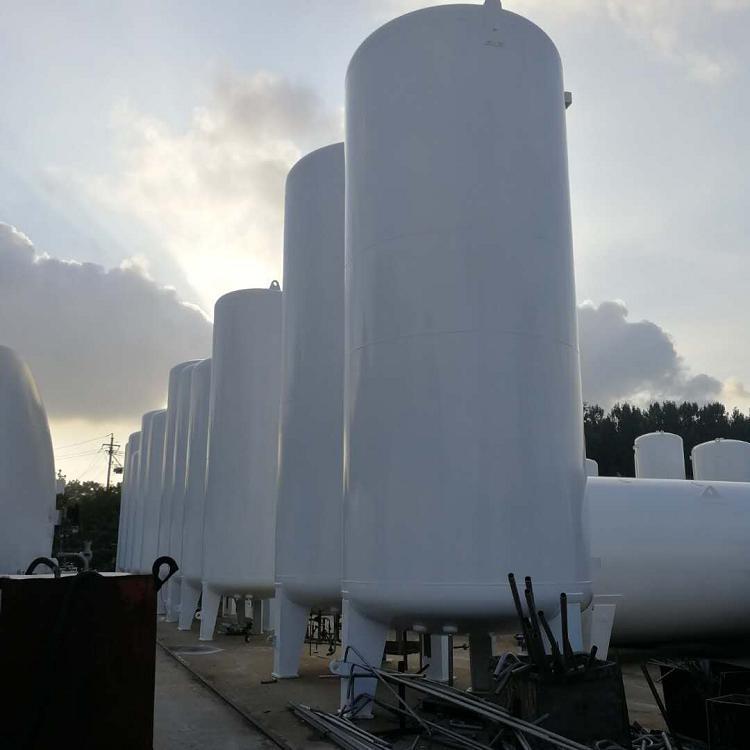
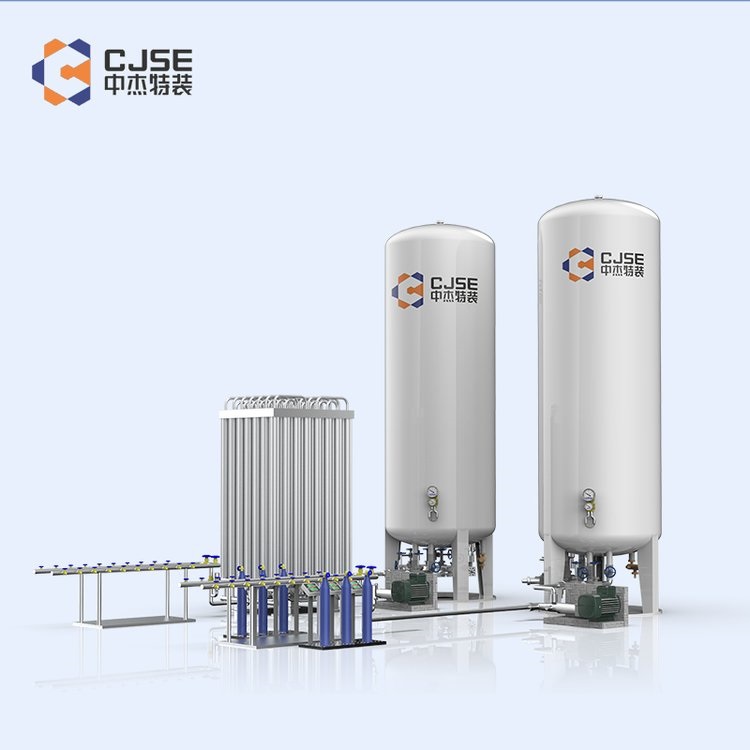
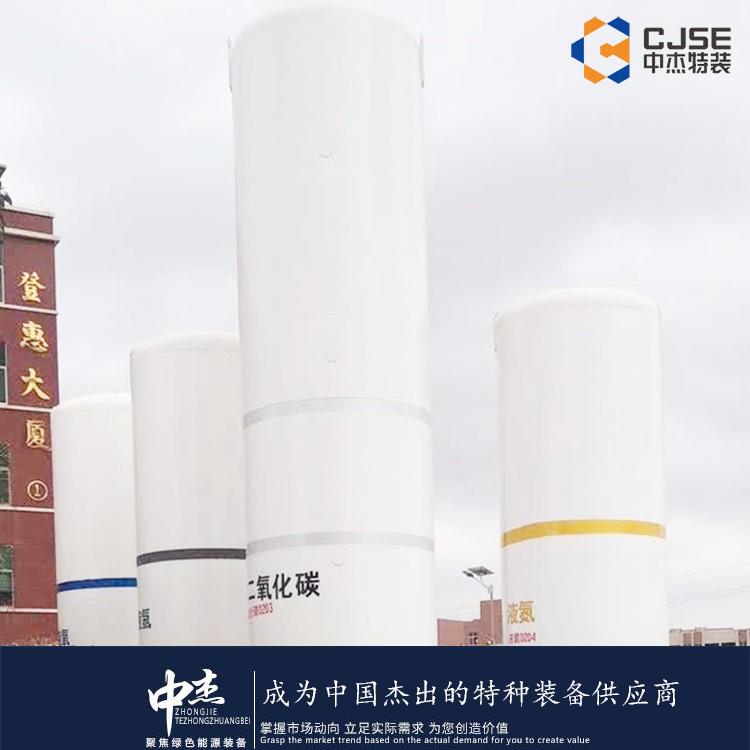
Shandong Zhongjie Special Equipment Co., Ltd. (formerly Heze Boiler Factory Co., Ltd.) was established in 2001, located at No. 2218 Jinan Road, Economic and Technological Development Zone, Heze City. With a registered capital of 50 million yuan and total assets of 500 million yuan, the company has seven business centers: boilers, deep-freezing vessels, pressure vessels, central air conditioning, engineering installation, international trade, and the Internet of Things. It has three factory sites on Jinan Road, East Yangtze Road, and Bohai Road, covering a total area of 200,000 square meters, with the main workshop spanning 83,000 square meters. It currently employs 710 people, including 247 engineers and technicians and 82 middle-level technical personnel. In December 2016, it was recognized as a "High-tech Enterprise" by the Science and Technology Department. In June 2021, it was identified as a "Specialized and New Enterprise in Shandong Province" by the Ministry of Industry and Information Technology. In June 2022, it was recognized as a "Gazelle Enterprise in Shandong Province" and in August 2022, as a "Specialized and New Small Giant Enterprise" by the Ministry of Industry and Information Technology.
Under China's "Regulations for Safety Supervision of Pressure Vessel Technologies," carbon dioxide storage tanks are classified as Category II pressure vessels. According to these regulations, pressure vessels are categorized as follows:
- Category I pressure vessels: Pressure vessels with operating pressures of 10 MPa (megapascals) or higher, such as steam boilers and pressure vessels.
- Category II pressure vessels: Pressure vessels with operating pressures of 0.1 MPa or higher but less than 10 MPa, such as air compressors and liquefied gas storage tanks.
- Category III pressure vessels: Pressure vessels with operating pressures of 0.05 MPa or higher but less than 0.1 MPa, such as storage tanks.
- Category IV pressure vessels: Pressure vessels with operating pressures below 0.05 MPa, such as gas cylinders.
Based on this classification, carbon dioxide storage tanks typically have operating pressures above 0.1 MPa, thus falling under Category II pressure vessels. It is important to note that specific classification criteria may vary due to different regional regulations and standards. When using and managing carbon dioxide storage tanks, it is necessary to comply with the corresponding regulatory and standard requirements.
The design requirements for carbon dioxide storage tanks typically include the following aspects: Pressure Vessel Design: Carbon dioxide storage tanks are generally designed as high-pressure vessels capable of withstanding high pressure. The design must comply with relevant standards and regulations, such as Standard GB150 "Steel Pressure Vessels." Material Selection: The choice of materials for the tank should consider the properties of carbon dioxide, such as high pressure, high oxidation, and corrosiveness. Common materials include carbon steel and stainless steel, with selection based on specific working conditions and requirements. Safety Valve and Pressure Control: The tank should be equipped with a safety valve and pressure control devices to ensure internal pressure remains within a safe range. The safety valve should be selected according to design requirements and should be inspected and tested regularly to ensure proper operation. Insulation Performance: Since carbon dioxide needs to remain in a liquid state at low temperatures, the tank should have good insulation properties to prevent excessive evaporation of liquid carbon dioxide and energy loss. The selection and design of insulation materials and layers should consider working temperatures and environmental conditions. Leak Detection and Alarm: The tank should be equipped with leak detection devices and alarm systems, along with corresponding monitoring equipment. These devices can detect leaks in a timely manner and trigger alarms, allowing for appropriate measures to be taken. Structural Strength and Stability: The structural design of the tank should have sufficient strength and stability to withstand internal pressure and external loads. The structural design must comply with relevant standards and regulations, such as Standard GB12337 "Pressure Vessel Design Specification." Safe Operation and Maintenance: The design of the tank should consider the ease of safe operation and maintenance, such as the placement of manholes, inspection openings, and drain outlets.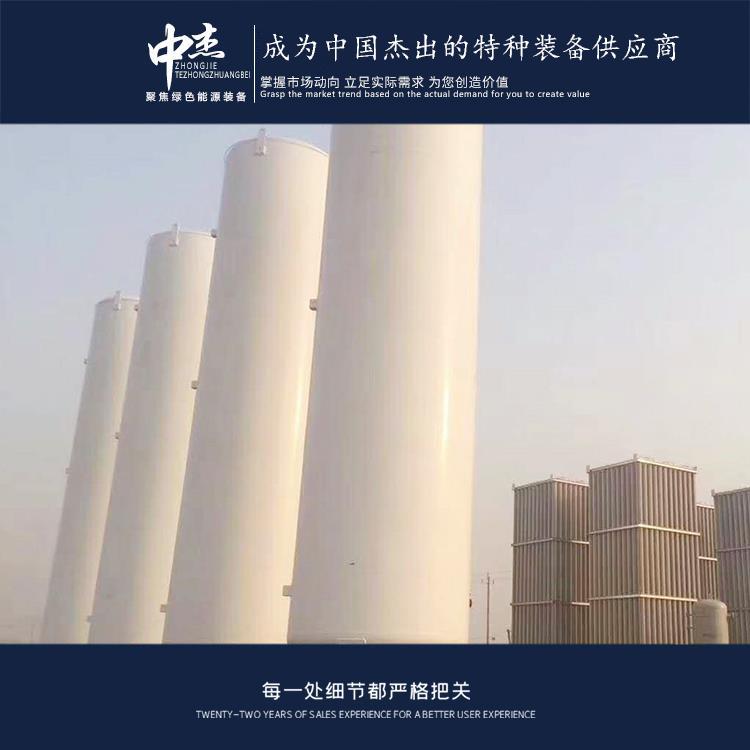
The reasons for not allowing a CO2 storage tank to remain empty for extended periods are mainly as follows:
1. Safety Risks: CO2 is a high-pressure gas that must maintain a certain pressure within the tank to remain in a liquid state. Releasing CO2 from the tank into the atmosphere over a long period can lead to a decrease in tank pressure, potentially causing structural failure or explosions, posing safety risks.
2. Resource Wastage: CO2 is a valuable resource with wide applications in industry and other sectors. Keeping a CO2 storage tank empty for long durations is wasteful and does not align with sustainable development principles.
3. Environmental Impact: CO2 is a greenhouse gas, and releasing it into the atmosphere over a long period increases its concentration, exacerbating climate change and environmental issues.
Therefore, to ensure safety, conserve resources, and protect the environment, CO2 storage tanks should be used and managed in accordance with specified procedures and requirements, avoiding prolonged emptiness. When CO2 in the tank is no longer needed, appropriate disposal methods should be employed, such as recycling, reuse, or safe discharge.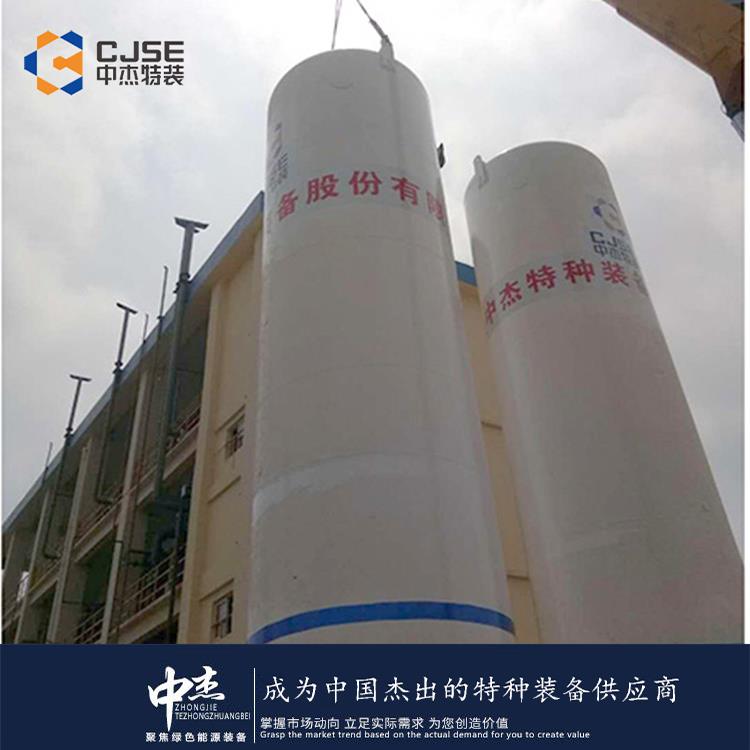
To extend the service life of CO2 storage tanks, the following measures can be taken:
- Regular Inspections and Maintenance: Conduct regular checks on the tank's exterior, lining, valves, and pipe connections to ensure they are intact. Promptly repair or replace any abnormalities or damages.
- Corrosion Prevention: As CO2 is corrosive, both the internal and external surfaces of the tank should be treated for corrosion resistance. Regularly inspect and maintain the protective coating or paint to ensure its integrity and effectiveness.
- Cleaning and Draining: Regularly clean the interior of the tank to remove accumulated impurities and sediments. Also, regularly drain the tank to remove liquid and gas impurities to maintain cleanliness and proper operation.
- Temperature and Pressure Control: Maintain the tank's temperature and pressure within the design limits to avoid damage from extreme temperatures or pressures.
- Regular Testing and Calibration: Conduct regular testing and calibration of the tank, including parameters such as level, pressure, and temperature, to ensure accurate and reliable measurement and control systems.
- Adherence to Operating Procedures: Strictly follow operating and safety procedures to ensure normal and safe tank operation. Train operators to enhance their operational skills and safety awareness.
- Updates and Upgrades: Timely update and upgrade tank accessories and equipment as needed to meet new technology and safety requirements.
- Regular Assessments and Monitoring: Regularly assess and monitor the tank, including structural integrity, corrosion, and safety aspects. Take appropriate maintenance and repair measures based on assessment results.
These measures can help extend the service life of CO2 storage tanks and ensure their safe and reliable operation.
Zhong Jie Special Equipment adheres to the grand vision of "realizing employees' dreams, creating value for customers, and striving for the prosperity and strength of our motherland," and is dedicated to the development of the green energy equipment industry. We offer products and services with high cost-performance to contribute to society!
Wujiayu 5 Cubic CO2 Storage Tank, Comprehensive After-Sales Support
