


Shandong Zhongjie Special Equipment (formerly Heze Boiler Factory Co., Ltd.) was established in 2001, located at No. 2218 Jinnan Road, Economic and Technological Development Zone, Heze City. With a registered capital of 50 million yuan and total assets of 500 million yuan, the company has 7 business centers: boilers, deep-freezing containers, pressure vessels, central air conditioning, engineering installation, international trade, and Internet of Things. It has three factory sites on Jinnan Road, East Changjiang Road, and Bohai Road, covering a total of 200,000 square meters, with the main workshop spanning 83,000 square meters. It currently employs 710 staff, including 247 engineers and technicians, and 82 intermediate-level technicians. In December 2016, it was recognized as a "High-tech Enterprise" by the Science and Technology Department. In June 2021, it was identified as a "Specialized and New Enterprise in Shandong Province" by the Ministry of Industry and Information Technology. In June 2022, it was recognized as a "Gazelle Enterprise in Shandong Province" and in August 2022, as a "Specialized and New Small Giant Enterprise" by the Ministry of Industry and Information Technology.
Liquid oxygen storage tanks are widely used in various industries, primarily in the following aspects:
Industry: Liquid Oxygen Tanks are widely used in various fields for storing and supplying liquid oxygen as fuel and oxidizer. Liquid Oxygen Tanks play a crucial role in engine, propulsion systems, and oxygen supply systems.
Chemical Industry: Liquid oxygen tanks are used in chemical processes for storing and supplying liquid oxygen, employed in oxidation reactions, combustion reactions, and oxygen supply, etc. Refineries, chemical plants, and manufacturers of chemical products are among those that may use liquid oxygen tanks.
Industry: Liquid Oxygen Tanks are used in the field for storing and supplying liquid oxygen, utilized for oxygen therapy, respiratory support, and surgeries, etc. Liquid Oxygen Tanks are widely used in institutions such as clinics and nursing facilities.
Experimental Research: Liquid Oxygen Tanks are used in scientific research and laboratories to provide liquid oxygen as experimental materials and fuel. Liquid Oxygen Tanks play a crucial role in experimental research across various fields, including physics, chemistry, biology, and materials science.
Metalworking Industry: Liquid oxygen tanks are used in the metalworking and welding industries to provide high-purity oxygen for processes such as metal cutting, welding, and heat treatment.
Other Industries: Liquid Oxygen Storage Tanks are also utilized in various other industries such as the energy, environmental protection, and food industries, among others. They are employed in energy production, environmental management, and food processing fields.
It is important to note that the use of liquid oxygen tanks must strictly adhere to relevant safety regulations and operating guidelines to ensure safe operation and usage of the tanks.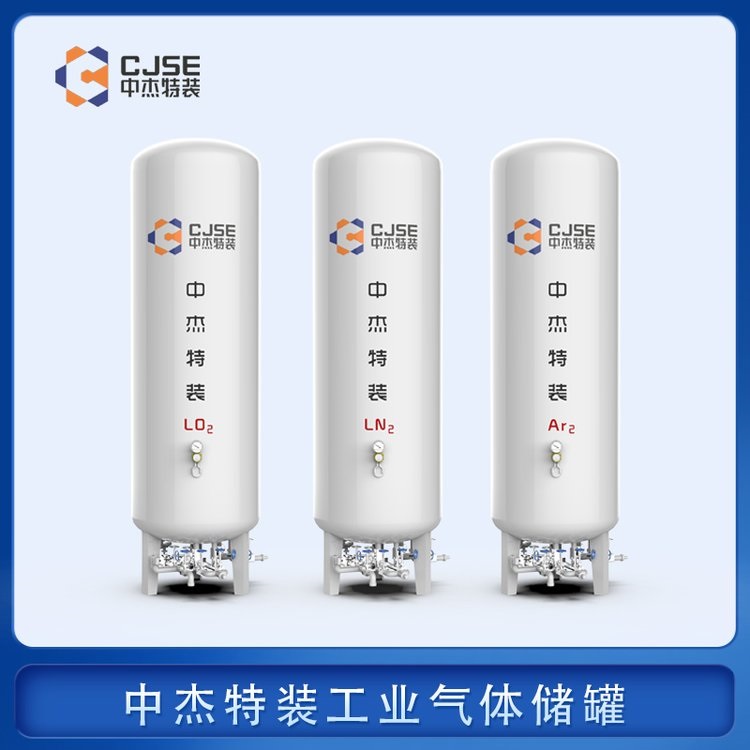
Daily inspections of liquid nitrogen tanks should include the following aspects:
Level Check: Regularly inspect the liquid nitrogen tank's level to ensure it's within the normal range. This can be done using level gauges or level scales, etc.
Pressure Check: Inspect the tank's pressure to ensure it is within the safe range. Devices such as pressure gauges or pressure sensors can be used for the check.
Insulation Layer Inspection: Verify that the storage tank's insulation layer is intact with no damage or detachment. The integrity of the insulation layer is crucial for reducing heat transfer and the evaporation of liquid nitrogen.
Leak Inspection: Check for signs of liquid nitrogen leakage around the tank, such as vapor mist, frost, or freezing. If a leak is detected, take immediate measures to repair it.
Valve and pipeline inspection: Verify that the valves and pipelines of the storage tank are functioning properly without any gas leaks or blockages. Ensure the tightness and unobstructed flow of the valves and pipelines.
Safety Device Inspection: Examine the safety devices of the storage tank, such as pressure relief valves, temperature sensors, and level alarms, to ensure they are functioning properly.
Tank External Cleaning: Regularly clean the external surface of the tank to remove dust, dirt, and debris. Maintain the tank's appearance for easy inspection and maintenance.
Record and Documentation: Timely record the inspection results and maintenance records of the tank, including liquid levels, pressure, insulation condition, and leakage situations. These records help monitor the tank's operating status and identify issues promptly.
Above is the daily inspection content for liquid nitrogen tanks. Regularly conducting these checks ensures the safe and efficient operation of the tanks. At the same time, follow relevant safety regulations and operational guidelines to ensure the safety of personnel and equipment.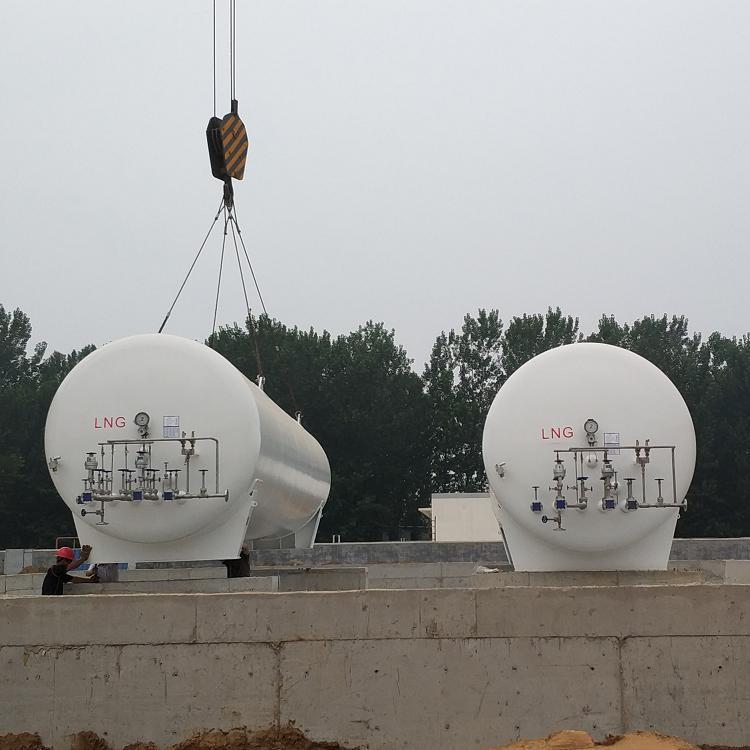
During the welding process of low-temperature liquid storage tanks, controlling the occurrence of welding cracks is crucial. The following are some methods and measures for controlling welding cracks:
Appropriate Welding Techniques: Select the appropriate welding process and parameters to minimize welding heat input and thermal stress. Employ low heat input welding methods, such as pulse welding and laser welding, to reduce the temperature gradient and residual stress in the heat-affected zone.
Preheating and post-heat treatment: Perform proper preheating before welding to enhance material toughness and reduce thermal stress. Conduct appropriate post-heat treatment, such as annealing or stress-relief heat treatment, after welding to minimize residual stress and improve the toughness of the weld.
Select appropriate welding materials: Choose welding materials with good toughness and crack resistance to minimize the occurrence of welding cracks. Select the appropriate welding material based on the storage tank's operating conditions and requirements, such as low-alloy steel, stainless steel, etc.
Control Welding Process: Regulate parameters and operations during the welding process to minimize the risk of welding cracks. Pay attention to factors such as welding speed, current, voltage, and welding sequence to avoid overheating or rapid welding, thereby reducing the accumulation of thermal and residual stresses.
Non-destructive Testing and Evaluation: After welding, conduct non-destructive tests on the welds, such as ultrasonic testing and X-ray testing, to assess welding quality and the presence of cracks. Promptly identify and repair welding cracks to ensure the integrity and safety of the weld joints.
It's important to note that controlling welding cracks is a complex process that requires considering various factors, such as materials, welding techniques, and operations. When welding low-temperature liquid storage tanks, it is recommended to consult a welding engineer or a relevant institution for guidance to ensure welding quality and tank safety.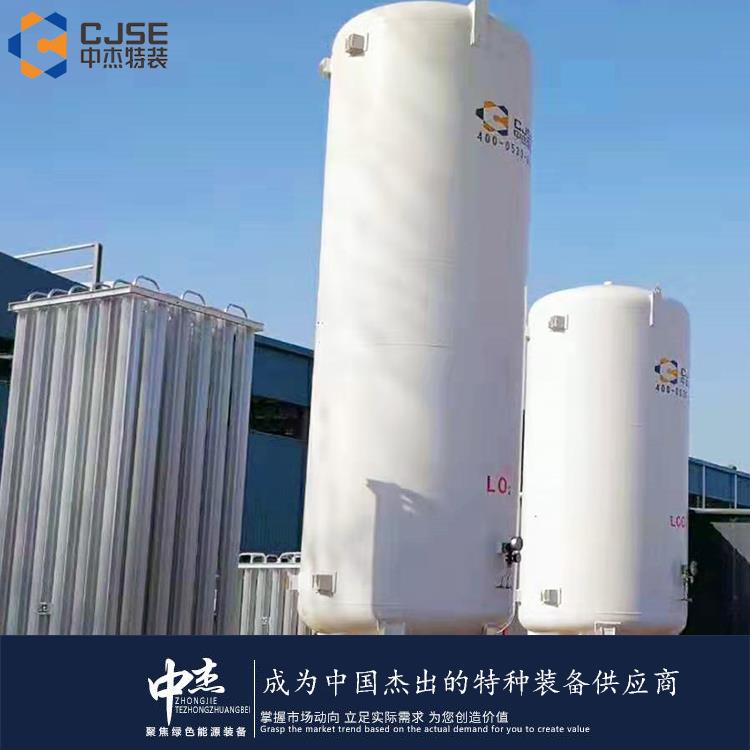
The manufacturing process for the heads and cylinders of low-temperature storage tanks typically includes the following steps:
Material Preparation: Select suitable materials, such as low-temperature alloy steel or stainless steel, based on design requirements and specifications. Inspect and verify the materials to ensure their quality meets the standards.
Sheet Cutting: Cut sheets according to design dimensions and shapes. Common cutting methods include flame cutting, plasma cutting, or laser cutting, etc.
Bending and Shaping: Cut板材are bent and shaped to form heads and cylindrical shapes. Common shaping methods include cold bending, hot bending, or hydraulic forming, etc.
Welding: The formed sheets are welded together to create the structure of the head and cylinder. Common welding methods include manual arc welding, gas shielded welding, or laser welding, etc.
Weld Seam Treatment: Process the weld seams after welding, such as sanding, polishing, or applying anti-corrosion coatings, to enhance the quality and appearance of the seams.
Inspection and Acceptance: Conduct inspections and acceptances on the finished caps and cylinders to ensure their quality and compliance with design specifications. Common inspection methods include ultrasonic testing, X-ray inspection, or liquid penetrant testing, etc.
Reinforcement and Support: Process and install reinforcement and support on the head and cylinder as required to enhance the structural strength and stability.
Surface Treatment: The heads and cylinders are subjected to surface treatment, such as coating with anti-corrosion paint, hot-dip galvanizing, or polishing, to enhance their corrosion resistance and aesthetic quality.
It is important to note that the manufacturing process of low-temperature storage tanks must comply with relevant standards and regulations to ensure the quality and safety of the production. During the manufacturing process, strict adherence to the relevant safety operating procedures and the implementation of necessary protective measures are required to ensure the safety of the operators.
Zhongjie Special Equipment upholds the grand vision of "realizing employees' dreams, creating value for customers, and striving for the prosperity and strength of our motherland," focusing solely on the development of green energy equipment. We dedicate high-value products and services to society!
Dongying Liquid Argon Storage Tank - Comprehensive After-Sales Support
