


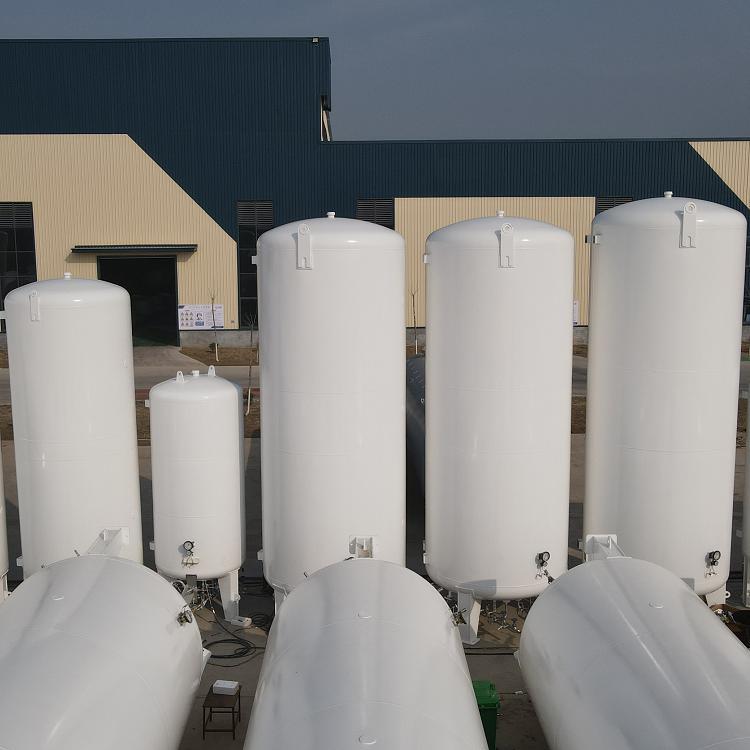


Shandong Zhongjie Special Equipment (formerly Heze Boiler Factory Co., Ltd.) holds an A-grade boiler manufacturing license, A2-grade pressure vessel manufacturing license, A2-grade pressure vessel design license, B-grade boiler installation license, and GB2/Class and GC2/Class pressure pipeline installation license, as well as an equipment and machinery installation contracting qualification. It is a member of the China Boiler and Water Treatment Association, the China Chemical Equipment Association, and the Standing Committee member of the Shandong Equipment Manufacturing Association. The company has also passed certifications for the ISO9001 Quality Management System, ISO14001 Environmental Management System, OHSAS18001 Occupational Health and Safety Management System, and the U.S. ASME/U2 certification.
Carbon dioxide has several key applications in the battery industry:
- Solvent in electrolytes: Carbon dioxide can act as one of the solvents in battery electrolytes. In certain battery types, it can be mixed with organic solvents to enhance the performance and stability of the electrolyte.
- Protective gas in battery manufacturing: During battery production, carbon dioxide can be used as a protective gas. For instance, during assembly and encapsulation, it can replace air to prevent oxidation and corrosion of battery materials due to oxygen and moisture in the battery.
- Battery performance improvement: By altering the atmosphere within the battery, carbon dioxide can improve battery performance. For example, injecting carbon dioxide gas into the battery can adjust pressure and temperature, thereby increasing the battery's cycle life and safety.
- Carbon dioxide capture and storage: Battery production generates carbon dioxide emissions. Carbon dioxide capture and storage technologies can be employed to reduce these emissions. By capturing and storing carbon dioxide, atmospheric emissions can be minimized, reducing environmental impact.
- It's important to note that the application of carbon dioxide in the battery industry is continuously evolving and under research. With technological advancements and innovation, carbon dioxide's applications in the battery field may see further breakthroughs and developments.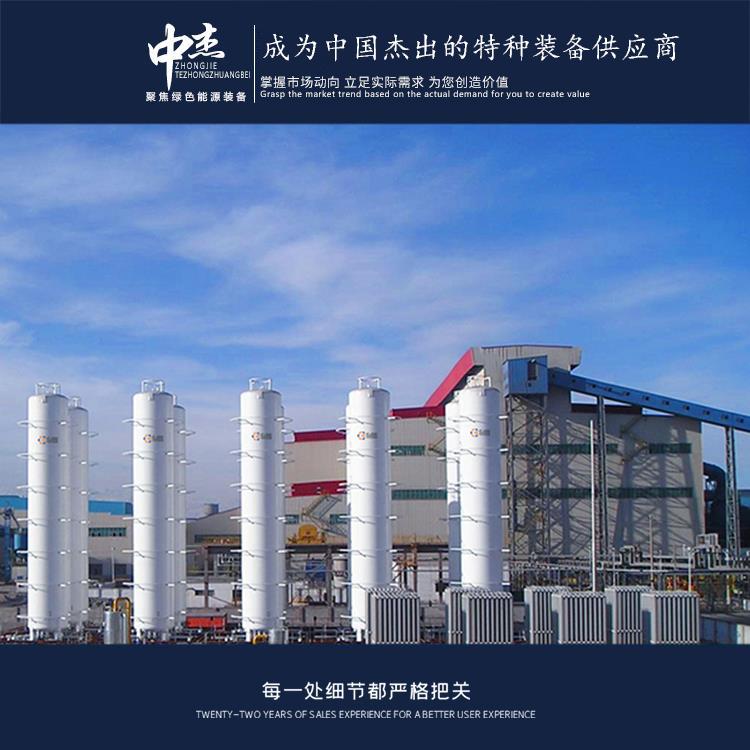
Low-temperature CO2 storage tanks are equipment used for storing and transporting liquid CO2 at low temperatures. Here are some facts related to low-temperature CO2 storage tanks:
Tank Structure: These tanks typically feature a double-wall design, with the inner wall for liquid CO2 storage and the outer wall for insulation. The interior is usually made of stainless steel or aluminum alloy, offering excellent corrosion resistance.
Storage Temperature: The storage temperature of low-temperature CO2 storage tanks usually ranges from -40°C to -196°C, depending on specific application requirements. Temperature control is crucial for maintaining the stability and safety of the liquid CO2.
Storage Capacity: The capacity of low-temperature CO2 storage tanks can be selected based on actual needs, generally ranging from a few thousand to tens of thousands of liters. The capacity selection should consider storage requirements, supply frequency, and space constraints.
Safety Protection: These tanks require safety protection devices, such as pressure relief devices (e.g., safety valves), pressure sensors, and temperature sensors, to ensure that internal pressure and temperature remain within safe limits.
Transportation Methods: Low-temperature CO2 storage tanks can be transported via road, rail, or ship. Proper insulation measures must be taken during transportation to maintain the低温 state of the liquid CO2 inside.
Safe Operation: The operation of low-temperature CO2 storage tanks requires training and adherence to safety operation procedures. Operators should be familiar with the tank's characteristics and safety precautions to ensure safe and effective operation.
Regular Inspection and Maintenance: Regular inspection and maintenance are necessary for low-temperature CO2 storage tanks, including visual inspections, valve and pipeline checks, and pressure relief device checks. Regular maintenance ensures the tank's normal operation and safety.
The above information covers some facts about low-temperature CO2 storage tanks. When using and operating such tanks, it is essential to follow relevant safety regulations and standards, and consult with experts to ensure safety and effectiveness.
Carbon dioxide tanks are equipment used for storing and transporting CO2 (carbon dioxide). They are typically sealed containers with specialized design and structure to ensure safe storage and use of CO2. Below are some common details about carbon dioxide tanks:
Storage Form: CO2 is a gas at room temperature but can be compressed into a liquid under high pressure for more efficient storage and transportation. Carbon dioxide tanks usually store liquid CO2.
Storage Pressure: These tanks typically store high-pressure CO2 at around 20-25 bar, which helps maintain the liquid state.
Storage Capacity: The capacity of carbon dioxide tanks can vary, ranging from a few thousand liters to tens of thousands of liters, depending on specific application needs.
Safety: CO2 is colorless, odorless, and non-toxic, but it can be dangerous at high concentrations, causing asphyxiation. Therefore, appropriate safety measures such as ventilation and protective gear must be taken when using carbon dioxide tanks to ensure operator safety.
Applications: Carbon dioxide tanks are widely used in various fields, including food and beverage, pharmaceutical, fire suppression, and gas supply industries. They are used to store and provide CO2 to meet different industrial requirements.
It is important to note that the design, manufacture, and use of carbon dioxide tanks must comply with relevant regulations, standards, and safety guidelines. When using carbon dioxide tanks, follow the operating manual and safety guidelines, and cooperate with local regulatory agencies and personnel to ensure the tank's safety and reliability.
清洁低温液体储罐的过程需要谨慎操作,以确保安全性和有效性。以下是一般的清洁步骤: 安全准备:在清洁液体储罐之前,确保储罐内的液体已经完全排空,并且储罐的压力已经释放。确保所有相关的安全设备和阀门处于关闭状态。 防护措施:低温液体储罐通常存储着冷的液体,如液氮或液氧。在进行清洁操作时,必须佩戴适当的个人防护装备,如绝缘手套、、防护服等,以防止冷或其他伤害。 清洁剂选择:选择适合清洁低温液体储罐的清洁剂。清洁剂应具备良好的腐蚀性能和低温适应性。可以咨询清洁剂供应商或储罐制造商以获取建议。 清洁过程:将清洁剂注入储罐中,使用适当的工具(如喷洒器、刷子等)进行清洁。根据储罐的尺寸和污染程度,可以选择手动清洁或使用清洗设备。 冲洗和排放:清洁完成后,使用清水或其他适当的冲洗剂进行冲洗,以确保清洁剂和污物。冲洗完成后,将废水和废液排放到合适的处理系统中,遵循环境保护的相关规定。 检查和验证:清洁完成后,进行储罐的检查和验证,确保储罐内部干净、无残留物,并符合相关的安全和卫生要求。 需要注意的是,清洁低温液体储罐的具体步骤和要求可能会因不同的储罐设计和使用场景而有所差异。在进行清洁操作时,应遵循相关的安全操作规程和标准,确保操作的安全性和有效性。好咨询工程师或储罐制造商以获取具体的清洁指导。
Shandong Zhongjie Special Equipment, welcome customers to our factory for business discussions.
Changzhou 80 Cubic CO2 Storage Tank - Reliable Choice
