


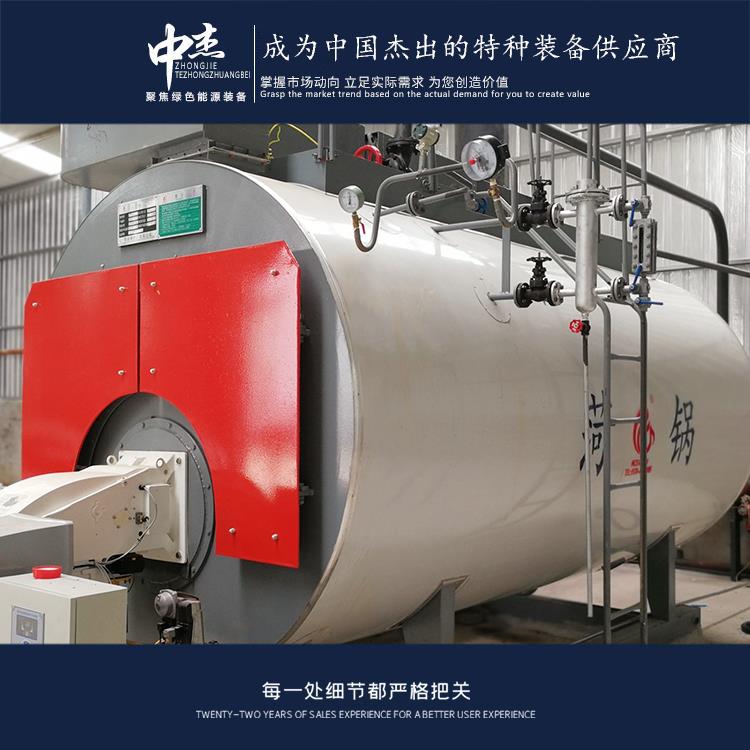
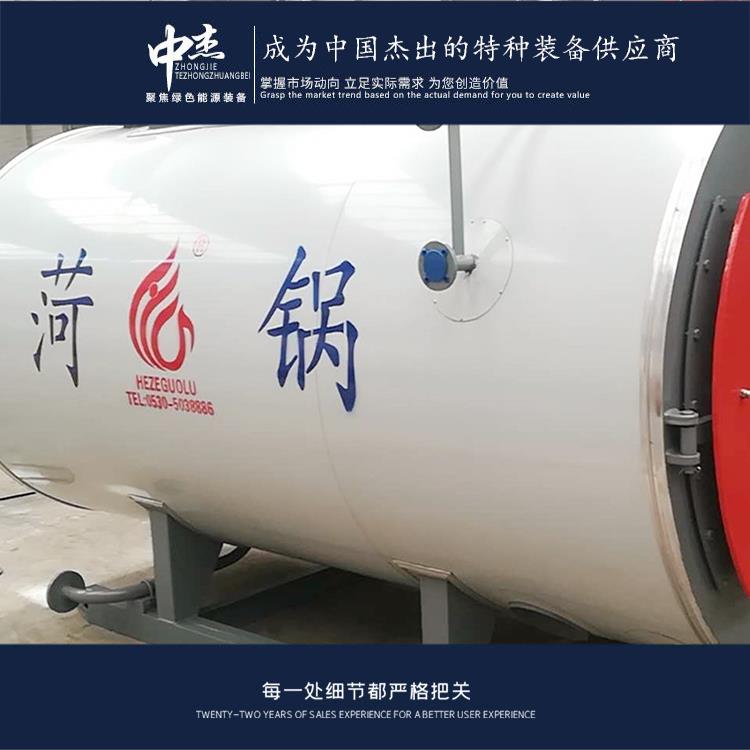

Shandong Zhongjie Special Equipment (formerly Heze Boiler Factory Co., Ltd.) holds an A-grade boiler manufacturing license, A2-grade pressure vessel manufacturing license, A2-grade pressure vessel design license, B-grade boiler installation, GB2 and GC2 pressure pipeline installation licenses, and equipment and machinery installation contracting qualifications. It is a member of the China Boiler and Water Treatment Association, the China Chemical Equipment Association, and the理事 member of the Shandong Equipment Manufacturing Association. The company has also passed certifications for the ISO9001 Quality Management System, ISO14001 Environmental Management System, OHSAS18001 Occupational Health and Safety Management System, and the American ASME/U2 certification.
Selecting a trustworthy boiler supplier is crucial. Here are some factors to consider:
1. Reputation: Understand the reputation and market reputation of the boiler supplier. You can gather relevant information by reviewing customer reviews, industry reports, and certifications from institutions.
2. Quality and Performance: The quality and performance of the boiler directly impact its reliability and efficiency. Learn about the supplier's quality control system, product certifications, and technical support capabilities to ensure their products meet standards and factory requirements.
3. Technical Support and After-Sales Service: Choosing a supplier that offers comprehensive technical support and after-sales service is vital. Make sure the supplier can provide training, installation guidance, maintenance, and troubleshooting support to ensure the boiler operates smoothly.
4. Cost-Effectiveness: In addition to quality and performance, consider the cost-effectiveness of the boiler. Take into account the purchase cost, operating cost, and maintenance cost to select a supplier that offers reasonable pricing and value for money.
Ultimately, choosing a trustworthy boiler supplier requires considering these factors and making a decision based on the specific needs and conditions of your factory. It is recommended to communicate and compare with multiple suppliers to gather more information and advice for an informed choice.
Steam boiler equipment water treatment refers to the process of treating water in steam boilers to ensure normal operation and extend the service life of the equipment. Below is basic knowledge about steam boiler equipment water treatment:
Water Quality Requirements: The water quality in steam boilers is of high standard, usually requiring the removal of impurities, dissolved oxygen, and hard substances. Impurities and hard substances can cause scaling and corrosion on the inner walls of the boiler, while dissolved oxygen can lead to corrosion and the formation of bubbles.
Removal of Impurities: Common methods for removing impurities from water include sedimentation, filtration, and ion exchange. Sedimentation involves adding chemicals to make impurities settle, filtration involves filtering out impurities through a filter medium, and ion exchange involves resins adsorbing and exchanging ions to remove impurities from the water.
Adjusting Hardness: The hardness substances in water are mainly salts of calcium and magnesium, which can cause scaling on the inner walls of the boiler. Hardness can be adjusted by adding chemicals or using water softening equipment to prevent scaling issues.
Removing Dissolved Oxygen: Dissolved oxygen can cause corrosion and bubble formation. It can be removed by adding oxidizing agents or using deaeration equipment.
Controlling pH Level: The pH level of water in steam boilers affects equipment corrosion and scaling. It is usually necessary to control the pH level within an appropriate range, using buffers or regulators to adjust the pH level.
Regular Testing and Maintenance: Regular water quality testing of steam boiler equipment should be conducted, including measuring hardness, dissolved oxygen, and pH levels. Appropriate water treatment measures and maintenance should be taken based on the test results.
Steam boiler equipment water treatment is a crucial aspect for ensuring normal boiler operation and extending the service life of the equipment. Rational water treatment measures can effectively prevent scaling, corrosion, and malfunctions on the inner walls of the boiler.
In industrial boiler systems, the key functional parameters of pumps include the following aspects:
Flow Rate: The flow rate of a pump refers to the volume of liquid pumped per unit of time. In industrial boilers, pumps need to provide sufficient flow to meet the water requirements of the boiler. The size of the flow rate depends on the rated evaporation capacity of the boiler and the design requirements of the circulating water system.
Head: The head of a pump refers to its ability to overcome liquid resistance and lift the liquid to a certain height. In industrial boilers, pumps must have adequate head to ensure smooth flow to all parts of the boiler, including the feed water system and circulating water system.
Power: The power of a pump is the electrical or mechanical energy required to drive the pump. In industrial boilers, the power of the pump needs to be determined based on flow rate and head to meet the requirements of the boiler system.
Efficiency: The efficiency of a pump is the ratio of the input energy to the output fluid energy. High-efficiency pumps can reduce energy consumption and operating costs. In industrial boilers, selecting high-efficiency pumps can improve the energy efficiency performance of the system.
Operational Stability and Reliability: Pumps in industrial boiler systems must have good operational stability and reliability. Pumps should be able to run stably for long periods without being affected by external disturbances or fluctuations and should be adaptable to different operating conditions.
Pumps should be selected according to the specific industrial boiler system and design requirements, ensuring that the functional parameters meet the system's needs. At the same time, the selection and operation of pumps should comply with relevant standards and regulations to ensure safe and reliable operation.
When selecting a thermal oil heater for the rubber industry, pay attention to the following aspects:
- Temperature Requirements: Determine the required working temperature range based on the process demands of the rubber industry. Ensure the heater can stably provide the necessary working temperature.
- Heat Load: Calculate the required heat load based on the production scale and process requirements of the rubber industry. Make sure the heater's heat load meets the industry's needs.
- Thermal Efficiency: The thermal efficiency of the heater directly affects energy consumption and operating costs. Choose a heater with high efficiency for energy-saving.
- Safety: The safety of the heater is crucial. Opt for a heater with comprehensive safety protection devices and an automatic control system to ensure safe and reliable operation.
- Maintenance: Proper maintenance is vital for extending the heater's lifespan and ensuring normal operation. Consider the ease and cost of maintenance when selecting a heater.
- Manufacturer's Reputation: Choose a reputable and experienced thermal oil heater manufacturer to ensure product quality and reliable after-sales service.
- Cost-Effectiveness: Consider the price, energy consumption, and maintenance costs of the heater when selecting a cost-effective product.
- Consultation: Before purchasing, it is recommended to consult with heating equipment suppliers or engineers, choose according to specific needs, and adhere to relevant industry standards and specifications.
Zhongjie Special Equipment upholds the grand vision of "realizing employees' dreams, creating value for customers, and striving for the prosperity and strength of our motherland," and is dedicated to the development of the green energy equipment industry. We offer society high-quality products and services at competitive prices!
Kashgar 3-ton gas boiler
