



Shandong Zhongjie Special Equipment (formerly Heze Boiler Factory Co., Ltd.) holds an A-grade boiler manufacturing license, an A2-grade pressure vessel manufacturing license, an A2-grade pressure vessel design license, B-grade boiler installation and GB2/Class, GC2/Class pressure pipeline installation licenses, and a mechanical and electrical equipment installation contracting license. It is a member of the China Boiler and Water Treatment Association, the China Chemical Equipment Association, and a board member of the Shandong Equipment Manufacturing Association. The company has also passed the ISO9001 Quality Management System, ISO14001 Environmental Management System, OHSAS18001 Occupational Health and Safety Management System certifications, and the U.S. ASME/U2 certification.
Liquid Oxygen Storage Tanks are equipment used for storing and supplying liquid oxygen. Liquid oxygen is a state where oxygen is cooled below its boiling point, converting it into a liquid. Liquid oxygen storage tanks are typically designed with double or multi-layer structures, filled with insulating material in between to minimize heat transfer and evaporation of the liquid oxygen.
Liquid Oxygen Storage Tank Features:
High Purity: The liquid oxygen storage tank contains high-purity liquid oxygen, typically exceeding 99.5% purity. This makes the liquid oxygen storage tank essential for applications requiring high-purity oxygen, such as medical, industrial, and research fields.
Low Temperature: As the boiling point of liquid oxygen is -183°C, liquid oxygen storage tanks must have excellent insulation properties to maintain the low temperature state of the liquid oxygen. Tanks are typically designed with double or multi-layer structures, filled with insulating material in between to minimize heat transfer and evaporation of the liquid oxygen.
High Pressure: Liquid oxygen tanks typically need to withstand high pressure to maintain their liquid state. The design and material selection of the tank must consider the pressure requirements of liquid oxygen to ensure the tank's safety and reliability.
Flammability: Liquid oxygen is highly flammable and supports combustion. Therefore, fire prevention measures must be implemented in the design and operation of liquid oxygen storage tanks to ensure no ignition sources are present around the tanks and appropriate fire-fighting equipment is provided.
High Density: Liquid oxygen has a higher density compared to gaseous oxygen, allowing for more oxygen storage in liquid oxygen tanks. This gives liquid oxygen tanks an advantage in applications requiring large amounts of oxygen supply, such as in the field.
The use of liquid oxygen storage tanks must strictly adhere to relevant safety regulations and operating guidelines to ensure safe operation and usage of the tank.
Liquid Oxygen Storage Tanks are specialized equipment that require special attention to safety and an understanding of their characteristics. Below are the safety precautions and features of using liquid oxygen storage tanks:
**Safety Precautions:**
- **Operation:** The operation of liquid oxygen storage tanks should be carried out by trained and experienced personnel. Operators should be familiar with the tank's structure, performance, and operational procedures, and operate strictly according to the manual and safety regulations.
- **Fire Prevention Measures:** Liquid oxygen is highly oxidizing and can easily cause fires and explosions. Open flames and hot objects should be prohibited around the storage tank to prevent sparks and contact with the tank. Fire prevention facilities and fire extinguishing equipment should be established and regularly inspected and maintained.
- **Leakage Control:** In the event of a leakage, immediate measures should be taken to control the leakage. Leaks can cause liquid oxygen to evaporate and increase oxygen concentration, raising the risk of fire and explosion. A leakage alarm system should be set up, and leakage control devices and personal protective equipment should be provided.
- **Insulation Protection:** Liquid oxygen storage tanks should have good insulation protection to reduce evaporation and maintain low temperatures. The insulation layer should be regularly inspected and maintained to ensure its integrity and insulating performance.
- **Safety Distance:** A certain safety distance should be maintained around the liquid oxygen storage tank to prevent the spread of fires, explosions, and leaks. The specific requirements for safety distance should be assessed and determined according to local regulations and standards.
**Features:**
- **High Oxidizing Property:** Liquid oxygen has a high oxidizing property, which can support and intensify combustion. Therefore, special attention must be paid to fire and explosion prevention measures when using liquid oxygen storage tanks.
- **High-Pressure Storage:** Liquid oxygen storage tanks typically store high-pressure oxygen, with pressures usually around 2-5 bar. Therefore, when operating and maintaining liquid oxygen storage tanks, attention should be given to pressure control and the safety of pressure relief devices.
- **Low-Temperature Storage:** The liquid oxygen in the storage tank is at a low temperature, usually around -183°C. Therefore, when contacting the liquid oxygen storage tank, appropriate protective measures should be taken.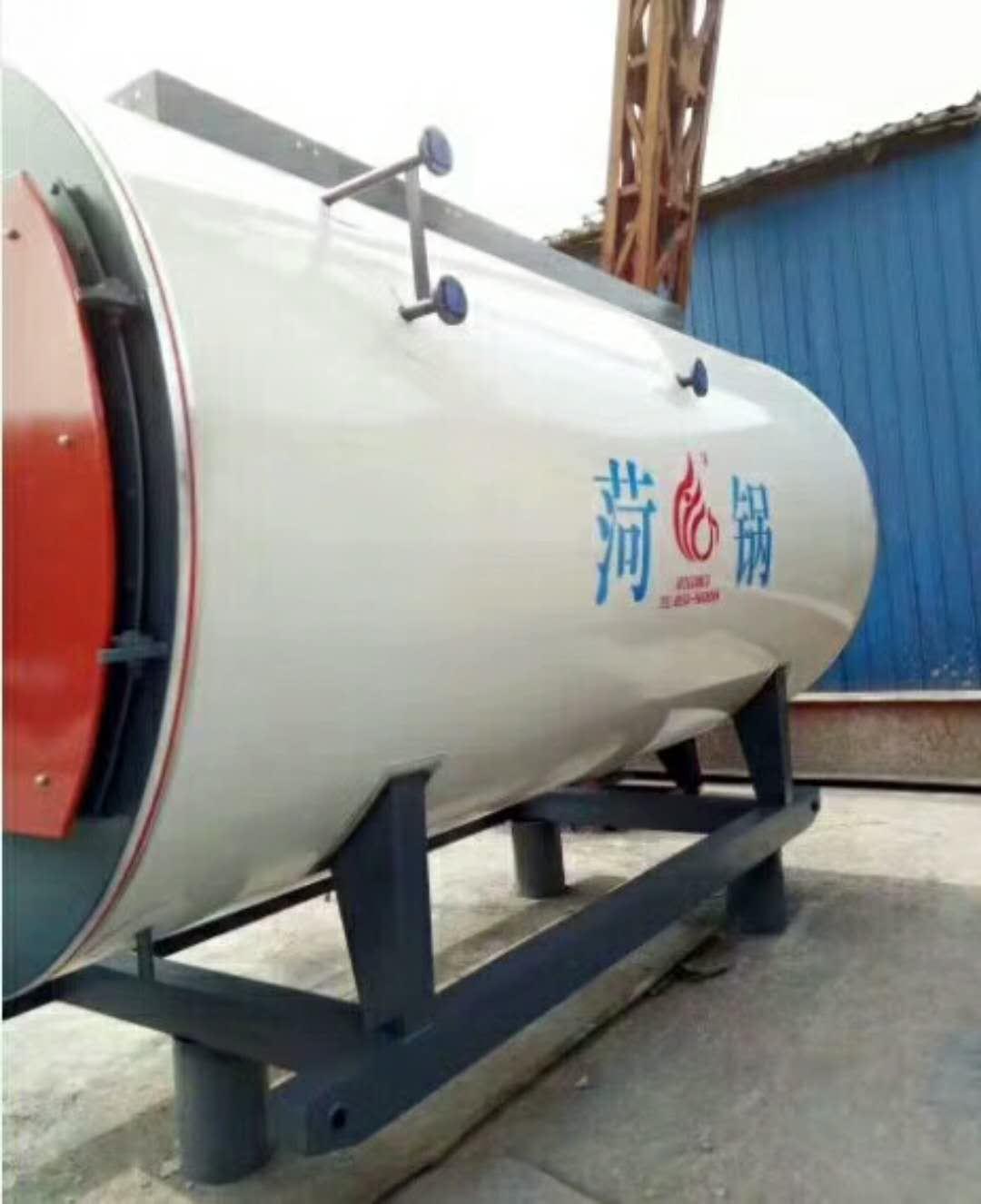
One of the common drawbacks of pressure vessels during use is corrosion. Corrosion refers to the reaction between the metal surface and chemicals in the environment, leading to damage to the metal surface and thinning of the material. The following are common corrosion drawbacks of pressure vessels:
Pitting Corrosion: Pitting corrosion refers to localized pits or holes that appear on the surface of metal. This type of corrosion is usually caused by corrosive substances present in the local environment, such as acids, salts, etc.
Bacterial Corrosion: Bacterial corrosion is a phenomenon caused by microorganisms. These organisms can form biofilms inside pressure vessels and produce acidic substances, leading to corrosion of the metal surface.
Punch Corrosion: Punch corrosion refers to the phenomenon of penetrating corrosion on the surface of metal. This type of corrosion usually occurs due to the damage or defect of the protective layer on the metal surface, allowing corrosive substances to come into direct contact with the metal.
Stress Corrosion Cracking: Stress corrosion cracking occurs when a metal surface is simultaneously subjected to stress and a corrosive environment, leading to the formation and propagation of cracks. This type of corrosion is commonly found in pressure vessels under high stress and corrosive conditions.
Corrosion can lead to material thinning and reduced strength in pressure vessels, even causing serious consequences such as leaks or ruptures. Therefore, to address the corrosion issue in pressure vessels, the following measures should be taken:
Regularly inspect and evaluate the corrosion status of pressure vessels, including methods such as visual inspections and non-destructive testing.
Implement corrosion prevention measures such as coating protection, cathodic protection, and selecting appropriate materials to minimize the occurrence and progression of corrosion.
Regularly clean and maintain pressure vessels to remove dirt and impurities that may cause corrosion.
Comply with relevant safety standards and operational guidelines to ensure the safe and proper operation of pressure vessels.
For severely corroded pressure vessels, repair or replacement may be necessary to ensure their safety and reliability.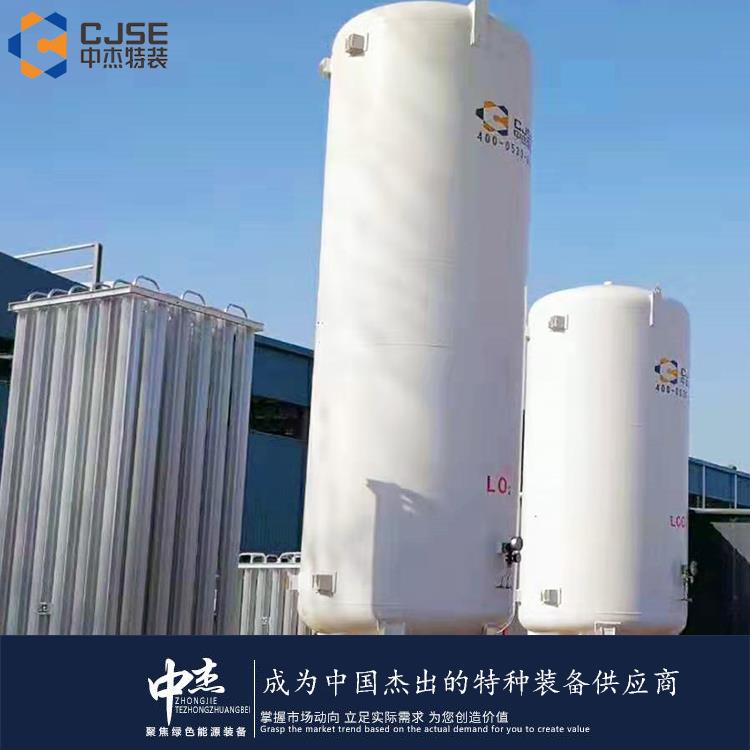
To ensure the quality of liquid oxygen storage tanks, the following measures can be taken:
选择可靠的供应商:选择有资质和经验的储罐制造商或供应商,确保其具备良好的声誉和可靠的质量管理体系。
Adhere strictly to relevant standards and regulations: The design, manufacturing, and installation of liquid oxygen tanks should comply with applicable standards and regulations, such as industry standards or.
Quality Control and Inspection: Strict quality control and inspections are conducted throughout the manufacturing process, including material inspection, process monitoring, and finished product testing. Ensure that the materials, welding, and sealing of the tanks meet the required standards.
A comprehensive quality management system: Establish and implement a comprehensive quality management system, including quality control plans, quality inspection records, and quality training, to ensure that every stage meets quality requirements.
Regular maintenance and inspection: Conduct regular maintenance and inspections on liquid oxygen tanks, including cleaning, coating protection, and corrosion prevention, to extend the tank's service life and maintain its optimal working condition.
Safety Operations and Management: Establish and implement safety operations and management systems, including proper use of storage tanks, operational procedures, and safety training, to ensure the safety and reliability of the tanks during use.
Regular inspections and evaluations: Conduct regular inspections and evaluations of liquid oxygen tanks, including visual inspections, pressure tests, leak detection, and as needed, non-destructive testing and material analysis, to ensure the tank's quality and safety.
By implementing these measures, the quality, reliability, and safety of the liquid oxygen storage tanks can be effectively ensured, meeting usage requirements and standards.
Zhongjie Special Equipment upholds the grand vision of "realizing employees' dreams, creating value for customers, and striving for the prosperity and strength of our motherland," and is dedicated to the development of the green energy equipment industry. We offer society high-quality products and services at competitive prices!
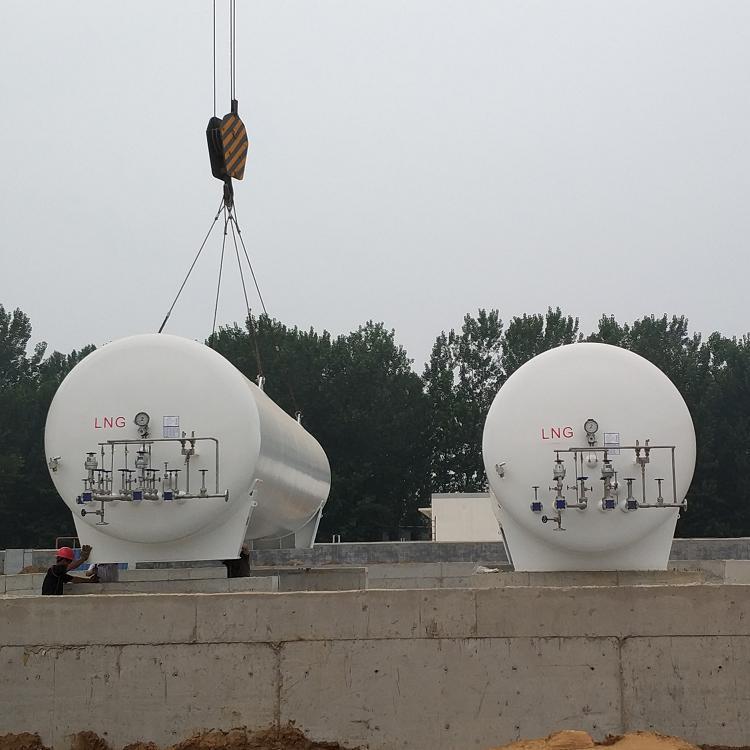
Nanyang Low Temperature Liquid Oxygen Storage Tank, On-Site Installation
