


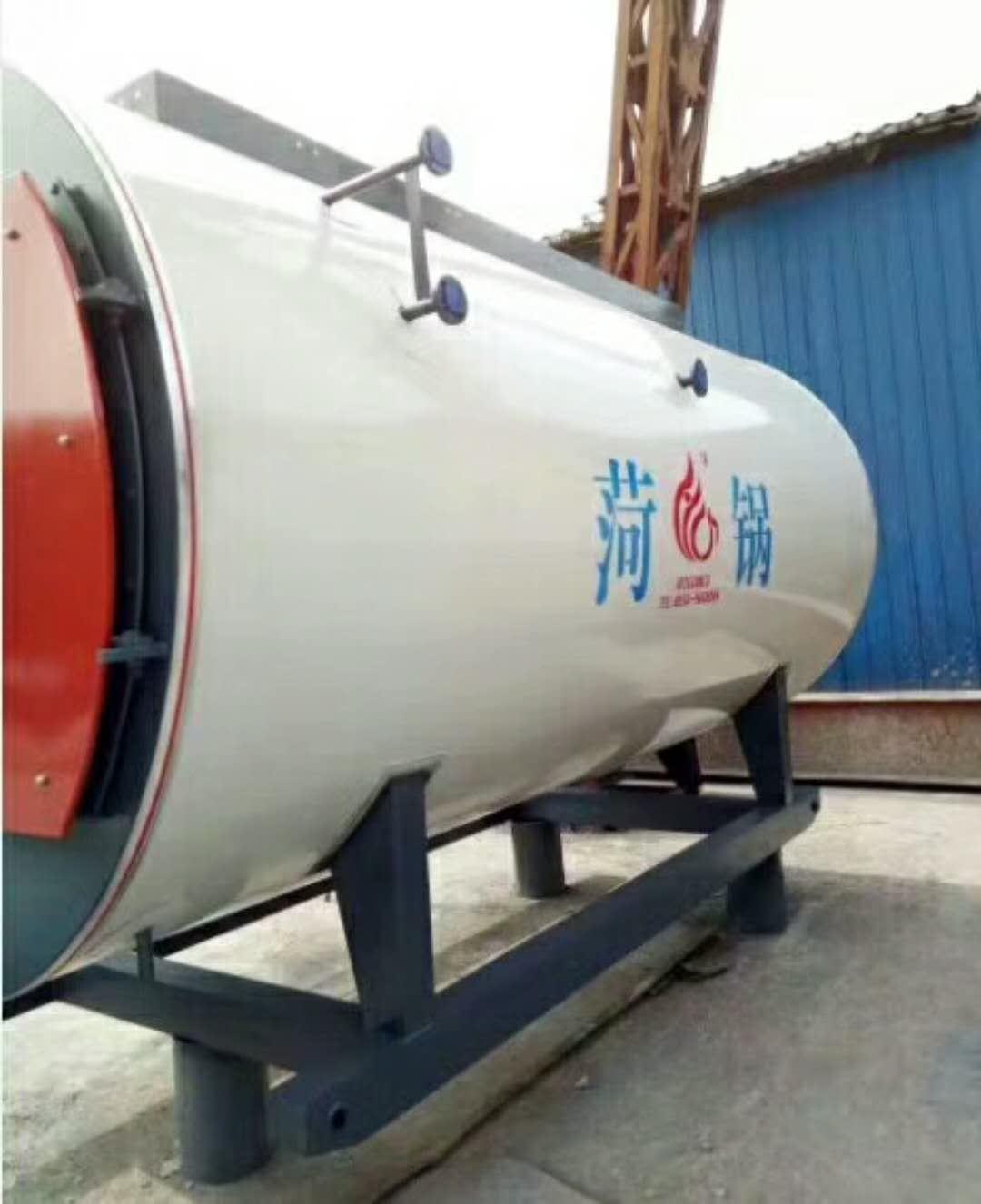
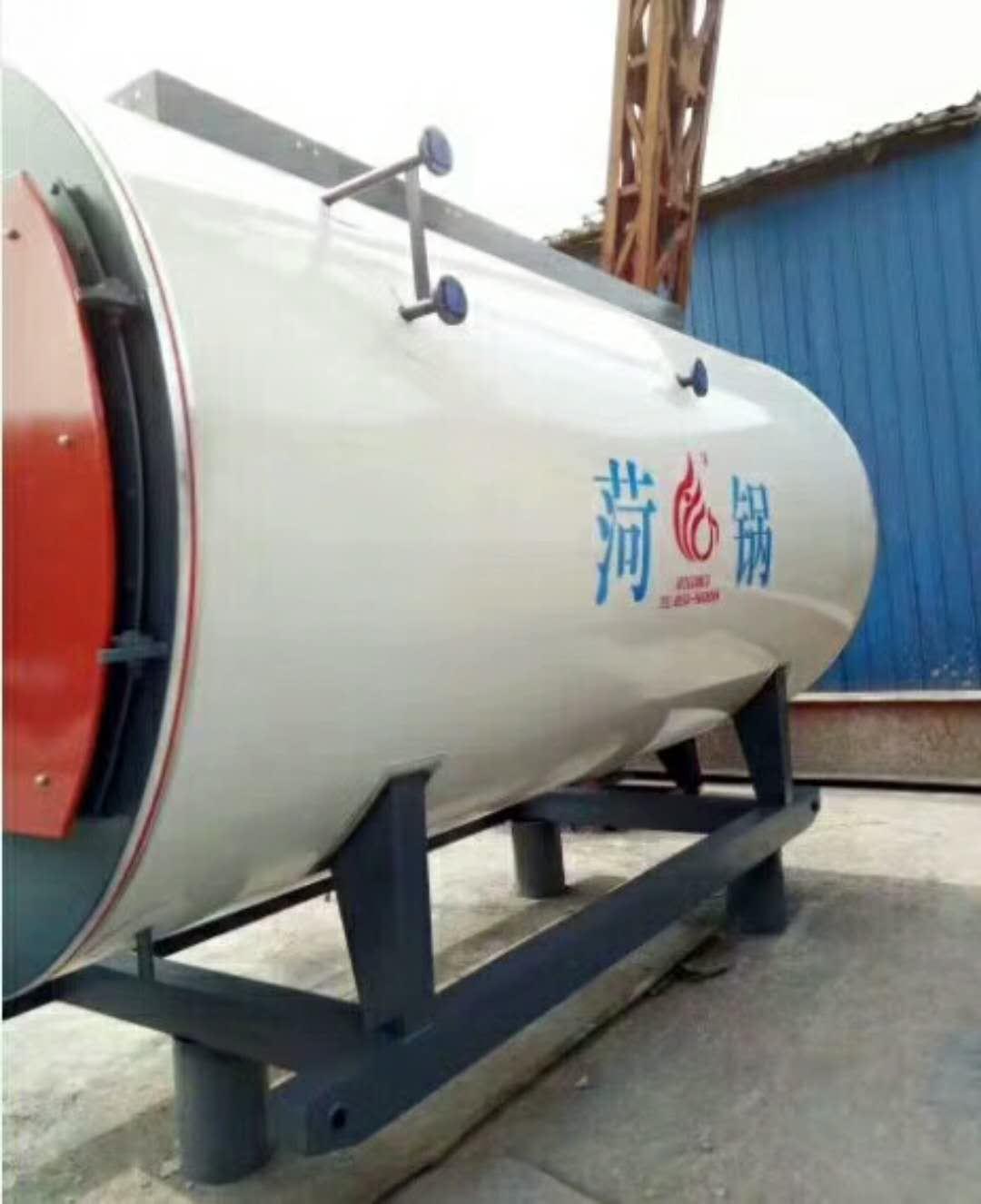
Shandong Zhongjie Special Equipment Co., Ltd. specializes in the following products: fuel (gas) boilers, organic heat carrier boilers, biomass boilers, waste heat boilers, and other boiler products; vacuum insulated cryogenic pressure vessels such as LNG tanks, oxygen/nitrogen/argon tanks, CO2 tanks; pressure vessel products including denitrification engineering equipment, heat storage and energy storage equipment, and complete chemical equipment sets; central air conditioning and ventilation equipment such as ground (water) source heat pumps, air source units, water-cooled screw units, and air-cooled modular units. Planned products include large-scale energy centers, LNG transport vehicles, LNG tank containers, and other green energy equipment.
Carbon Dioxide Applications in the New Energy Field
Carbon Capture and Storage (CCS): CCS is a technology that reduces carbon dioxide emissions by capturing CO2 from industrial sources and storing it in underground reservoirs, preventing it from entering the atmosphere. This aids in reducing greenhouse gas emissions and mitigating climate change.
Carbon Utilization: CO2 can be utilized to produce valuable chemicals and fuels. For instance, through CO2 catalytic conversion technology, CO2 can be transformed into fuels like ethanol, or chemical raw materials. This carbon utilization technique helps reduce dependence on traditional fossil fuels and promotes sustainable energy development.
Carbon Dioxide Batteries: Carbon Dioxide Batteries are a new type of battery technology that uses CO2 as the battery's electro material. By converting CO2 into electrical energy, these batteries serve as a sustainable energy storage solution, fostering the development of electric vehicles and renewable energy.
Carbon Dioxide Photocatalysis: CO2 Photocatalysis is a technology that utilizes solar energy to convert CO2 into useful chemicals. Using photocatalysts, CO2 and water can be transformed into combustible gases or organic compounds, thus realizing the resourceful utilization of CO2.
These applications aim to reduce CO2 emissions, enhance energy efficiency, and drive sustainable energy development. However, these technologies are still in continuous development and research, requiring further technical breakthroughs and practical validation.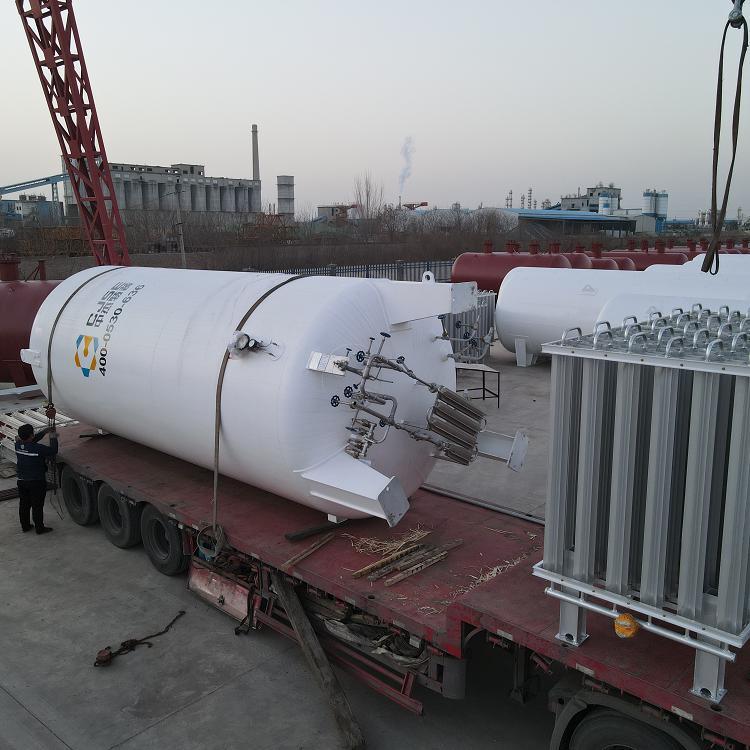
When using CO2 storage tanks, the following points should be noted:
- Safe Operation: When using CO2 storage tanks, it is mandatory to adhere to relevant safety operating procedures and standards. Operators should receive training to understand the tank's characteristics, operational requirements, and safety measures, and operate strictly according to the procedures.
- Tank Inspection: Regularly inspect the tank's appearance, seals, valves, and pipe connections to ensure the tank's integrity and safety. Any anomalies or damage should be repaired or replaced promptly.
- Tank Pressure Control: The tank's pressure must be maintained within a safe range. Regularly check and calibrate pressure sensors, safety valves, and ensure the proper operation of the pressure control system.
- Temperature Control: CO2 storage tanks typically require maintaining a low-temperature state. Ensure the proper functioning of cooling equipment, and regularly check and calibrate temperature sensors to maintain appropriate storage temperatures.
- Leak Prevention: CO2 is a gas prone to leakage, which can pose safety risks and environmental pollution. Ensure the tank and pipeline are sealed properly, and regularly inspect and replace seals to promptly address any leaks.
- Fire and Explosion Prevention: Avoid open flame operations near the tank to prevent fire sources from coming into contact with CO2. Maintain good ventilation around the tank to prevent CO2 accumulation.
- Waste Disposal: Dispose of discarded CO2 storage tanks or residues in accordance with relevant regulations. Comply with environmental protection requirements to ensure safe disposal and environmental protection.
- Regular Maintenance: Conduct regular maintenance and inspections of the tank, including cleaning and painting, to ensure proper operation.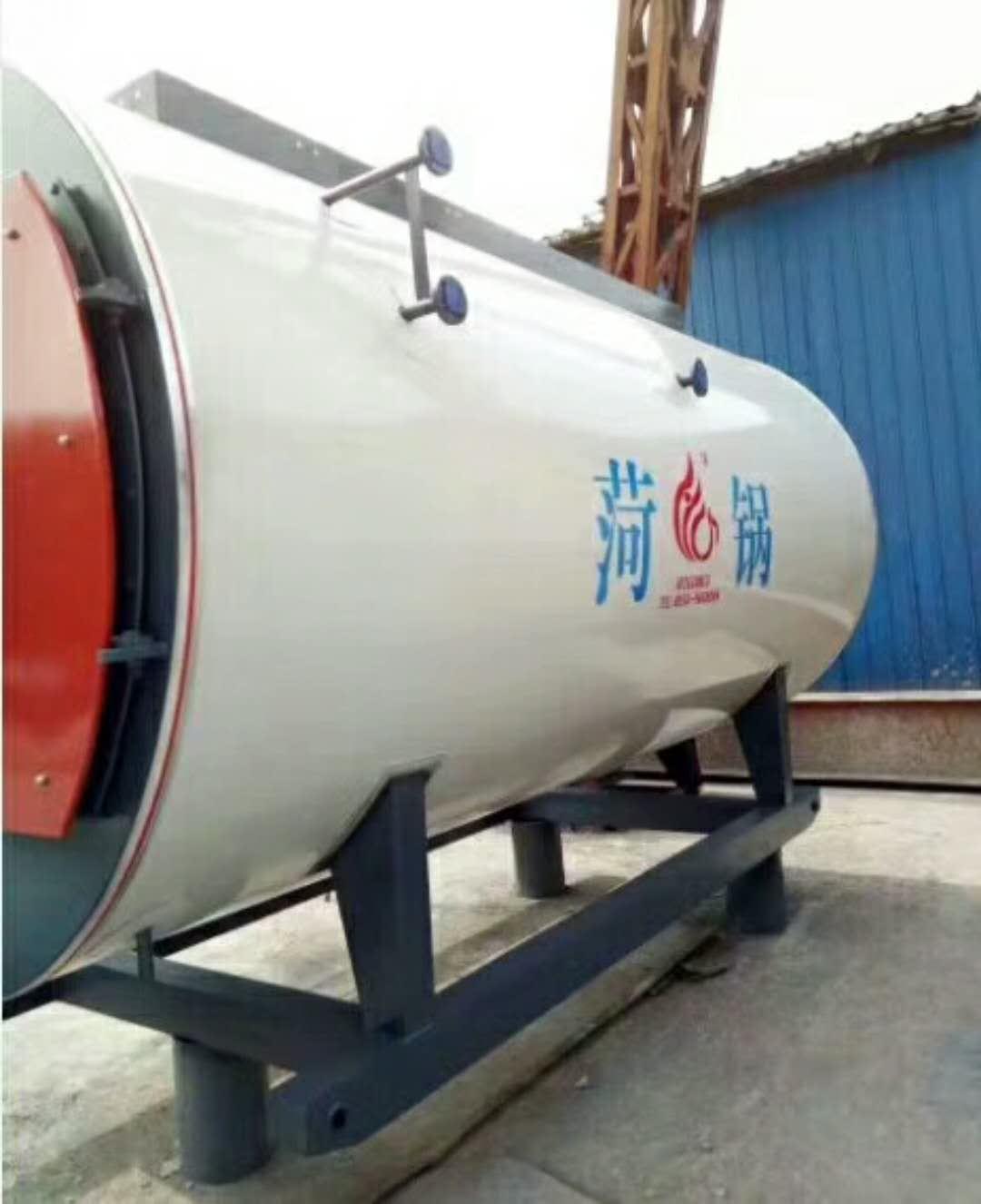
In recent years, the peak development of low-temperature liquid storage tanks can be attributed to the following factors:
1. Increasing energy demand: With economic growth and population expansion, the demand for energy has been rising. Low-temperature liquid storage tanks are primarily used for storing liquid gases (LNG), liquid oxygen (LOX), liquid nitrogen (LIN), and other low-temperature liquid energy sources to meet the growing energy needs.
2. Reduction of greenhouse gases: These tanks can store and transport liquid carbon dioxide (CO2) for carbon capture and storage (CCS) technologies, thereby reducing greenhouse gas emissions. As the focus on environmental protection and climate change grows, the demand for low-temperature liquid storage tanks in the CCS field has also increased accordingly.
3. Industrial development requirements: The application of low-temperature liquid storage tanks in the industrial sector is also on the rise. For example, in industries such as chemicals, pharmaceuticals, food and beverage, there is a need to store and transport low-temperature liquid raw materials or products, such as liquid nitrogen, liquid oxygen, and liquid ethylene. With the development of these industries, the demand for low-temperature liquid storage tanks has also increased accordingly.
4. Technological advancement and innovation: In recent years, there have been continuous advancements and innovations in the design, manufacturing, and transportation of low-temperature liquid storage tanks. The application of new materials, optimization of tank structures, and improvements in safety control systems have made these tanks safer and more reliable, further propelling their peak development.
In summary, factors such as increasing energy demand, the reduction of greenhouse gases, industrial development requirements, and technological advancement and innovation have collectively driven the peak development of low-temperature liquid storage tanks in recent years. As related industries develop and technology progresses,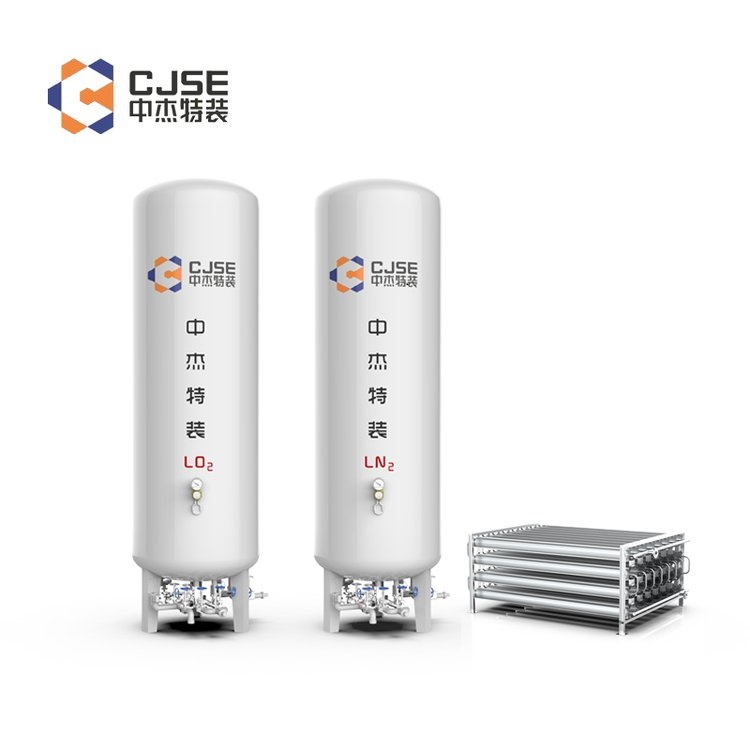
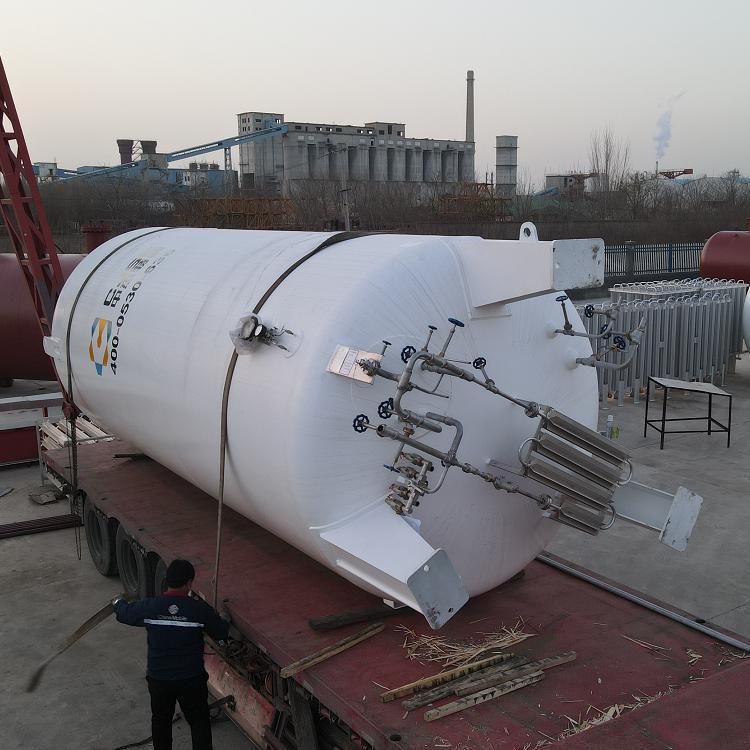
Low-temperature CO2 storage tanks are equipment used for storing and transporting low-temperature liquid CO2. Here are some key points about low-temperature CO2 storage tanks: Tank Structure: These tanks typically feature a double-walled design, with the inner wall for storing liquid CO2 and the outer wall for insulation. The interior is usually made of stainless steel or aluminum alloy, offering excellent corrosion resistance. Storage Temperature: The storage temperature for low-temperature CO2 tanks usually ranges from -40°C to -196°C, depending on specific application requirements. Temperature control is crucial for maintaining the stability and safety of the liquid CO2. Storage Capacity: The capacity of low-temperature CO2 storage tanks can be selected based on actual needs, typically ranging from a few thousand to several tens of thousands of liters. The capacity choice should consider storage requirements, supply frequency, and spatial constraints. Safety Protection: Low-temperature CO2 storage tanks require safety protection devices such as pressure relief valves, pressure sensors, and temperature sensors to ensure internal pressure and temperature remain within safe limits. Transportation: These tanks can be transported via road, rail, or ship. Proper insulation measures must be taken during transportation to maintain the low-temperature state of the liquid CO2 inside. Safe Operation: The operation of low-temperature CO2 storage tanks requires training and adherence to safety operating procedures. Operators should be familiar with the tank's characteristics and safety considerations to ensure safe and effective operation. Regular Inspection and Maintenance: Regular inspections and maintenance are necessary for low-temperature CO2 storage tanks, including visual inspections, valve and pipeline checks, and pressure relief device checks. Regular maintenance ensures the tank operates normally and safely. The above information covers some key aspects of low-temperature CO2 storage tanks. When using and operating these tanks, it is essential to follow relevant safety regulations and standards, and consult with experts to ensure safety and effectiveness.
Our company highly values technological innovation and R&D, boasting one city-level technical center in Heze City. We have established testing facilities for non-destructive testing, physical and chemical testing, welding testing, hydrostatic testing, etc., and are equipped with over 600 pieces of various instruments and equipment, including CNC machine tools, X-ray flaw detectors, digital ultrasonic flaw detectors, mechanical property testing machines, chemical analyzers, spectrometers, tensile testing machines, plasma welding machines, and more. The key products we have developed, such as welding of temperature and pressure vessels, biomass boiler emissions reduction, and waste heat utilization, have successively been included in multiple Shandong Provincial Department of Industry and Information Technology innovation projects, Shandong key projects, and Heze City innovation and excellence projects. We have accumulated a total of 27 authorized utility models, 16 authorized inventions, participated in drafting 2 standards, 2 industry standards, and registered 15 trademarks. The technical team of our company, in collaboration with Professor Yajiang Li of Shandong University, has jointly developed deep cryogenic container processing technology, utilizing the internationally recognized plasma arc + wire filling argon arc welding (PAW-GTAW) technology. The provincial-level scientific and technological achievement evaluation has confirmed that the technology level in deep cryogenic container manufacturing has reached an international standard. Choose Zhongjie Special Equipment, let's join hands to create brilliance!
Liaoyang 100 cubic CO2 storage tank, made of 304 stainless steel
