


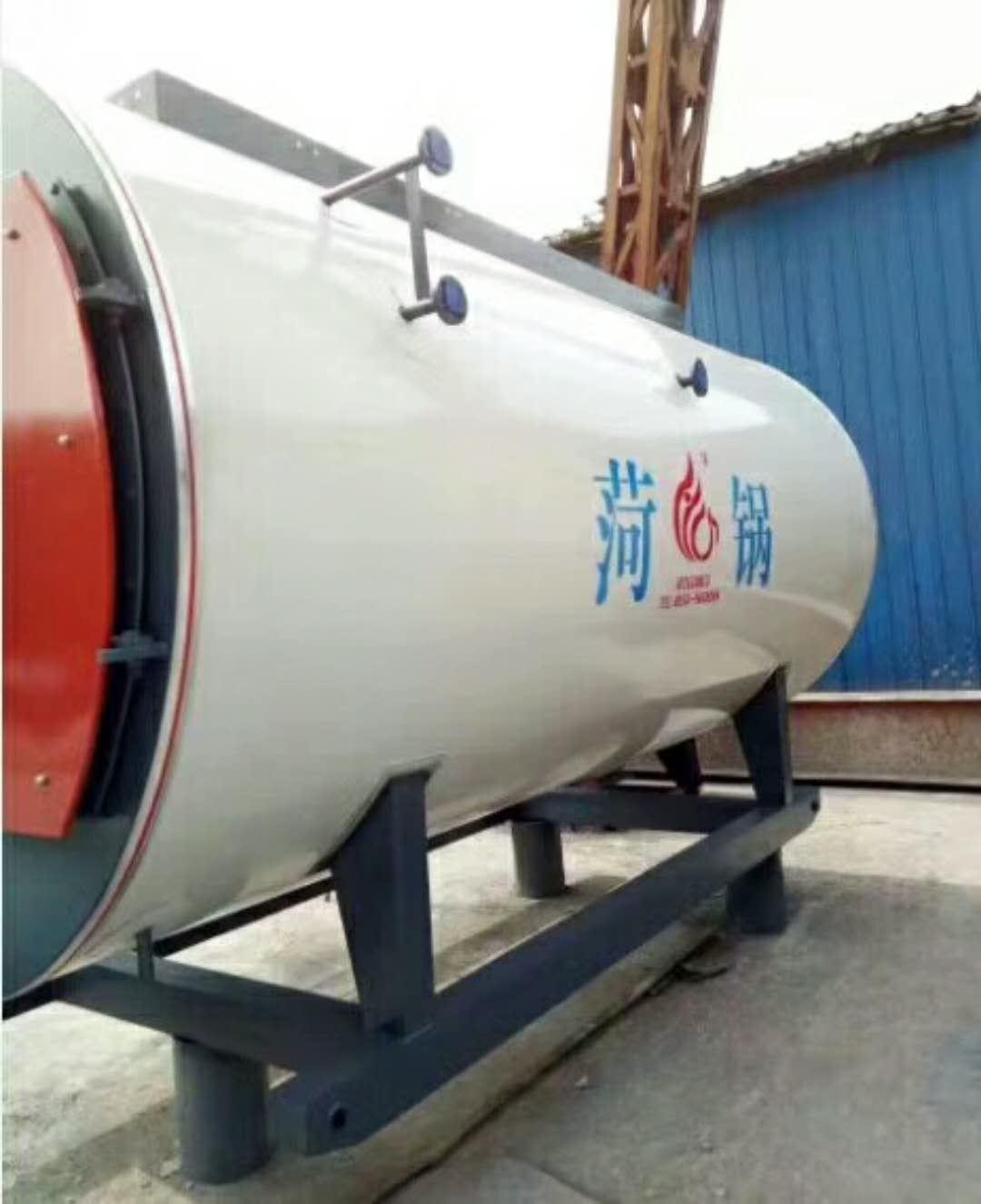
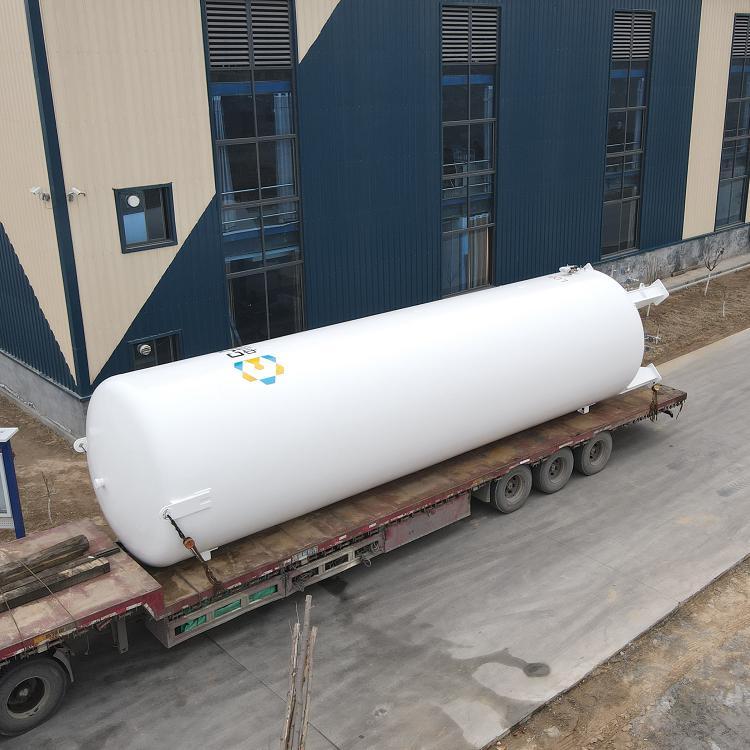
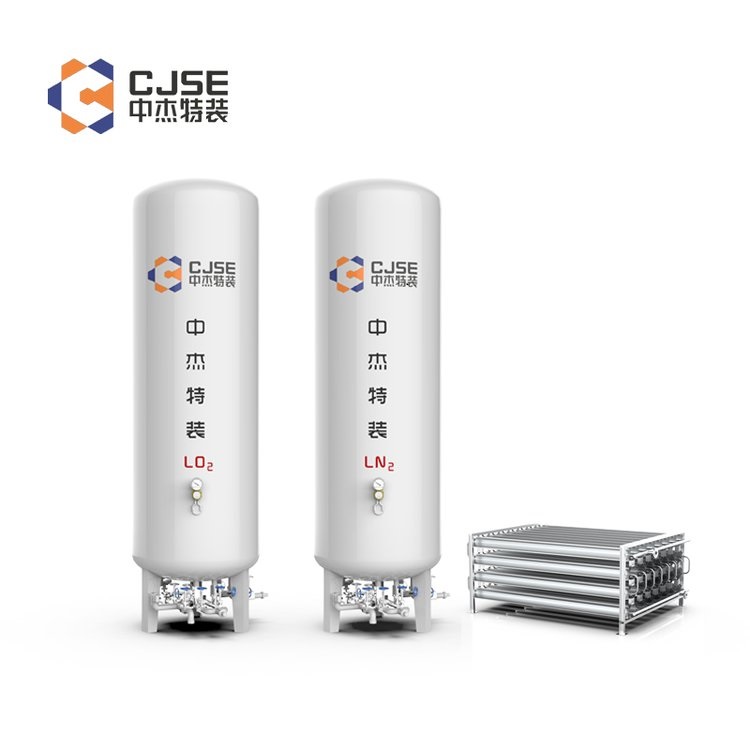
Shandong Zhongjie Special Equipment's main products include: fuel (gas) boilers, organic heat carrier boilers, biomass boilers, waste heat boilers, and other boiler products; vacuum insulation cryogenic pressure vessels such as LNG tanks, oxygen/nitrogen/argon tanks, and CO2 tanks; pressure vessel products such as denitrification engineering equipment, heat storage and energy storage equipment, and complete chemical equipment; central air conditioning and HVAC equipment such as ground (water) source heat pumps, air source units, water-cooled screw units, and air-cooled modular units. Planned products include large-scale energy centers, LNG transport vehicles, LNG tank containers, and other green energy equipment.
The working principle of carbon dioxide storage tanks involves the compression and liquefaction of carbon dioxide. Here is a brief description of the working principle of carbon dioxide storage tanks: Compression: Carbon dioxide gas is first compressed to a higher pressure by a compressor. This process compresses the gas into a high-pressure state, enabling it to be converted into a liquid. Cooling: The compressed carbon dioxide gas enters a cooler, where it is rapidly cooled through a cooling agent or system within the cooler. This process cools the gas below its boiling point, converting it into a liquid. Storage: The cooled carbon dioxide liquid is stored in sealed tanks, which typically have insulating layers to reduce the evaporation of liquid carbon dioxide and maintain a low temperature. The internal pressure of the tank is maintained within a certain range to ensure stable storage of the liquid carbon dioxide. Supply: When carbon dioxide is needed, it can be extracted from the tank through valves and piping systems. By controlling the opening and flow of the valves, liquid carbon dioxide can be supplied to the required equipment or system. It should be noted that the working principle of carbon dioxide storage tanks may vary depending on specific design and manufacturing. When using carbon dioxide storage tanks, follow the operation manual and safety guidelines, and cooperate with local regulatory authorities and personnel to ensure the safety and reliability of the tank.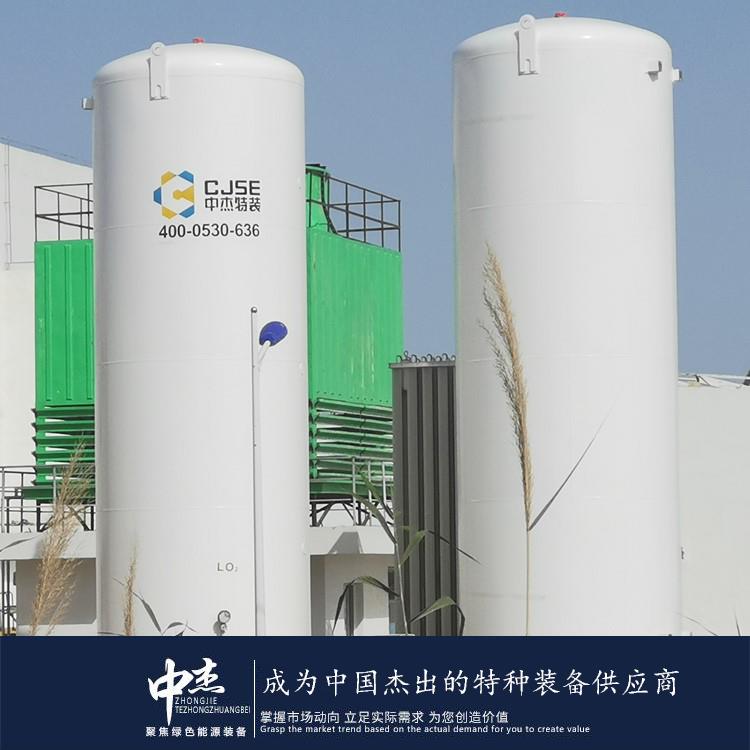
Routine inspections and maintenance of CO2 storage tanks can be conducted following these steps:
- External Inspection: Check for any visible damage, corrosion, or oil leakage on the tank's exterior. Pay attention to any abnormalities in the tank shell, valves, and pipe connections.
- Internal Inspection: If access to the interior is permitted, conduct an internal inspection. Look for corrosion, scaling, or blockages in the lining, valves, and pipes.
- Valve and Pipe Inspection: Verify that the tank's inlet and outlet valves and pipe connections are functioning normally, with no leaks or loose fittings. Ensure valves operate smoothly and reliably.
- Pressure Relief Device Inspection: Check that the tank's pressure relief devices (such as safety valves) are functioning correctly. Confirm that the set pressure of the relief devices meets requirements.
- Measurement and Control System Inspection: Ensure the tank's level, pressure, and temperature measurement and control systems are operating properly. Calibrate and test the accuracy of measuring equipment.
- Cleaning and Draining: Regularly clean the interior of the tank, removing accumulated impurities and sediments. Also, periodically drain the tank to remove liquid and gas impurities.
- Maintenance and Repair: Perform necessary maintenance and repair work based on inspection results. Repair damaged components, replace worn seals, etc., to ensure the tank operates normally.
- Documentation and Reporting: Record the inspection and maintenance process, including the inspection date, contents, identified issues, and measures taken. Submit inspection reports to relevant departments or management as needed.
These are general steps for routine inspections and maintenance of CO2 storage tanks. Specific operations should be tailored to the tank's characteristics and requirements. When conducting inspections and maintenance, follow relevant safety operating procedures and have personnel perform the operations.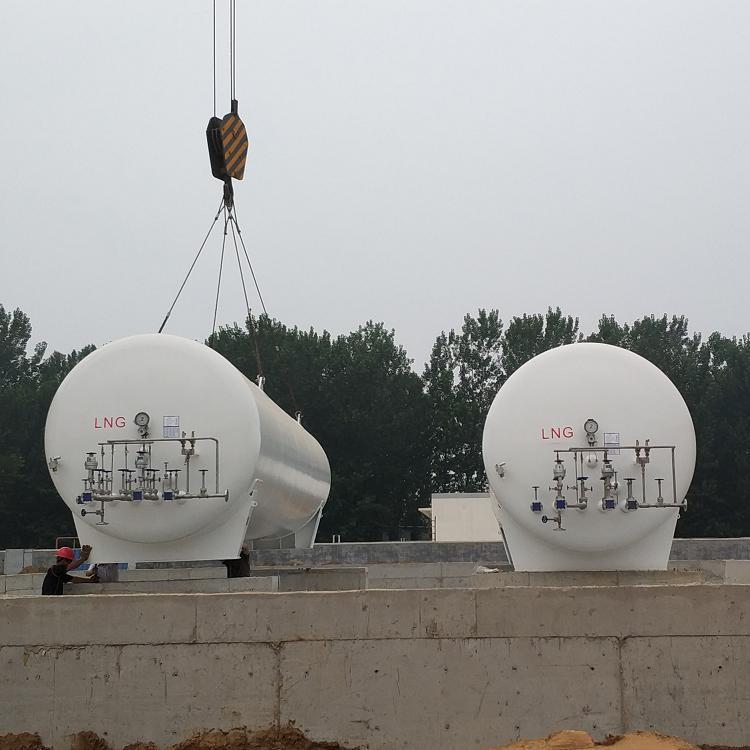
The safe operation of low-temperature CO2 storage tanks is crucial and primarily includes the following aspects: Design and Manufacturing: The tank's design and construction must comply with relevant standards and regulations to ensure they can withstand working conditions under low temperatures and high pressures. The tank should possess adequate strength and sealing performance to prevent leaks and ruptures. Safety Valves and Pressure Control: The tank should be equipped with safety valves and pressure control devices to ensure internal pressure remains within safe limits. Safety valves should be regularly inspected and tested to ensure proper functioning. Temperature Control: Effective temperature control is necessary for low-temperature CO2 storage tanks to prevent freezing or embrittlement due to excessively low temperatures. Appropriate insulation materials and equipment should be used to maintain the tank and pipeline temperatures within safe ranges. Leak Detection and Alarm: The tank should be fitted with leak detection equipment and an alarm system, along with corresponding monitoring devices. These devices can promptly detect leaks and trigger alarms for appropriate action. Safe Operation and Training: Operators should receive relevant training to understand the safe operation procedures and standards for low-temperature CO2 storage tanks. Operators should be familiar with the tank's characteristics, working principles, and emergency response measures. Regular Inspection and Maintenance: Tanks should be regularly inspected and maintained, including visual inspections, anti-corrosion coating maintenance, and leak detection. Regular inspections can identify potential issues early and allow for appropriate repair measures. Emergency Preparedness: Establish an emergency response plan and equip with appropriate firefighting and first-aid equipment. Operators should be familiar with emergency procedures and able to respond swiftly to emergencies. Please note that the above key points are general recommendations. Specific safe operation should be based on the design and usage requirements of the low-temperature CO2 storage tank. It is recommended to refer to relevant safety operation manuals and guidelines before using the tank to ensure operational safety.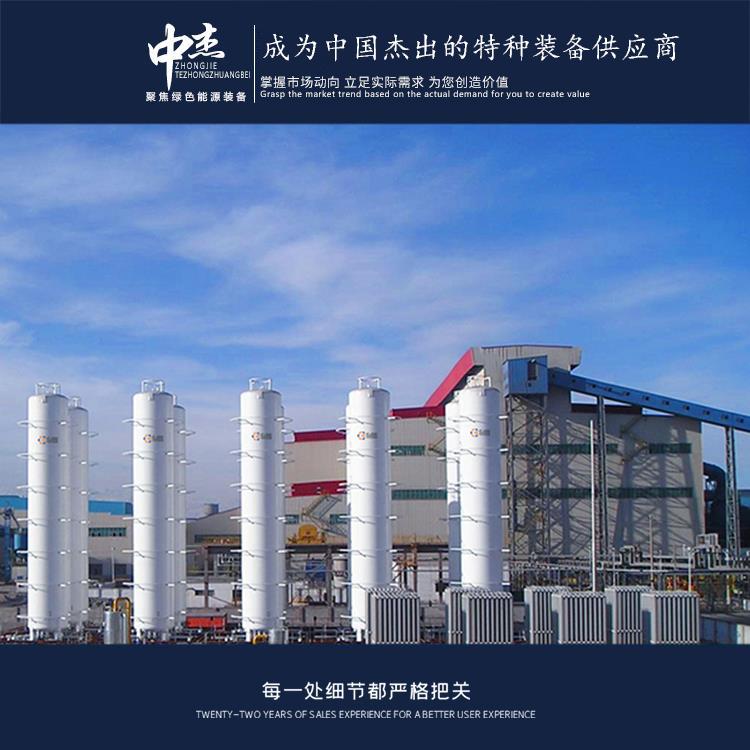
The primary reason for pre-cooling a CO2 storage tank before use is to ensure that the CO2 inside remains in a liquid state and maintains a stable temperature during storage and supply. The pre-cooling process typically involves the following steps:
1. Tank Cooling: Before the tank is put into operation, the internal temperature of the tank must be cooled to a sufficiently low level to convert the CO2 from a gas to a liquid. This can be achieved by injecting a cooling medium (such as liquid nitrogen) into the tank or by using an external cooling unit.
2. Tank Pre-filling: After the tank is cooled, liquid CO2 must be pre-filled into the tank to fill it and maintain a certain pressure. The purpose of pre-filling is to provide an adequate supply of CO2 during storage and supply, while keeping the tank pressure stable.
By pre-cooling, the liquid state of the CO2 inside the tank is ensured, preventing premature evaporation and energy loss. Additionally, pre-cooling helps to lower the tank temperature in advance, reducing CO2 evaporation and pressure fluctuations, thereby improving the tank's operational efficiency and safety.
It should be noted that the specific methods and requirements for pre-cooling may vary depending on the tank design and application. When conducting pre-cooling operations, it is necessary to follow relevant safety operation procedures and standards to ensure the safety and effectiveness of the operation.
Our company attaches great importance to technological innovation and research and development. We have one municipal-level enterprise technology center in Heze City, equipped with testing facilities for non-destructive testing, physical and chemical testing, welding testing, hydrostatic testing, etc. We have over 600 types of equipment, including CNC machine tools, X-ray flaw detectors, digital ultrasonic flaw detectors, mechanical property testing machines, chemical analyzers, spectrometers, tensile testing machines, plasma welding machines, and more. The key products we have developed, such as temperature and pressure vessel welding, biomass boiler emission reduction, and waste heat utilization, have successively been selected for multiple Shandong Provincial Department of Industry and Information Technology science and technology projects, Shandong Provincial key projects, and Heze City innovative and excellent projects. We have accumulated 27 authorized utility models, 16 authorized inventions, participated in drafting 2 standards, 2 industry standards, and registered 15 trademarks. Our technical team, in collaboration with Professor Li Yajiang of Shandong University, has developed deep cryogenic container processing technology using the international plasma arc + filler wire argon arc welding (PAW-GTAW) technique. This technology has been appraised as reaching international standards in the field of deep cryogenic container manufacturing at the provincial level. Choose Zhongjietech, and let's create brilliance together!
Xiangtan 60 Cubic Meters Carbon Dioxide Storage Tank, Manufacturer Direct
