


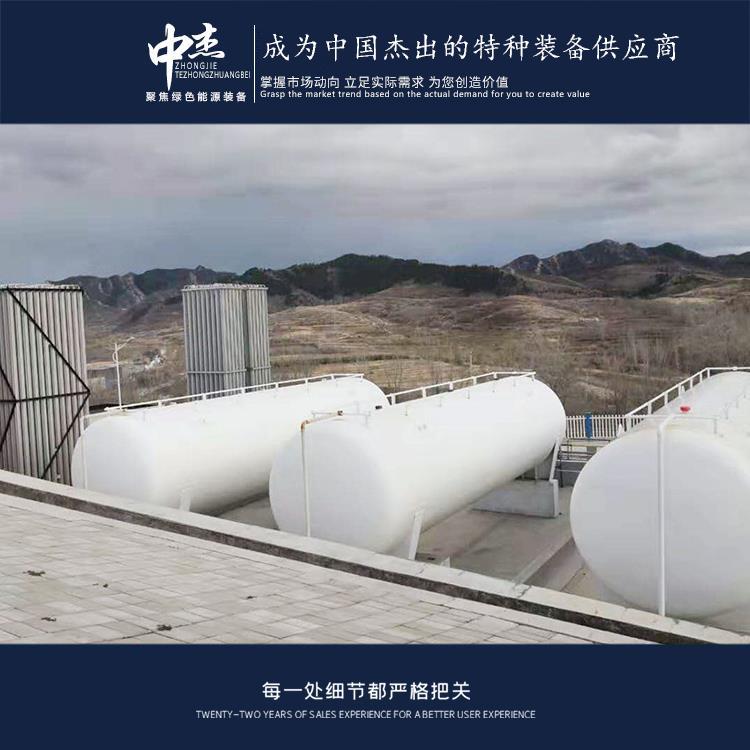

Shandong Zhongjie Special Equipment (formerly Heze Boiler Factory Co., Ltd.) holds an A-grade boiler manufacturing license, an A2-grade pressure vessel manufacturing license, an A2-grade pressure vessel design license, B-grade boiler installation, and GB2 and GC2-grade pressure pipeline installation licenses, as well as an equipment and machinery installation contracting qualification. It is a member of the China Boiler and Water Treatment Association, the China Chemical Equipment Association, and the council member of the Shandong Equipment Manufacturing Association, and has passed the ISO9001 Quality Management System, ISO14001 Environmental Management System, OHSAS18001 Occupational Health and Safety Management System certifications, and the American ASME/U2 certification.
The low-temperature storage tank boasts several advantages:
Storage: Low-temperature storage tanks can maintain liquefied low-temperature substances (such as liquid nitrogen, liquid oxygen, etc.) at low temperatures, preserving their liquid state. Compared to gas storage, liquid storage significantly increases storage density and saves space.
Long-term Storage: Low-temperature storage tanks are designed for long-term storage of cryogenic materials, extending their service life. By controlling the tank's internal temperature and the performance of the insulation layer, the evaporation and oxidation of the liquid material can be slowed down, maintaining its stability and purity.
Safety: The low-temperature storage tank boasts excellent safety performance. The tank is made with special materials and structural design, capable of withstanding low temperatures and high pressures. Additionally, the tank is equipped with safety devices such as pressure relief valves and level alarms, ensuring safe operation and use.
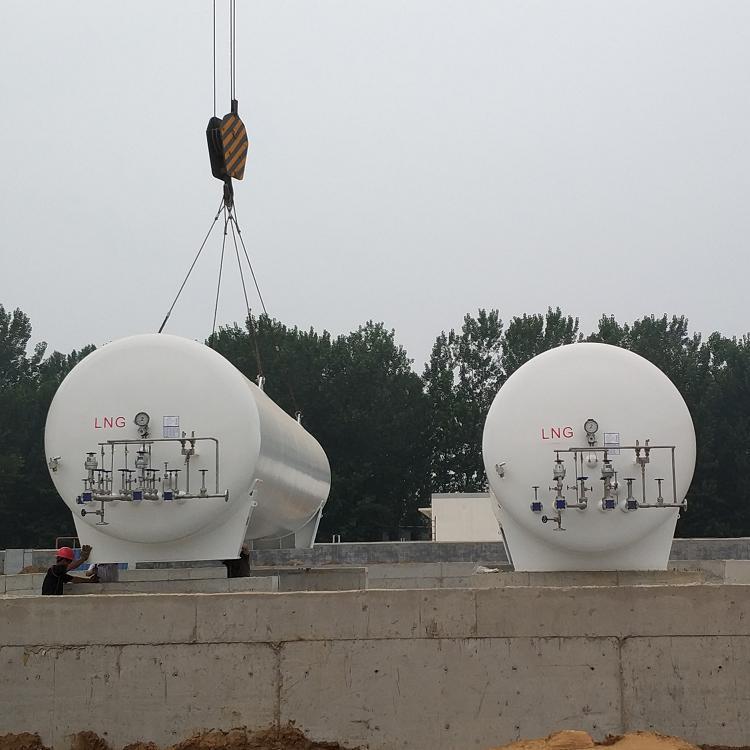
Wide Applications in Multiple Fields: Low-temperature storage tanks are extensively used in various industries. They can be utilized for storing liquid oxygen and providing oxygen supply; in industrial sectors, they are used for storing liquefied natural gas (LNG) and other process gases like liquid nitrogen; in scientific research, they are employed for storing low-temperature experimental samples.
Environmental Protection and Energy Saving: Low-temperature storage tanks enable effective storage and utilization of low-temperature materials, reducing energy waste and environmental pollution. During the storage and transportation of liquid substances, energy loss is minimized, improving energy utilization efficiency.
In summary, low-temperature storage tanks offer advantages such as storage, long-term storage, safety, multi-field applications, and environmental protection and energy conservation. This makes them a crucial equipment for storing and supplying low-temperature materials, playing a vital role in various fields.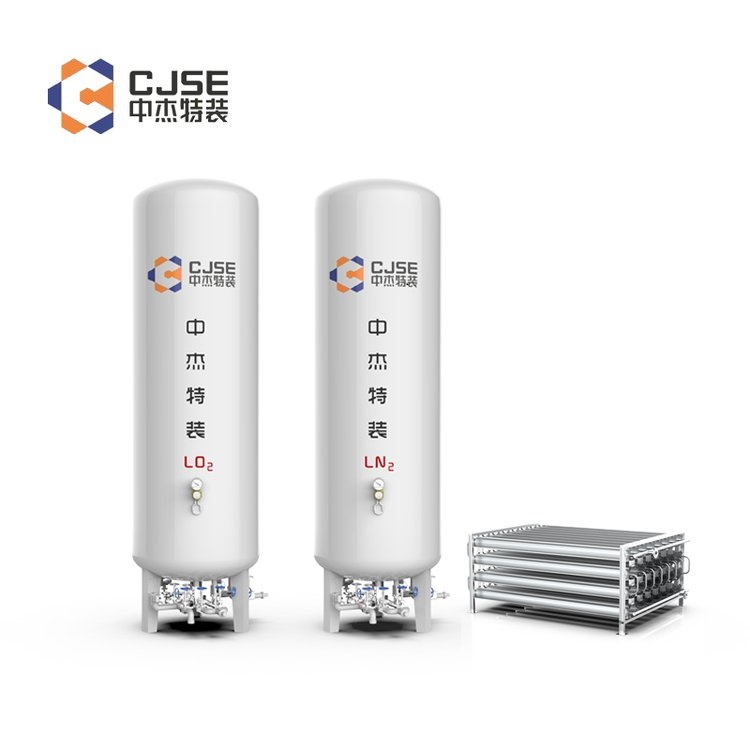
During the operation of low-temperature storage tanks, it is indeed necessary to avoid the occurrence of wrinkling. Wrinkling refers to the phenomenon where the tank wall develops creases or deformations, which may lead to a decrease in the structural strength of the tank and could even cause leaks or ruptures.
Here are some precautions to avoid tank squeezing in low-temperature storage:
Tank Design: Select an appropriate tank design that can withstand the pressure and weight of low-temperature liquids. The tank's wall thickness and support structure should comply with relevant standards and specifications.
Material Selection: Choose materials suitable for low-temperature environments with adequate strength and low-temperature resistance. Common materials include low-temperature steel, stainless steel, etc.
Insulation Layer for Storage Tanks: The design and construction of the insulation layer must meet requirements to ensure effective reduction of heat conduction and temperature variation. The material and thickness of the insulation layer should be selected based on specific conditions.
Tank Operation: During the loading and unloading of liquids in the tank, it is essential to avoid rapid or excessive flow rates to minimize impact and stress concentration on the tank walls.
Tank Maintenance: Regularly inspect and maintain the structure and insulation of the storage tank to ensure its integrity. Any abnormalities or damages should be promptly repaired or replaced.
Temperature Control: During the operation of low-temperature liquid storage tanks, it is crucial to strictly control the temperature difference between the inside and outside of the tank to avoid excessive temperature fluctuations and thermal stress.
In summary, preventing the crush of low-temperature storage tanks hinges on rational design, material selection, proper installation and maintenance of the insulation layer, and strict control of temperature variations. Regular inspections and maintenance are also crucial measures to ensure the safe operation of the tanks.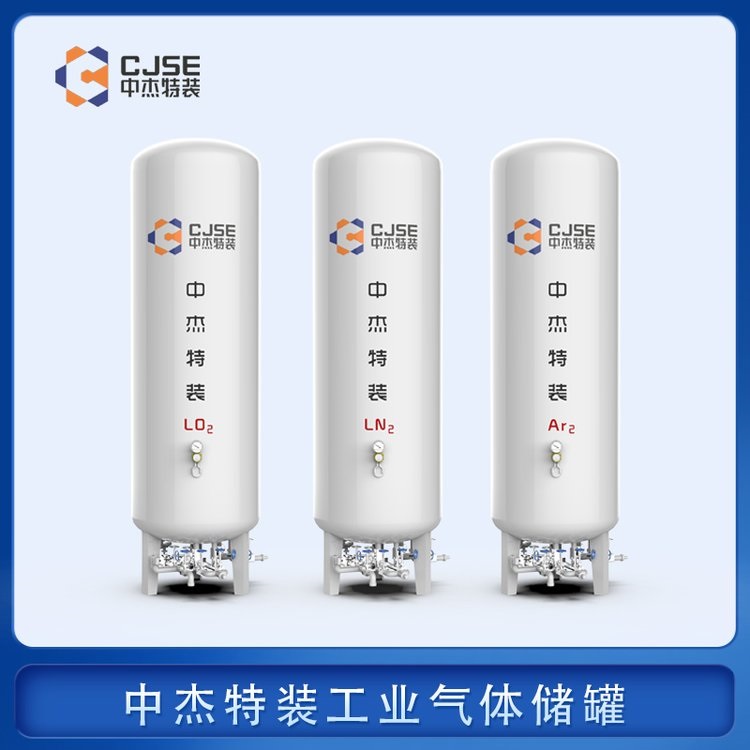
When selecting the support for a liquid argon tank, consider the following factors:
Load Capacity: The bracket must be capable of supporting the weight of the liquid argon tank. Select a bracket with adequate load capacity based on the tank's volume and dimensions. Typically, the weight of the liquid argon tank is specified in the design specifications, which can be used to determine the bracket's load-bearing capacity.
Stability: The support must provide adequate stability to ensure that the tank does not tilt or sway during use. The design of the support should take into account the center of gravity location and changes in the tank's center of gravity to provide stable support.
Corrosion Resistance: Liquid argon has low temperature and corrosive properties. The support material should have excellent corrosion resistance to prevent corrosion and damage. Common support materials include stainless steel, aluminum alloy, etc.
Insulation: Liquid argon storage tanks generally require thermal insulation, with the supports needing to possess certain insulation properties to reduce heat transfer and the evaporation of liquid argon. The design of the supports should consider the installation and protection of the insulation layer.
Installation and Maintenance: The bracket should feature ease of installation and maintenance to facilitate the installation of the tank and routine maintenance tasks.
When selecting the support for a liquid argon tank, it's advisable to consult with engineers or suppliers. Choose the appropriate support based on the specific tank requirements and usage environment. At the same time, adhere to relevant design specifications and safety standards to ensure the quality and reliability of the support.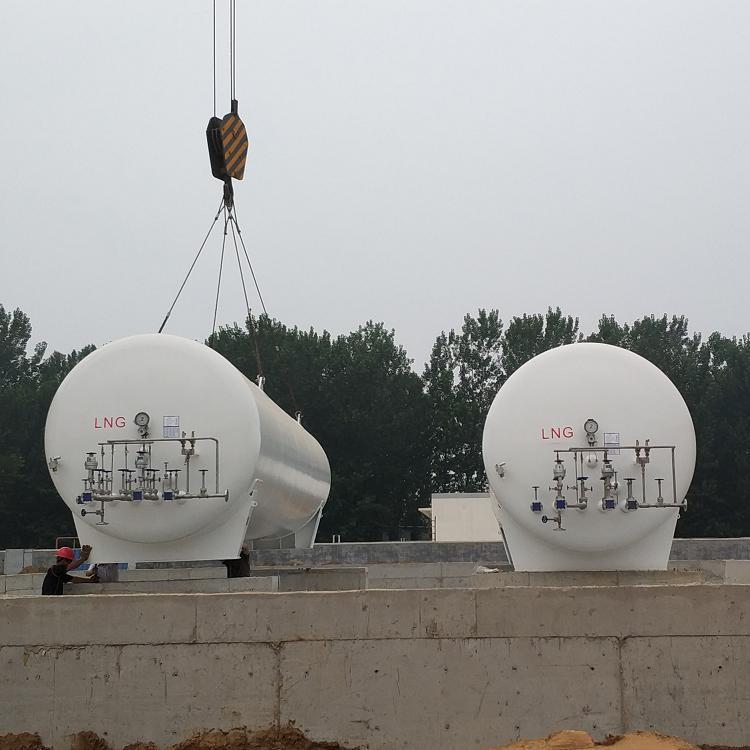
Safety guidelines for the operation and transportation of liquid oxygen tanks include the following points:
Safety Usage Methods:
Tank Selection: Choose liquid oxygen tanks that comply with regulations and standards, ensuring their quality and safety performance.
Tank Installation: Tanks should be installed on a sturdy foundation to ensure stability. Additionally, the area around the tank should be well-ventilated and kept away from flammable materials and heat sources.
Seal Integrity Inspection: Regularly inspect the tank's sealing performance to ensure there are no leaks at valve and pipe connections.
Pressure Control: Tanks should be equipped with pressure gauges and safety valves, with regular inspections and maintenance to ensure pressure remains within safe limits.
Fire Prevention Measures: Liquid oxygen contains a high oxygen content and is highly flammable. Establish fire barriers around the storage tanks, prohibit smoking and open flames, and ensure safety.
Static protection: During the transportation and use of liquid oxygen, static electricity may cause sparks, increasing the risk of fire. Measures such as using static-conductive materials and anti-static equipment should be taken to reduce the accumulation and release of static electricity.
Shipping Precautions:
Transportation Tool Selection: Choose transportation vehicles that meet the requirements for liquid oxygen transport, ensuring their safety and密封ness.
Loading and Unloading: During the transportation of liquid oxygen, appropriate loading and unloading procedures should be adopted.
Shandong Zhongjie Special Equipment, welcome clients to our factory for business talks.
Heilongjiang Liquid Argon Storage Tank - Comprehensive After-Sales Support
