


Shandong Zhongjie Special Equipment's main products include: fuel (gas) boilers, organic heat carrier boilers, biomass boilers, waste heat boilers, and other boiler products; vacuum insulation cryogenic pressure vessels such as LNG tanks, oxygen/nitrogen/argon tanks, CO2 tanks; pressure vessel products like denitrification engineering equipment, heat storage and energy storage equipment, complete chemical equipment sets; central air conditioning and HVAC equipment such as ground (water) source heat pumps, air source units, water-cooled screw units, and air-cooled modular units. Planned products include large-scale energy centers, LNG transport vehicles, LNG tank containers, and other green energy equipment.
Liquid nitrogen storage tanks are used for storing and transporting liquid nitrogen. To ensure safe operation, here are some common operational safety procedures for liquid nitrogen storage tanks:
Tank Installation: Tanks should be installed on a sturdy and level foundation, away from fire sources and flammable materials. Good ventilation around the tank is required to prevent gas accumulation. Adequate safety distances should be maintained between the tank and other equipment and buildings.
Liquid Nitrogen Filling: When filling with liquid nitrogen, appropriate liquid nitrogen transfer equipment should be used to avoid direct contact. During the filling process, attention should be given to controlling the flow and pressure of liquid nitrogen to prevent over-filling and excessive tank pressure.
Tank Pressure Control: Tanks should be equipped with pressure control devices to ensure internal pressure remains within safe limits. Regularly inspect and maintain these devices to ensure proper operation.
Leak Detection and Alarm Systems: Tanks should be equipped with leak detection and alarm systems to promptly identify and alert of any leakage. Regularly inspect and maintain the leak detection equipment to ensure proper functioning.
Fire and Explosion Prevention Measures: A fire-resistant isolation zone should be established around the storage tank, keeping it away from fire sources and flammable materials. The tank itself should be equipped with fire and explosion prevention measures, such as fire-resistant coatings and explosion-proof devices, to prevent fires and explosions.
Regular Inspections and Maintenance: Conduct regular checks of the tank's exterior, valves, and connections to ensure they are undamaged. Regularly perform leak detection and pressure tests to ensure the tank's safety performance meets requirements.
Safety Training and Awareness Enhancement: Conduct safety training for operators to enhance their awareness and ability in the safe operation of liquid nitrogen tanks. Regularly hold safety training and drills to prepare for emergencies.
Manage records and documents: Establish comprehensive management records and documentation, including the use of storage tanks, inspection logs, maintenance records, etc. Regularly review and update the management records to ensure safe management and maintenance of the storage tanks.
Note that the above are some common protection procedures, which may vary depending on the type of tank and application. When using liquid nitrogen tanks, operate according to relevant specifications and standards, and consult with experts to ensure safety and effectiveness.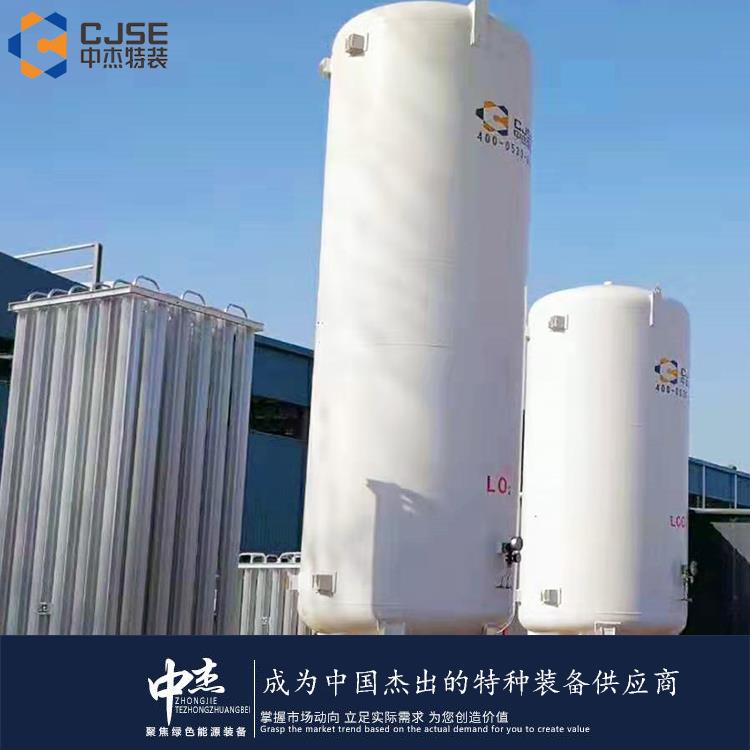
Low-temperature liquid storage tanks feature the following characteristics and advantages for use:
Features:
Low-Temperature Storage: Low-temperature liquid storage tanks can store low-temperature liquids (such as liquid nitrogen, liquid oxygen, etc.) at low temperatures, maintaining their liquid state. Liquid storage significantly enhances storage density, saving space.
Insulation: Low-temperature liquid storage tanks are equipped with special insulation materials and structural design, effectively reducing heat conduction and heat loss, maintaining a stable temperature for low-temperature liquids. This helps to minimize energy loss and liquid evaporation.
Safety: Low-temperature liquid storage tanks have excellent safety performance. The tanks are made of special materials and designed with a structure that can withstand low temperatures and high pressures. Additionally, the tanks are equipped with safety devices such as pressure relief valves and level alarms to ensure safe operation and use.
Utilization Advantages:
High Purity Supply: Low-temperature liquid storage tanks provide high-purity liquid substances. Through refrigeration and purification processing, high-purity liquid gases can be obtained to meet application requirements in fields such as industry and scientific research.
Long-term Storage: Low-temperature liquid storage tanks are designed for long-term storage of cold liquids, extending their service life. By controlling the tank's internal temperature and the performance of the insulation layer, the evaporation and oxidation of the liquid can be slowed down, maintaining its stability and purity.
Wide Applications: Low-temperature liquid storage tanks are extensively used in fields such as industry, scientific research, etc. They can be used for storing liquid oxygen, providing oxygen supply; in the industrial field, they can store liquefied natural gas (LNG) and liquid nitrogen, among other process gases; in the scientific research field, they can store low-temperature experimental samples, etc.
Environmental Protection and Energy Saving: Low-temperature liquid storage tanks can effectively store and utilize low-temperature liquids, reducing energy waste and environmental pollution. Storage of liquid substances
Daily inspection contents for liquid nitrogen storage tanks mainly include the following aspects:
Appearance Inspection: Check for any obvious damage, deformation, or corrosion on the tank's exterior, including the tank walls, valves, pipes, and joints.
Sealability Inspection: Check the sealing performance of the tank, including inspecting for any leakage at valve and pipe joints, as well as verifying the proper operation of the tank's exhaust valve and safety valve.
Pressure Check: Verify that the storage tank's pressure gauge is functioning properly and that the pressure is within the normal range to ensure the tank operates normally.
Level Check: Monitor the liquid nitrogen tank's level to ensure it remains within the normal range, avoiding issues caused by excessive or insufficient levels.
Insulation Layer Inspection: Verify that the tank's insulation layer is intact, free of damage or detachment, to ensure effective insulation and reduce evaporation losses of liquid nitrogen.
Leak Inspection: Check for signs of liquid nitrogen leakage around the storage tank, including frost, ice, or liquid nitrogen stains on the ground.
Safety Equipment Inspection: Verify that the storage tank's safety equipment, such as leak detectors, alarm systems, and safety valves, are functioning properly to ensure the tank's safety.
Clean Inspection: Regularly clean the interior of the tank to remove accumulated impurities and dirt, maintaining the tank's cleanliness and hygiene.
Above are the key points for daily inspections of liquid nitrogen tanks. The specific inspection items should be adjusted and supplemented based on the tank's model, usage, and relevant regulations. During the inspection process, operations should be strictly conducted according to the relevant operational procedures and safety requirements to ensure the safe operation of the tank.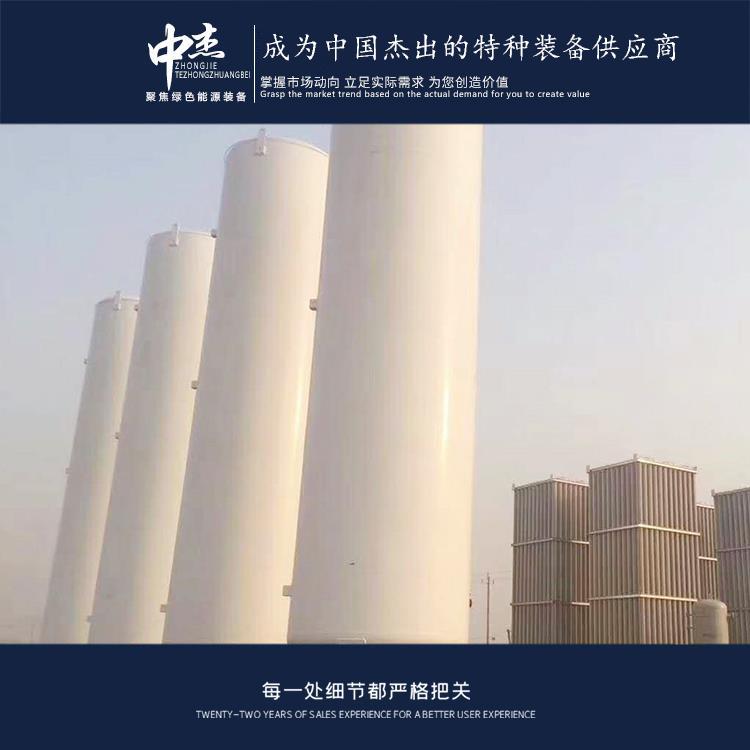
Routine inspection of liquid nitrogen storage tanks involves regular checks and maintenance to ensure safe operation and efficient use. Here is a common-sense introduction to the inspection of liquid nitrogen storage tanks:
Appearance Inspection: Regularly inspect the exterior of the storage tank, including the tank body, insulation layer, valves, and pipes, etc. Note any cracks, corrosion, wear, or other damage. Also, check that the insulation layer is intact, without any damage or detachment.
Level Check: Regularly inspect the liquid nitrogen tank's level to ensure it remains within the normal range. This can be done using level gauges or level scales, etc.
Pressure Check: Inspect the tank's pressure to ensure it's within the safe range. Pressure gauges or pressure sensors can be used for the check.
Leak Inspection: Check for signs of liquid nitrogen leakage around the storage tank, such as vapor mist, frosting, or freezing. If leakage is detected, take immediate measures to repair it.
Valve and pipeline inspection: Check that the valves and pipelines of the storage tank are functioning properly without any gas leakage or blockages. Ensure the tightness and unobstructed flow of the valves and pipelines.
Safety Device Inspection: Check the safety devices of the storage tank, such as pressure relief valves, temperature sensors, and level alarms, to ensure they are functioning properly.
Maintenance Records: Timely record the inspection results and maintenance records of the storage tank, including liquid level, pressure, insulation layer condition, leakage status, etc. These records help monitor the tank's operational status and identify issues promptly.
Note that the inspection of liquid nitrogen tanks should comply with relevant safety regulations and operational guidelines. Liquid nitrogen is highly flammable at low temperatures, so operators must wear appropriate personal protective equipment and ensure there are no sources of fire in the operating environment. Regular inspections can help identify and address issues promptly, ensuring the safe and efficient operation of the tank.
Our company places great emphasis on technological innovation and R&D, with 1 municipal enterprise technology center in Heze City. We have established testing facilities for non-destructive testing, physical and chemical testing, welding testing, hydrostatic testing, and more. Equipped with over 600 units of various equipment such as CNC machine tools, X-ray flaw detectors, digital ultrasonic flaw detectors, mechanical property testing machines, chemical analyzers, spectrometers, tensile testing machines, and plasma welding machines, our R&D of key products like temperature-pressure vessels, biomass boiler emissions reduction, and waste heat recovery has been selected for multiple Shandong Provincial Department of Industry and Information Technology science and technology innovation projects, Shandong key projects, and Heze City innovation and excellence projects. We have accumulated a total of 27 authorized utility models, 16 authorized inventions, participated in drafting 2 standards, 2 industry standards, and registered 15 trademarks. Our technical team, in collaboration with Professor Yajiang Li of Shandong University, has developed deep cryogenic container processing technology using the international plasma arc + filler wire tungsten inert gas (PAW-GTAW) welding technique, which has been appraised at the provincial level as reaching international standards in the field of deep cryogenic container manufacturing. Choose ZJ Special Equipment, let's work together to create brilliance!
Zhenjiang 5 cubic meter nitrogen storage tank, years of industry experience
