


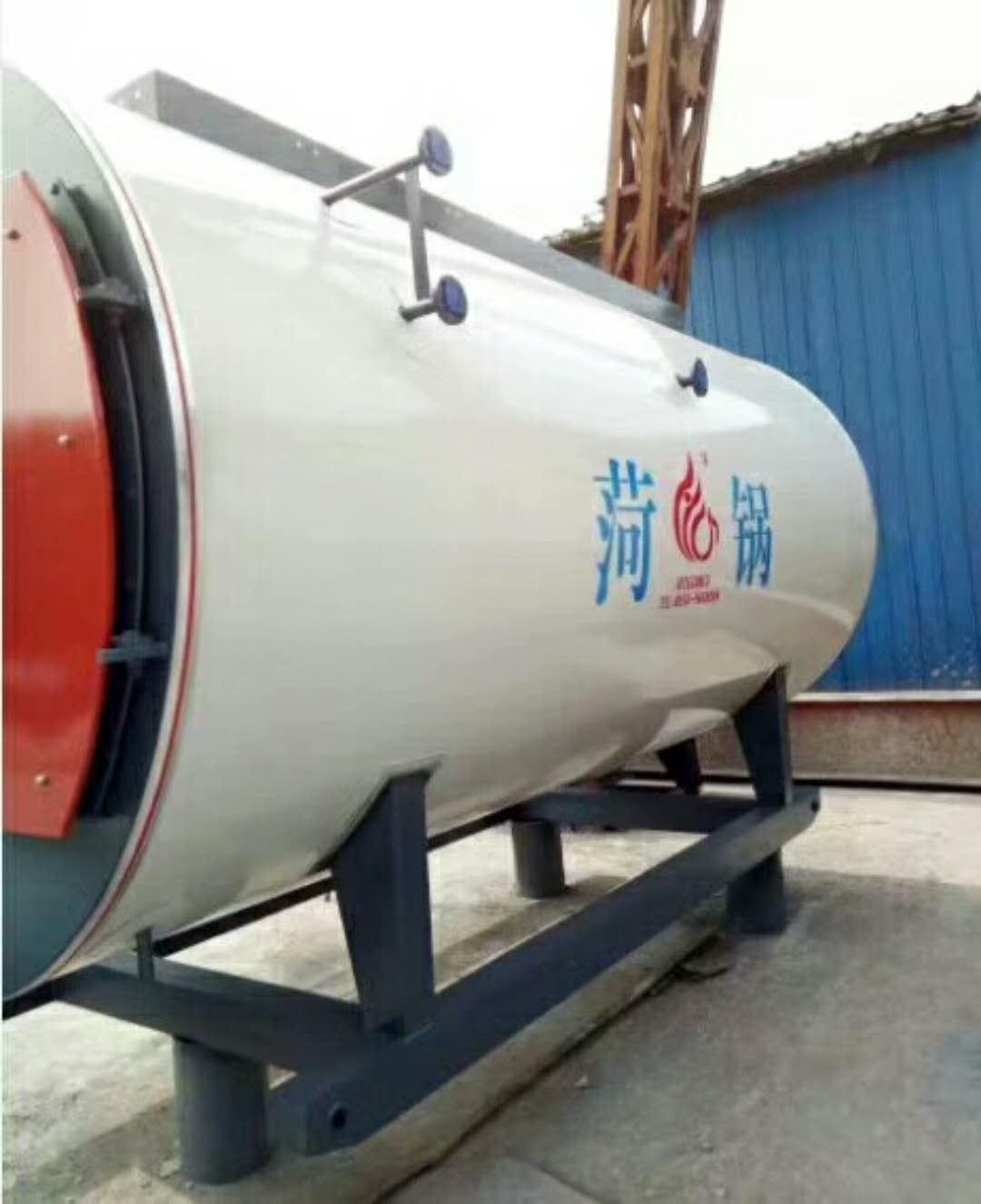
Shandong Zhongjie Special Equipment (formerly Heze Boiler Factory Co., Ltd.) holds an A-grade boiler manufacturing license, an A2-grade pressure vessel manufacturing license, an A2-grade pressure vessel design license, a B-grade boiler installation license, and GB2/GB3-grade pressure pipeline installation licenses, as well as a mechanical and electrical equipment installation contracting qualification. It is a member of the China Boiler and Water Treatment Association, the China Chemical Equipment Association, and the Council Member of the Shandong Equipment Manufacturing Association. The company has also passed the ISO9001 Quality Management System, ISO14001 Environmental Management System, OHSAS18001 Occupational Health and Safety Management System certifications, and the American ASME/U2 certification.
CO2 flooding is a commonly used增产 technique to enhance oil recovery in oil fields. It involves injecting CO2 gas into the reservoir to alter its physical and chemical properties, thereby promoting flow and increasing recovery rates. The working principle of CO2 flooding is as follows:
Dissolution Principle: CO2 has a high solubility in oil. When CO2 gas is injected into the reservoir, it dissolves within the oil, reducing its viscosity and surface tension, making it more fluid.
Expulsion Drive Principle: After CO2 gas is injected into the reservoir, it expands to form a gas phase, increasing the reservoir pressure and pushing the oil towards the wellbore. Additionally, CO2's high permeability can improve the reservoir's permeability and enhance fluid flow.
Chemical Reaction Principle: CO2 reacts with certain components in the oil, producing soluble substances that further reduce viscosity and improve fluidity.
CO2 flooding technology offers certain advantages in oilfield development, such as:
Environmental Friendliness: CO2 is a clean, non-toxic, and renewable gas. Using CO2 flooding can reduce environmental pollution.
Economic Viability: CO2 flooding can increase oil recovery rates and production, thereby improving economic benefits.
Sustainability: CO2 can be separated from the atmosphere or captured and stored from industrial flue gases, allowing for the recycling of CO2 and sustainability.
It is important to note that the application of CO2 flooding technology requires consideration of reservoir characteristics, geological conditions, and economic feasibility factors. Prior to implementing CO2 flooding, comprehensive reservoir evaluation and engineering design must be conducted to ensure the effectiveness and safety of the technology.
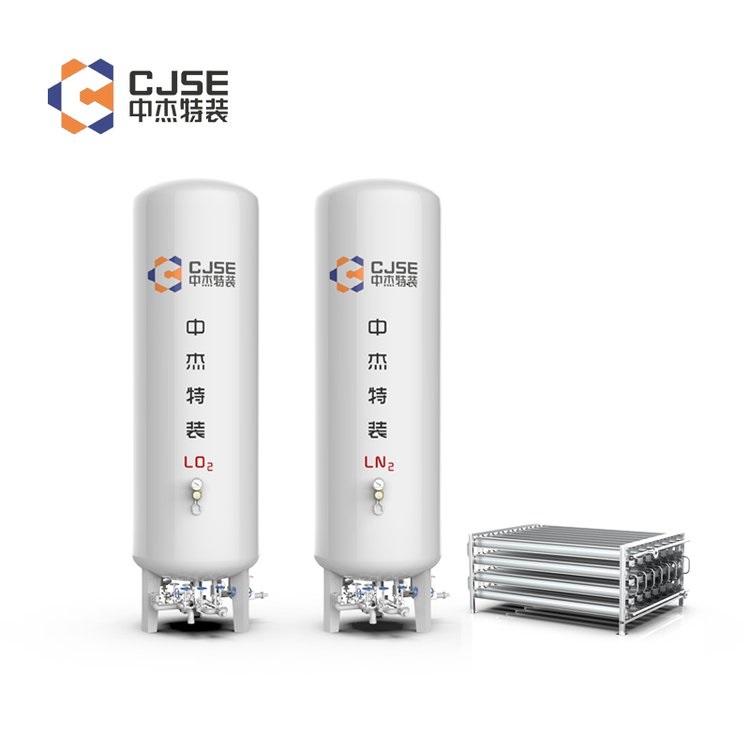
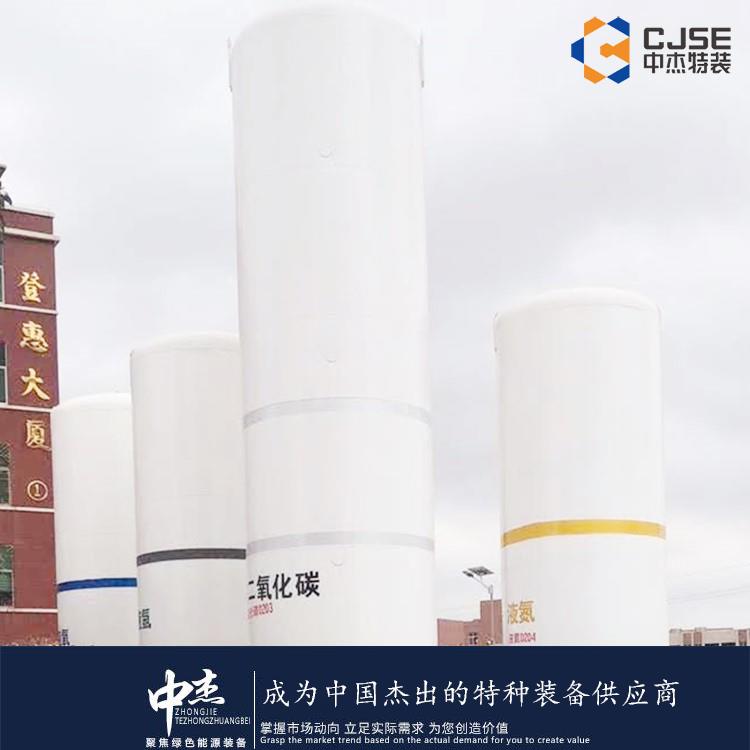
Carbon dioxide storage tanks feature the following characteristics:
- High-pressure Storage: These tanks are typically used for high-pressure storage and can withstand significant pressure. The carbon dioxide inside is in a gaseous or liquid state, with pressure usually ranging from tens to hundreds of MPa.
- High-density Storage: When stored in a liquid state, carbon dioxide has a higher storage density. Compared to gaseous storage, liquid storage can hold more carbon dioxide in a smaller tank, enhancing storage efficiency.
- Corrosiveness: Carbon dioxide has some corrosive properties and can erode certain materials. Therefore, carbon dioxide storage tanks are usually made of corrosion-resistant materials like stainless steel or alloy steel to ensure durability and safety.
- Temperature Sensitivity: Carbon dioxide is in a gaseous state at room temperature but can become liquid at lower temperatures. Thus, carbon dioxide storage tanks often require good insulation to maintain low internal temperatures.
- Safety Protection: These tanks are equipped with safety valves and pressure relief devices to control internal pressure and temperature, ensuring safety during storage. Additionally, they must have excellent sealing performance to prevent leaks.
- Wide Application: Carbon dioxide storage tanks are widely used in various industries, including food and beverage, pharmaceutical, and chemical sectors. They can be used for freezing food, refrigeration equipment, and gas supply, meeting diverse industry needs.
In summary, carbon dioxide storage tanks possess high-pressure storage, high-density storage, corrosiveness, temperature sensitivity, safety protection, and wide application. These features make them essential equipment for storing and using carbon dioxide in many industries.
清洁低温液体储罐的过程需要谨慎操作,以确保安全性和有效性。以下是一般的清洁步骤: 安全准备:在清洁液体储罐之前,确保储罐内的液体已经完全排空,并且储罐的压力已经释放。确保所有相关的安全设备和阀门处于关闭状态。 防护措施:低温液体储罐通常存储着冷的液体,如液氮或液氧。在进行清洁操作时,必须佩戴适当的个人防护装备,如绝缘手套、、防护服等,以防止冷或其他伤害。 清洁剂选择:选择适合清洁低温液体储罐的清洁剂。清洁剂应具备良好的腐蚀性能和低温适应性。可以咨询清洁剂供应商或储罐制造商以获取建议。 清洁过程:将清洁剂注入储罐中,使用适当的工具(如喷洒器、刷子等)进行清洁。根据储罐的尺寸和污染程度,可以选择手动清洁或使用清洗设备。 冲洗和排放:清洁完成后,使用清水或其他适当的冲洗剂进行冲洗,以确保清洁剂和污物。冲洗完成后,将废水和废液排放到合适的处理系统中,遵循环境保护的相关规定。 检查和验证:清洁完成后,进行储罐的检查和验证,确保储罐内部干净、无残留物,并符合相关的安全和卫生要求。 需要注意的是,清洁低温液体储罐的具体步骤和要求可能会因不同的储罐设计和使用场景而有所差异。在进行清洁操作时,应遵循相关的安全操作规程和标准,确保操作的安全性和有效性。好咨询工程师或储罐制造商以获取具体的清洁指导。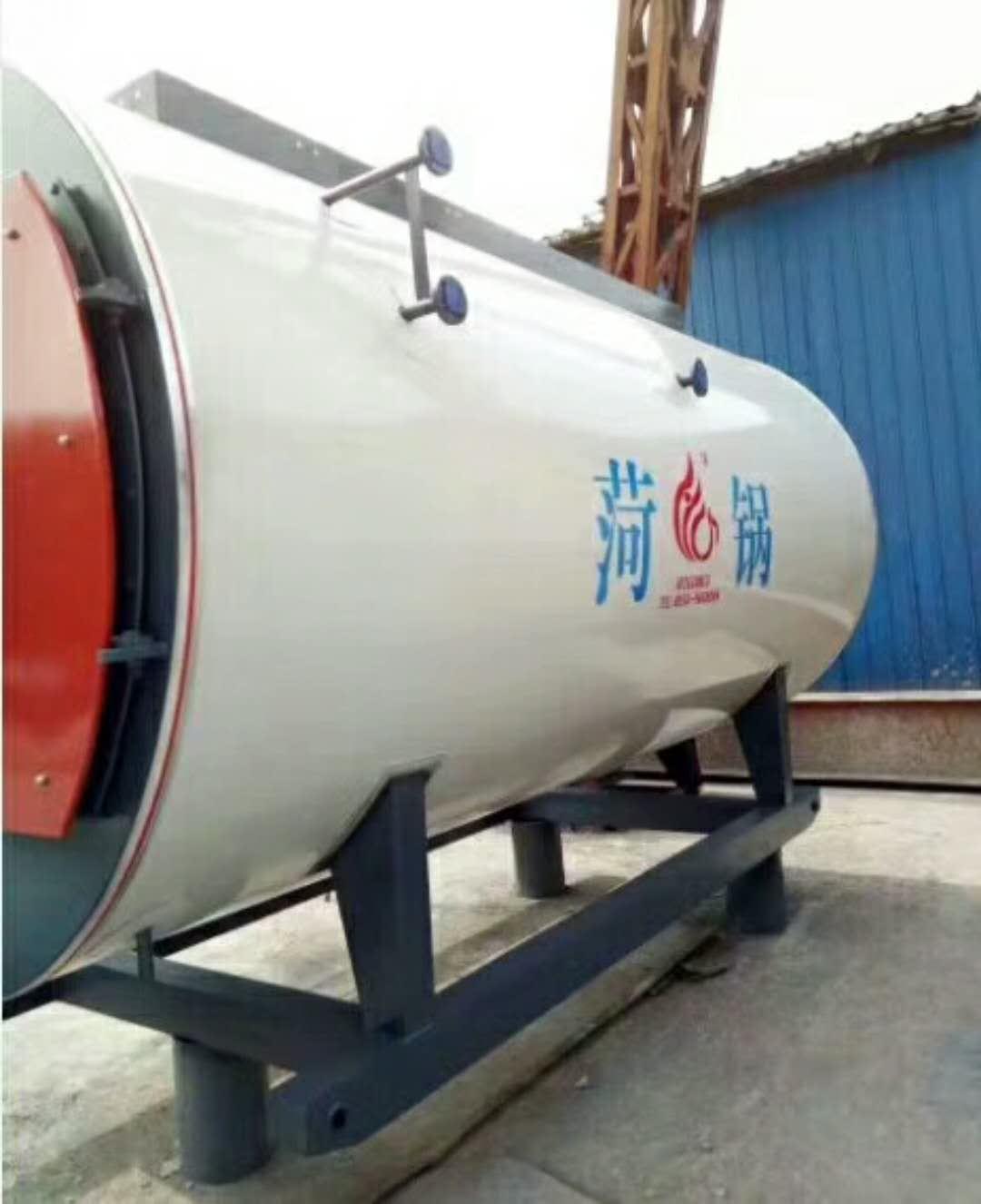
To extend the service life of CO2 storage tanks, the following measures can be taken:
- Regular inspections and maintenance: Conduct regular checks on the tank's exterior, lining, valves, and pipeline connections to ensure they are intact and undamaged. Promptly repair or replace any abnormalities or damages found.
- Corrosion prevention: As CO2 is corrosive, both the internal and external surfaces of the tank should be treated with corrosion-resistant materials. Regularly inspect and maintain the protective coating or paint to ensure its integrity and effectiveness.
- Cleaning and draining: Regularly clean the interior of the tank to remove accumulated impurities and sediments. Also, periodically drain the tank to remove liquid and gas impurities inside to maintain cleanliness and normal operation.
- Temperature and pressure control: Maintain the tank's temperature and pressure within the design limits. Avoid excessive or low temperatures and pressures that could damage the tank.
- Regular testing and calibration: Conduct regular testing and calibration of the tank, including parameters such as level, pressure, and temperature. Ensure the tank's measurement and control systems are accurate and reliable.
- Adherence to operational procedures: Strictly follow operational and safety procedures to ensure the tank operates normally and safely. Train operators to enhance their operational skills and safety awareness.
- Upgrades and updates: As needed, promptly update and upgrade tank components and equipment to meet new technological and safety requirements.
- Regular assessment and monitoring: Regularly assess and monitor the tank, including structural integrity, corrosion conditions, and safety. Implement appropriate maintenance and repair measures based on the assessment results.
- These measures can help extend the service life of CO2 storage tanks and ensure their safe and reliable operation.
Shandong Zhongjie Special Equipment, welcome customers to visit our factory for business discussions.
Shenyang 80 cubic CO2 Storage Tank, Genuine Manufacturer
