


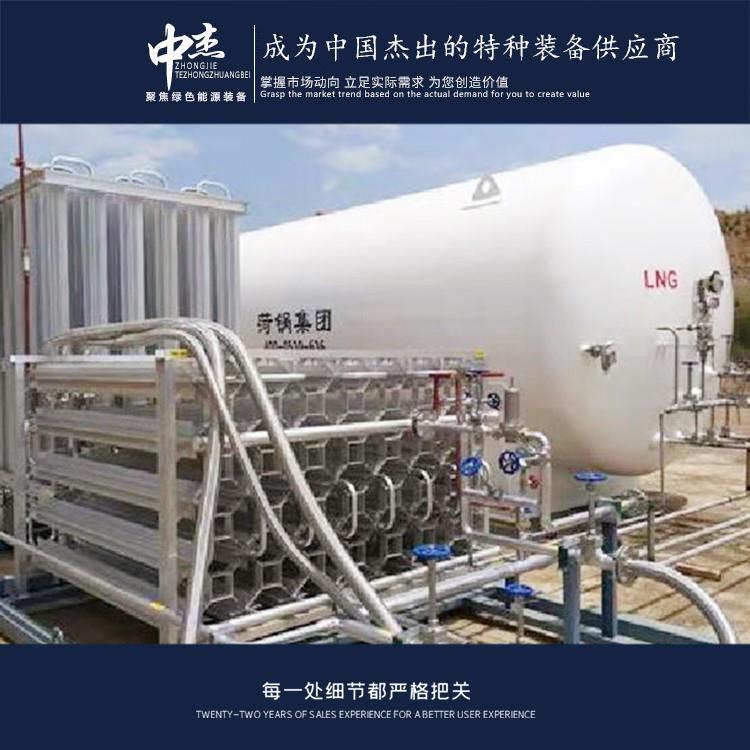
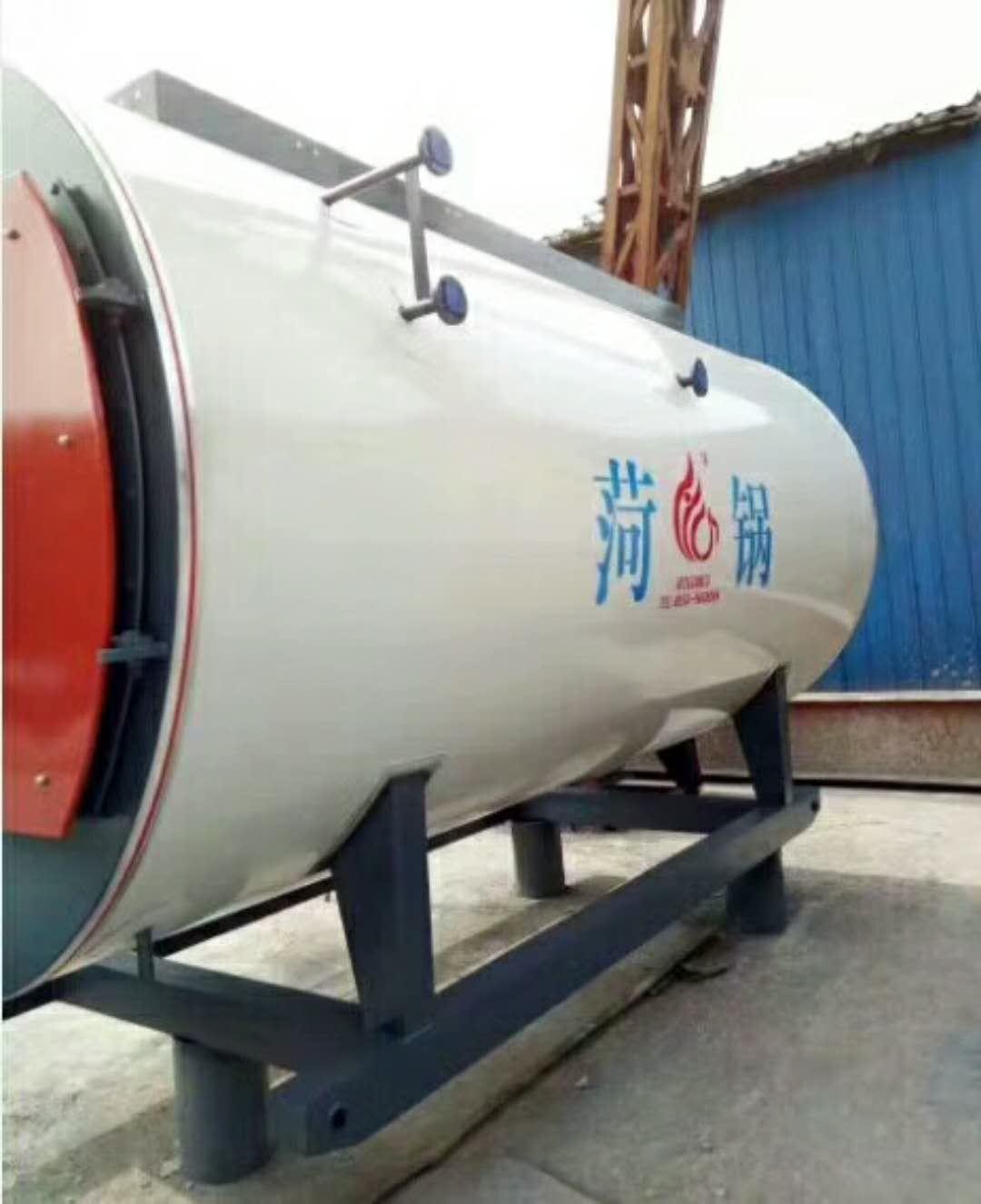
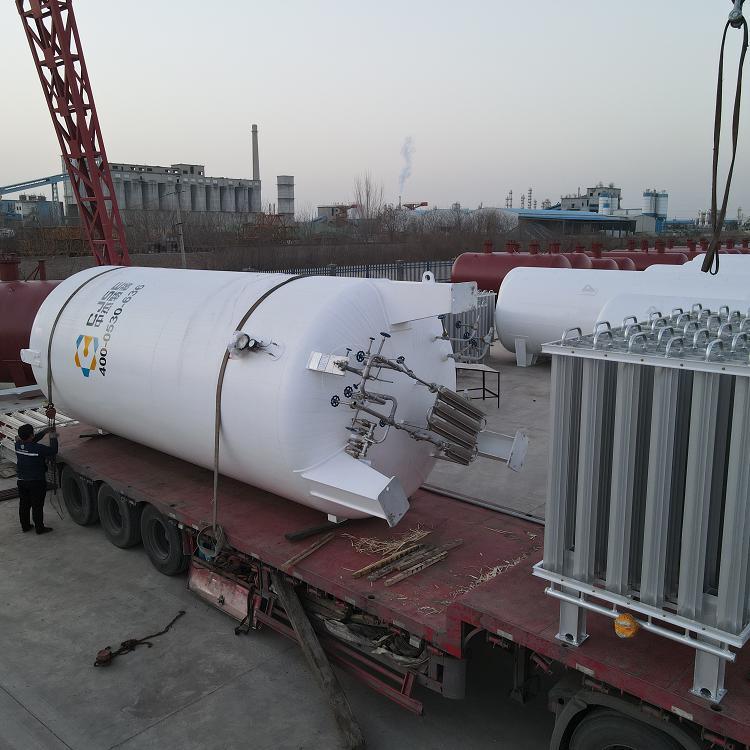
Shandong Zhongjie Special Equipment (formerly Heze Boiler Factory Co., Ltd.) holds an A-grade boiler manufacturing license, an A2-grade pressure vessel manufacturing license, an A2-grade pressure vessel design license, B-grade boiler installation and GB2, GC2 pressure pipeline installation licenses, as well as an electromechanical installation contracting qualification. It is a member of the China Boiler and Water Treatment Association, the China Chemical Equipment Association, and a director unit of the Shandong Equipment Manufacturing Association. The company has also passed ISO9001 Quality Management System, ISO14001 Environmental Management System, OHSAS18001 Occupational Health and Safety Management System certifications, and the U.S. ASME/U2 certification.
Detailed parameters of carbon dioxide storage tanks can vary based on specific design and usage requirements. Here are some common parameters of carbon dioxide storage tanks:
- Capacity: The capacity of carbon dioxide storage tanks can differ according to needs, with common ranges from a few thousand to tens of thousands of liters.
- Pressure: The design working pressure of carbon dioxide storage tanks typically ranges between 15-25 MPa (megapascals), with the specific pressure depending on the application scenario and requirements.
- Material: Carbon dioxide storage tanks are usually made of high-strength materials such as carbon steel or stainless steel. The choice of material depends on the storage environment and requirements.
- Dimensions: The external dimensions of carbon dioxide storage tanks also vary based on capacity and design. Common shapes include cylindrical, spherical, or cuboid.
- Level Control: Carbon dioxide storage tanks usually come with level control systems for monitoring and controlling the liquid level of carbon dioxide. These systems typically include level sensors and control valves.
- Pressure Control: Carbon dioxide storage tanks often have pressure control systems for monitoring and controlling the internal gas pressure. These systems usually include pressure sensors and safety valves.
It should be noted that specific parameters of carbon dioxide storage tanks can vary depending on different manufacturers, application scenarios, and standards. When selecting and using carbon dioxide storage tanks, it is important to follow relevant safety operation procedures and guidelines, and consult with experts to obtain accurate parameter information.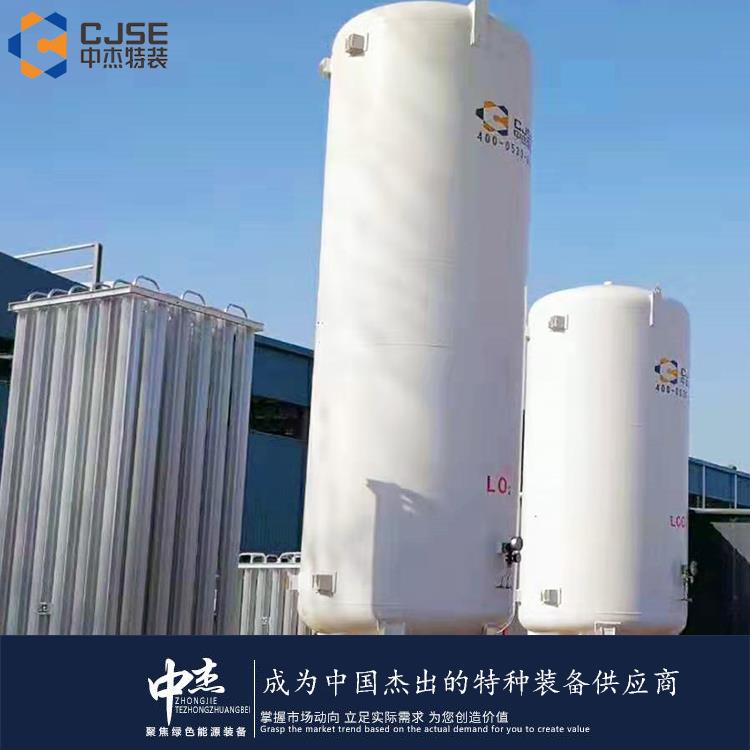
Carbon dioxide storage tanks feature the following characteristics and advantages:
High storage density: CO2 storage tanks can compress CO2 gas into a liquid state, significantly increasing storage density. Compared to gas storage, liquid CO2 can store more CO2 in a relatively smaller tank, saving space and costs.
Multiple application areas: CO2 storage tanks are widely used in various fields, including the food and beverage industry, industry, fire extinguishing, and gas supply. CO2 serves as a preservative, beverage carbonator, gas, and fire extinguishing agent, with broad applications and market demand.
Environmental and renewable: CO2 is an environmentally friendly gas, and its increased concentration in the atmosphere contributes to warming and climate change. By storing and utilizing CO2, we can reduce its emissions into the atmosphere, achieving environmental protection and sustainable development.
Safe and reliable: During design and manufacturing, CO2 storage tanks are typically made from high-strength materials (such as carbon steel or stainless steel), offering good pressure resistance and safety. The tanks are usually equipped with safety valves, pressure gauges, and level gauges for safe operation. Additionally, CO2 is non-flammable and non-explosive, making it relatively safe.
Supply: CO2 storage tanks provide a stable supply of CO2. Through tank design and control systems, accurate measurement and supply of CO2 can be achieved, meeting various industrial and application needs.
In summary, CO2 storage tanks offer high storage density, multiple application areas, environmental and renewable properties, safety, reliability, and supply, making them an important storage and supply equipment widely used in various industries. However, safety operation regulations still need to be followed when using CO2 storage tanks.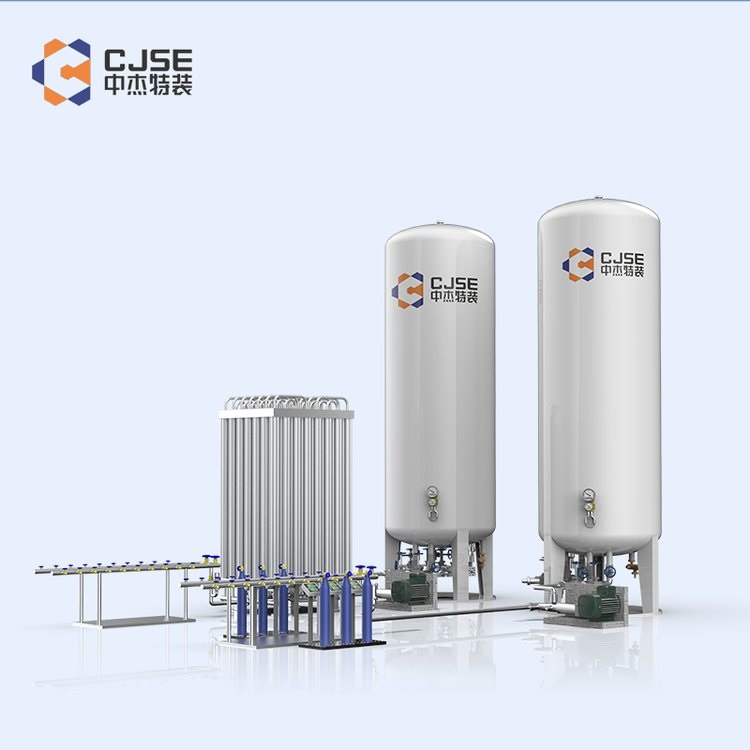
Carbon dioxide level gauges are devices used for measuring and monitoring the liquid level of CO2 in storage tanks. Common types of CO2 level gauges, based on different working principles and application needs, include:
- Buoy Level Gauge: Uses the floating and sinking of a buoy to indicate liquid level, measuring it through a mechanical device or an electrical signal sensor connected to the gauge.
- Pressure Level Gauge: Measures the liquid level by utilizing the relationship between liquid pressure and level. The liquid's pressure on a pressure sensor is measured to calculate the liquid level height.
- Ultrasonic Level Gauge: Measures the liquid level using the propagation time of ultrasonic waves. An ultrasonic transmitter emits waves, and when they meet the liquid surface, some are reflected back. The liquid level height is calculated by measuring the reflection time.
- Capillary Level Gauge: Uses the capillary principle to measure the liquid level. By inserting a thin tube into the liquid, it rises within the tube. The liquid level height is calculated based on the rise in the liquid.
- Wave Reflection Level Gauge: Measures the liquid level by reflecting waves. The transmitter emits waves, and when they encounter the liquid surface, some are reflected back. The liquid level height is calculated by measuring the reflection time.
These level gauges can be chosen for CO2 storage tanks based on specific requirements and tank design. When selecting and installing level gauges, factors such as liquid properties, working environment, and precision requirements should be considered, ensuring they are compatible with the tank's safe operation and monitoring system.
Here are some common protection techniques for carbon dioxide storage tanks:
- Fire and Explosion Prevention Measures: Establish a fire-resistant buffer zone around the tank, away from fire sources and flammable materials. The tank itself should adopt fire and explosion prevention measures, such as fire-resistant coatings and explosion-proof devices, to prevent fires and explosions.
- Leak Detection and Alarm System: The tank should be equipped with a leak detection and alarm system to promptly detect and alert of any leaks. Regularly inspect and maintain the leak detection equipment to ensure its proper functioning.
- Regular Inspections and Maintenance: Regularly check the tank's exterior, valves, fittings, etc., to ensure they are undamaged. Conduct regular leak inspections and pressure tests to ensure the tank's safety performance meets requirements.
- Emissions Treatment: Treat the emissions produced by the carbon dioxide storage tank to avoid environmental pollution. Implement appropriate emissions treatment measures, such as collecting and treating emissions.
- Static Electricity Protection: Adopt static electricity protection measures to prevent the accumulation and discharge of static electricity. Use anti-static equipment and tools to ensure static safety during operations.
- Safety Training and Awareness: Provide safety training for operators to enhance their awareness and ability to handle carbon dioxide storage tanks safely. Regularly conduct safety training and drills to prepare for emergencies.
- Management Records and Documentation: Establish comprehensive management records and documentation, including the tank's usage, inspection records, and maintenance records. Regularly review and update management records to ensure safe management and maintenance of the tank.
Note that these are common protection techniques, and specific protection measures may vary depending on the type and application of the tank. When using carbon dioxide storage tanks, operate according to relevant regulations and standards and consult experts to ensure safety and effectiveness.
Our company highly values technological innovation and R&D design, boasting one city-level technical center in Heze City. We have established testing facilities for non-destructive testing, physical and chemical testing, welding testing, hydrostatic testing, and more. Equipped with over 600 various instruments and equipment including CNC machine tools, X-ray flaw detectors, digital ultrasonic flaw detectors, mechanical property testing machines, chemical analyzers, spectrometers, tensile testing machines, plasma welding machines, and others, we have developed key products and technologies such as temperature and pressure vessel welding, biomass boiler emission reduction, and waste heat utilization. These have successively been shortlisted for multiple Shandong Provincial Department of Industry and Information Technology science and technology innovation projects, key provincial projects, and Heze City innovation and excellence projects. We have cumulatively obtained 27 authorized utility models, 16 authorized inventions, participated in drafting 2 standards, 2 industry standards, and registered 15 trademarks. Our technical team, in collaboration with Professor Yajiang Li from Shandong University, has developed deep cryogenic container processing technology using the internationally recognized plasma arc + filler wire tungsten inert gas (PAW-GTAW) welding technology. This technology has been appraised as internationally competitive at the provincial level of scientific and technological achievements. Choose ZJ Special Equipment, and let's create brilliance together!
Haidong 10 Cubic CO2 Storage Tank, Manufacturer
