


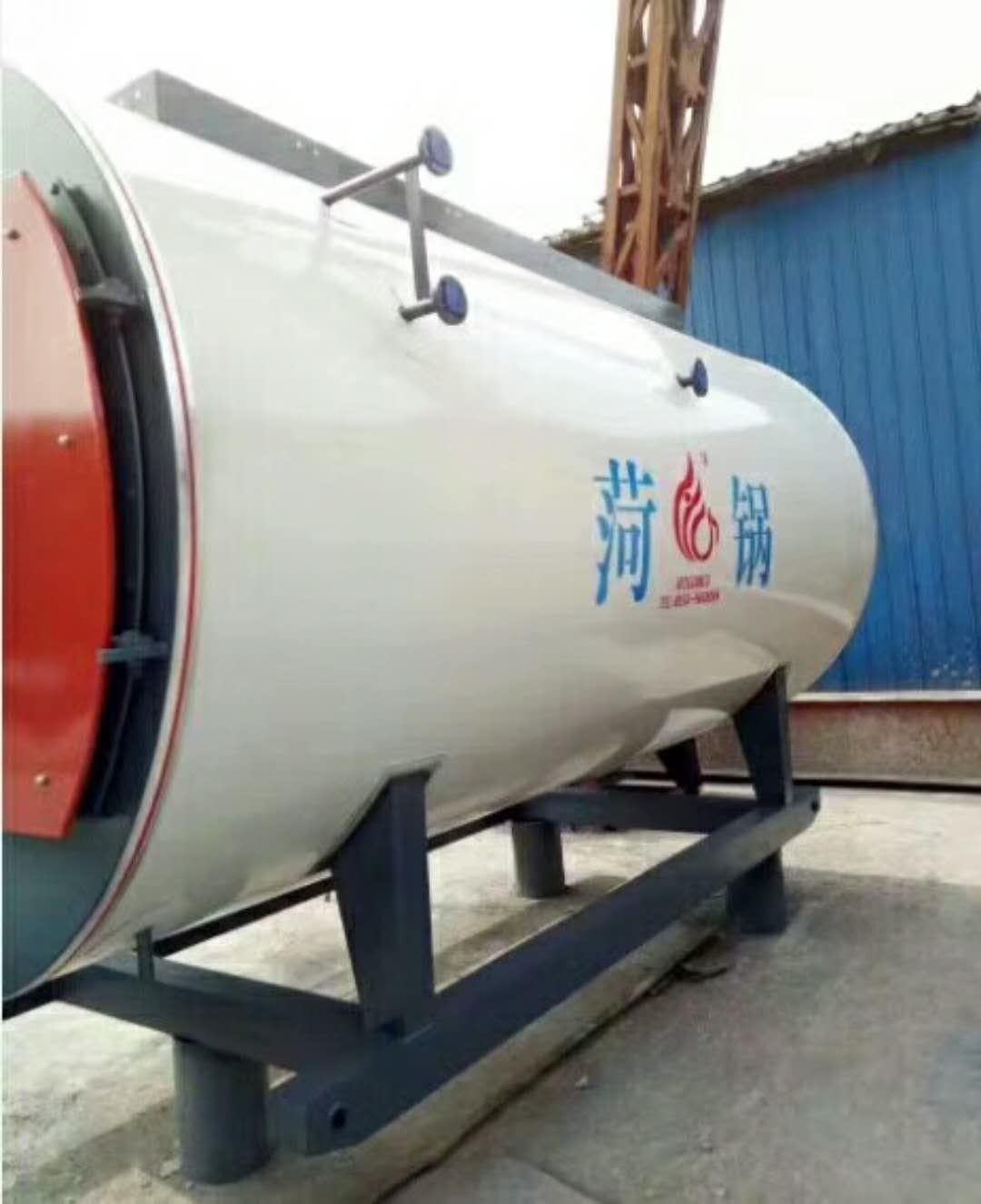
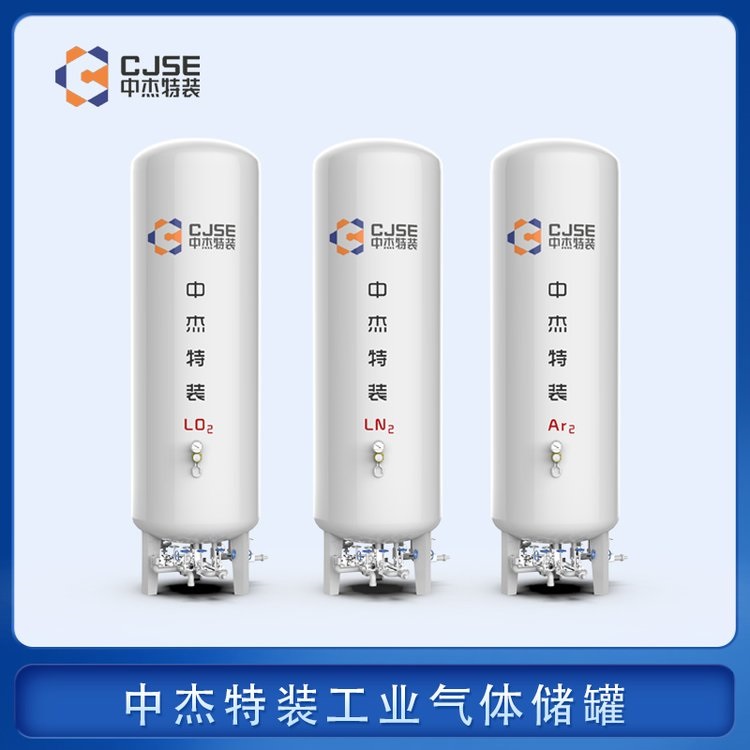
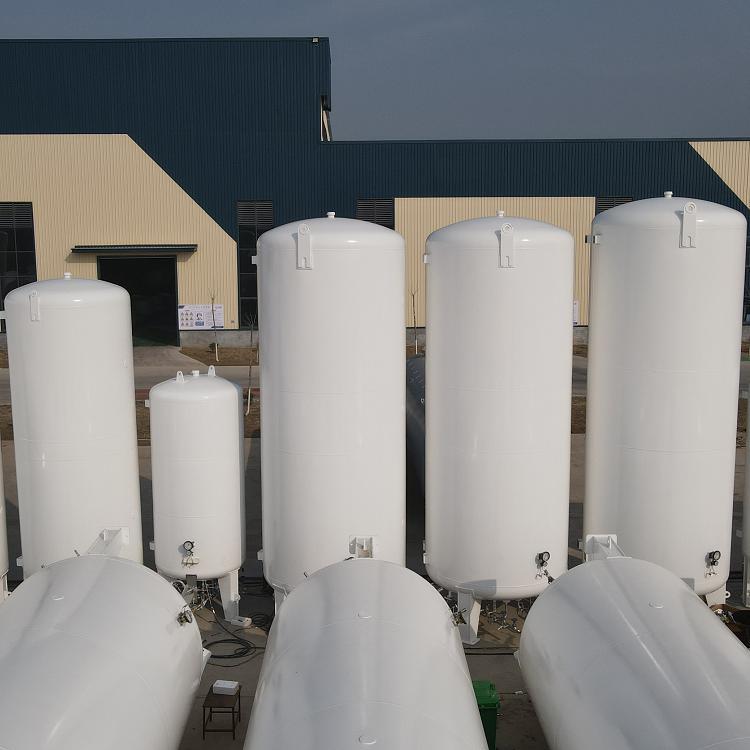
Shandong Zhongjie Special Equipment's main products include: fuel (gas) boilers, organic heat carrier boilers, biomass boilers, waste heat boilers, and other boiler products; vacuum insulation cryogenic pressure vessels such as LNG tanks, oxygen-nitrogenargon tanks, and CO2 tanks; pressure vessel products such as denitrification engineering equipment, heat storage and energy storage equipment, and complete chemical equipment sets; central air conditioning and ventilation equipment such as ground (water) source heat pumps, air source units, water-cooled screw units, and air-cooled modular units. Planned products include large-scale energy centers, LNG transport vehicles, LNG tank containers, and other green energy equipment.
In everyday use, CO2 tanks require protection and maintenance to ensure proper operation and safety. Here are some common protection and maintenance methods:
- Appearance Inspection: Regularly check the tank's exterior for signs of corrosion, wear, and cracks. Address any issues promptly with repair measures.
- Sealing Integrity Check: Periodically inspect the tank's sealing performance, especially at valve and pipeline connections and the tank's integrity. Ensure there are no leaks and repair any that are found.
- Temperature Control: Maintain a suitable ambient temperature around the tank and implement appropriate insulation measures to maintain a低温 state within the tank.
- Pressure Relief Device Inspection: Regularly check the tank's pressure relief devices, such as safety valves, to ensure they function correctly. Verify that the set pressure of the relief devices meets requirements and perform regular maintenance and replacements.
- Level Monitoring: Regularly monitor the tank's liquid level to ensure accurate measurements. If an abnormal level is detected, investigate the cause and take appropriate actions.
- Regular Cleaning: Clean the tank interior regularly to remove accumulated debris and dirt. Pay attention to safety during cleaning and avoid using flammable or corrosive substances.
- Regular Testing: Conduct regular pressure testing and leak detection on the tank to ensure its safety performance meets standards. The frequency and methods of testing should be in accordance with relevant specifications and standards.
- Storage Capacity Control: Control the tank's storage capacity to prevent exceeding the rated capacity. Overfilling can lead to excessive tank pressure, increasing safety risks.
- It should be noted that specific protection and maintenance methods may vary depending on the type and application of the tank.
The reason for regular testing of low-temperature liquid carbon dioxide storage tanks is to ensure their safety performance and normal operation. Due to the tanks' exposure to low temperatures and high pressures, there are inherent safety risks such as leaks and structural failures. Regular testing allows for the early detection of potential issues, enabling prompt corrective or maintenance actions to ensure the safe operation of the tank. The specific frequency of testing should be determined according to relevant regulations and standards, with routine testing and maintenance generally recommended. Typically, the interval for regular testing of low-temperature liquid carbon dioxide storage tanks is between 1 to 3 years, though this can vary based on usage, age, design standards, and other factors. The testing usually includes visual inspections of the tank, checks of valves and connections, leak detection, and pressure tests. Additionally, regular inspections and maintenance of the insulation layer are essential to maintain its insulating properties. It is important to note that the specific frequency and content of testing should be determined in accordance with local laws, standards, and the manufacturer's recommendations. Testing should be conducted by qualified personnel, and test results and maintenance records should be documented for tracking and management of the tank's safety performance.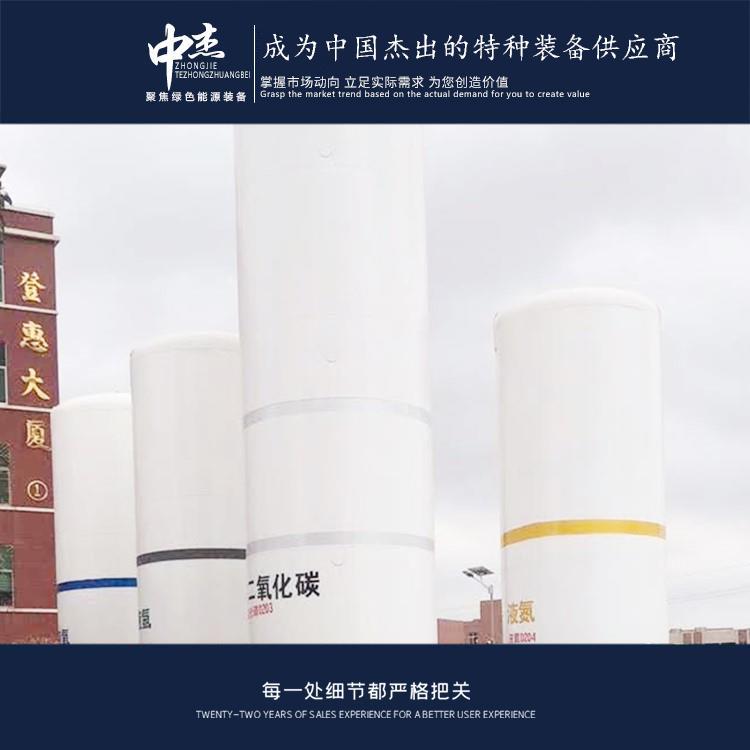
Detailed parameters of carbon dioxide storage tanks can vary based on specific design and usage requirements. Here are some common parameters of carbon dioxide storage tanks:
- Capacity: The capacity of carbon dioxide storage tanks can vary according to demand, with common ranges from a few thousand to tens of thousands of liters.
- Pressure: The design working pressure of carbon dioxide storage tanks typically falls between 15-25 MPa (MPa), with the specific pressure depending on the application scenario and requirements.
- Material: Carbon dioxide storage tanks are usually made of high-strength materials such as carbon steel or stainless steel. The choice of material depends on the storage environment and requirements.
- Dimensions: The physical dimensions of carbon dioxide storage tanks also vary depending on capacity and design. Common shapes include cylindrical, spherical, or cuboid.
- Level Control: Carbon dioxide storage tanks usually come with level control systems for monitoring and controlling the level of liquid carbon dioxide. Level control systems typically include level sensors and control valves.
- Pressure Control: Internal pressure control systems are usually installed in carbon dioxide storage tanks to monitor and control the gas pressure inside. Pressure control systems typically include pressure sensors and safety valves.
Note that specific parameters of carbon dioxide storage tanks may differ among manufacturers, application scenarios, and standards. When selecting and using carbon dioxide storage tanks, it is important to follow relevant safety operating procedures and guidelines, and consult experts to obtain accurate parameter information.
Carbon dioxide serves several key applications in carbonated beverages:
1. Creating bubbles and texture: Carbon dioxide is the key component responsible for the formation of bubbles and effervescence in carbonated drinks. When dissolved in the beverage, it forms bicarbonate ions, resulting in a foamy and bubbly texture. This creates a unique taste and mouthfeel characteristic of carbonated drinks.
2. Adjusting pH levels: Carbon dioxide reacts with water to form carbonic acid, which helps regulate the pH levels of carbonated beverages. By controlling the amount of carbon dioxide dissolved, the acidity of the drink can be adjusted to achieve an ideal taste and mouthfeel.
3. Providing a refreshing sensation: The carbon dioxide bubbles in carbonated drinks can give a refreshing feeling. When consumed, these bubbles stimulate the taste buds on the tongue, creating a cool and tingling sensation, enhancing the drink's taste and mouthfeel.
4. Extending shelf life: Carbon dioxide plays a role in preserving carbonated beverages. Due to its acidity and properties, it can inhibit the growth of microorganisms, extending the shelf life of carbonated drinks.
It is important to note that excessive consumption of carbonated beverages may have negative health effects, such as tooth erosion and osteoporosis. Therefore, moderate consumption is recommended.
Our company attaches great importance to technological innovation and R&D design, boasting one municipal-level enterprise technology center in Heze City. We have established testing facilities for non-destructive testing, physical and chemical testing, welding testing, hydrostatic testing, etc. Equipped with over 600 types of equipment, including CNC machine tools, X-ray flaw detectors, digital ultrasonic flaw detectors, mechanical property testing machines, chemical analyzers, spectrometers, tensile testing machines, plasma welding machines, and more. The key products we have developed, such as temperature and pressure vessel welding, biomass boiler emission reduction, and waste heat recovery, have successively been selected for multiple Shandong Province Ministry of Industry and Information Technology scientific and technological innovation projects, key projects of Shandong Province, and Heze City innovation and excellence projects. We have accumulated a total of 27 authorized utility models, 16 authorized inventions, participated in drafting 2 standards, 2 industry standards, and registered 15 trademarks. Our technical team, in collaboration with Professor Yajiang Li of Shandong University, has developed deep cryogenic container processing technology using the internationally recognized plasma arc + filler wire tungsten inert gas (PAW-GTAW) welding technology. The provincial-level scientific and technological achievement evaluation has determined that our technology level in the field of deep cryogenic container manufacturing has reached international standards. Choose Zhongjietech, let's create brilliance together!
Chizhou 40 Cubic CO2 Storage Tank, Comprehensive After-Sales Service
