


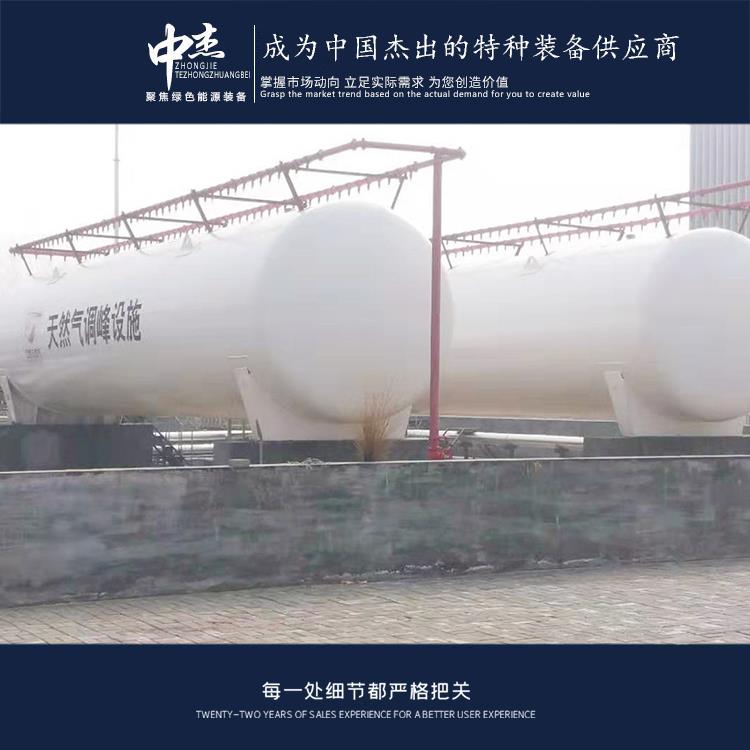
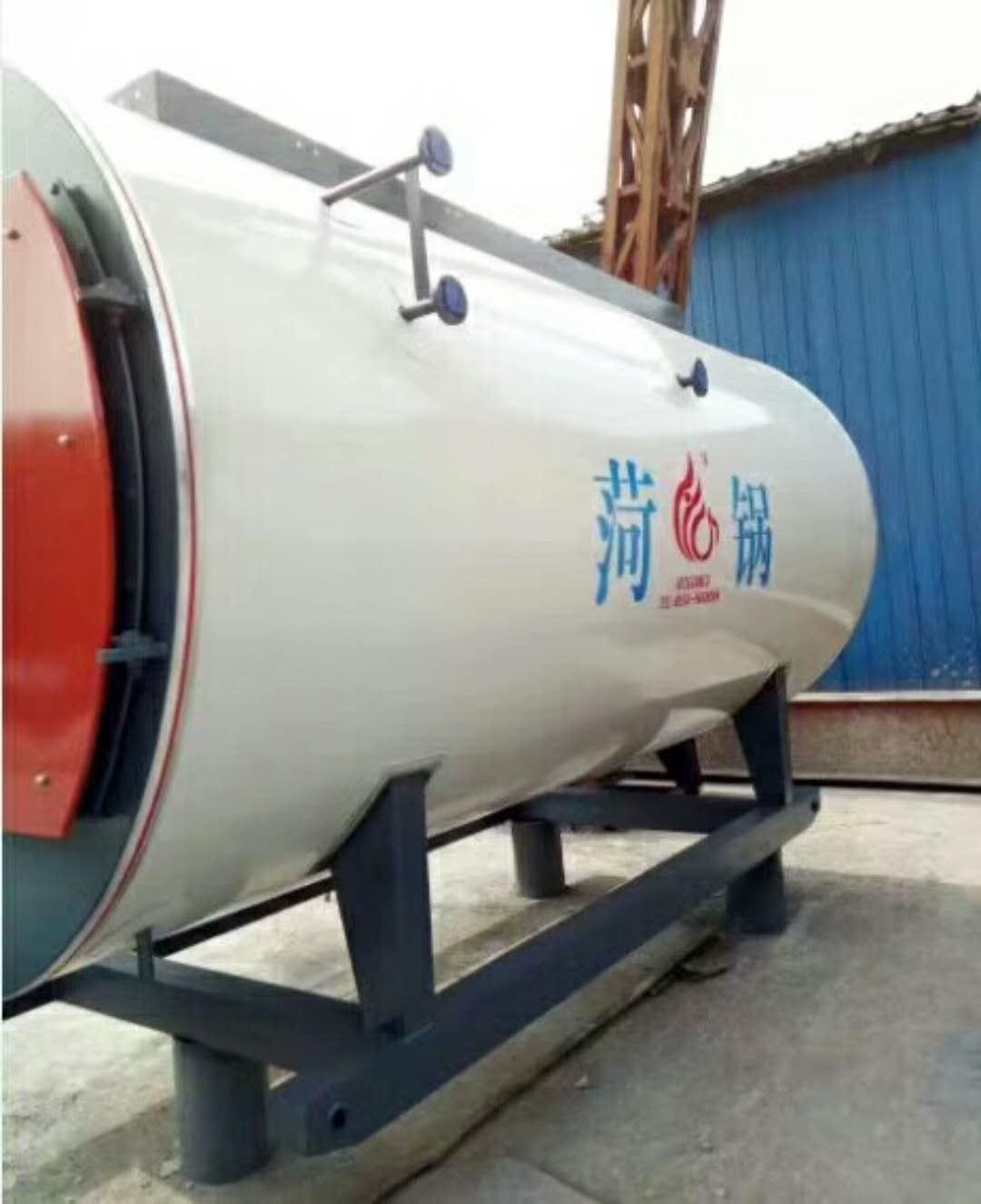
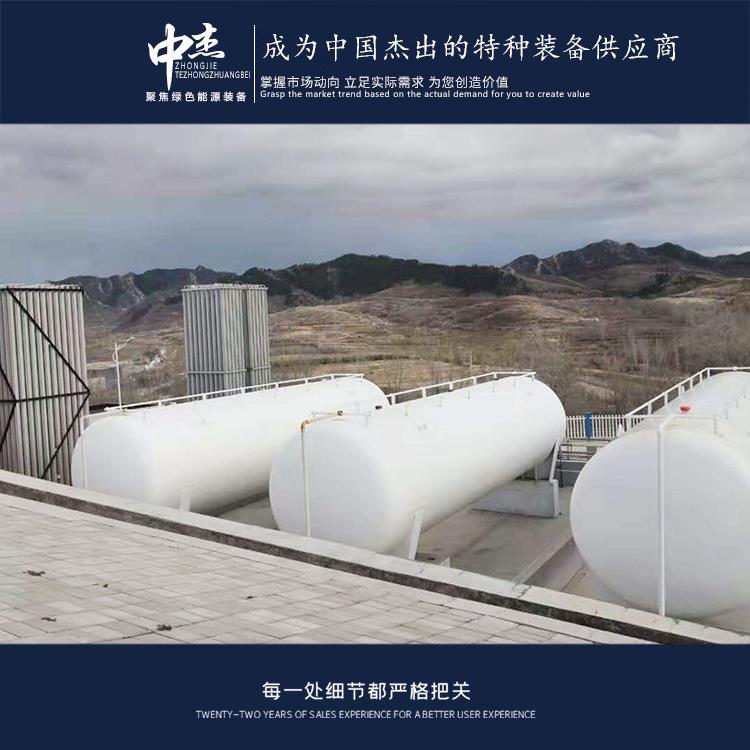
Shandong Zhongjie Special Equipment (formerly Heze Boiler Factory Co., Ltd.) was established in 2001, located at No. 2218 Jinnan Road, Economic and Technological Development Zone, Heze City. With a registered capital of 50 million yuan and total assets of 500 million yuan, the company has 7 business centers: boilers, deep-freezing containers, pressure vessels, central air conditioning, engineering installation, international trade, and Internet of Things. It has three factory sites on Jinnan Road, East Yangtze Road, and Bohai Road, covering a total area of 200,000 square meters, with the main workshop spanning 83,000 square meters. It currently employs 710 people, including 247 engineers and technicians, and 82 intermediate-level technicians. In December 2016, it was recognized as a "High-tech Enterprise" by the Science and Technology Department. In June 2021, it was identified as a "Specialized and New Enterprise in Shandong Province" by the Industry and Information Technology Department. In June 2022, it was recognized as a "Gazelle Enterprise in Shandong Province" and in August 2022, it was identified as a "Specialized and New Small Giant Enterprise" by the Ministry of Industry and Information Technology.
Liquid oxygen storage tanks are widely used in various industries, primarily in the following aspects:
Industry: Liquid Oxygen Tanks are widely used in various fields for storing and supplying liquid oxygen as fuel and oxidizer. Liquid Oxygen Tanks play a crucial role in engine, propulsion systems, and oxygen supply systems.
Chemical Industry: Liquid oxygen storage tanks are used in chemical processes for storing and supplying liquid oxygen, employed in oxidation reactions, combustion reactions, and oxygen supply, etc. Refineries, chemical plants, and manufacturers of chemical products are among the entities that may utilize liquid oxygen storage tanks.
Industry: Liquid Oxygen Tanks are used in the field for storing and supplying liquid oxygen, employed in oxygen therapy, respiratory support, and surgeries, etc. Liquid Oxygen Tanks are widely used in clinics, nursing facilities, and other institutions.
Experimental Research: Liquid Oxygen Tanks are used in scientific research and laboratories to provide liquid oxygen as experimental materials and fuel. Liquid Oxygen Tanks play a crucial role in experimental research across various fields, including physics, chemistry, biology, and materials science.
Metalworking Industry: Liquid oxygen tanks are used in the metalworking and welding industries to provide high-purity oxygen for processes such as metal cutting, welding, and heat treatment.
Other Industries: Liquid Oxygen Tanks are also applied in other sectors such as the energy, environmental protection, and food industries, etc. They are used in energy production, environmental management, and food processing fields.
It is essential to strictly adhere to the relevant safety regulations and operational guidelines for the use of liquid oxygen tanks to ensure their safe operation and usage.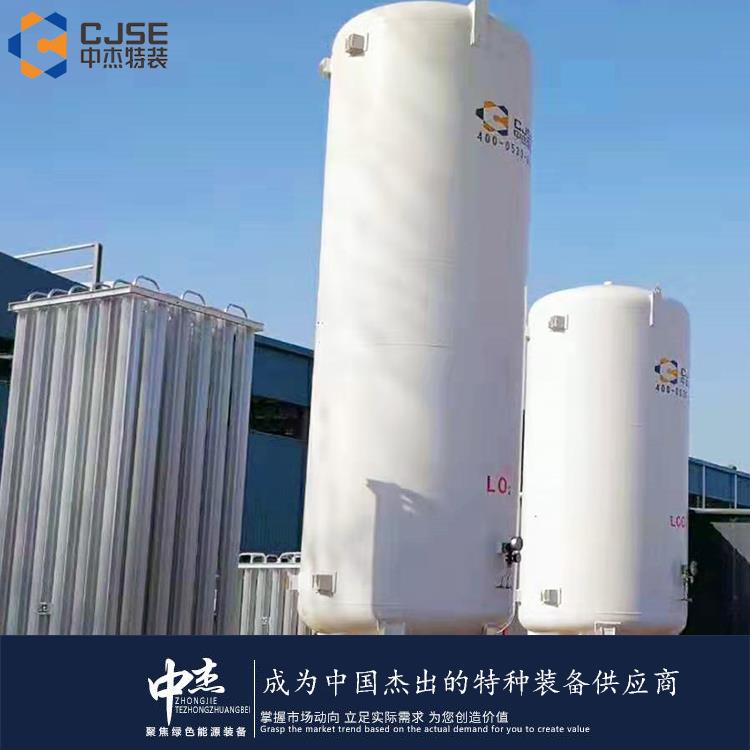
The use of low-temperature liquid storage tanks requires attention to the following matters:
Safe Operation: Operators must receive training and understand the procedures and safety precautions for tank operation. Adhere to correct operational steps to ensure safe operations.
Protective Gear: Operators must wear appropriate protective gear, such as thermal suits, gloves, etc., to safeguard themselves from injuries caused by low-temperature liquids.
Leak Protection: Regularly inspect the seals of tanks and associated pipelines to prevent leakage of low-temperature liquids. Keep the area around the tank clean to avoid debris obstructing leak detection and handling.
Fire Protection: Low-temperature liquids are highly flammable and fire precautions must be taken. Maintain a fire-free environment around storage tanks, prohibit smoking and open flames. Equip with appropriate fire-fighting equipment to address fire risks.
Pressure Control: Regularly inspect and maintain the pressure control system of the storage tank to ensure the pressure inside is within a safe range. Safety valves and pressure sensors, among other equipment, should operate normally and any abnormal pressure conditions should be detected and addressed promptly.
Insulation Protection: Low-temperature liquid storage tanks should be equipped with effective insulation to reduce heat transfer and liquid evaporation. The selection and installation of the insulation should comply with relevant standards and requirements.
Regular inspections and maintenance: Conduct regular checks of the tank's exterior and interior conditions, including checking for leaks, corrosion, wear, or other damages. Pay special attention to inspecting the tank's interfaces, valves, and pipelines, ensuring they operate normally.
Emergency Preparedness: Develop an emergency response plan including measures for leaks, fires, and other unforeseen incidents. Operators should be familiar with the emergency response plan and be equipped with appropriate emergency equipment and firefighting supplies.
Liquid nitrogen tanks are widely used in various industries, primarily in the following aspects:
Industry: Liquid nitrogen tanks are used in the field for storing and supplying liquid nitrogen, which is essential for low-temperature cryopreservation of biological samples, cells, tissues, and vaccines. These tanks are widely used in biopharmaceutical research institutions and biobanks, among other organizations.
Experimental Research: Liquid nitrogen tanks are used to provide low-temperature environments in scientific research and laboratories, for cryopreservation and cryogenic experiments. Liquid nitrogen tanks play a crucial role in experimental research across various fields, including physics, chemistry, biology, and materials science.
Metalworking Industry: Liquid nitrogen tanks are used in the metalworking and welding industries for providing low-temperature cooling, used in processes such as metal cutting, welding, and heat treatment. Liquid nitrogen tanks can provide low temperatures, enabling metals to achieve the required hardness and toughness during the processing.
Food Industry: Liquid nitrogen tanks are used in the food industry for freezing and refrigeration of foods such as frozen meats, frozen fruits, and frozen seafood. The low temperature of liquid nitrogen can quickly freeze foods, preserving their freshness and quality.
Semiconductor Industry: Liquid nitrogen tanks are used in semiconductor manufacturing and the electronics industry to provide a low-temperature environment, for the freezing and preparation of semiconductor materials. The low temperature of liquid nitrogen can enhance the purity and performance of semiconductor materials.
The configuration of liquid nitrogen tanks typically includes the following aspects:
Vessel Structure: Liquid nitrogen tanks usually feature a double or multi-layered design, filled with insulating material in the middle to minimize heat transfer and evaporation of the liquid nitrogen. The vessel material is typically made of stainless steel or aluminum alloy, offering excellent corrosion and low-temperature resistance.
Insulation Layer: The insulation layer of liquid nitrogen tanks typically employs multi-layered insulation materials, such as polyethylene foam, glass fiber, and vacuum layers, to minimize heat transfer and evaporation of liquid nitrogen.
Temperature Control System: Liquid nitrogen tanks are typically equipped with a temperature control system to regulate the tank's temperature, maintaining the liquid state.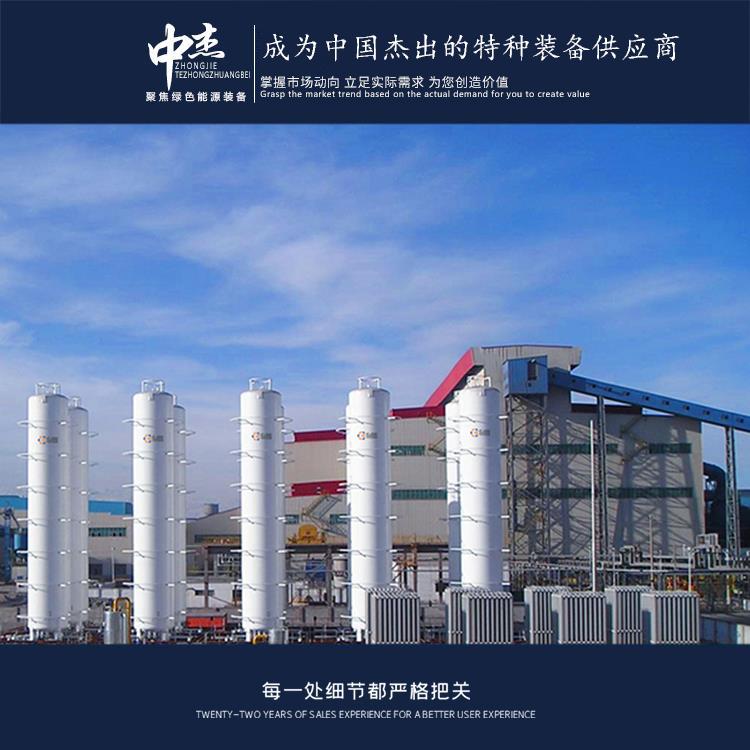
Liquid Oxygen Storage Tanks Offer the Following Advantages:
High Storage Density: Liquid oxygen tanks store oxygen in its liquid form, offering a higher storage density compared to gas storage. This means more oxygen can be stored in a limited space, providing extended supply times.
High Purity Oxygen Supply: Liquid oxygen tanks can provide high purity oxygen supply. After undergoing refrigeration and purification processes, liquid oxygen can yield high purity oxygen, meeting the requirements of various applications such as industry and scientific research fields.
Convenient and User-Friendly: The liquid oxygen tank features ease of use. It's equipped with devices such as level gauges and pressure gauges inside, allowing for convenient monitoring of the liquid level and pressure. Additionally, the liquid oxygen tank is fitted with safety features like pressure relief valves and level alarms to ensure safe operation and use.
Long-term Storage: Liquid oxygen tanks are suitable for long-term storage of oxygen. The low-temperature properties of liquid oxygen can slow down the evaporation and oxidation of oxygen, extending its storage life. This is beneficial for applications requiring long-term oxygen storage, such as institutions, laboratories, and industrial production.
Overall, liquid oxygen tanks offer high storage density, pure oxygen supply, ease of use, and long-term storage advantages. This makes them a reliable choice for oxygen supply and are widely used in industrial and scientific research fields.
ZJ Special Equipment upholds the great vision of "realizing employees' dreams, creating customer value, and striving for the prosperity and strength of our motherland," wholeheartedly devoting itself to the development of green energy equipment, offering society high-quality products and services at competitive prices!
Huangshi 5 cubic meter nitrogen storage tank, on-site installation
