


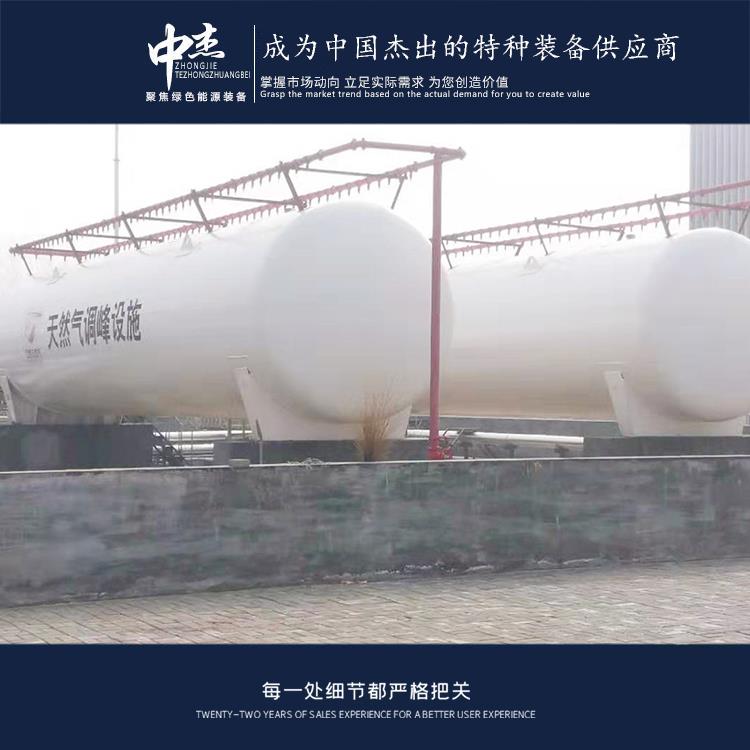
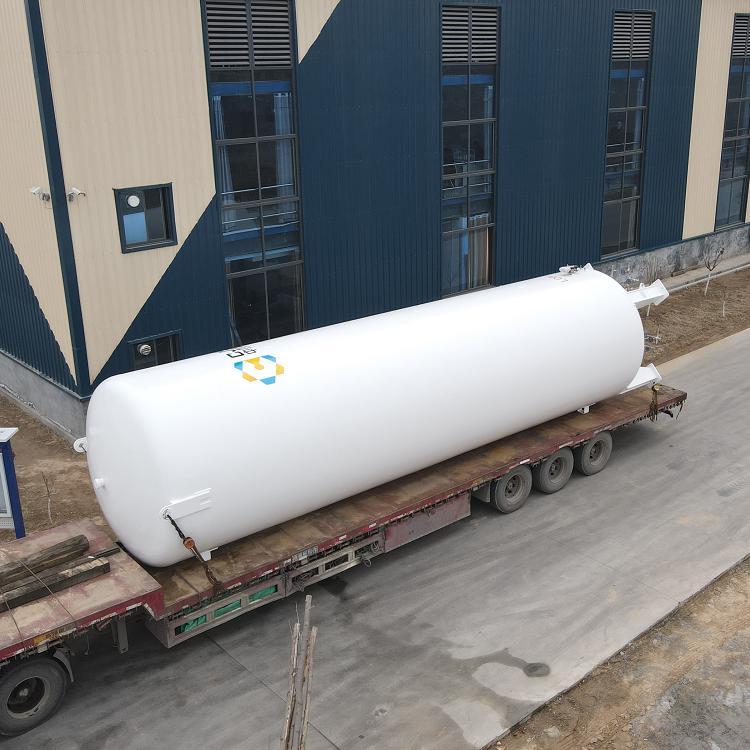
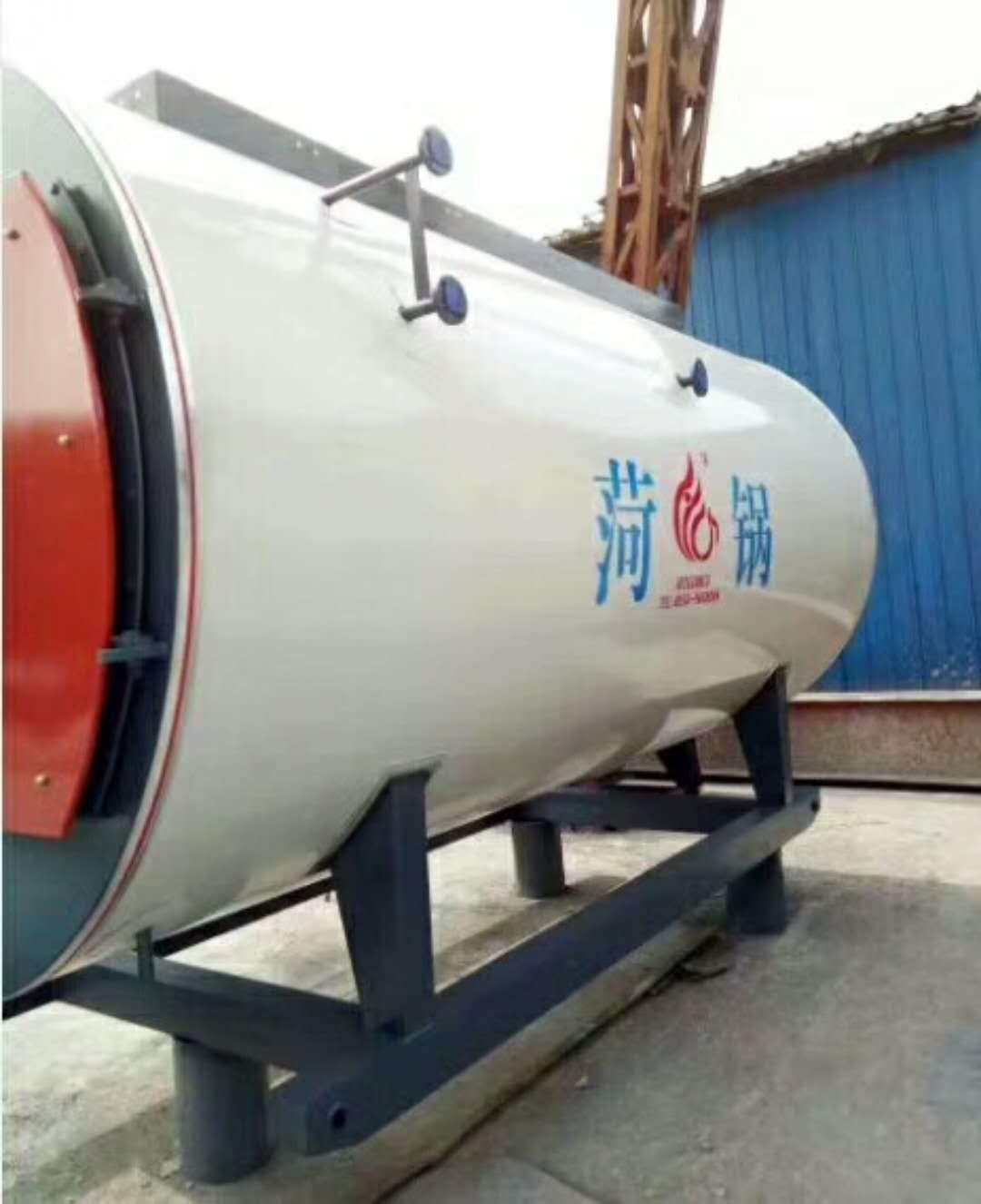
Shandong Zhongjie Special Equipment's main products include: fuel (gas) boilers, organic heat carrier boilers, biomass boilers, waste heat boilers, and other boiler products; vacuum insulation cryogenic pressure vessels such as LNG storage tanks, oxygen/nitrogen/argon storage tanks, and CO2 storage tanks; pressure vessel products such as denitrification engineering equipment, heat storage and energy storage equipment, and complete chemical equipment; central air conditioning and HVAC equipment such as ground (water) source heat pumps, air source units, water-cooled screw units, and air-cooled modular units. Planned products include large-scale energy centers, LNG transport vehicles, LNG tank containers, and other green energy equipment.
To extend the service life of low-temperature liquid storage tanks, the following measures can be taken:
Regular Inspections and Maintenance: Conduct regular visual inspections of the tank, including the shell, welds, valves, and fittings. Check for any abnormalities such as cracks, corrosion, or deformation, and promptly repair or replace damaged parts.
Maintain Insulation: Insulation is crucial for the thermal retention of low-temperature liquid storage tanks. Regularly inspect the integrity and insulating performance of the insulation, repair or replace any damaged insulation material to ensure the tank's insulating effectiveness.
Regulate Temperature and Pressure: The temperature and pressure of low-temperature liquid storage tanks should be maintained within a safe range. Avoid excessive or low temperatures and pressures that may damage the tank. Employ appropriate cooling or heating measures to ensure stable temperature and pressure of the liquid.
Corrosion Protection: The exterior shell and internal structure of the tank should be protected against corrosion and oxidation. Regularly inspect and maintain the protective coating to ensure it remains intact.
Avoid excessive pressure and overfilling: Prevent the internal pressure of the tank from being too high or too low, as well as overfilling with liquid. Excessive pressure and overfilling can lead to structural cracks or damage to the tank.
Regular cleaning and waste removal: Regularly clean the interior of the tank to remove accumulated impurities and dirt. Regularly remove waste to prevent damage to the tank from impurities and sediments in the liquid.
Safety Operations and Training: Ensure operators are knowledgeable and skilled in the safe handling of cryogenic liquid storage tanks. Enhance safety training to boost operators' awareness and emergency response capabilities.
Manage records and documents: Establish comprehensive management records and documentation, including the usage status of storage tanks.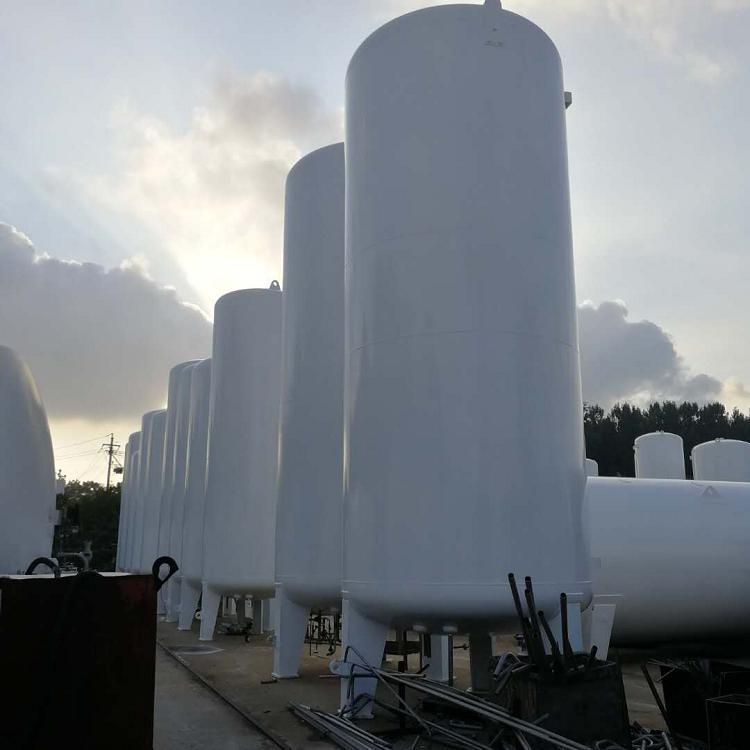
The low-temperature storage tank boasts several advantages:
Storage: Low-temperature storage tanks can store liquid cryogenic materials (such as liquid nitrogen, liquid oxygen, etc.) at low temperatures, maintaining their liquid state. Compared to gas storage, liquid storage significantly increases storage density and saves space.
Long-term Storage: Low-temperature storage tanks are suitable for long-term storage of low-temperature materials, extending their service life. By controlling the temperature inside the tank and the performance of the insulation layer, the evaporation and oxidation of the liquid material can be slowed down, maintaining its stability and purity.
Safety: The low-temperature storage tank boasts excellent safety performance. Constructed with special materials and a structural design, it can withstand low temperatures and high-pressure environments. Additionally, the tank is equipped with safety devices such as pressure relief valves and level alarms, ensuring safe operation and use.
Versatile Applications: Low-temperature storage tanks are widely used in various fields. They can be used for storing liquid oxygen and providing oxygen supply; in industrial sectors, they are suitable for storing liquefied natural gas (LNG) and other process gases like liquid nitrogen; in scientific research, they are ideal for storing low-temperature experimental samples.
Environmental Protection and Energy Saving: Low-temperature storage tanks enable effective storage and utilization of low-temperature materials, reducing energy waste and environmental pollution. During the storage and transportation of liquid substances, energy loss is minimized, improving energy utilization efficiency.
In summary, low-temperature storage tanks offer advantages such as storage, long-term storage, safety, multi-field applications, and environmental protection and energy saving. This makes them crucial equipment for storing and supplying low-temperature materials, playing a significant role in various industries.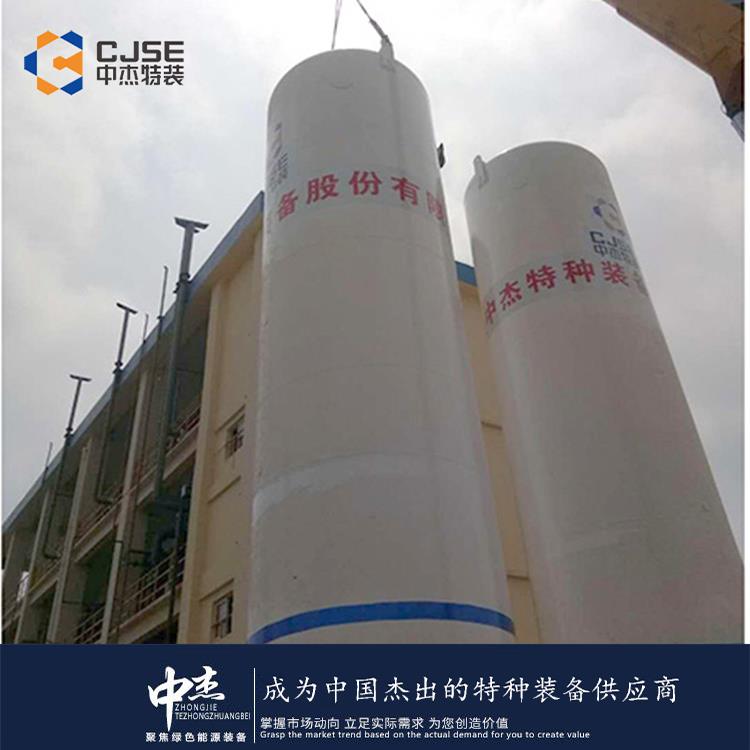
Potential causes for leakage in a liquid argon storage tank may include:
Design or Manufacturing Defects: Deficiencies in the design or manufacturing process of the tank, such as poor welding, improper material selection, or inadequate sealing, result in leakage issues.
Corrosion and Oxidation: Long-term exposure to low temperatures can lead to corrosion and oxidation in liquid argon tanks. These issues can damage the surface protective layer of the tank, causing leakage problems.
Fatigue and stress cracking: During long-term use, tanks may experience fatigue and stress cracking due to temperature and pressure fluctuations. These cracks can degrade the tank's sealing performance, leading to leaks.
Improper Operation: Failure to follow proper procedures during the storage tank's operation, such as overfilling with liquid argon or excessive pressure, can lead to tank damage and leakage.
External Damage: The storage tank may sustain damage from external factors such as mechanical impacts or objects.
To prevent dangers caused by static electricity in liquid oxygen tanks, the following measures can be taken:
Ensure proper grounding of the liquid oxygen storage tank and associated equipment. Grounding releases static electricity to the ground, reducing the likelihood of static buildup. Metal components such as tanks and pipes should be connected to a reliable grounding system.
Static Dissipative Materials: Utilize static dissipative materials to reduce the accumulation of static electricity. For instance, apply conductive coatings or materials to the insulation layer of liquid oxygen storage tanks and pipelines to ground static electricity.
Static Dissipative Equipment: Utilize static dissipative equipment, such as static conductive pipes and hoses, to minimize the accumulation and release of static electricity. These devices aid in grounding static electricity, thereby reducing the occurrence of static sparks.
Static ground wire: Install static ground wires on liquid oxygen storage tanks and related equipment to discharge static electricity to the ground. These ground wires should be connected to a reliable grounding system and checked and maintained regularly.
Static Eliminator: Utilize a static eliminator to dissipate static electricity. Static eliminators neutralize static by releasing opposite charges, reducing static buildup and spark generation.
Electrostatic Safety Training: Conduct electrostatic safety training for personnel using liquid oxygen tanks to enhance their awareness and prevention of electrostatic hazards. Training content may include the principles of electrostatic formation, preventive measures, and emergency response procedures.
It is important to note that the electrostatic prevention measures for liquid oxygen tanks should be designed and implemented by personnel, following relevant safety operation procedures and standards. During operation, strict adherence to the prescribed operational procedures is required to avoid the generation of static sparks and ensure the safety of the tank.
Zhongjie Special Equipment adheres to the great vision of "realizing employees' dreams, creating customer value, and striving for the prosperity and strength of our motherland," focusing on the development of green energy equipment industry, and dedicating high-value products and services to society!
Aba 5 cubic meter liquid nitrogen tank, high cost-performance
