


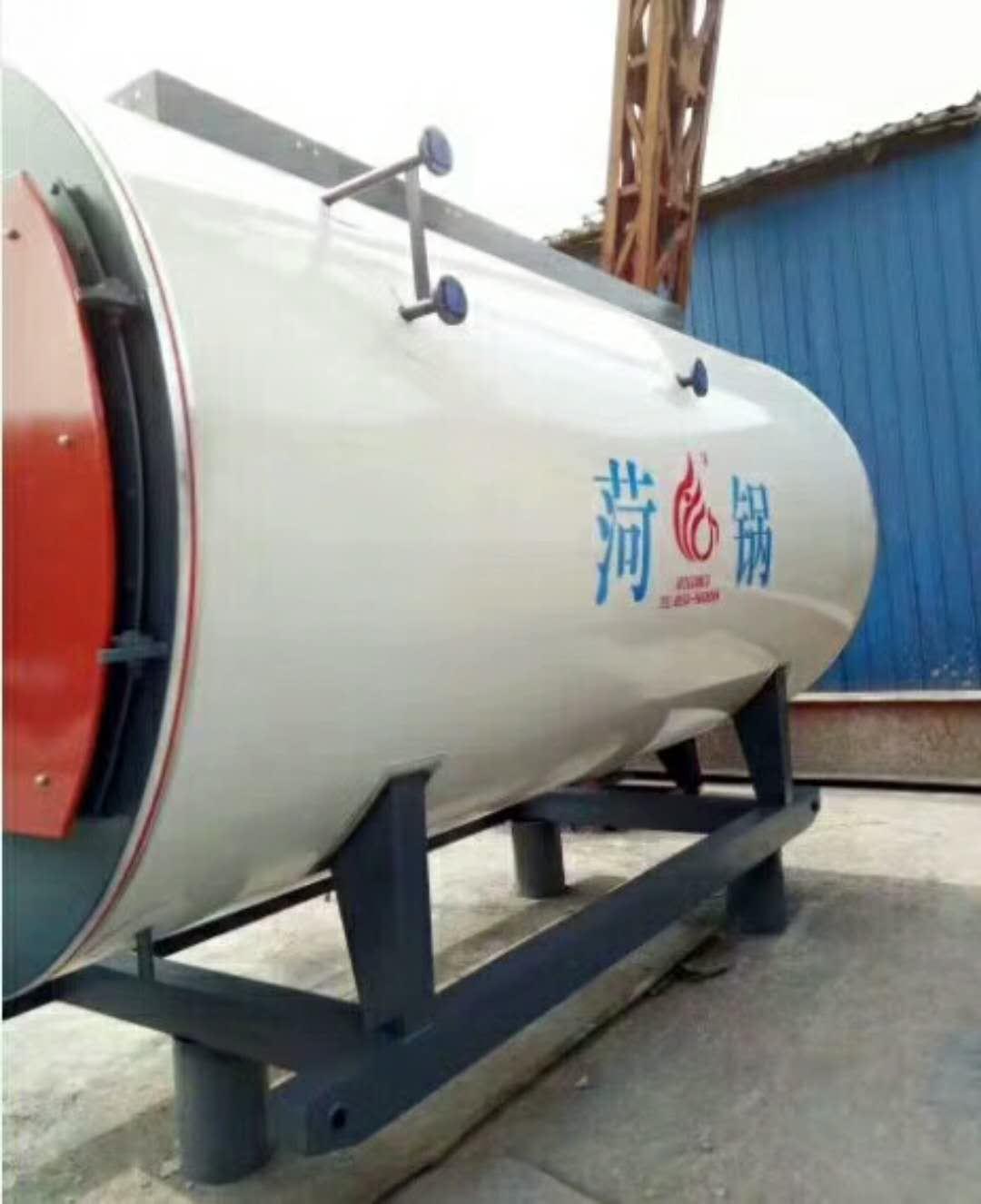
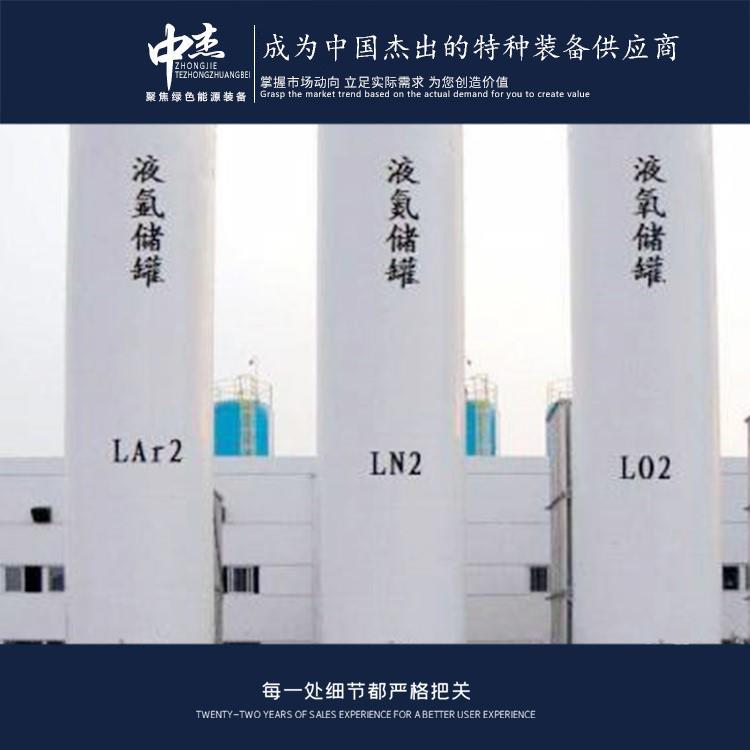
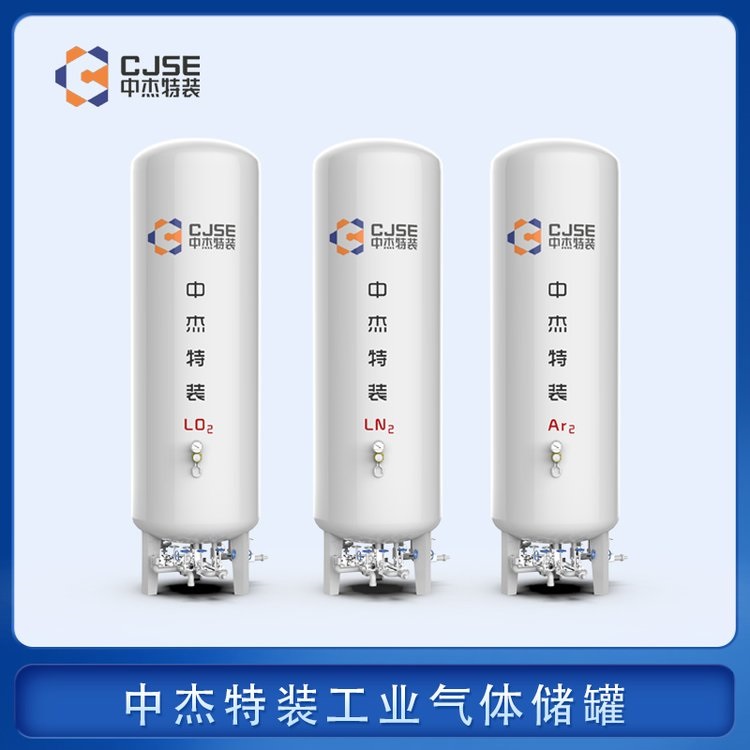
Shandong Zhongjie Special Equipment's main products include: fuel (gas) boilers, organic heat carrier boilers, biomass boilers, waste heat boilers, and other boiler products; vacuum insulation cryogenic pressure vessels such as LNG tanks, oxygen/nitrogen/argon tanks, CO2 tanks; pressure vessel products like denitrification engineering equipment, heat storage and energy storage equipment, and complete chemical equipment; central air conditioning and HVAC equipment such as ground (water) source heat pumps, air source units, water-cooled screw units, and air-cooled modular units. Planned products include large-scale thermal energy centers, LNG transport vehicles, LNG tank containers, and other green energy equipment.
When storing liquid nitrogen in low-temperature storage tanks, please note the following points:
Protective Gear: When operating low-temperature storage tanks, it is mandatory to wear appropriate protective gear, including gloves, protective clothing, and non-slip shoes. This gear safeguards the skin from the low temperatures of liquid nitrogen and other hazards.
Avoid direct contact: Liquid nitrogen is extremely cold and can cause frostbite. Therefore, avoid direct contact with liquid nitrogen, especially with the skin. Use tools or utensils for handling to prevent direct hand contact with liquid nitrogen.
Ventilation Requirements: In the operational area of low-temperature storage tanks, adequate ventilation must be maintained to expel gases produced by the evaporation of liquid nitrogen. Ensure air circulation to avoid excessive oxygen concentration, reducing the risk of fire and explosion.
Prevent Leaks: Regularly inspect the low-temperature storage tanks for leaks and equip them with leak detectors and alarm systems. In case of a leak, take immediate action to control and repair it. Avoid the hazards of liquid nitrogen leaks to personnel and the environment.
Fire Prevention Measures: Liquid nitrogen has a low boiling and freezing point, which can easily cause fires. To prevent and contain fires, firewalls and fire-resistant coatings are set up around low-temperature storage tanks.
Static protection: The accumulation of static electricity in low-temperature storage tanks can cause sparks, increasing the risk of fire. Measures such as using static-conductive materials and anti-static equipment should be taken to reduce the accumulation and release of static electricity.
Regular Inspections and Maintenance: Conduct regular checks on the condition of low-temperature storage tanks and associated equipment, including valves, pipes, pressure gauges, etc. Ensure that the equipment is in perfect condition, and promptly repair or replace any damaged parts.
Waste Gas Treatment: During the operation of low-temperature storage tanks, waste gas is produced, which necessitates appropriate waste gas treatment measures to minimize environmental impact.
Above are the precautions to be taken when storing liquid nitrogen in a low-temperature storage tank, ensuring operational safety and the normal operation of the tank. During operation, strict adherence to relevant operational procedures and safety requirements should be maintained to avoid accidents.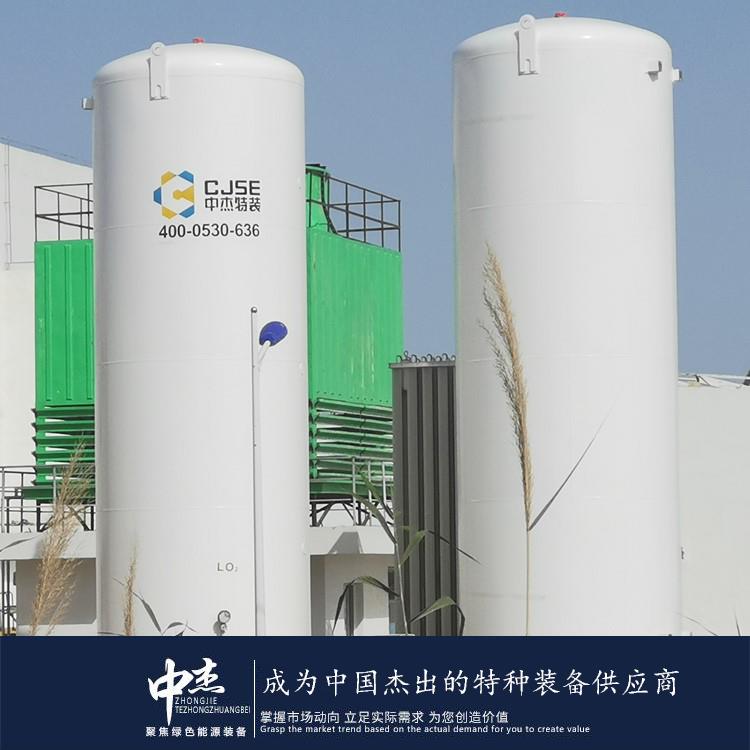
When using a 50-cubic-liter liquid oxygen storage tank, the following safety concerns should be noted:
Tank Pressure Control: Ensure the liquid oxygen pressure within the tank is consistently within the safe range. Monitor and control the tank's pressure to avoid risks from excessive or insufficient pressure.
Leakage and Fire Prevention: Regularly inspect the seals of tanks and related pipelines to prevent oxygen liquid leakage. Oxygen liquid is highly flammable, so fire prevention measures must be taken to ensure there are no sources of fire around the tank.
Explosion Prevention Measures: Oxygen inside the liquid oxygen tank may cause an explosion upon contact with flammable substances. Ensure there are no flammable items around the tank and implement explosion prevention measures, such as explosion-proof electrical equipment and static grounding.
Safety Valves and Discharge System: Storage tanks should be equipped with safety valves and discharge systems to prevent overpressure conditions. Ensure the proper operation of the safety valves and the unobstructed flow of the discharge system.
Routine Maintenance and Inspection: Conduct regular maintenance and inspections of the storage tanks, including cleaning, coating protection, and anti-corrosion treatment. Ensure the structural integrity and safety of the tanks.
Safety Operation and Training: Operators must undergo relevant safety training, familiarize themselves with the safe operation procedures and emergency response measures for liquid oxygen storage tanks. Adhere to correct operational steps to ensure safe operation.
Environmental Monitoring: Regularly monitor environmental parameters such as oxygen concentration and temperature around storage tanks to ensure safety.
Emergency Preparedness: Develop an emergency response plan including measures for leaks, fires, and explosions. Equip with appropriate emergency equipment and firefighting supplies to handle unforeseen incidents.
The above lists some safety concerns to be aware of when using 50-cubic-liter liquid oxygen tanks. To ensure safety, it's recommended to follow relevant safety regulations and operational guidelines, and seek assistance and guidance from professionals when needed.
The manufacturing process for the heads and cylinders of low-temperature storage tanks typically includes the following steps:
Material Preparation: Select suitable materials, such as low-temperature alloy steel or stainless steel, based on design requirements and specifications. Conduct inspections and acceptances to ensure material quality meets standards.
Sheet Cutting: Sheets are cut to the specified dimensions and shapes. Common cutting methods include flame cutting, plasma cutting, or laser cutting, among others.
Bending and forming: Cut sheets are bent and shaped to create shapes for caps and cylinders. Common forming methods include cold bending, hot bending, or hydraulic forming, etc.
Welding: Welds shaped sheets together to form the structure of heads and cylinders. Common welding methods include manual arc welding, gas shielded welding, or laser welding, etc.
Weld Seam Treatment: Process the weld seams after welding, such as sanding, polishing, or applying anti-corrosion coatings, to enhance the quality and appearance of the seams.
Inspection and Acceptance: Perform inspections and acceptance checks on the finished headers and cylinders to ensure their quality and compliance with design specifications. Common inspection methods include ultrasonic testing, radiographic inspection, or liquid penetrant testing, etc.
Reinforcement and Support: As required, reinforcement and support processing and installation are performed on the heads and cylinders to enhance the structural strength and stability.
Surface Treatment: The heads and cylinders undergo surface treatment, such as anti-corrosion coating, hot-dip galvanizing, or polishing, to enhance their corrosion resistance and aesthetic quality.
It is important to note that the manufacturing process of low-temperature storage tanks must comply with relevant standards and regulations to ensure the quality and safety of the production process. During the manufacturing process, strict adherence to safety operating procedures and the implementation of necessary protective measures should be maintained to ensure the safety of the operators.
Liquid Oxygen Low-Temperature Storage Tanks are primarily used for storing and supplying liquid oxygen, with their application methods varying based on specific needs and scenarios. Here are some common applications of liquid oxygen low-temperature storage tanks:
Applications: Liquid Oxygen Low-Temperature Storage Tanks are widely used in the field for cryogenic preservation of biological samples, cells, tissues, and vaccines. Institutions such as biopharmaceutical research organizations and biobanks utilize these tanks to store and protect these biological materials.
Experimental Research: Liquid Oxygen Low-Temperature Storage Tanks are used to provide low-temperature environments in scientific research and laboratories, for cryogenic preservation and experiments. These tanks play a crucial role in experimental research across various fields, including physics, chemistry, biology, and materials science.
Industrial Applications: Liquid Oxygen Low-Temperature Storage Tanks are used in industrial sectors for providing low-temperature cooling, applicable in metal processing, welding, and heat treatment processes. These tanks can achieve low temperatures, enabling metals to reach the required hardness and toughness during processing.
Food Industry: Liquid oxygen low-temperature storage tanks are used in the food industry for freezing and refrigeration of foods such as frozen meats, frozen fruits, and frozen seafood. The low temperature of liquid oxygen can quickly freeze foods, preserving their freshness and quality.
Liquid oxygen low-temperature storage tanks are used in the field for storing and supplying liquid oxygen as fuel. Liquid oxygen, as a high-energy fuel, is widely used in the propulsion systems of engines and devices.
During the operation of liquid oxygen low-temperature storage tanks, strict adherence to relevant safety regulations and operating guidelines is required to ensure the safe operation and use of the tanks. Liquid oxygen is highly flammable, so fire prevention measures must be taken when using liquid oxygen low-temperature storage tanks, and it must be ensured that there are no ignition sources nearby.
Shandong Zhongjie Special Equipment, welcome customers to our factory for business discussions.
Anshun Nitrogen Storage Tank - Comprehensive After-Sales Support
